

Survivor Encyclopedia

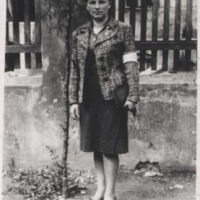
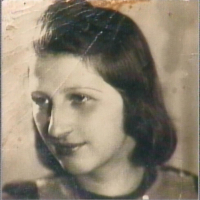
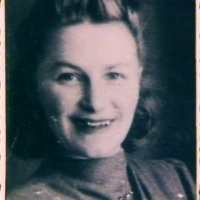
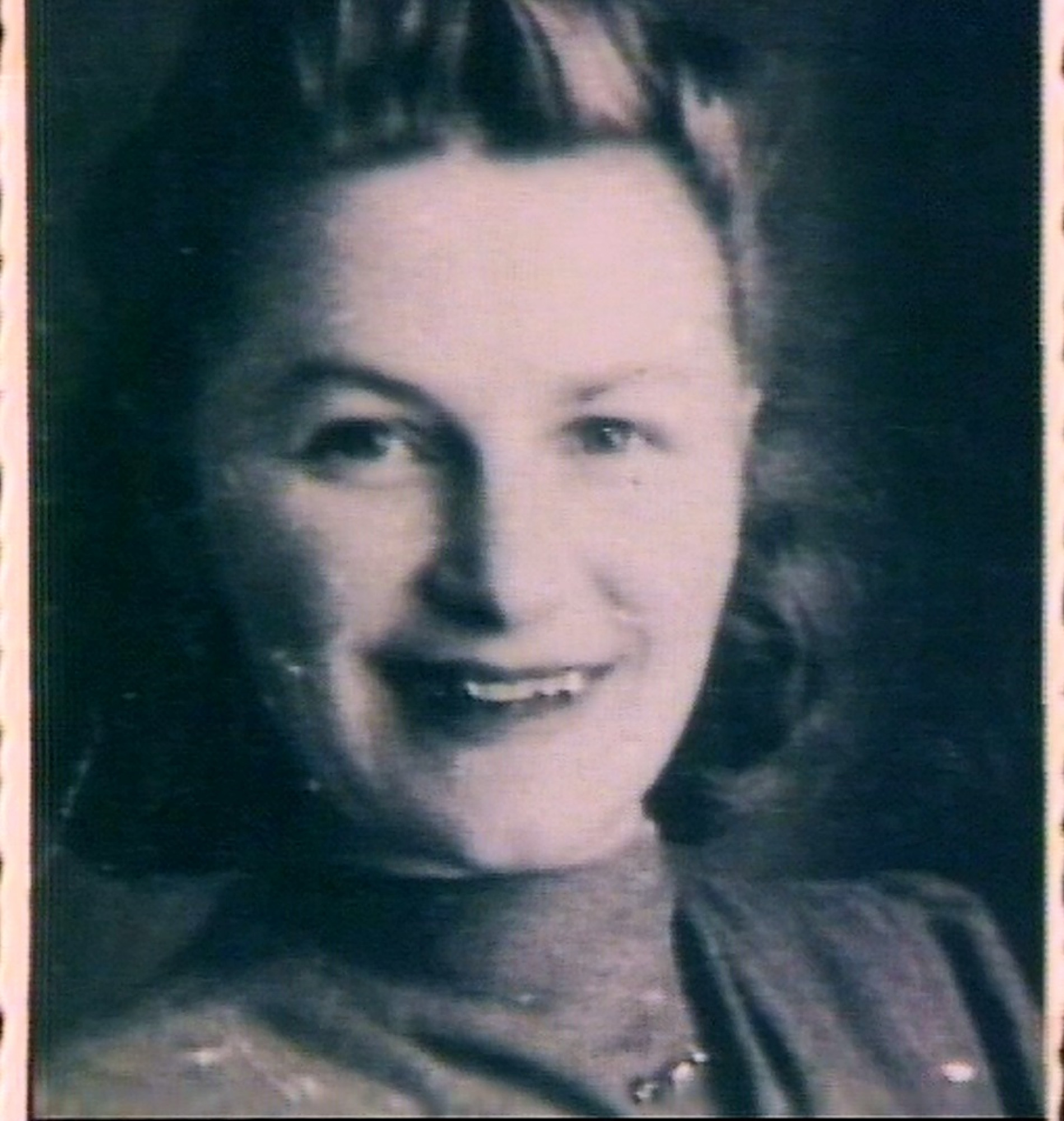
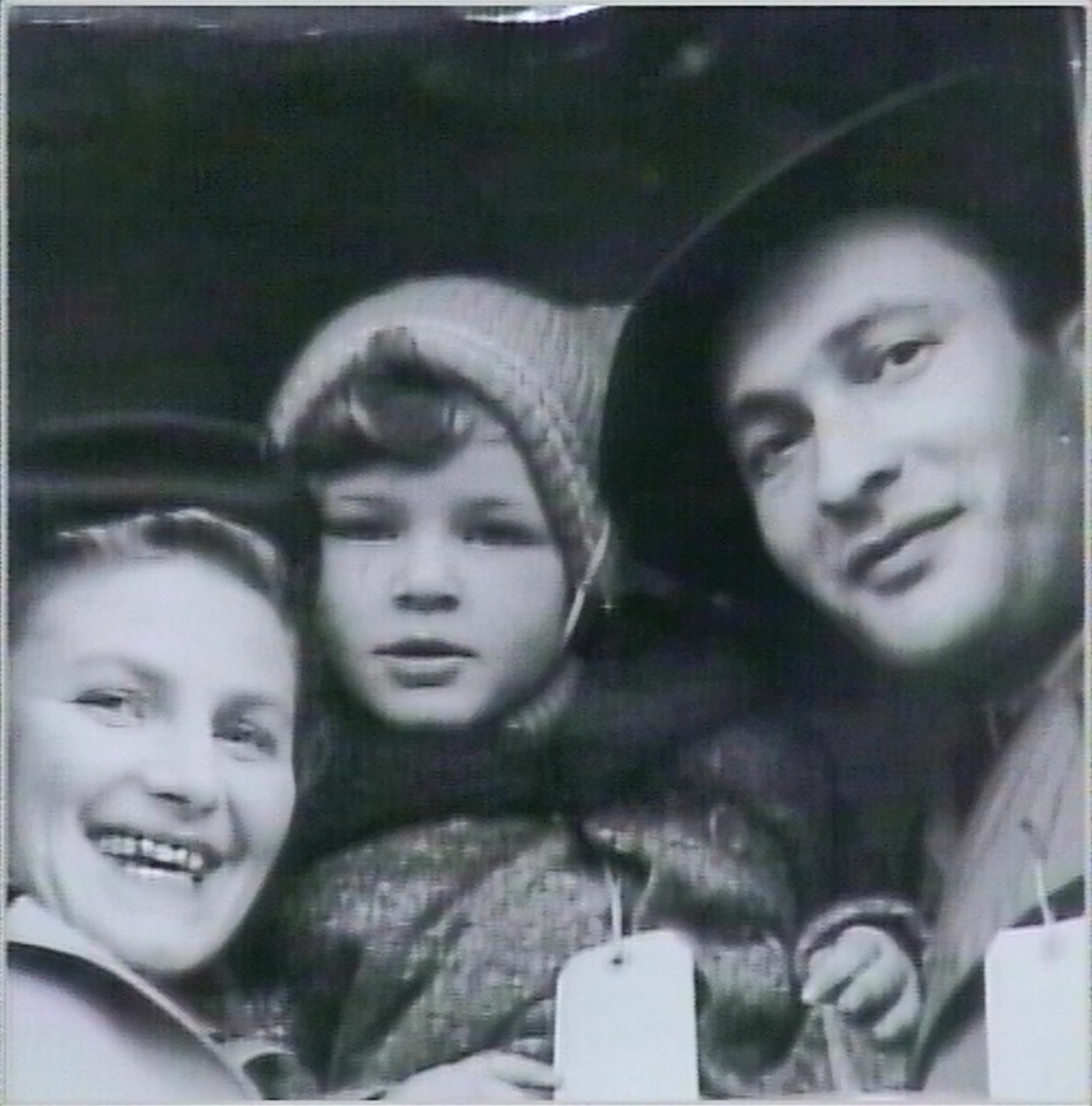
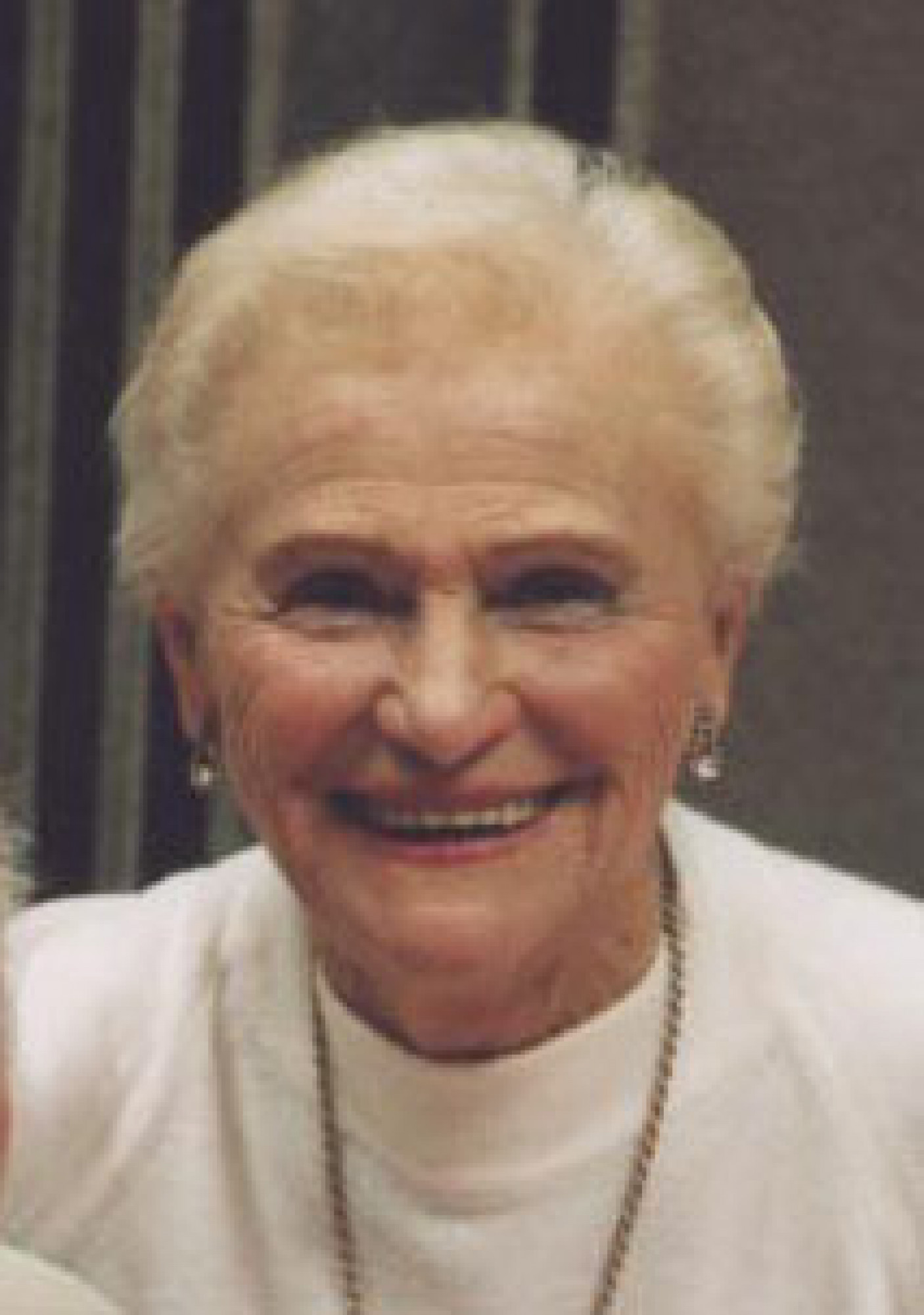
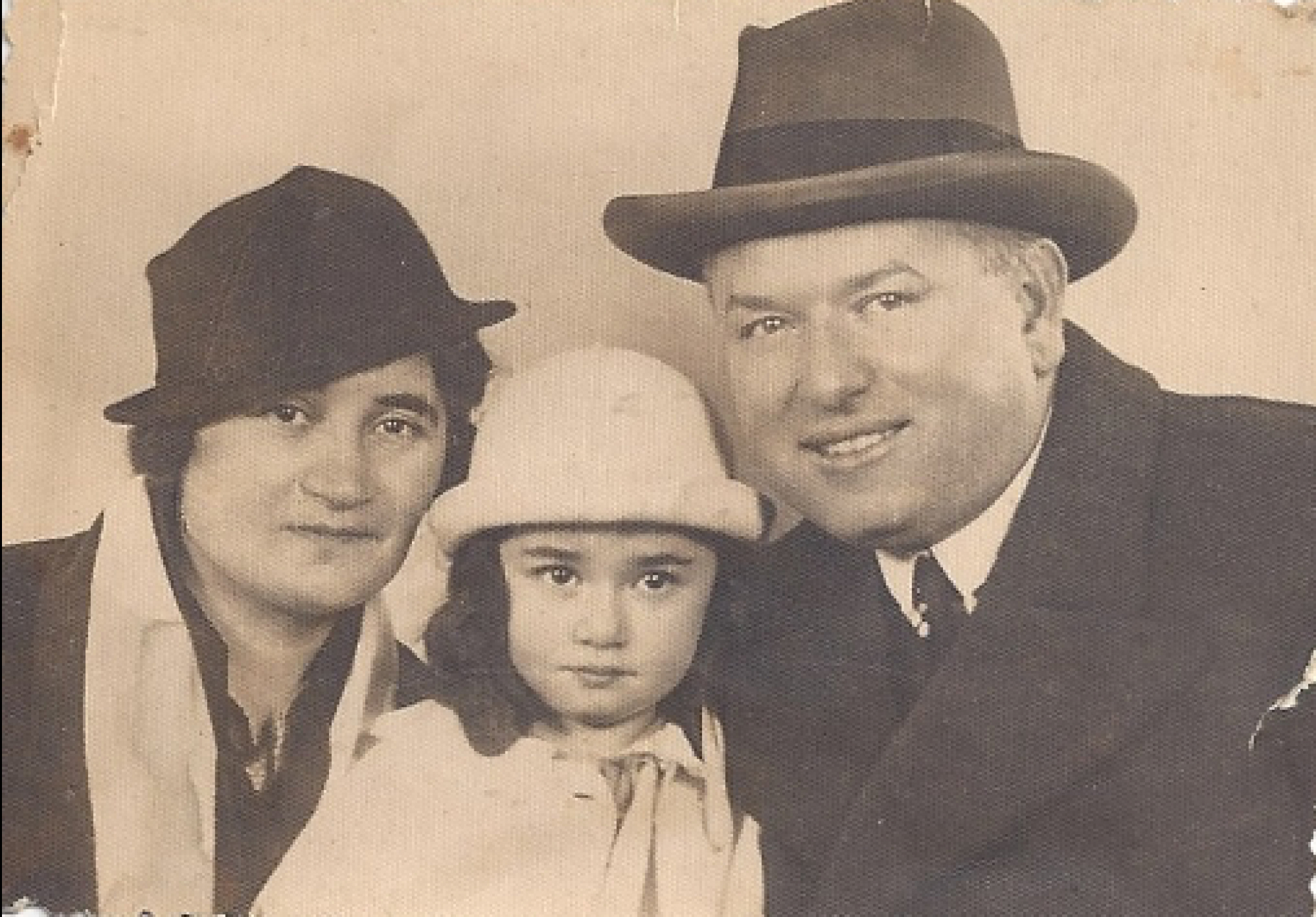
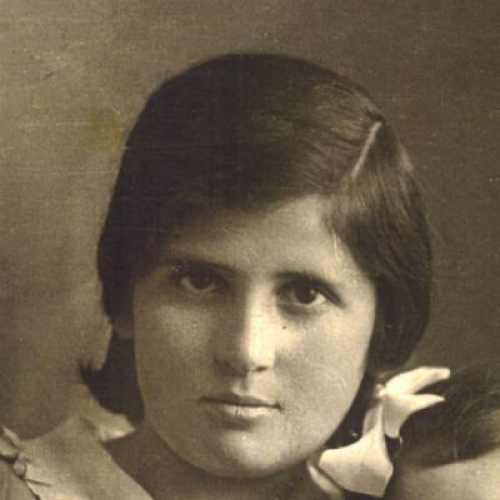
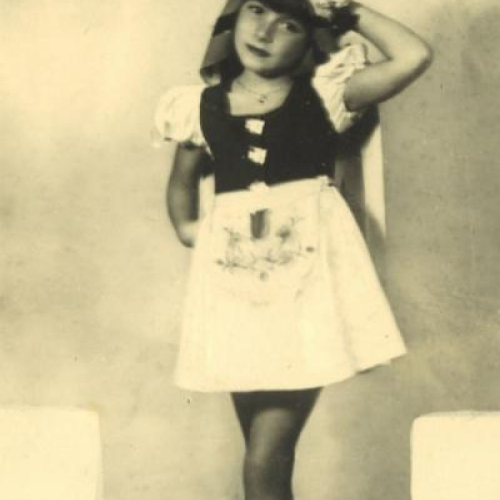
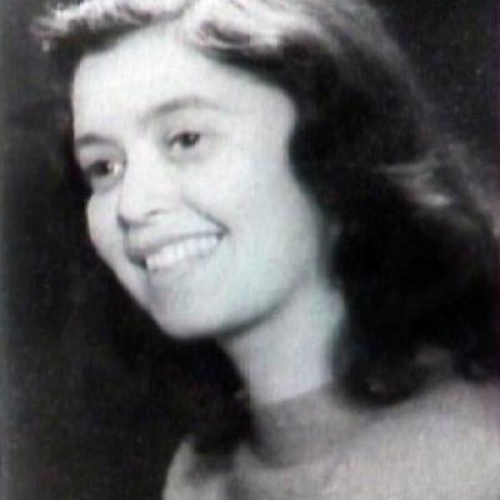
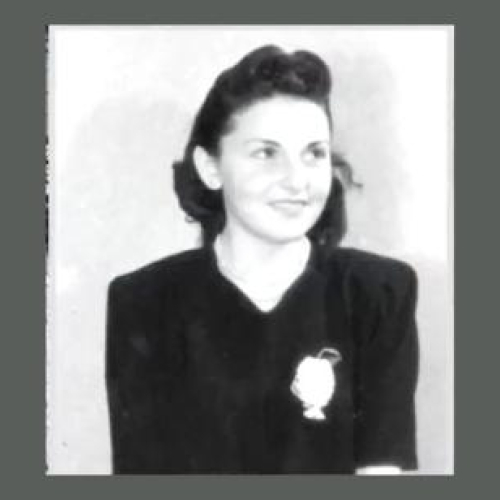
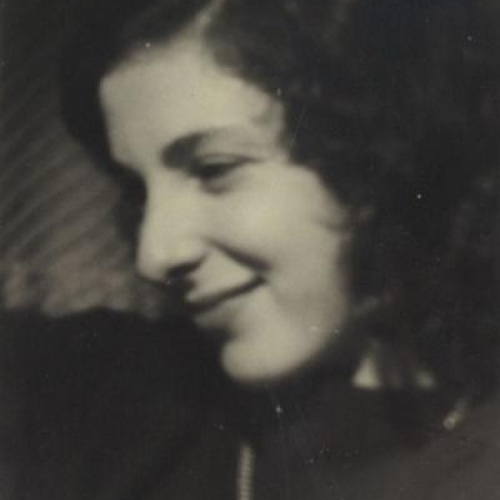
Fanny Wald - Poland
-

I wasn’t human there. I was called by a number. I didn’t have a name. You had to know your number. - Fanny Wald
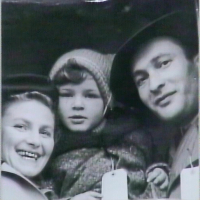
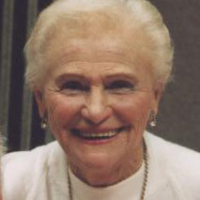
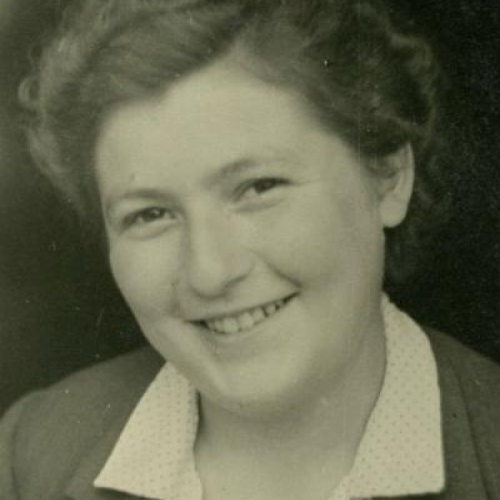
Fanny Wald was born Frania Tabaczkiewcz on September 8, 1924 to a Jewish family. She and her family lived in Bedzin, Poland. Fanny's mother died when she was three, and she was raised by her father and step-mother, as well as a German nanny, Maria Pach, who cared for her and her sister Simcha, and brother Joseph.
Fanny was almost 15 years old when the Nazis invaded her hometown on September 1, 1939. On the second day of the Nazi occupation, just six days before her 15th birthday, the Nazis burned the local synagogue. Then the Nazis rounded up all of the male Jews over the age of 13 and shot them. Fanny tried to claim the bodies of her father and uncle, but local Polish people turned her away from the cemetery.
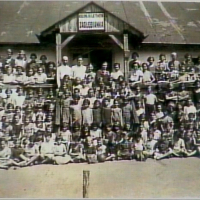
For five months, Fanny stayed at home as much as possible to avoid being assaulted by the Nazis. Then, in 1940, she discovered that the Nazis had taken her younger sister to a local school which had been converted into a Jewish deportation center. She rushed to the school and managed to change places with her younger sister in an effort to protect her.
In her sister’s place, Fanny was deported from Bedzin to Czechoslovakia to work as a slave laborer at Oberstadt, a factory that manufactured flax. “I wasn’t human there. I was called by a number. I didn’t have a name.” Fanny often stuck up for and defended the sick and weak in the camp. As a result, the guards often beat her. A female SS guard once beat her so severely she would have died without another guard’s help.
For more than five years, Fanny kept herself alive on the meager food rations given at the Czech factory. She became so emaciated she could fit both feet into one shoe. Fanny was hopeful she would reunite with her family, but at the end of the war, in 1945, she learned the heartbreaking news that ther brother, little sister, and her stepmother all had been murdered in Auschwitz.
Upon returning to Bedzin, Fanny discovered it was still dangerous to be known as a Jew there and in many other areas of Poland. She located a cousin who smuggled her into the American zone in Germany. She made her way to Bergen Belsen, a former concentration camp in Germany which the Americans were using as a Displaced Persons camp for refugees and survivors.
In the Displaced Persons camp she met Ziegmund (Sidney) Wald from Kielce, Poland. They married on February 26, 1946 and immigrated to the United States in 1950. Fanny and Sid Wald raised three sons in Seattle, WA. The Walds were part of a group of Holocaust survivors that founded the Holocaust Center for Humanity. Fanny was an active member of the Speakers Bureau for many years. She died in 2015.
“Hatred has no room in our hearts or in our homes.” - Fanny Wald
1924-2015
- More About This Survivor:
Full Testimony - Fanny Wald (1991, 1:45:03)
Beaten (1:36)
Message to Next Generations (2:04)
-
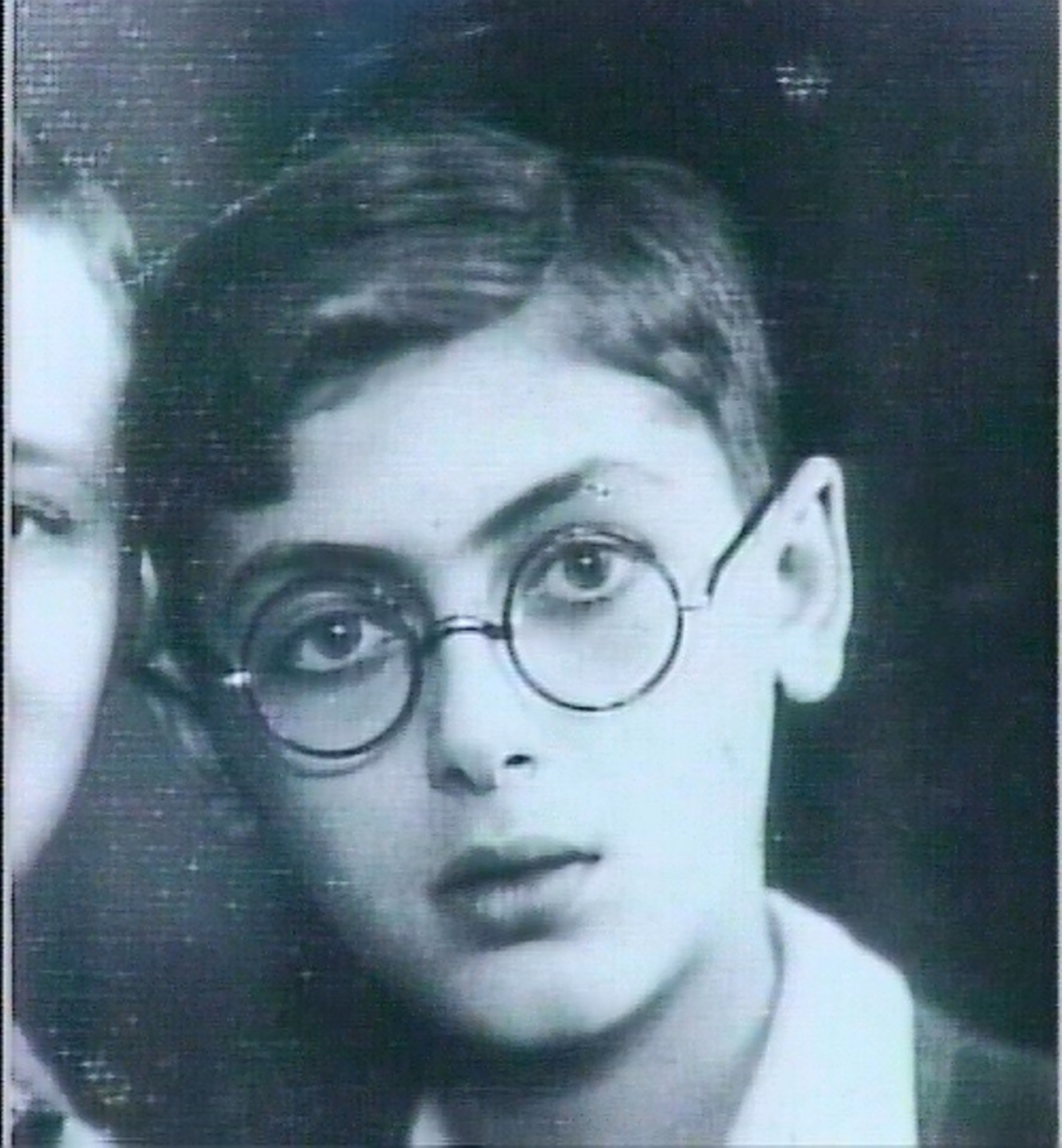
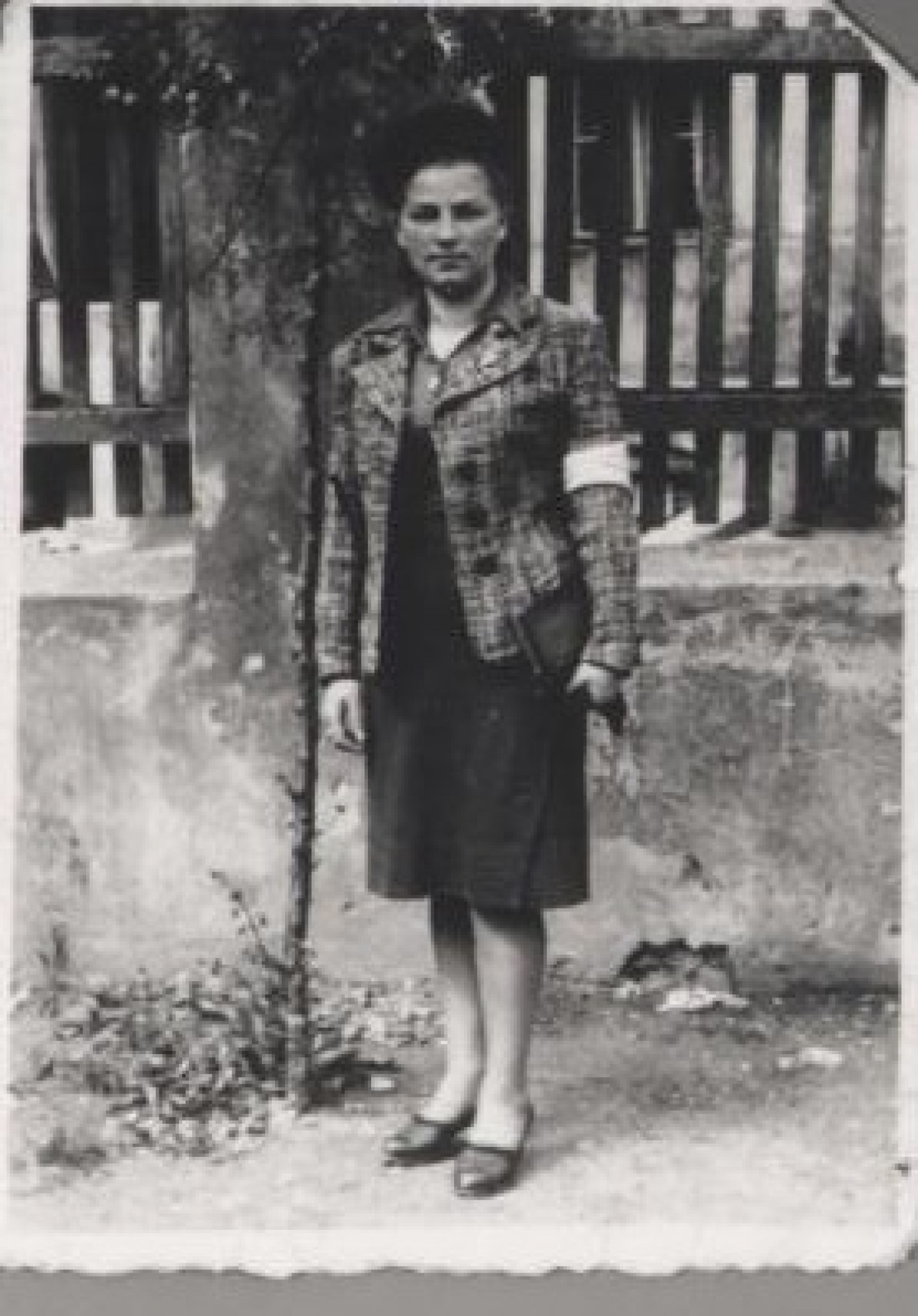
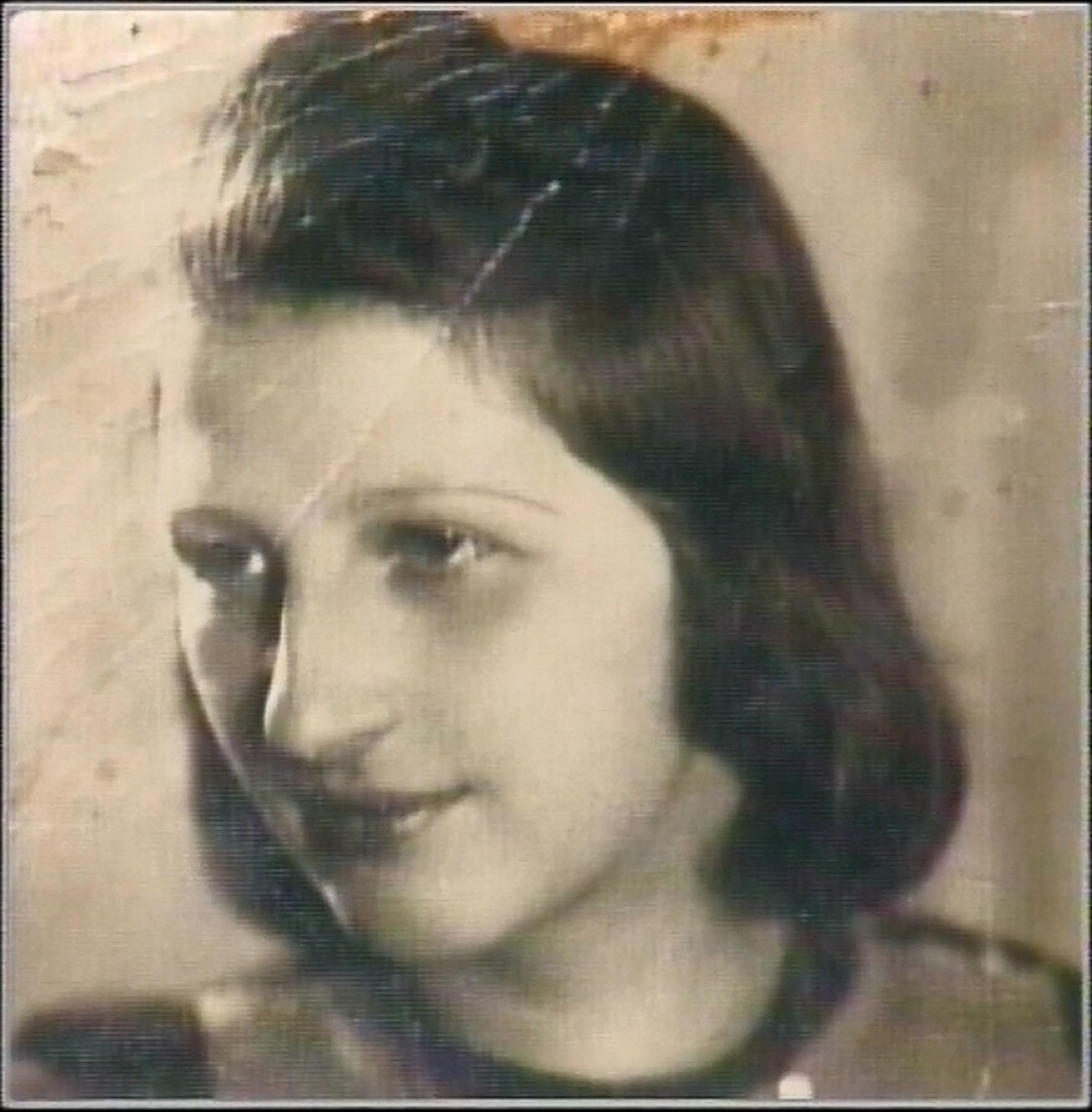
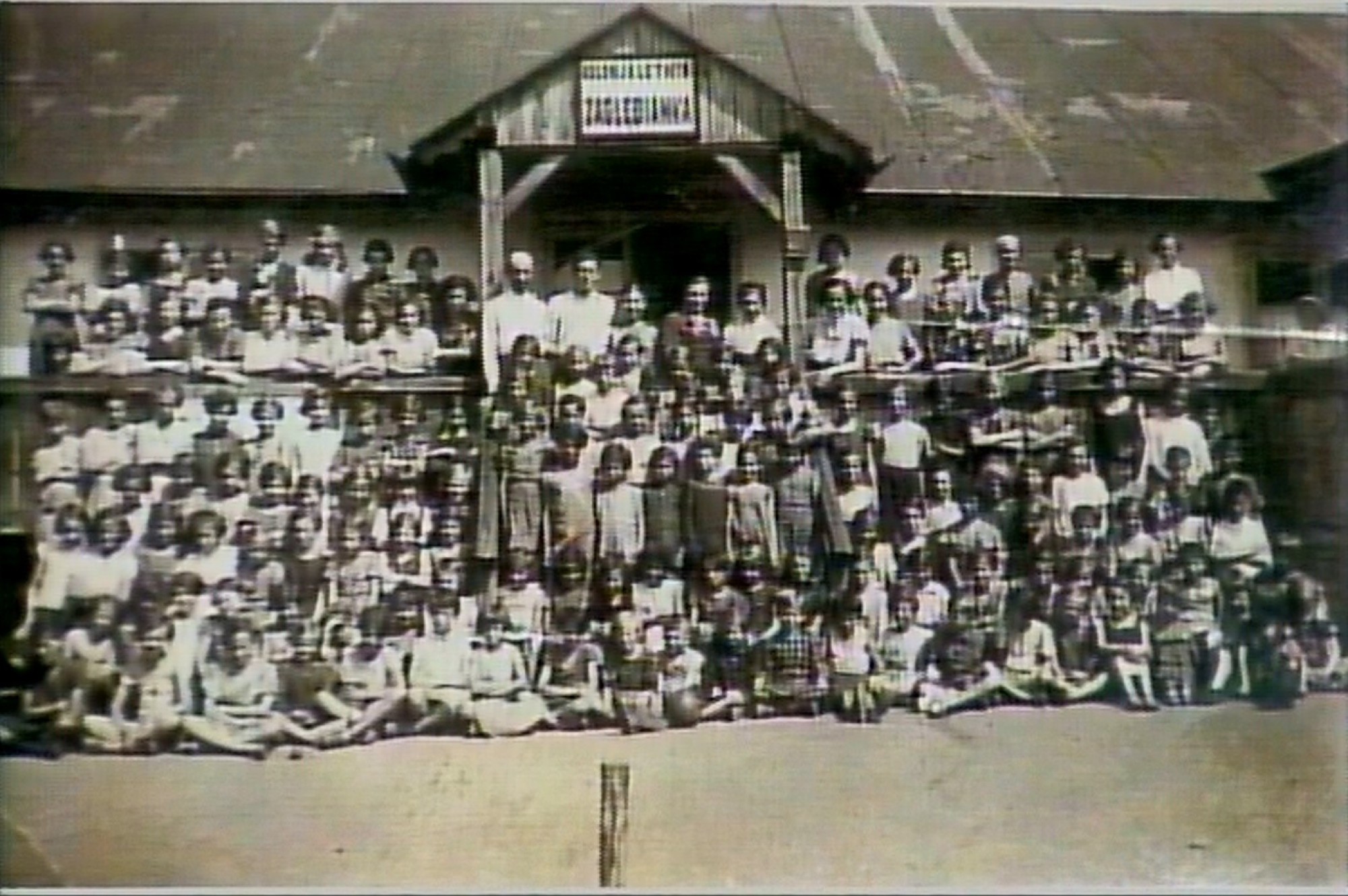

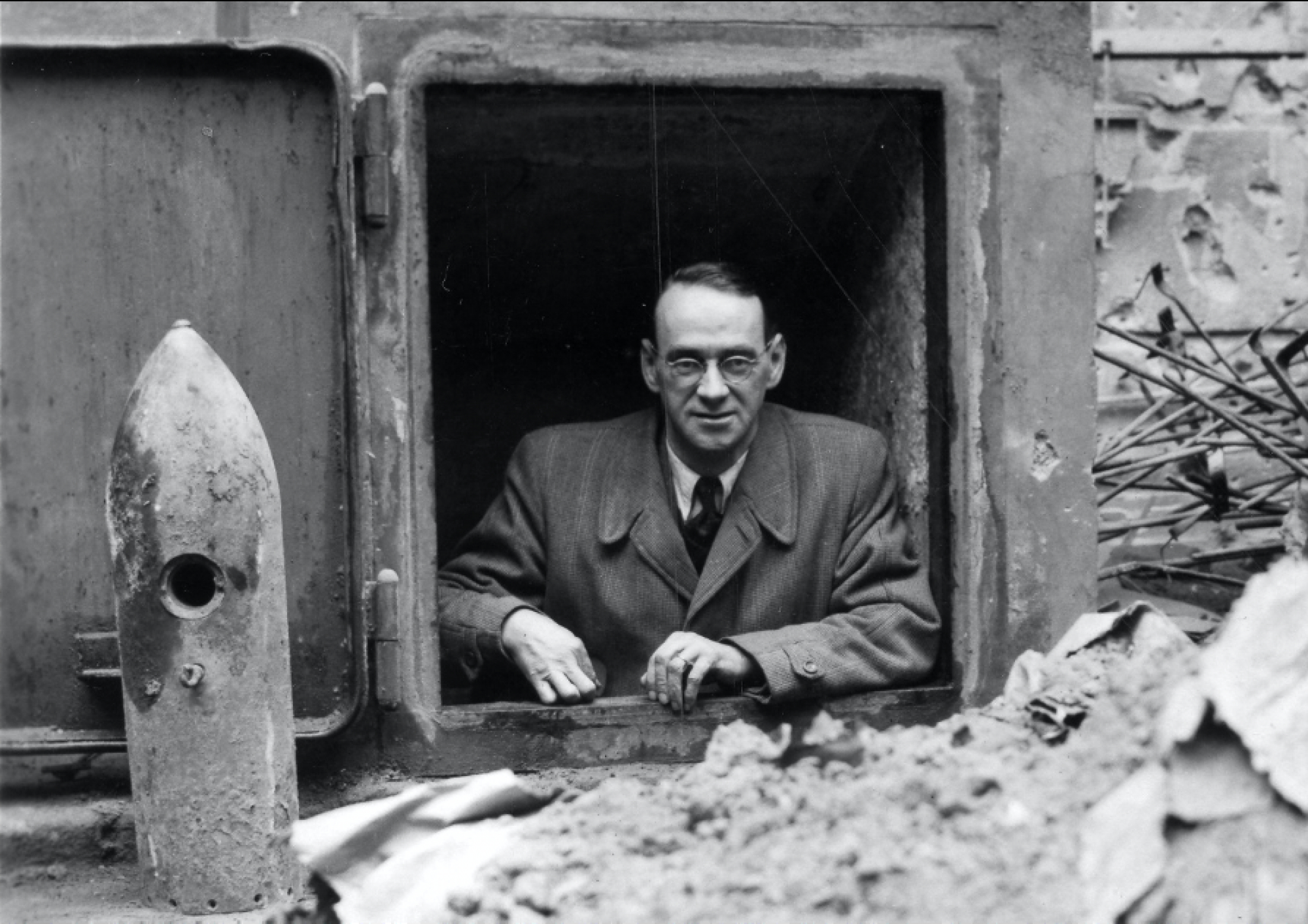
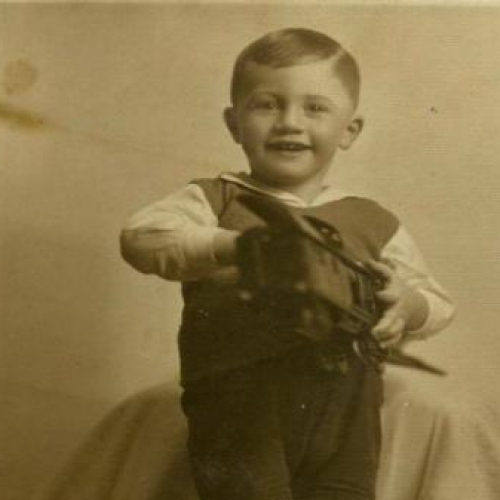
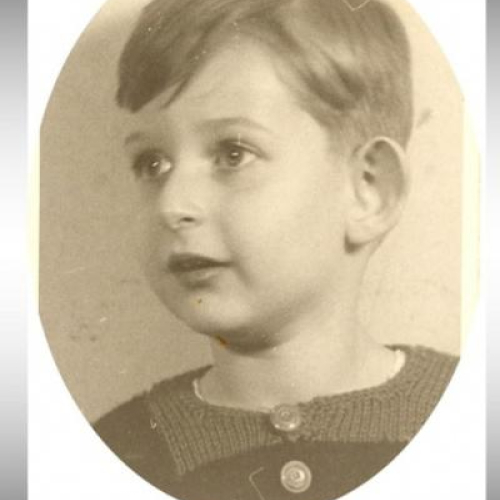
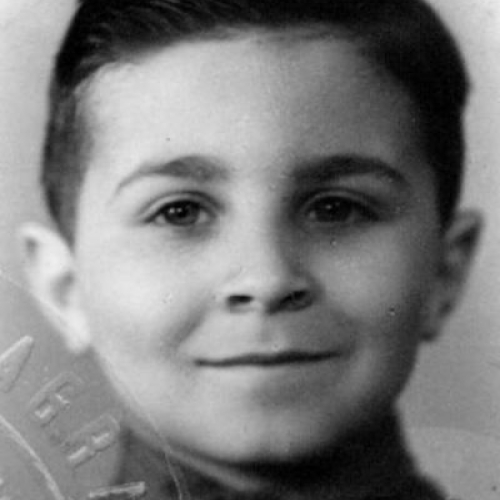
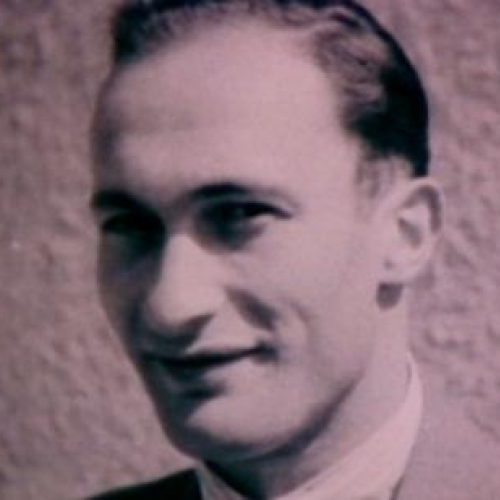
Sidney Wald - Poland
-

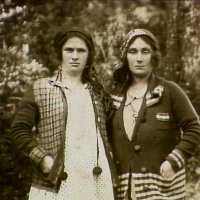
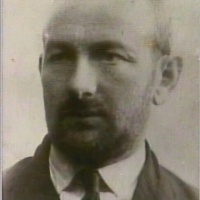
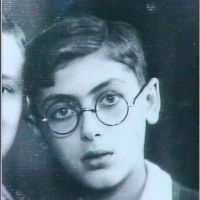
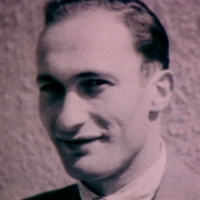
Bergen-Belsen DP Camp, 1946 "We went into the shower, took everything off, throw it away, we showered, shaved heads. I was next to Joe and I couldn't recognize him" - Sidney Wald
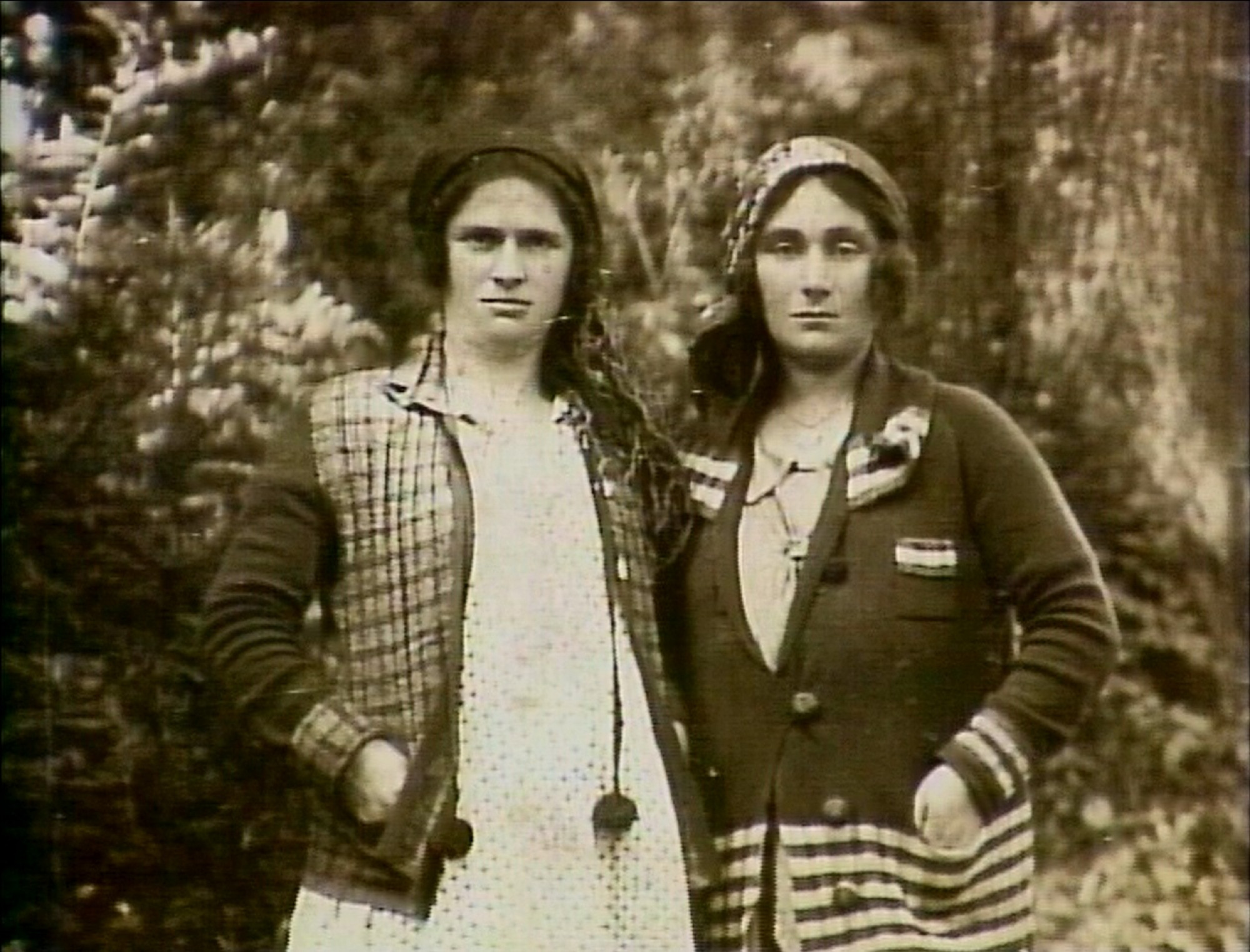
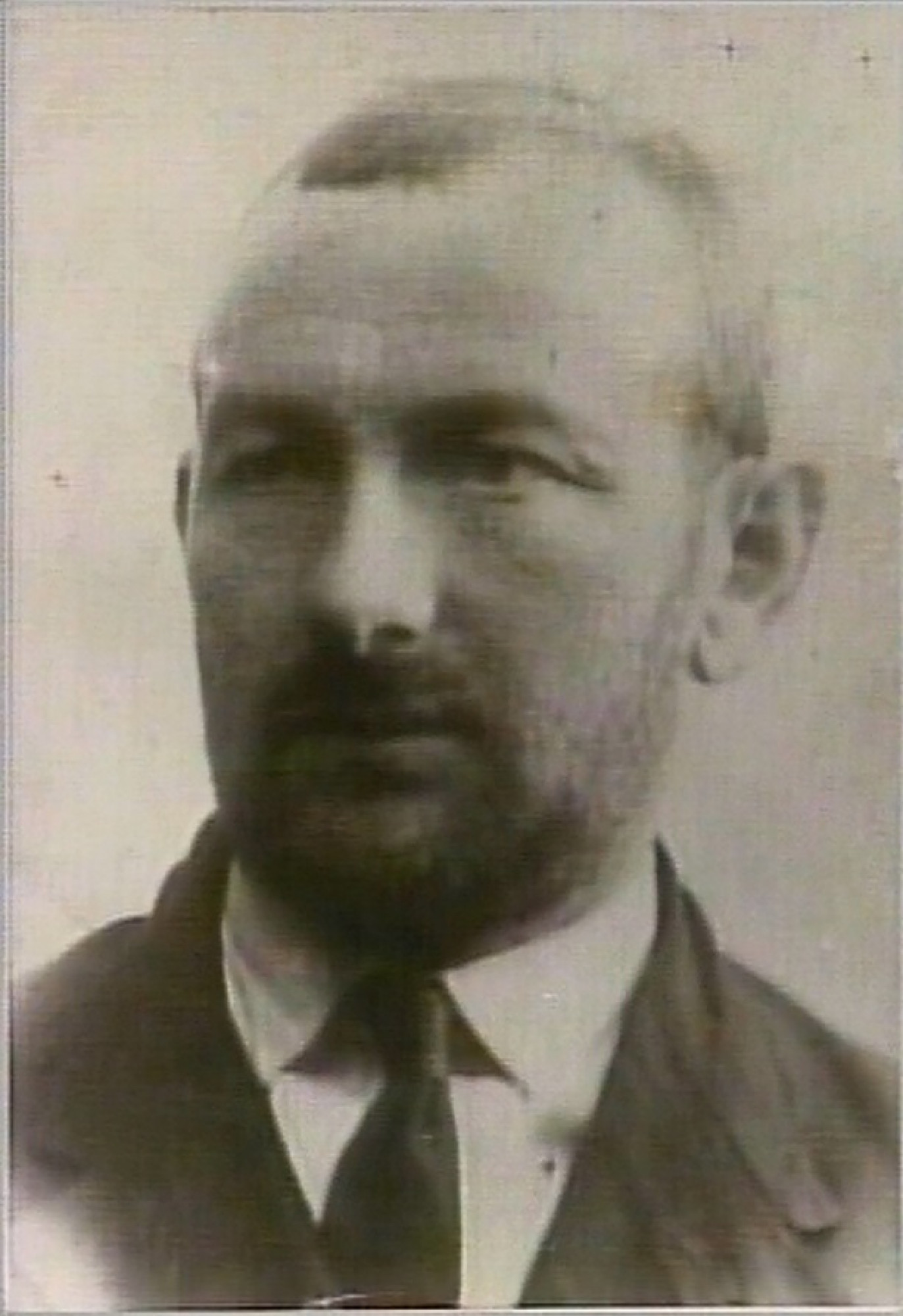
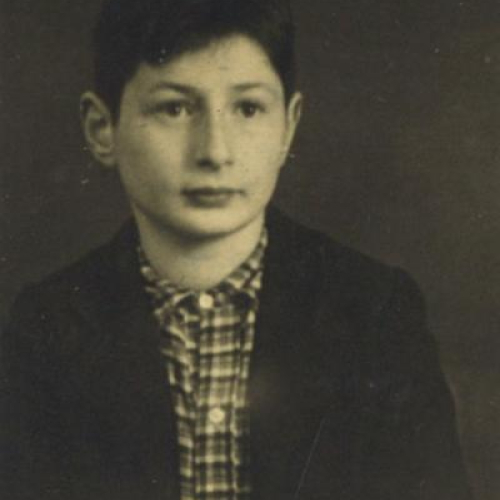
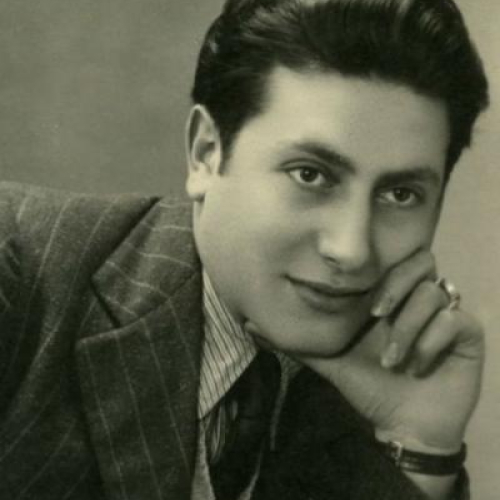
Sidney Wald (Zelig/Ziegmund Waldieferant) was born to a Jewish family in Kielce, Poland in 1924. He had 7 siblings, and a large extended family.
Sidney's mother Hinda lost her hearing during an illlness and the traumatic birth of her last child. Sidney's father Coleman died when Sidney was 11 years old in 1935, and his mother Hinda was left to raise the children on her own. Sidney said that the children communicated with their mother by yelling very loudly since she could hear a little bit. Sidney's siblings included: Salah, Mendl, Joe, Esther, Chava, Rivka, Moshe.
The Wald's home was only one room with no electricity or running water. There were about 25,000 Jews in their city of Kielce out of a population of 80,000. Sidney recalls that there were theaters and an opera house, and there was also a great deal of antisemitism.
Sidney attended Jewish schools, but had to leave school in 1935 when his father died so that he could learn a trade and help to support his family. He worked for a local Polish merchant along with four or five other employees learning the upholstery trade.
In 1939, the Nazis invaded Poland and began introducing and enforcing new laws that restriced what Jews were allowed to do along with their rights and protections. He recalls that he was hit by a German soldier for not tipping his hat. By 1940, the Jews of Kielce were forced into a ghetto, a small part of the city with limited access to the rest of the city. Since Sidney's family's house was in the area designated as the ghetto, they did not have to move. Sidney worked in a rock-shredding factory. It was hard work but at least he was given a little bit of food.
In 1942, the Nazis forced all of the Jews in the ghetto out. Sidney could only take what he could put on his back. The Walds gave their passports to the soldiers who would decide their fate in a "selection." Sid's mother, and his sisters Chava, Rivka, and Esther were sent to the left. The rest were directed to a line to the right.
Sidney was taken to another factory where Joe and Salah were also sent. He remained there for 18 months. In 1944, the Nazis deported Sidney to Auschwitz. Joe and Salah were sent with him. They were forced into open railcars, in which they traveled for two days to Auschwitz. Three days after their arrival, he was transferred again to a different camp, Trzebinia where he worked as a slave laborer until December 1944 or January 1945.
As the Allies approached, the Nazis made desparate attempts to move the prisoners. Sidney, along with any surviving prisoners, were forced by the Nazis out of the camp on a "Death March" to Auschwitz, and then to Sachsenhausen, Ravensbruck, Klinkerwerks ammunition factory, and then back to Sachsenhausen where he was imprisoned. In April 1945, he forced on another march, but after 10 days, the group awoke from a night in the forest and the guards were gone.
Sidney stayed on a nearby farm for about a month. He did not have a home to return to. He claimed he was Danish and was taken to the British zone. Siblings Sidney and Joe were sent to Bergen-Belsen Displaced Persons Camp, a camp for survivors and refugees. There they were reunited with Salah. Sidney, Joe and Salah were the only three survivors from his family.
Sidney met his wife Fanny at the Bergen-Belsen DP Camp and married her on February 2, 1946. Sidney and Fanny had 3 children and immigrated to the United States in 1950, settling in Seattle, WA.
Sidney died in 2010.
Sidney's siblings included: Salah (sister, b. 1909, d. ?), Mendl (brother, b. 1912 – d. Auschwitz 1940s), Joe (brother, b. 1914, d. ?), Esther (sister, b. 1916 – d. Auschwitz 1940s), Chava (sister, b. 1918 – d. 1940s), Rivka (sister, b. 1921 – d. Auschwitz 1940s), Moshe (brother, b. 1926 – shot 1940s).
1924-2010
- More About This Survivor:
Full Testimony - Sidney Wald (1966, 3:03:22)
Tattoo (1:03)
Vodka for bread (1:15)
Sidney Wald Obituary
-
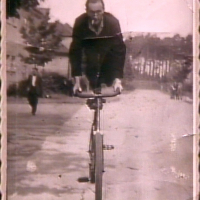
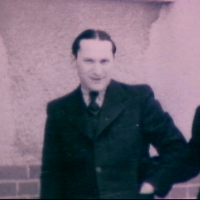
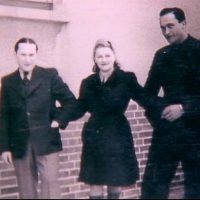
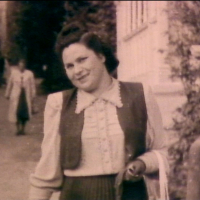
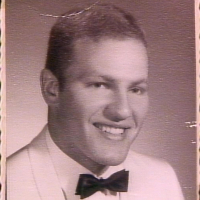
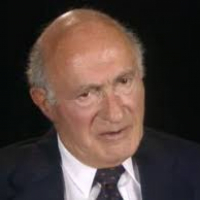
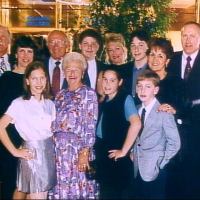
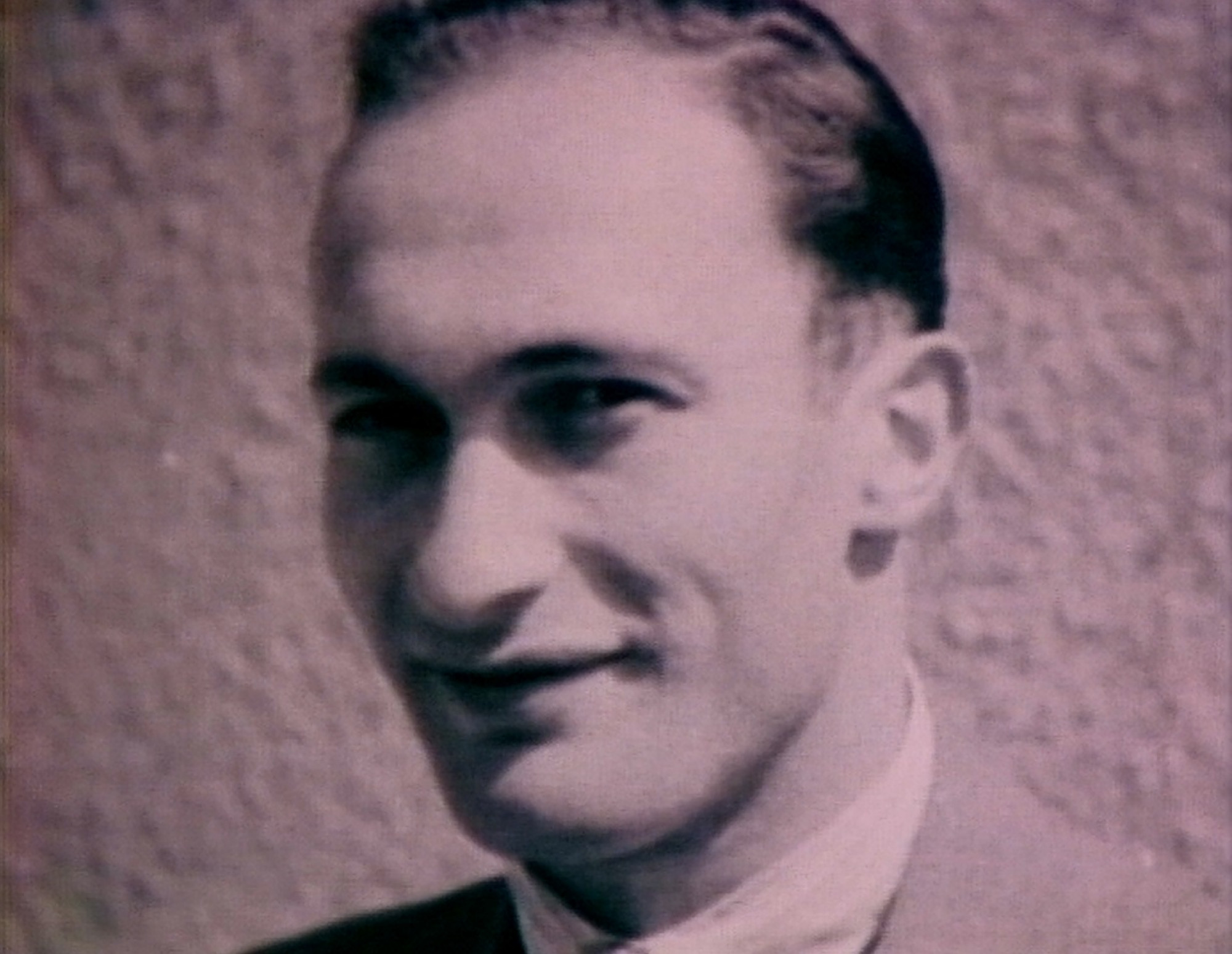
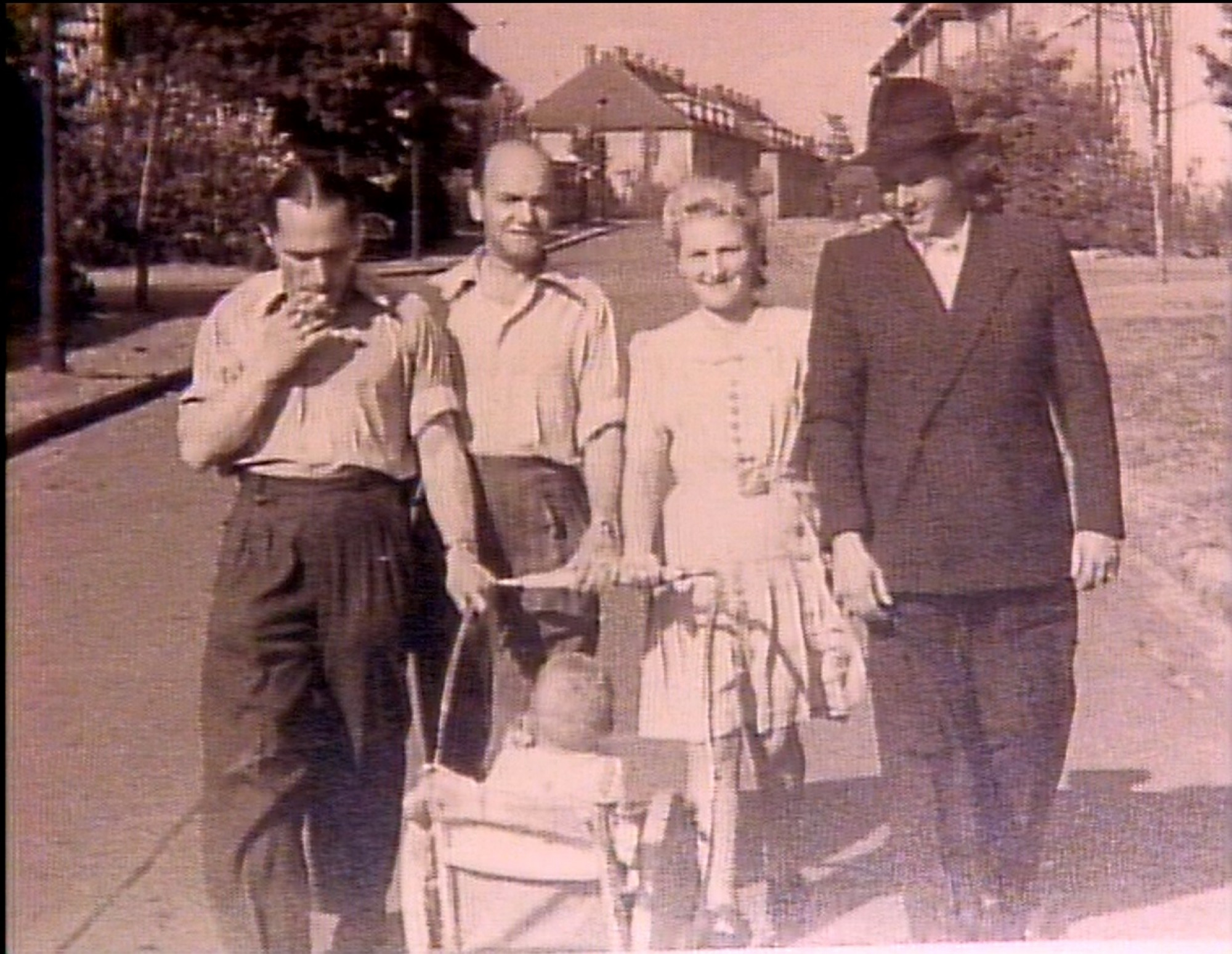
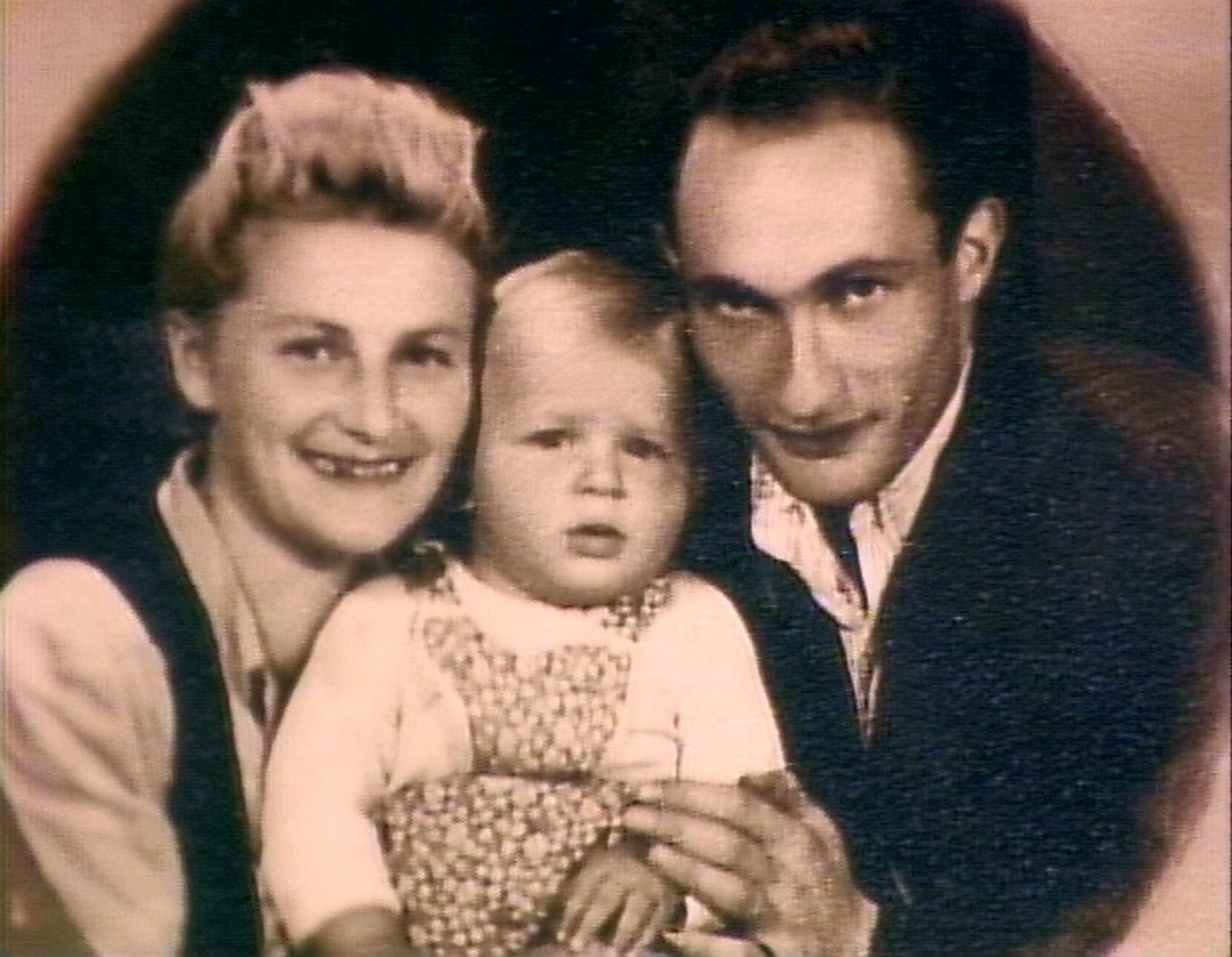
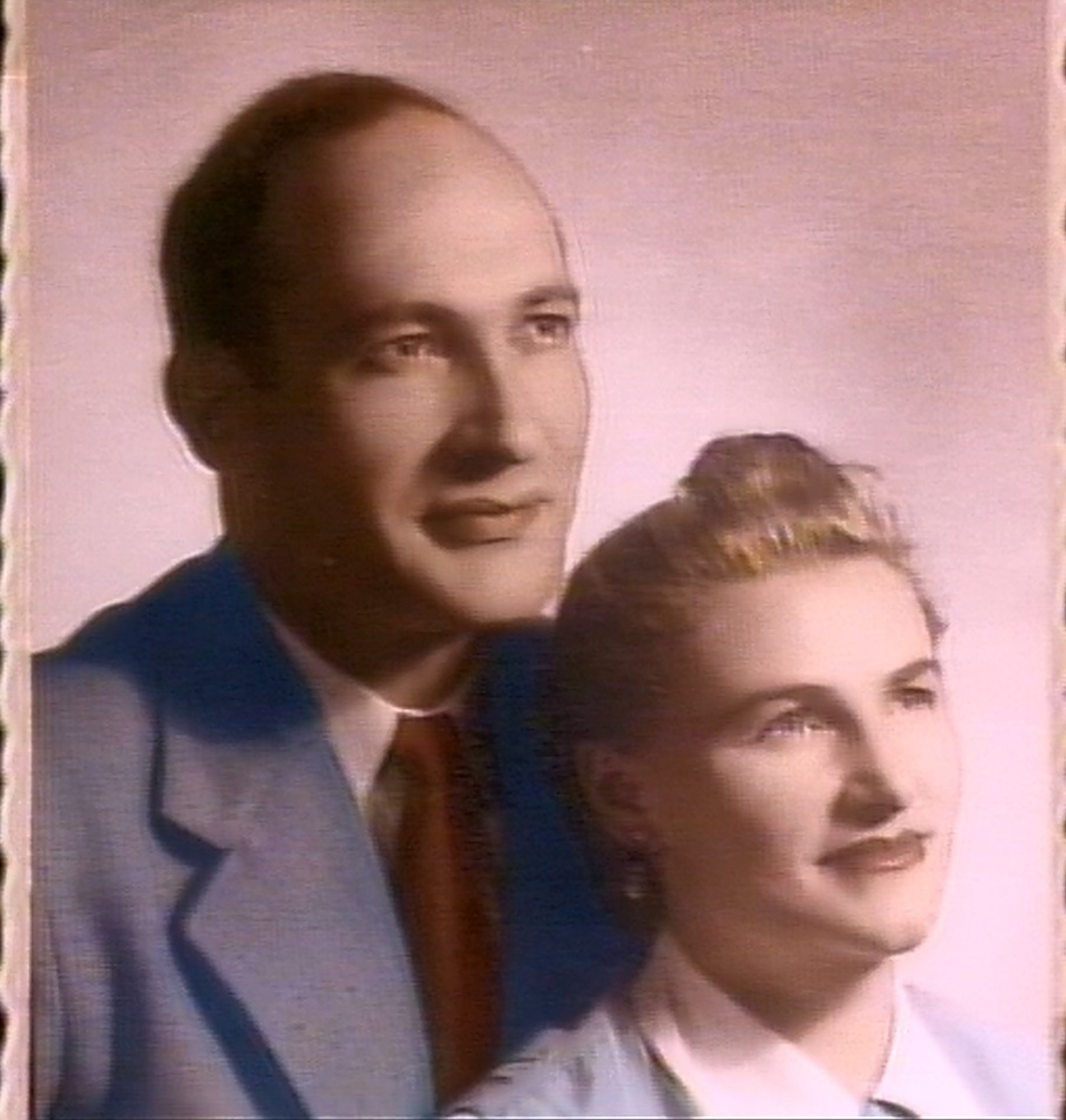
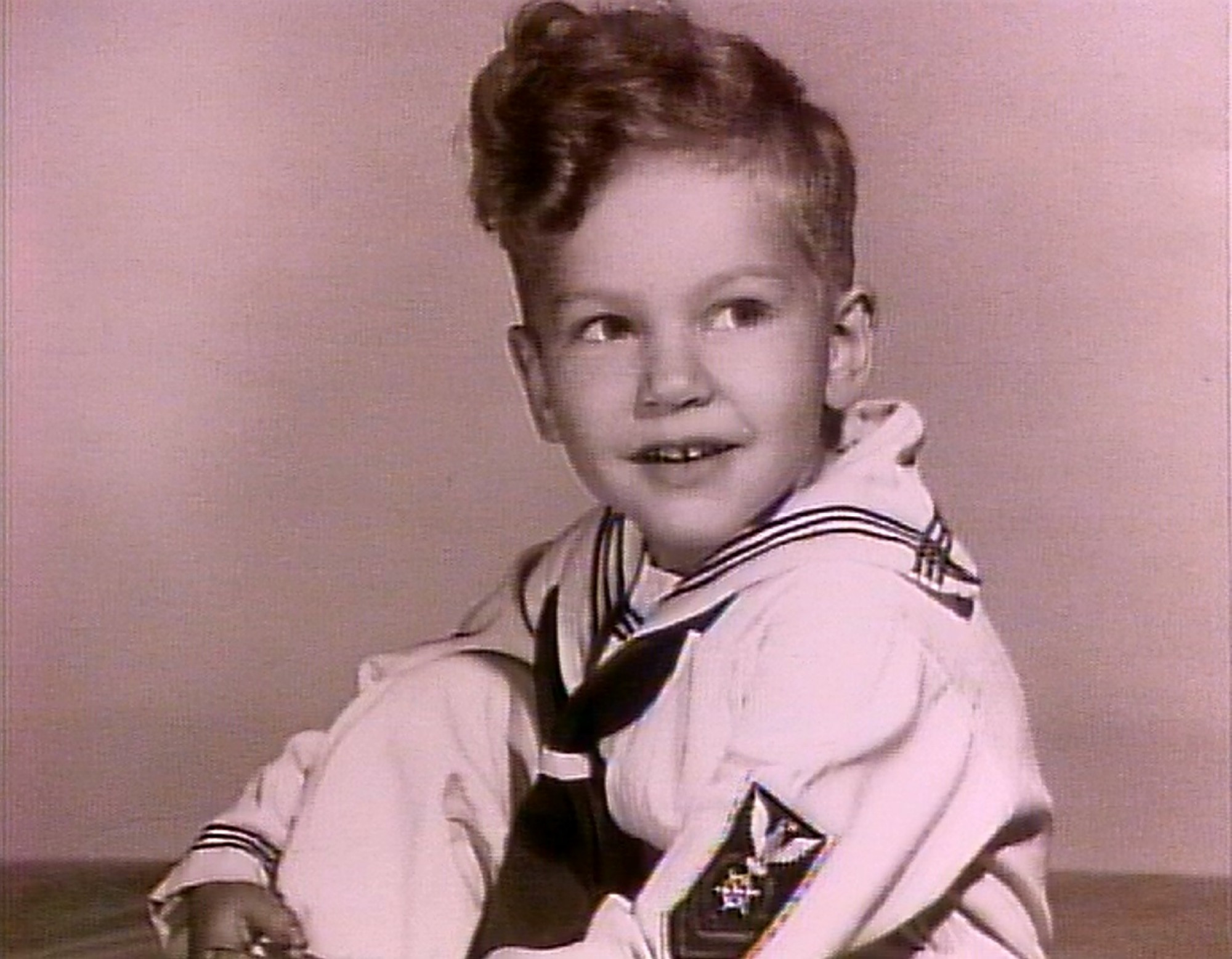
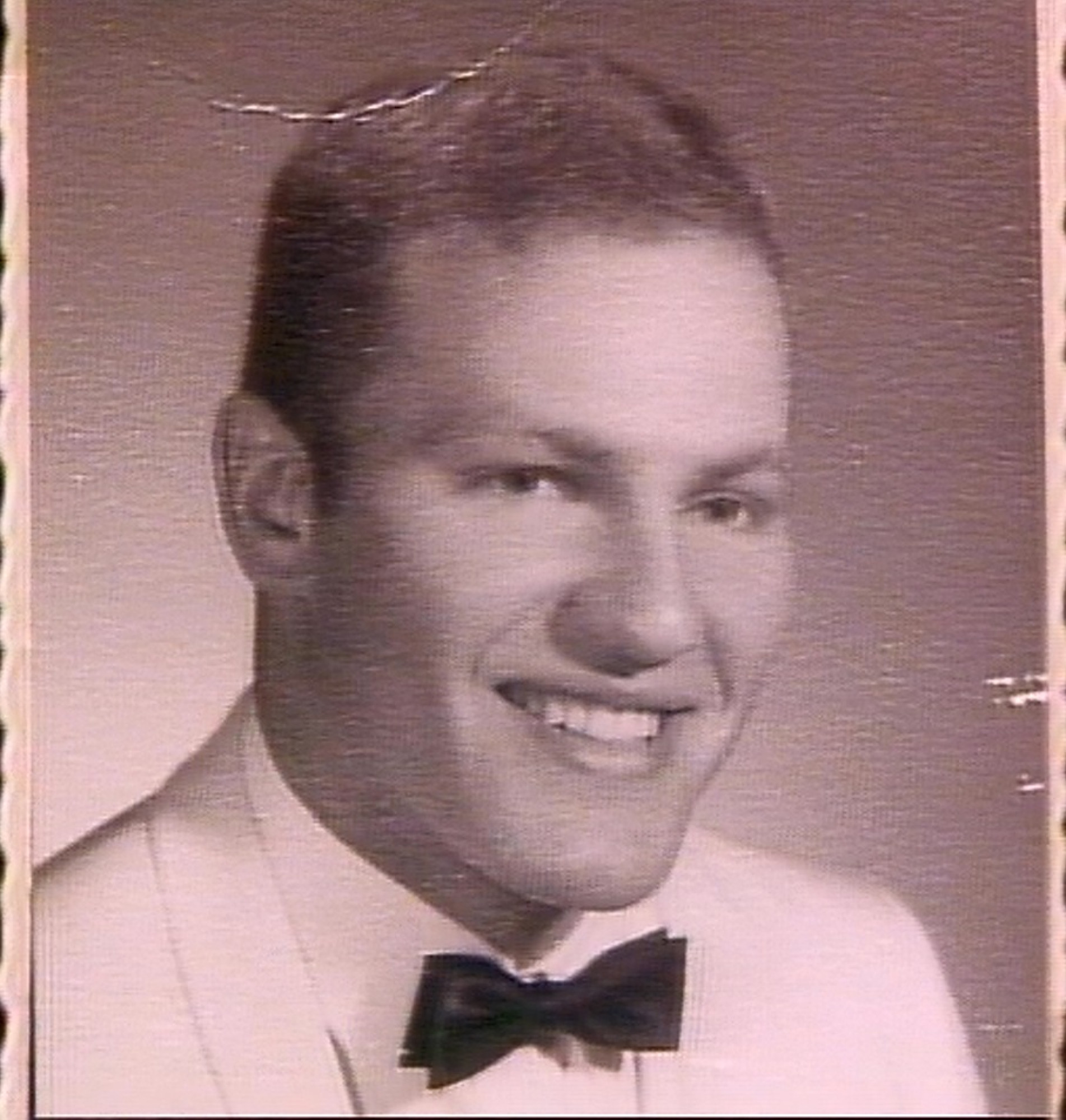
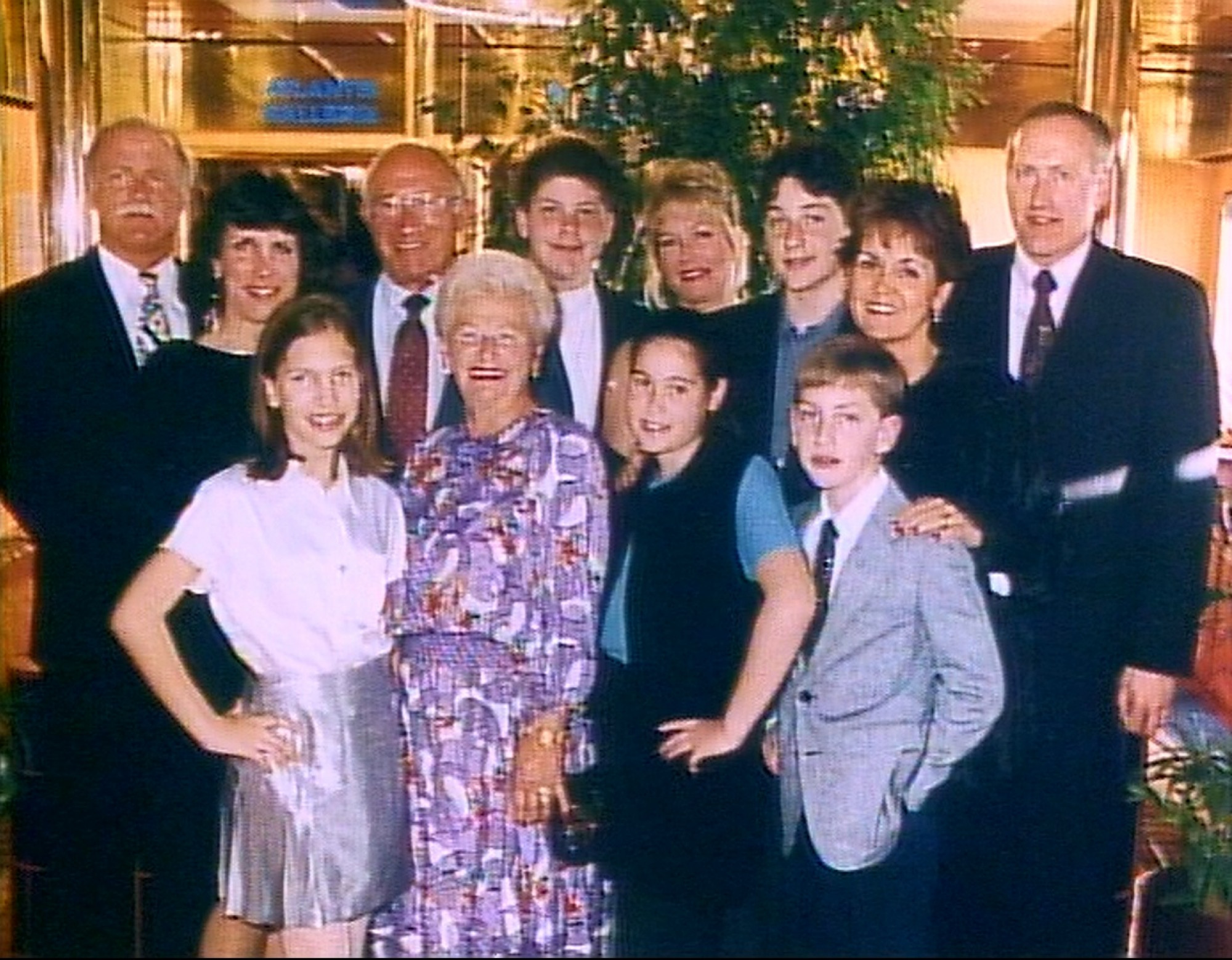

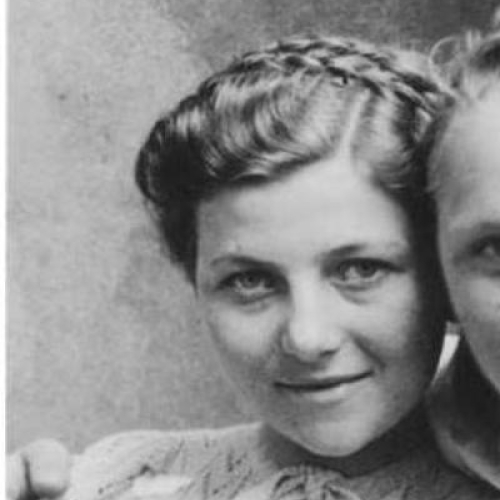
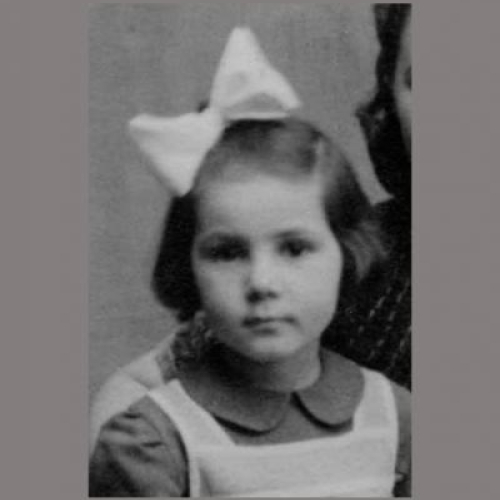
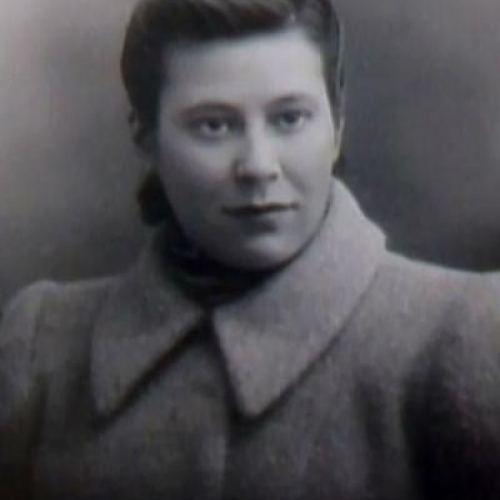
Bronka Sundstrom - Poland
-
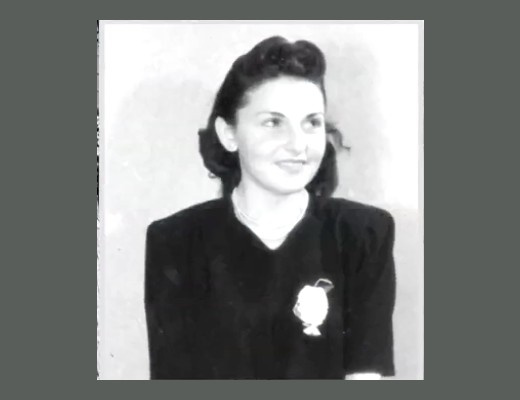
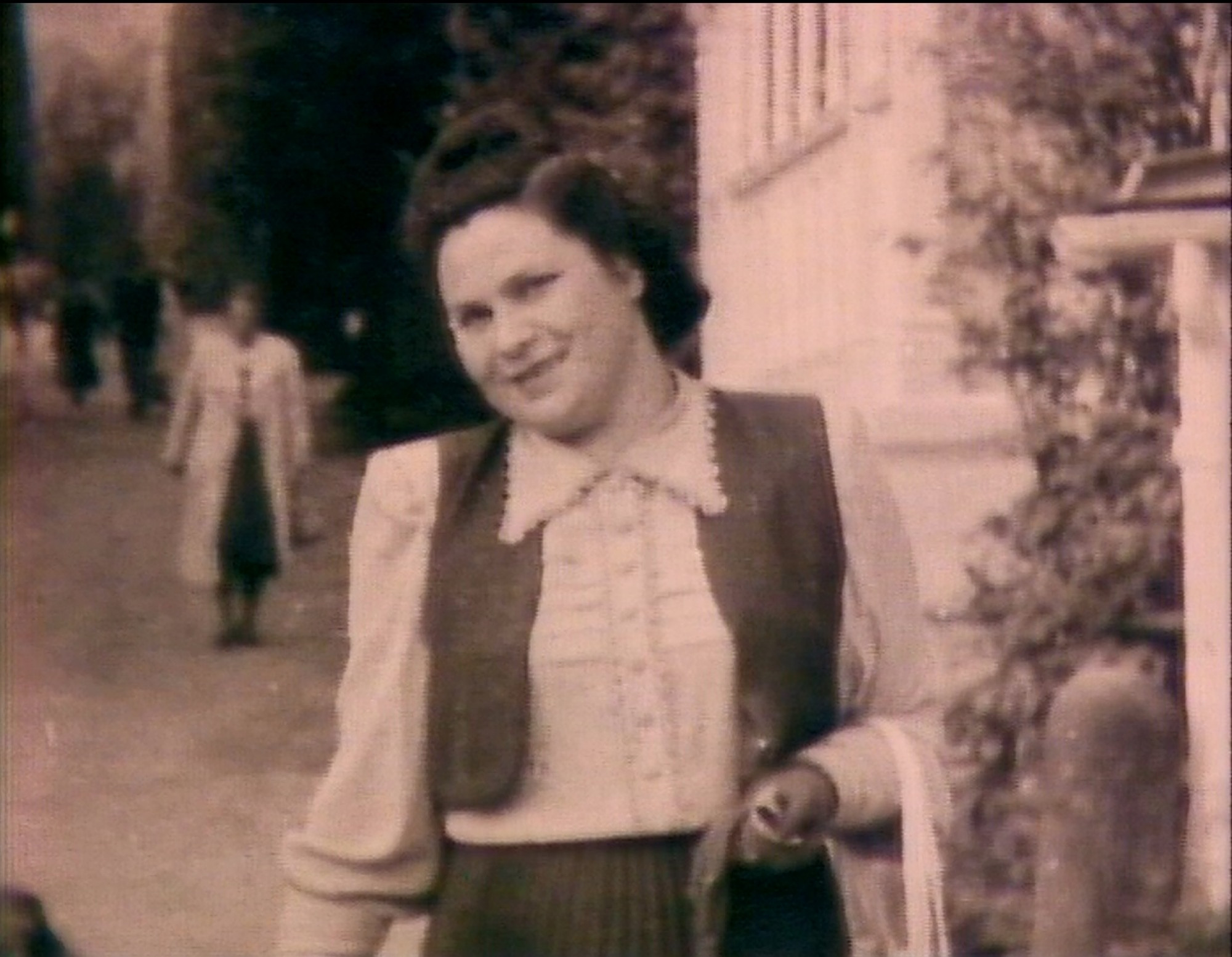
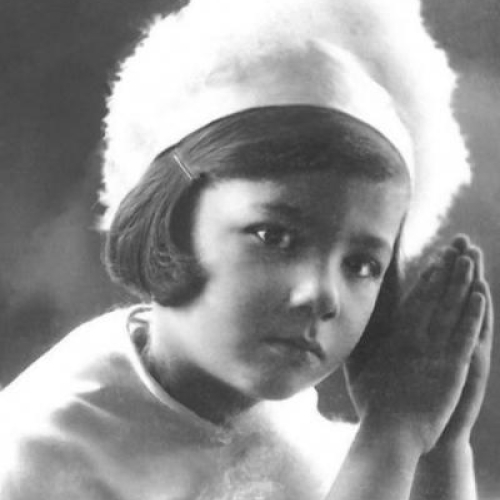
Bronka Sundstrom, circa 1946 “I saw my father marching to the gas chamber, and as he was walking he was saying 'Sh’ma Yisrael Adonai Eloheinu Adonai Ehad.' That was the last time I saw him.” - Bronka Sundstrom
Bronka (Czyzyk) Sundstrom was born on August 15, 1925 in the historic town of Sandomierz, Poland. She was the youngest of 9 children. When she was in third grade her family moved to Lodz, Poland. Although she was Jewish, she attended a Catholic school. Bronka was in seventh grade when Nazi Germany invaded Poland in 1939. The Nazis rapidly began to implement laws restricting the rights of Jewish people, eventually forcing them to leave their homes and move into designated areas. Lodz, where Bronka and her family lived, was designated a Jewish ghetto. The Nazis forced Jews from all of the surrounding areas into this small town, which quickly became overcrowded, and disease and starvation were rampant.
The Nazis forced Bronka and her family, along with thousands of Jews from the Lodz ghetto, into cattle cars and sent them to Auschwitz, a slave labor camp and death camp. When they arrived, Bronka was stripped of her clothes and her identity, forced to work and given almost no food. Bronka watched as her father was sent to the gas chamber. After 5 days, the Nazis sent Bronka by train to the city of Bremen in Germany, where she was forced to work doing construction. From Bremen she was transferred on foot to another camp, Bergen Belsen.
British troops arrived at Bergen Belsen in April of 1945. There were 60,000 starving and ill prisoners there - one of them was Bronka. The British picked her up and took her to a hospital. When she woke up, she could swear she was in heaven because she had a clean bed and a clean shirt. Bronka and a sister who fled to Russia were the only survivors of the family.
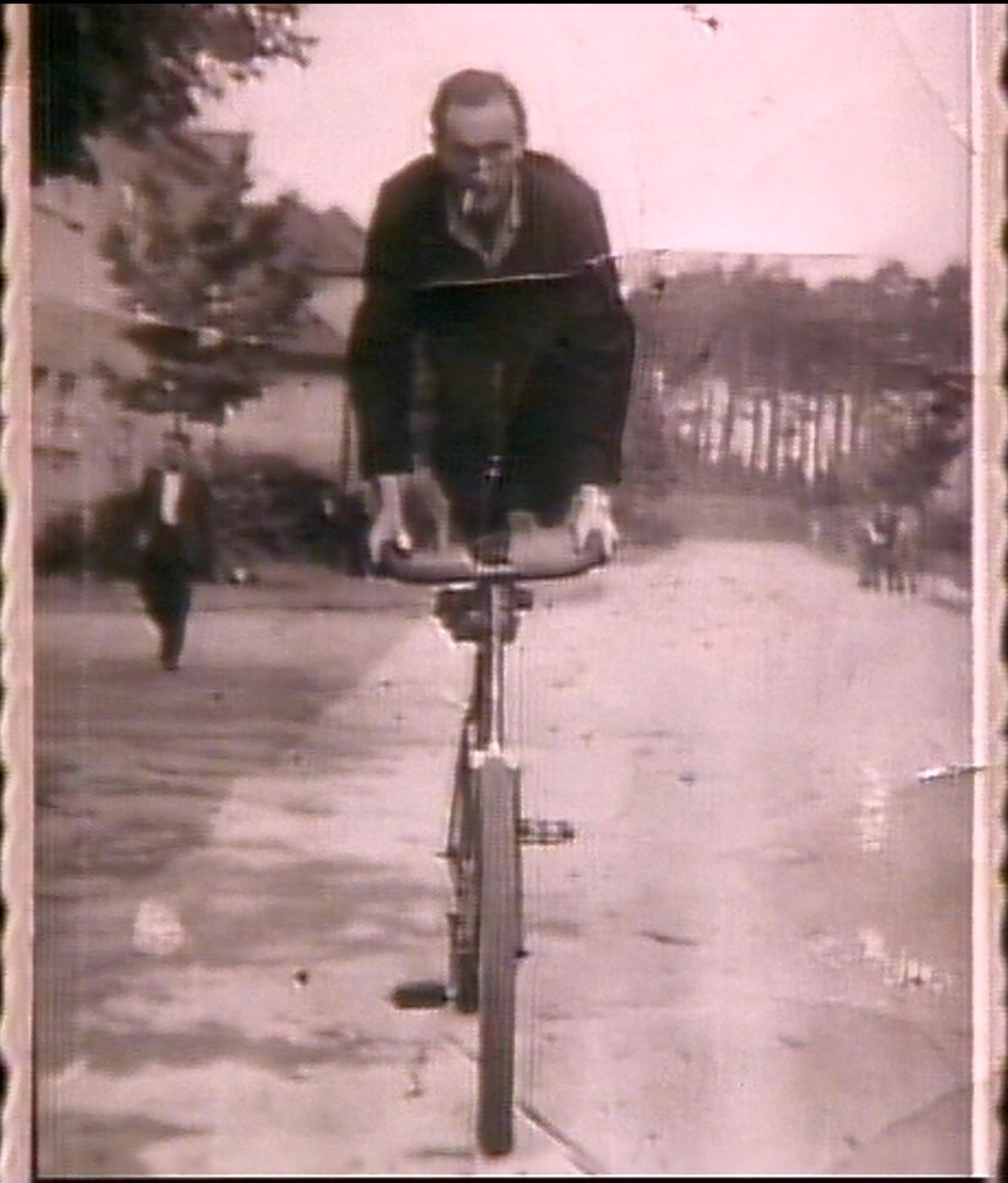
After the war the Red Cross took her to Sweden to recover and regain her health. While there, she met her husband Ake Sundstrom. She described him as her rock. He taught her almost everything: to cook, ride a bike, drive a car and ski. He made her first pair of downhill skis by hand.
They emigrated to the United States in 1948. They lived with their son Allen in a cabin in Tacoma, WA, and became the oldest climbers of Mount Rainier. Ake and Bronka enjoyed a wonderful life and retirement together.
Ake, Bronka's husband of 64 years, passed away on May 31, 2010. Bronka and Ake's only child, Allen, died of cancer shortly after Ake died.
Bronka hiked over fifty times to Camp Muir on Mt. Rainier in one season with her beloved husband. At age 91 in 2016 she hiked unassisted from Paradise to Camp Muir and back. (Camp Muir is an 8-10 hour climb at an elevation of over 10,000 feet.)
“If it weren’t for the mountains, I wouldn’t be the person I am today. The mountains teach us of independence, strength, confidence and beauty.”
Bronka passed away Wednesday November 29, 2023 and is survived by her two grandchildren and her daughter in law
1925-2023
- More About This Survivor:
Full Testimony - Bronka Sundstrom (2020, 3:52:31)
Beyond the Summit, Bronka Sundstrom's Story (12:56)
Lady of the Mountain (6:49) "Outdoor Research" 2015
Recollections of the 88 old Holocaust survivor (2013, 13:55)
Bronka dies at 98 "The Today Show" November 2023
-


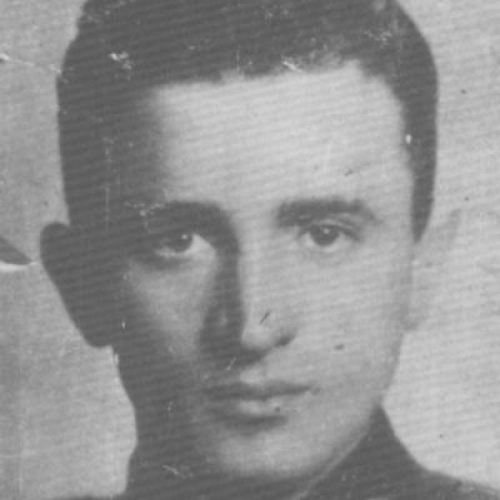
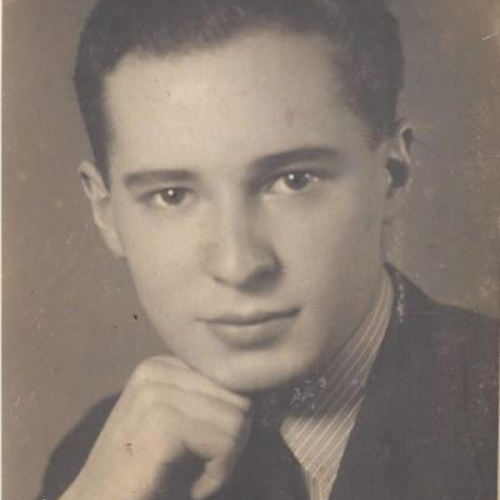
Maria "Marika" Frank Abrams - Hungary
-
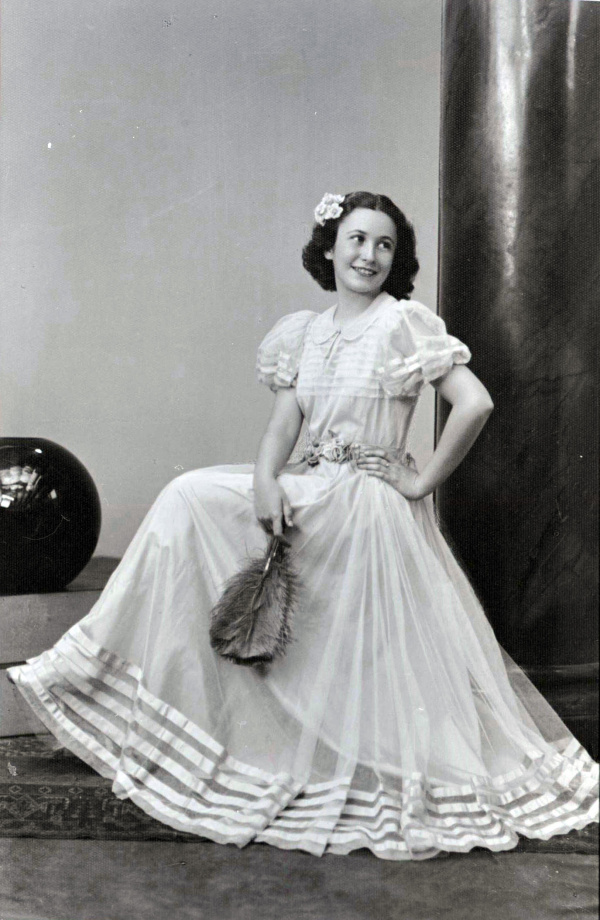
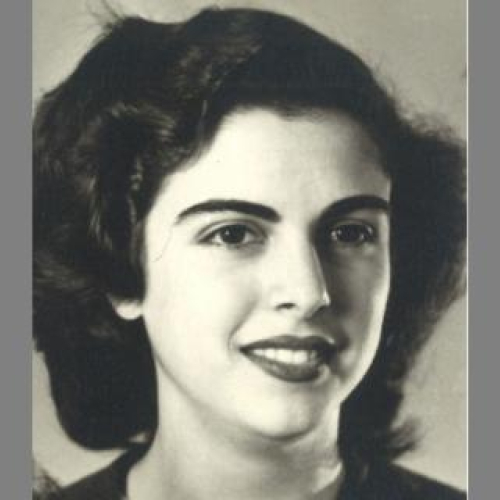
“We were forced into the third transport. There were about 86 people in one cattle car. After three days and nights, we arrived at Auschwitz. People talk about the noise, but I remember the silence.” - Maria “Marika” Frank Abrams
Maria Frank Abrams was born into a large and prosperous Jewish family in Debrecen, Hungary on July 21, 1925. Maria spent her childhood summers at a country villa and enjoyed social activities with Jewish and non-Jewish friends. But in the 1930s, as Hungary became increasingly antisemitic, her experiences as a teenager would be sharply different.
“When I was 14, our lives began to change. In 1938, the government passed the first of many laws severely restricting the liberties of Jews. We were reluctant to accept the true meaning of these laws, which meant that we were not considered Hungarians. I guess we lived in a dream.”
When the Nazis invaded in 1944, Maria, already an artist, was just 20 years old. The Nazis and their collaborators forced Maria and her family, along with the Jewish population into a ghetto. They were then forcibly moved in cattle cars to Auschwitz-Birkenau, a death camp in Poland.
Maria continued to sketch while imprisoned inside the concentration camps whenever she was able to get her hands on paper and stubs of pencils.
She contracted scarlet fever in August 1944 and in a twist of fate was put into hospital barracks, rather than killed. She recovered after six weeks. “Much later I met a woman, and she said a week after I left, all the patients were gassed.”
Maria was deported with hundreds of other women to Bergen-Belsen, a work camp in northern Germany, and later, Madgeburg in central Germany. In the first two months of 1945, 752 tons of bombs fell on Magdeburg. In April of 1954, she was liberated by American troops at Madgeburg, weighing only 68 pounds.
All of her friends and family were murdered in the Holocaust except for her cousin Vera. Together, they applied for scholarships in the United States and received visas to attend the University of Washington in 1947 where Maria entered the School of Art and received her BA and MA. In her long career as an artist in Seattle, she has designed sets and costumes for operas and has had shows in Kobe, Japan; Budapest, Hungary; and throughout the United States.
Maria met and married Sydney Abrams in 1948. Their son, Edward, is a civil rights lawyer in Israel.
1925-2013
- More About This Survivor:
Full Testimony - Maria Frank Abrams (1985, 34:57)
Opening at Art Center Gallery, Seattle Pacific University, December 1996 (video)
-
Naomi Krausz - Hungary
-
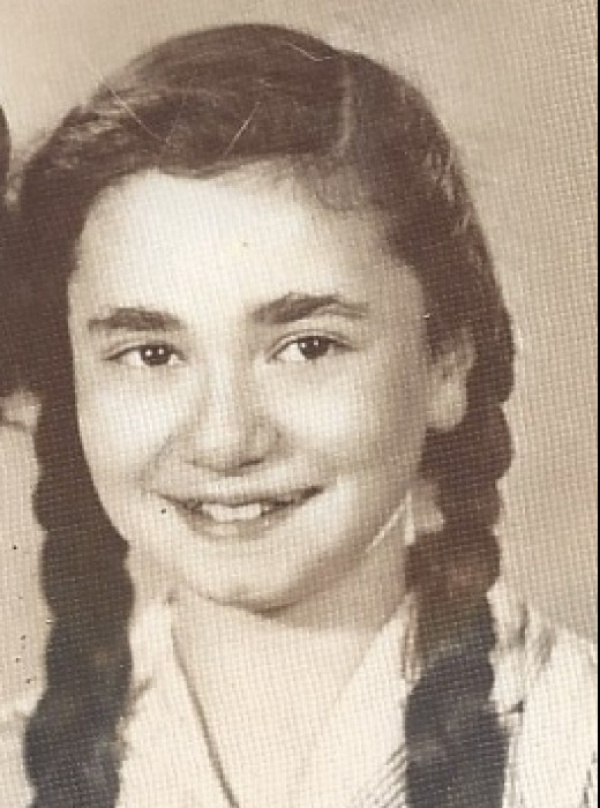
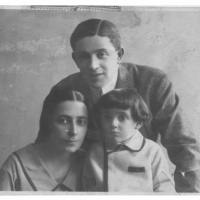
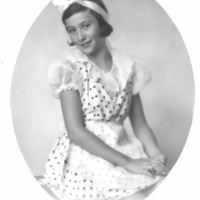
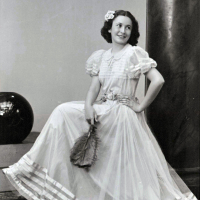
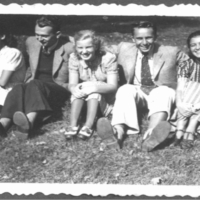
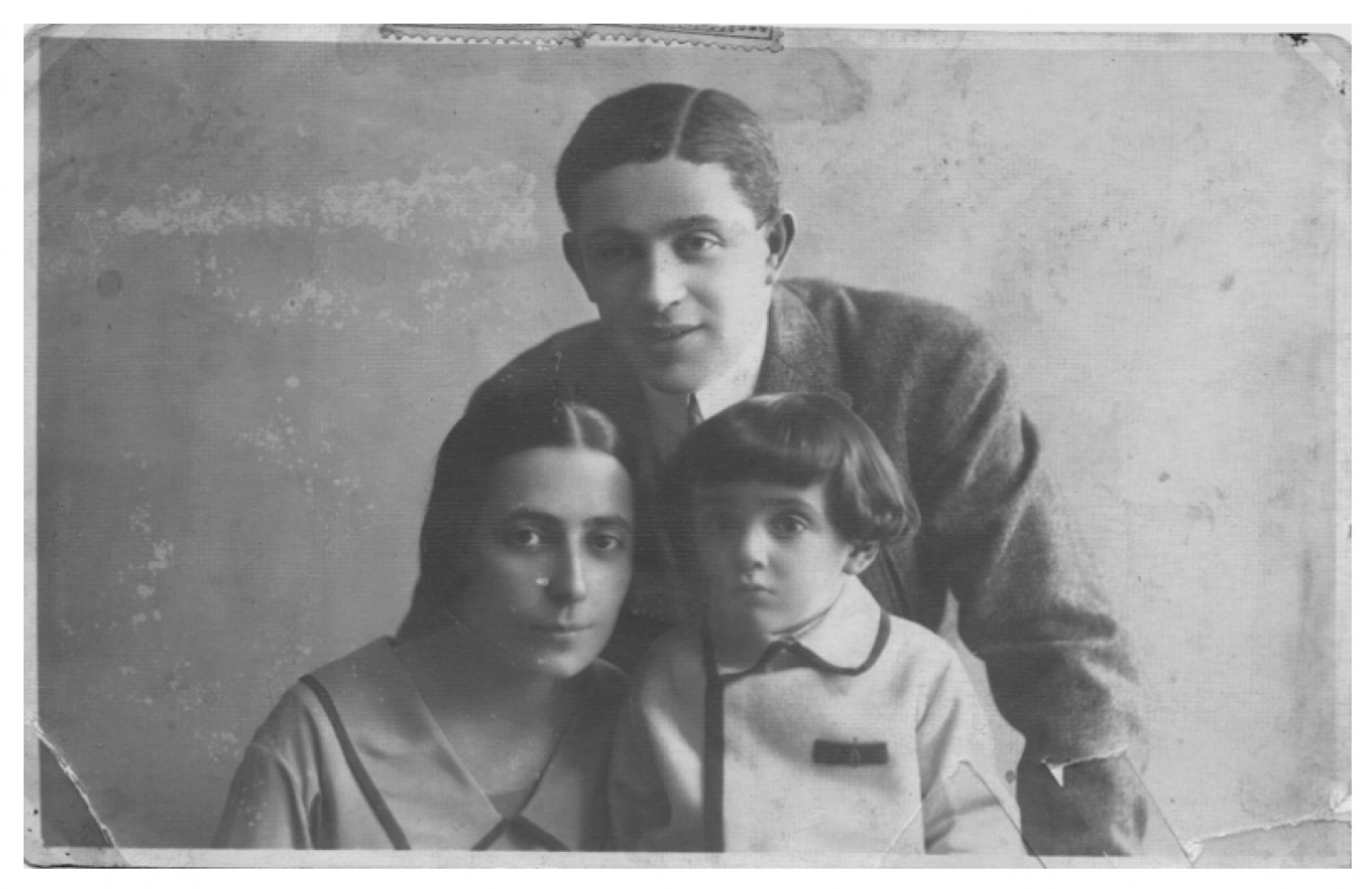
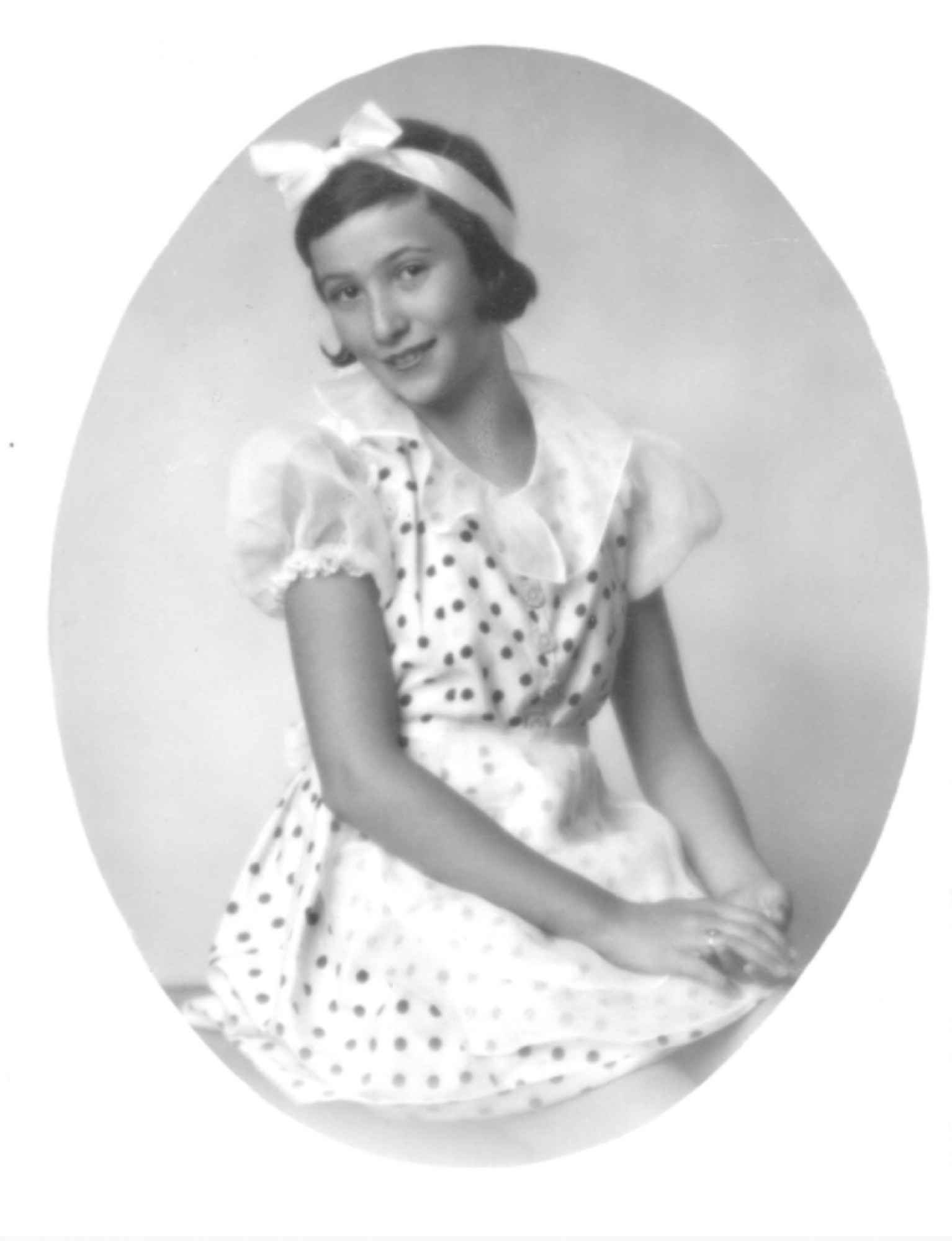
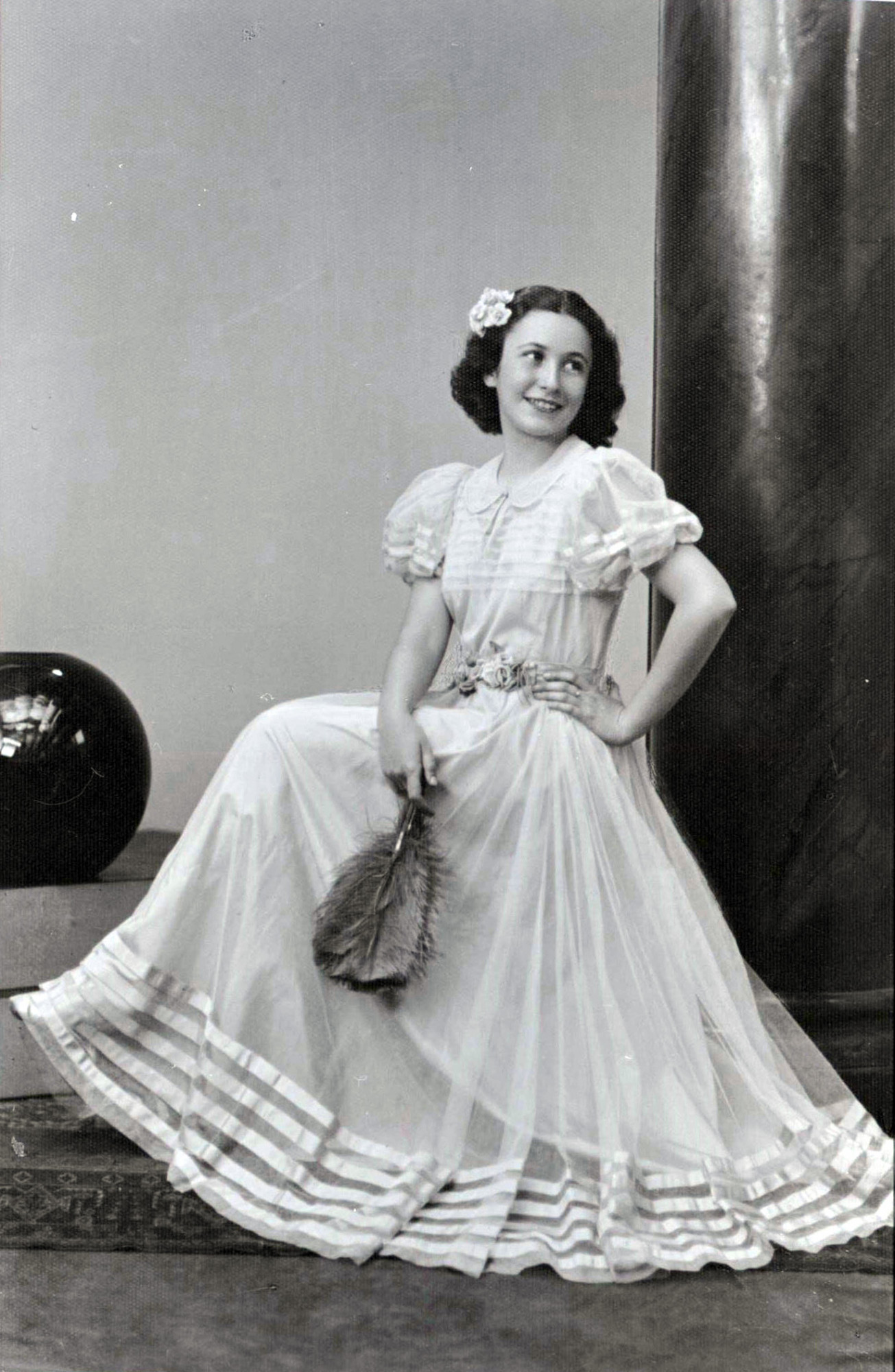
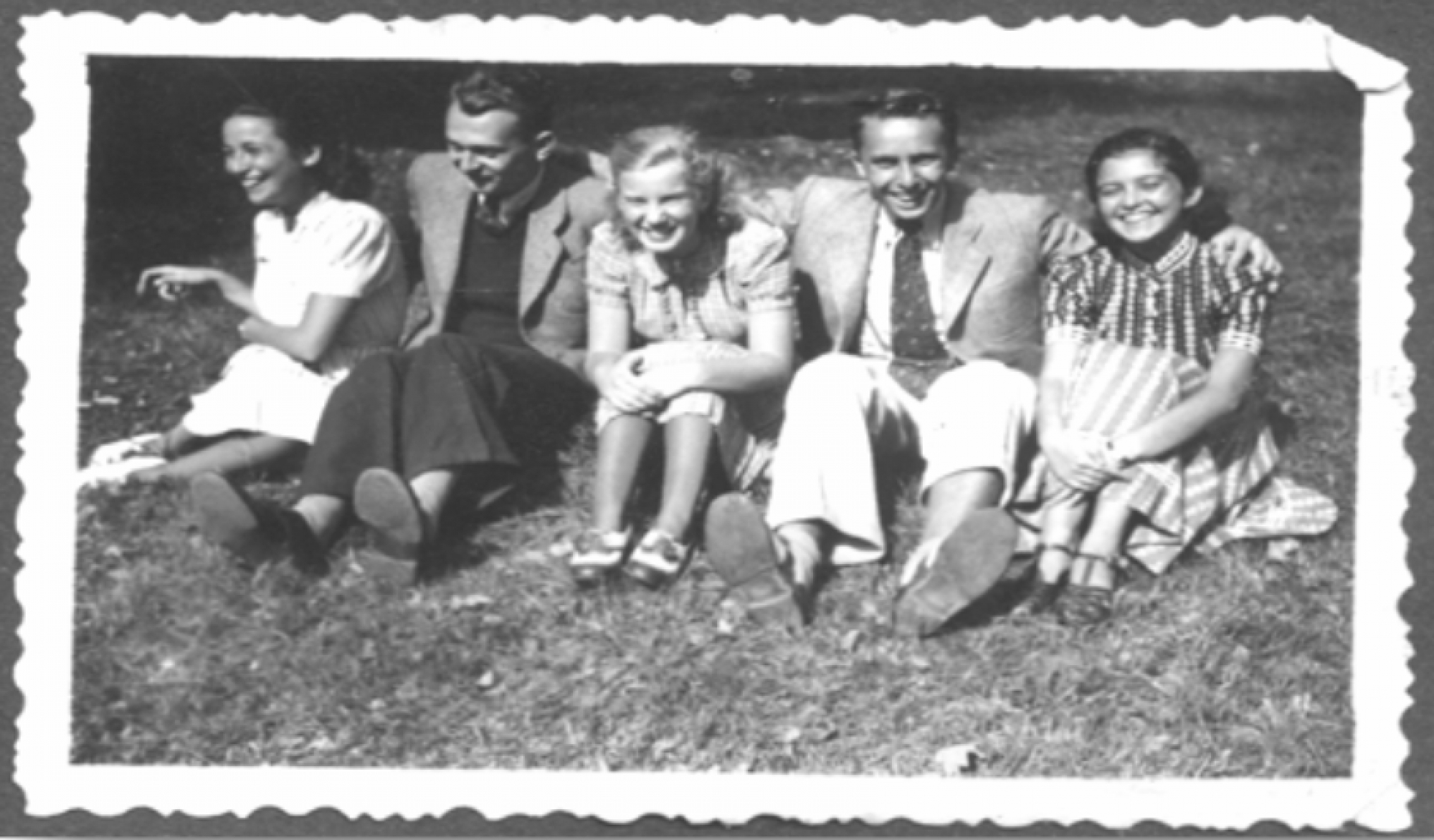
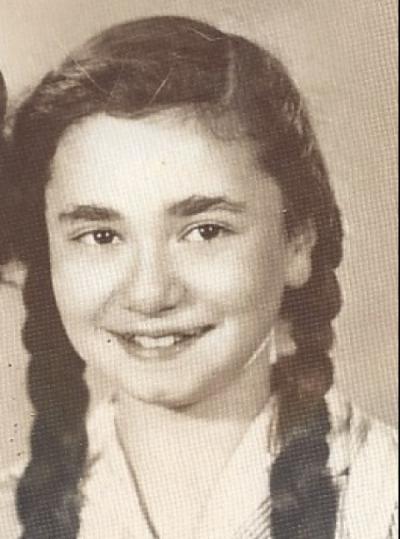
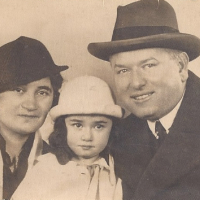
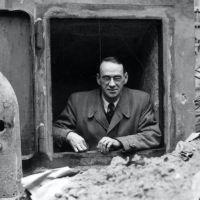
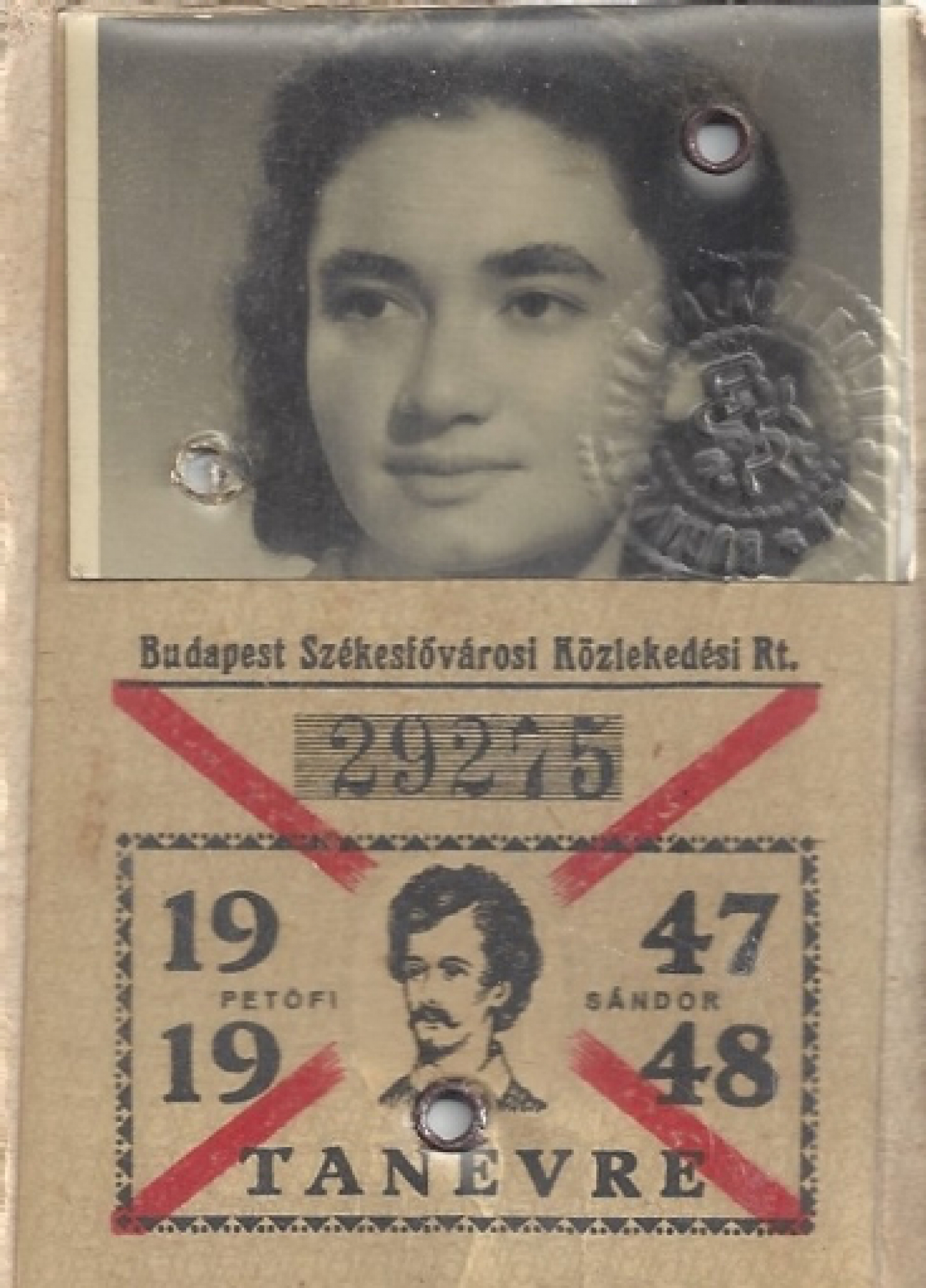
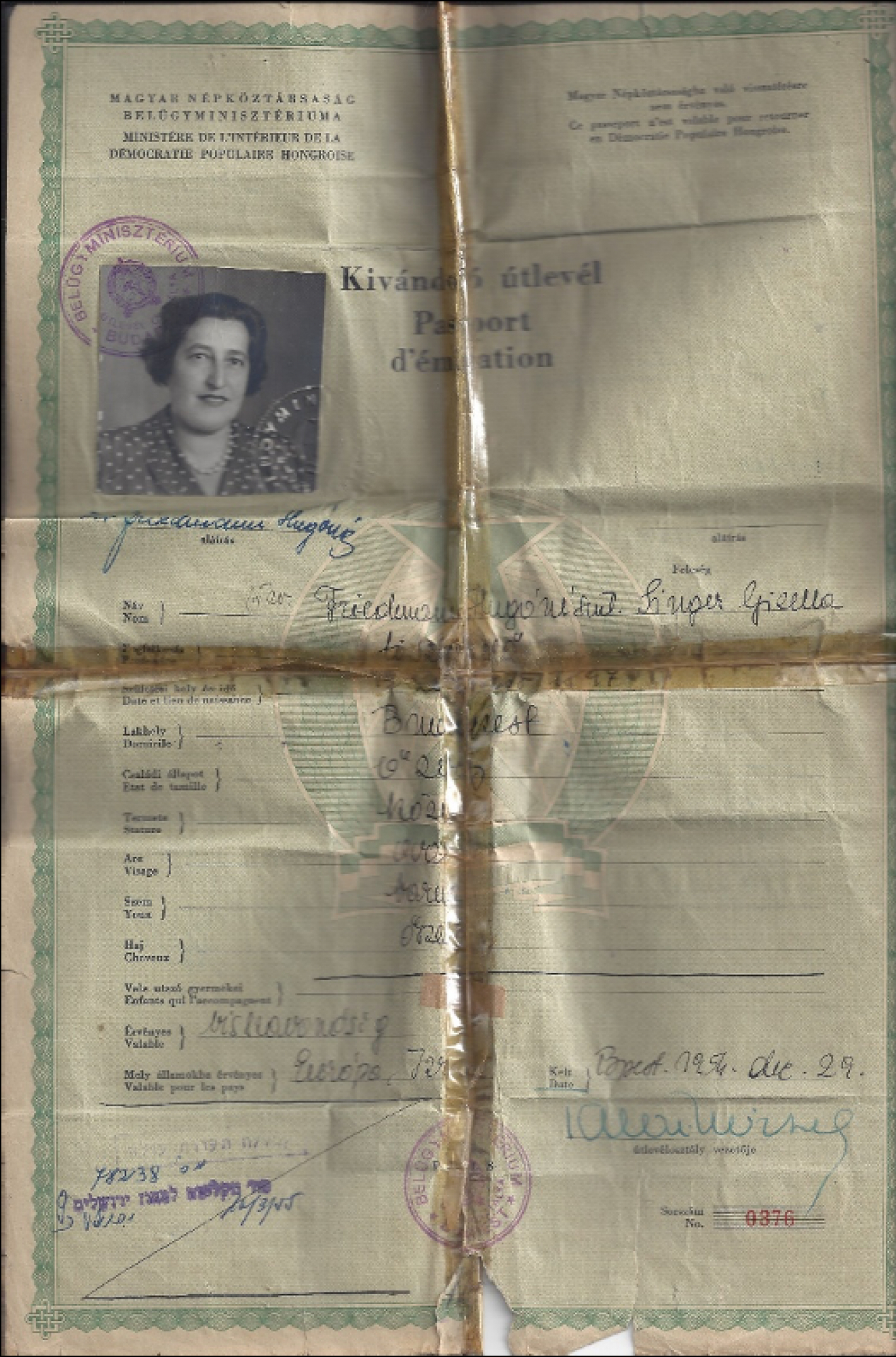
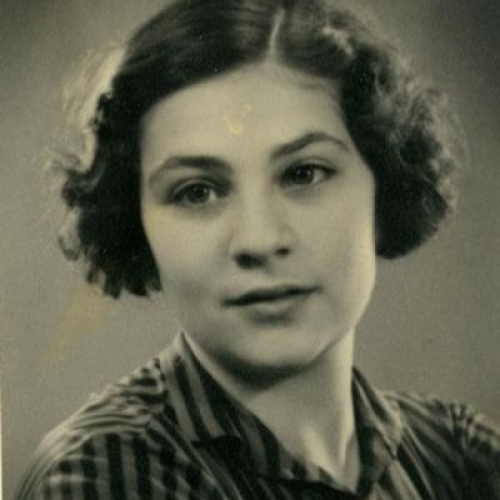
Naomi was born in 1933 in Budapest, Hungary. She was hidden in Budapest thanks to courageous non-Jewish individuals during the Holocaust, first in a Swiss “safe house,” then with a family, using the false identity of “Eva Horvat.”
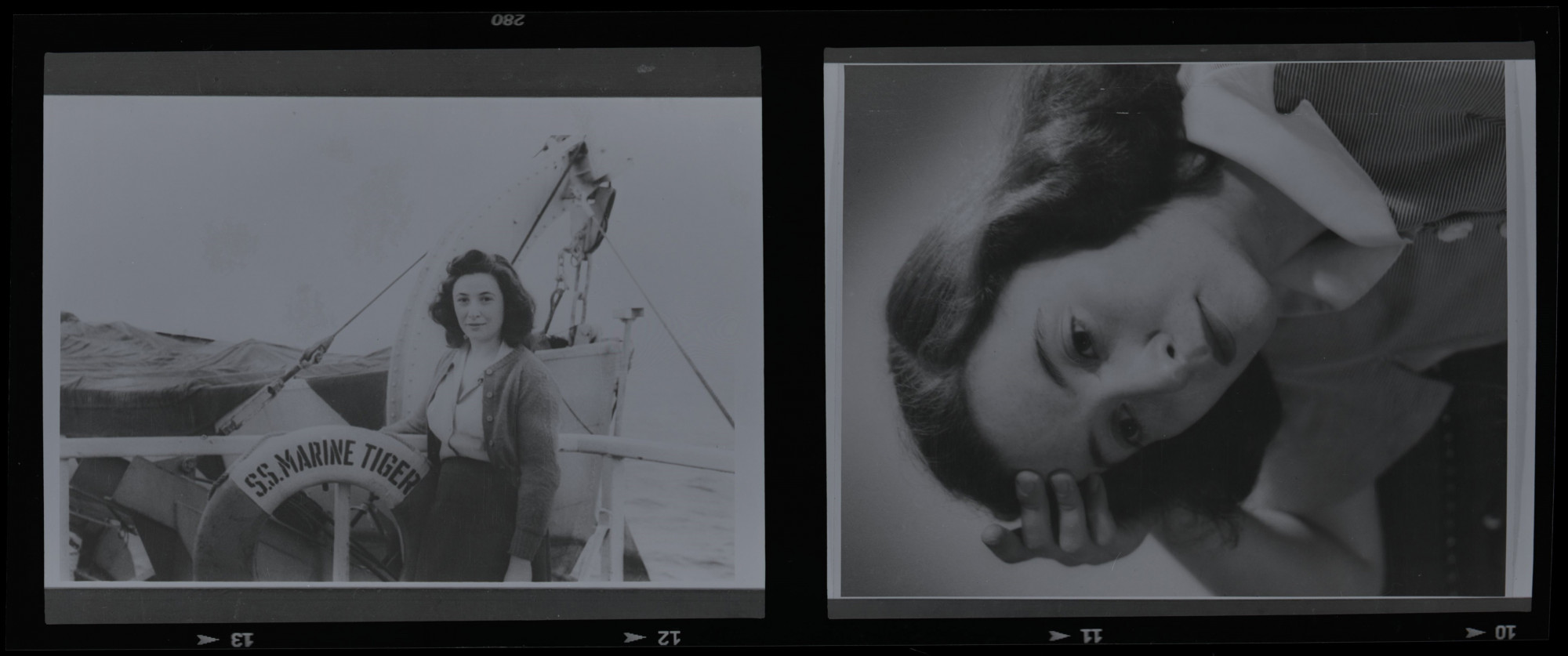
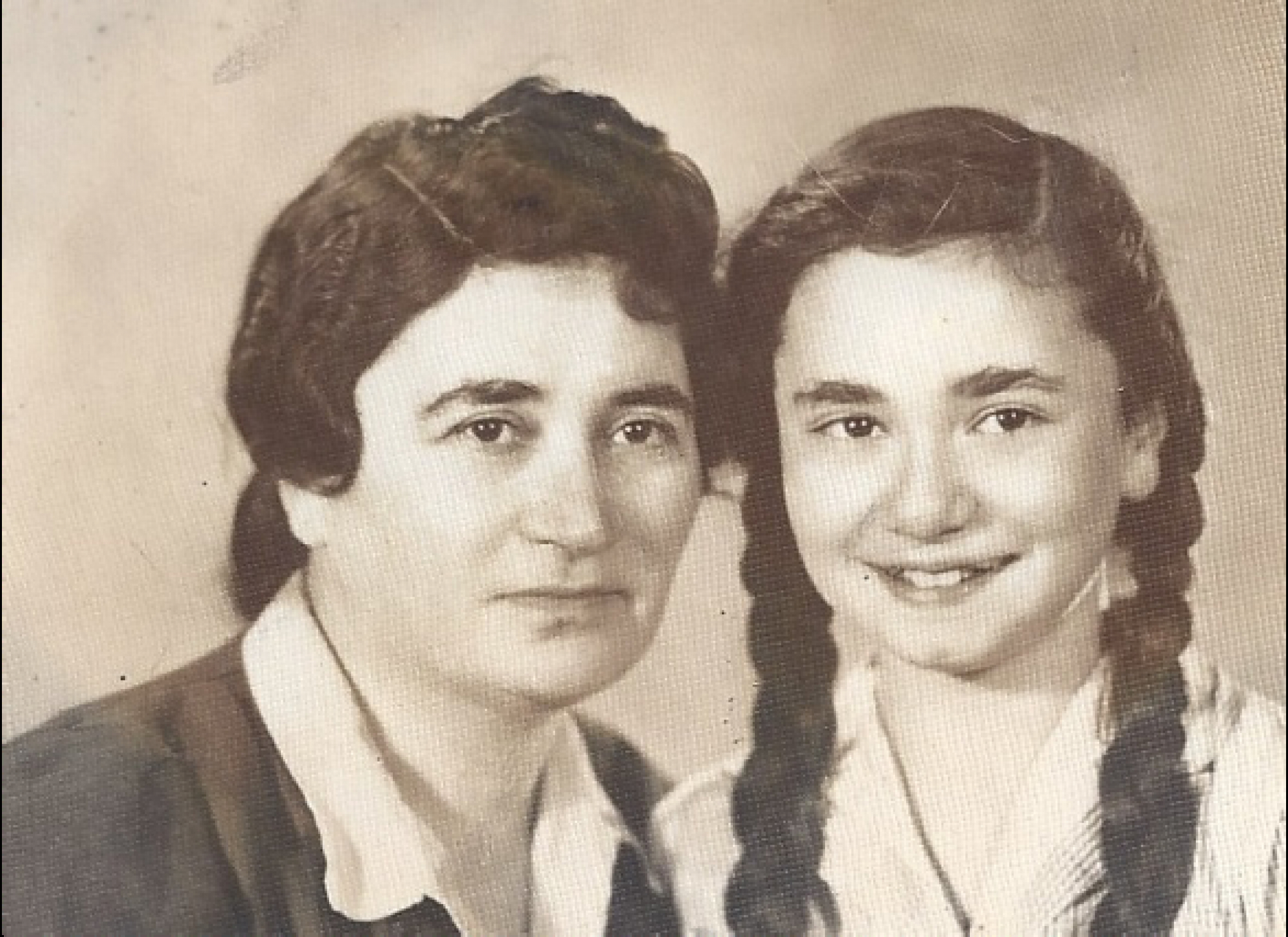
After the war, Naomi was united with her mother in Budapest and finished high school. She then escaped Hungary to Vienna and later immigrated to Israel in 1950.
Naomi met Imre Friedmann in Israel on a blind date, and they married in 1953. Naomi, as the spouse of a faculty member, could enroll for free at Hebrew University in Jerusalem. She received a PhD in biochemistry.
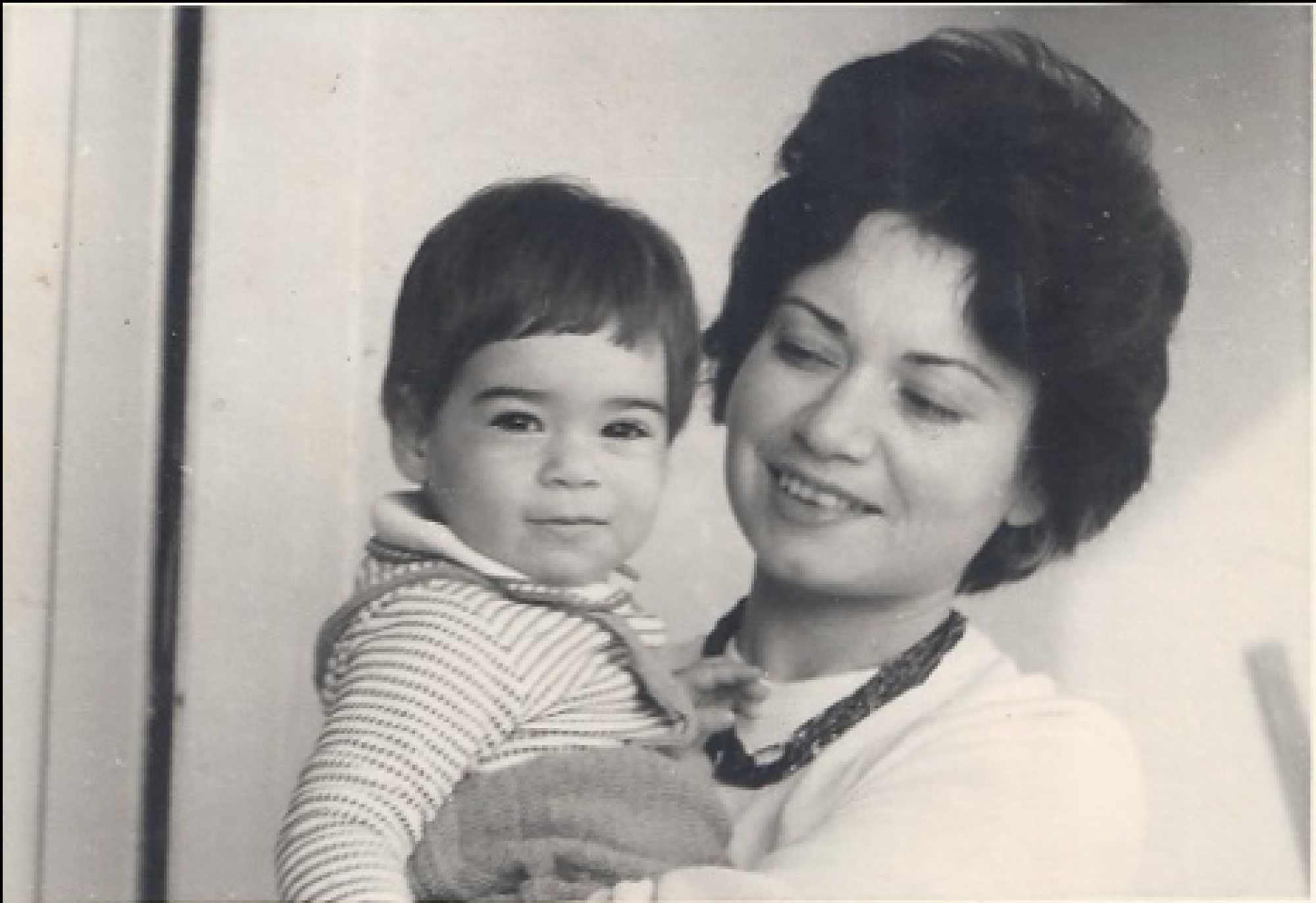
The couple immigrated to the United States with their daughter, Daphna, who was born in Israel. They divorced soon after their arrival in the US. Naomi became a well-known and respected professor at the University of Texas Medical School in Houston, TX.
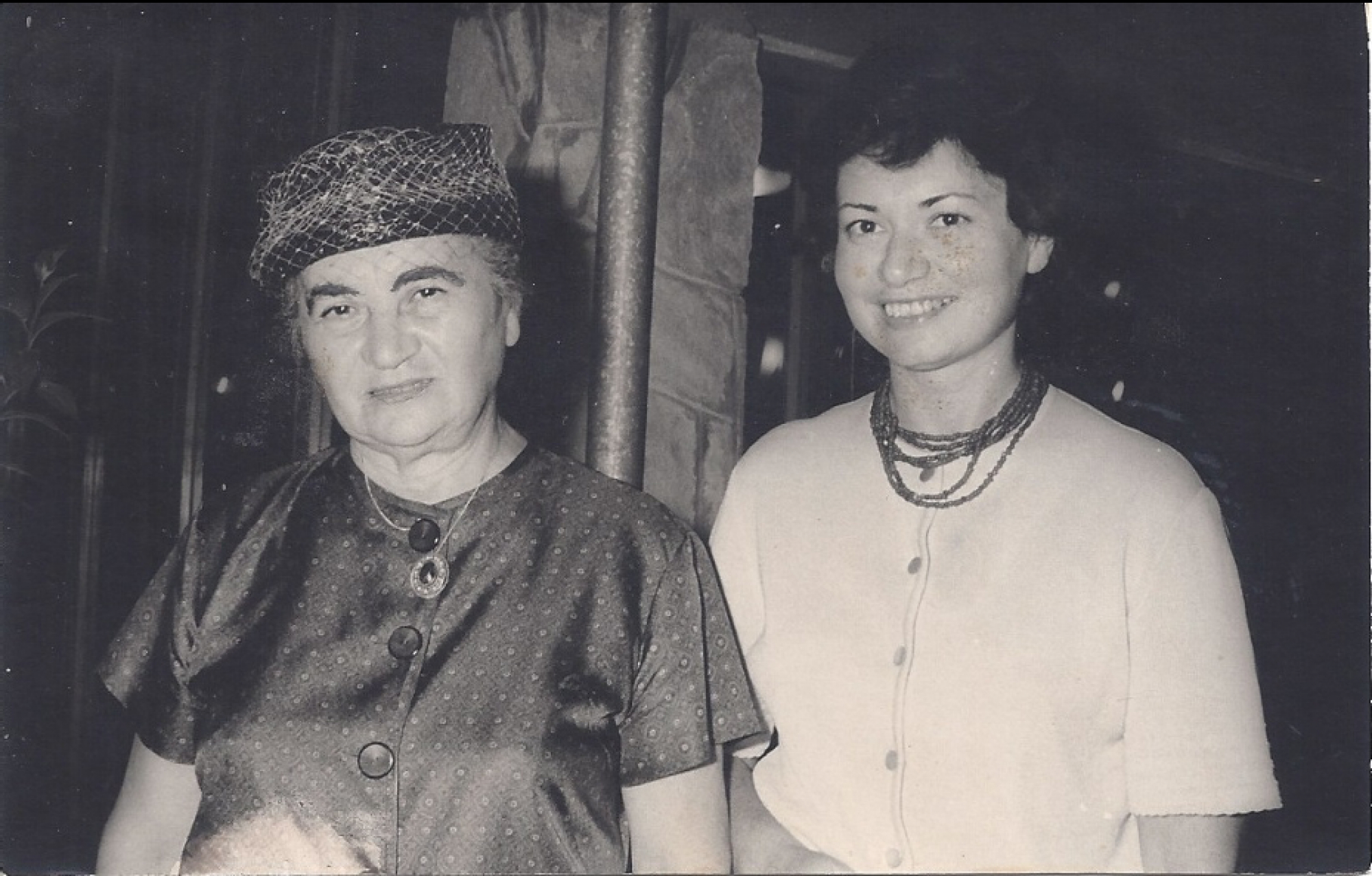
She retired in 2003 and moved to Seattle to be with her daughter. Naomi died in 2008.
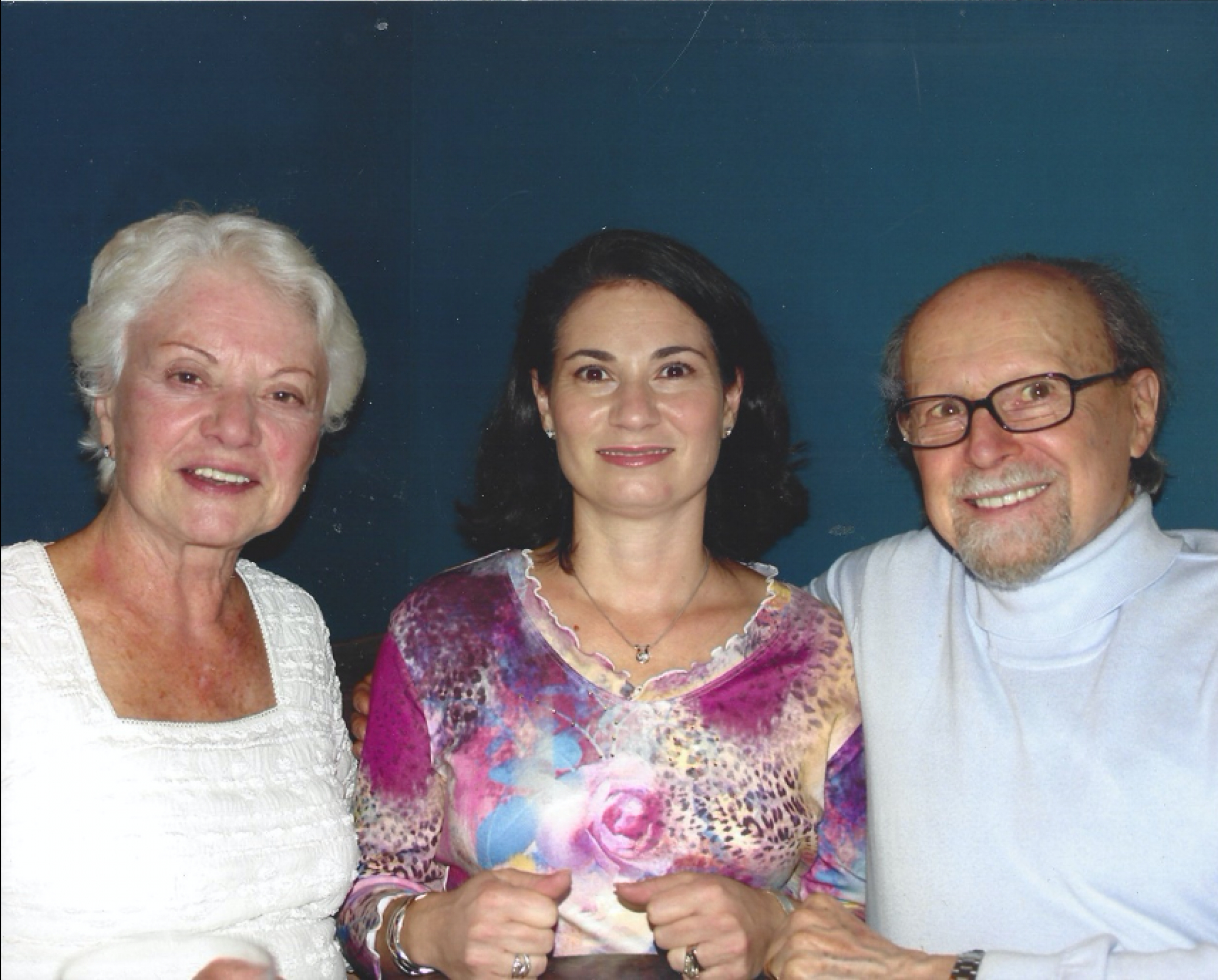
Naomi's daughter Daphna Robon, continues to tell her mother's story as a member of the Center’s Speakers Bureau.
1933-2008
-















Video testimonies, teacher resources, and the work of the Holocaust Center for Humanity are licensed under CC BY-NC-ND 4.0. To view a copy of this license, visit https://creativecommons.org/licenses/by-nc-nd/4.0/
This license requires that reusers give credit to the Holocaust Center for Humanity. It allows reusers to copy and distribute the material in any medium or format in unadapted form and for noncommercial purposes only.
