

Hannah Eulenberg - Shanghai
-
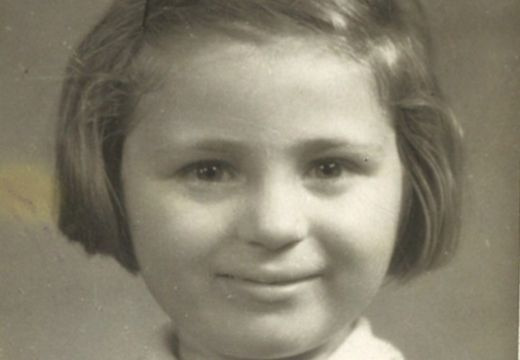
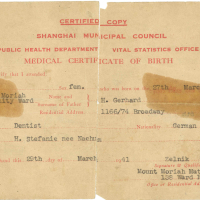
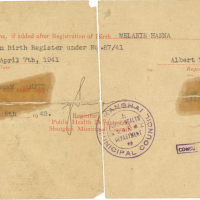
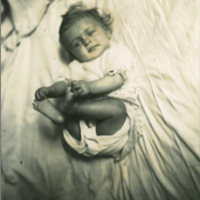
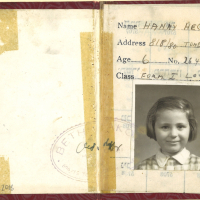
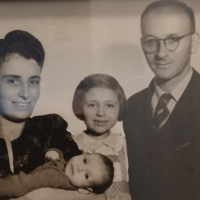
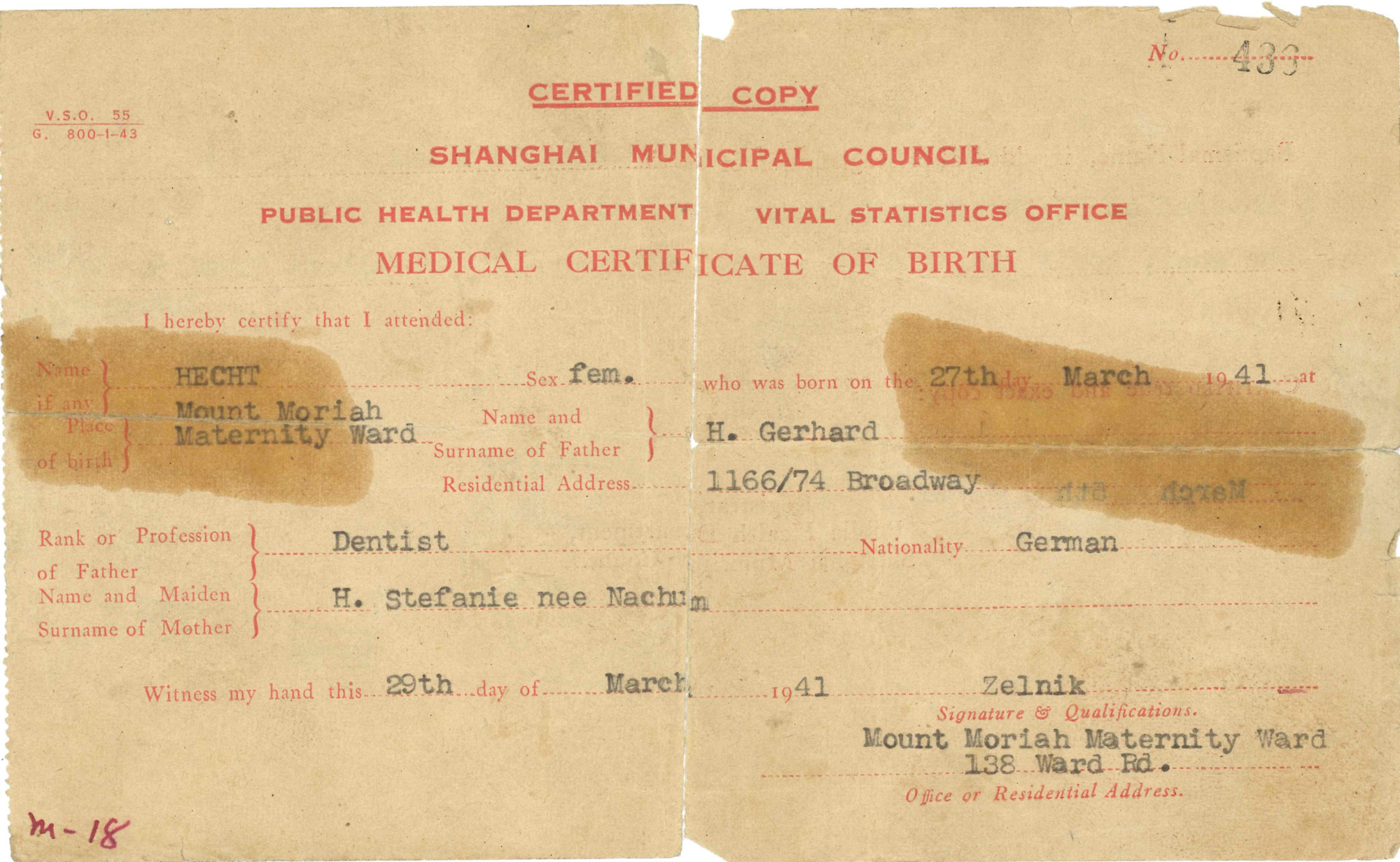
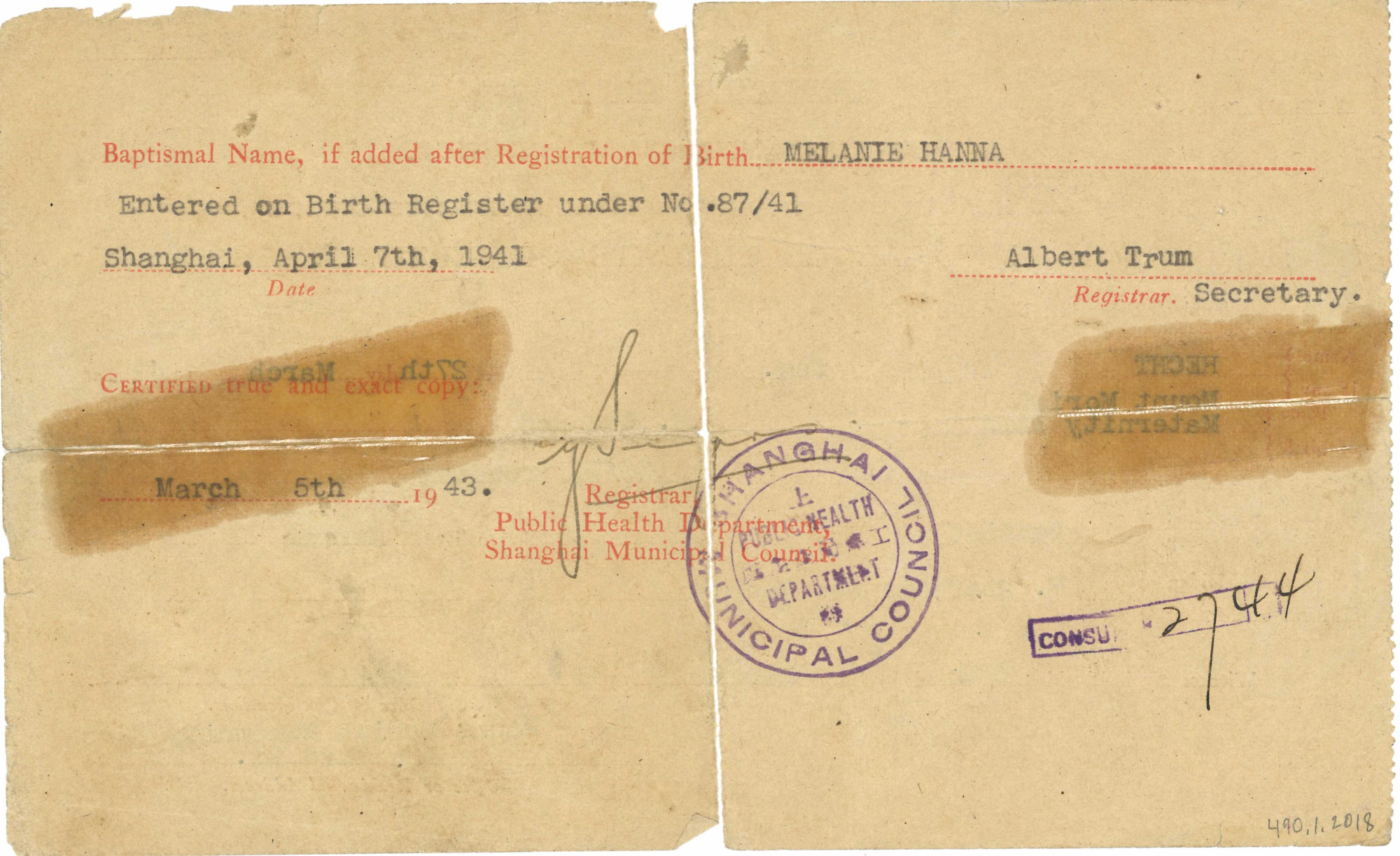
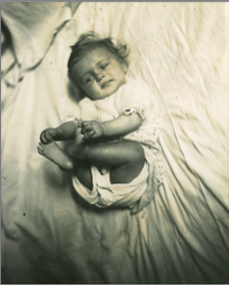
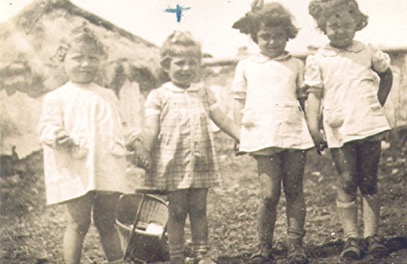
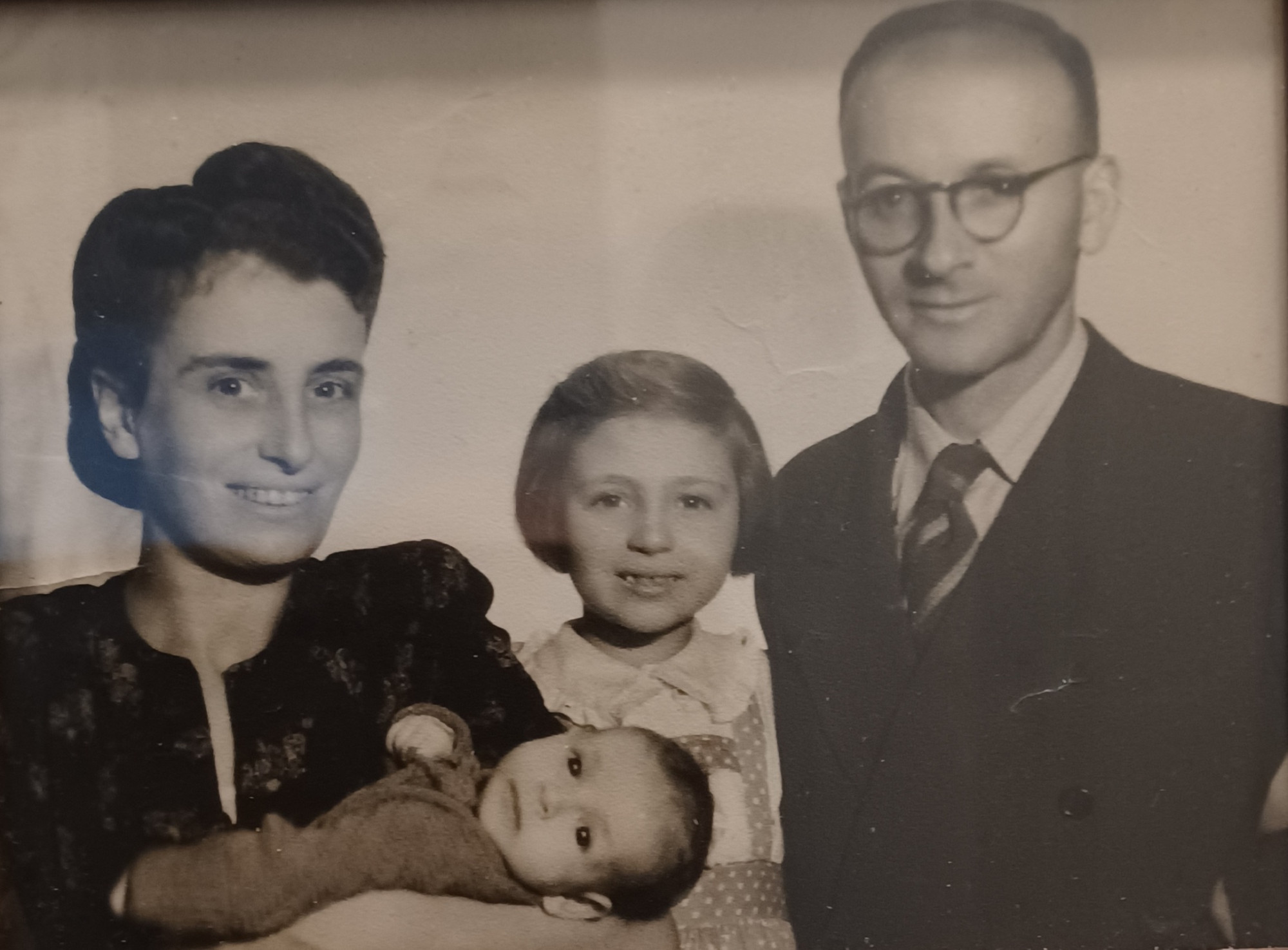
Hannah Eulenberg was born Hanna Hecht on March 27, 1941, in Shanghai. Her parents were Jewish refugees from Germany who had escaped the growing danger for Jews after Kristallnacht. In May 1939, Hannah’s mother, Stefanie Nachum, traveled from Berlin to Italy to board a ship to China. Her father, Gerhard Hecht, a dentist from Silesia, was on the same ship. The two met and later married in 1941. Life in Shanghai was not what they expected. Work was hard to find, and many refugees depended on soup kitchens and charity for food. Hannah’s family lived in one small room, which also served as her father’s dental office.
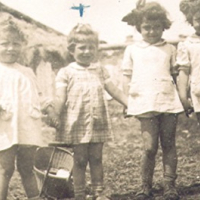
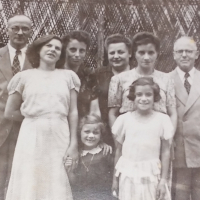
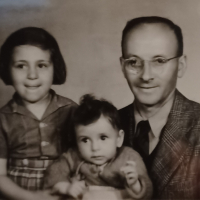
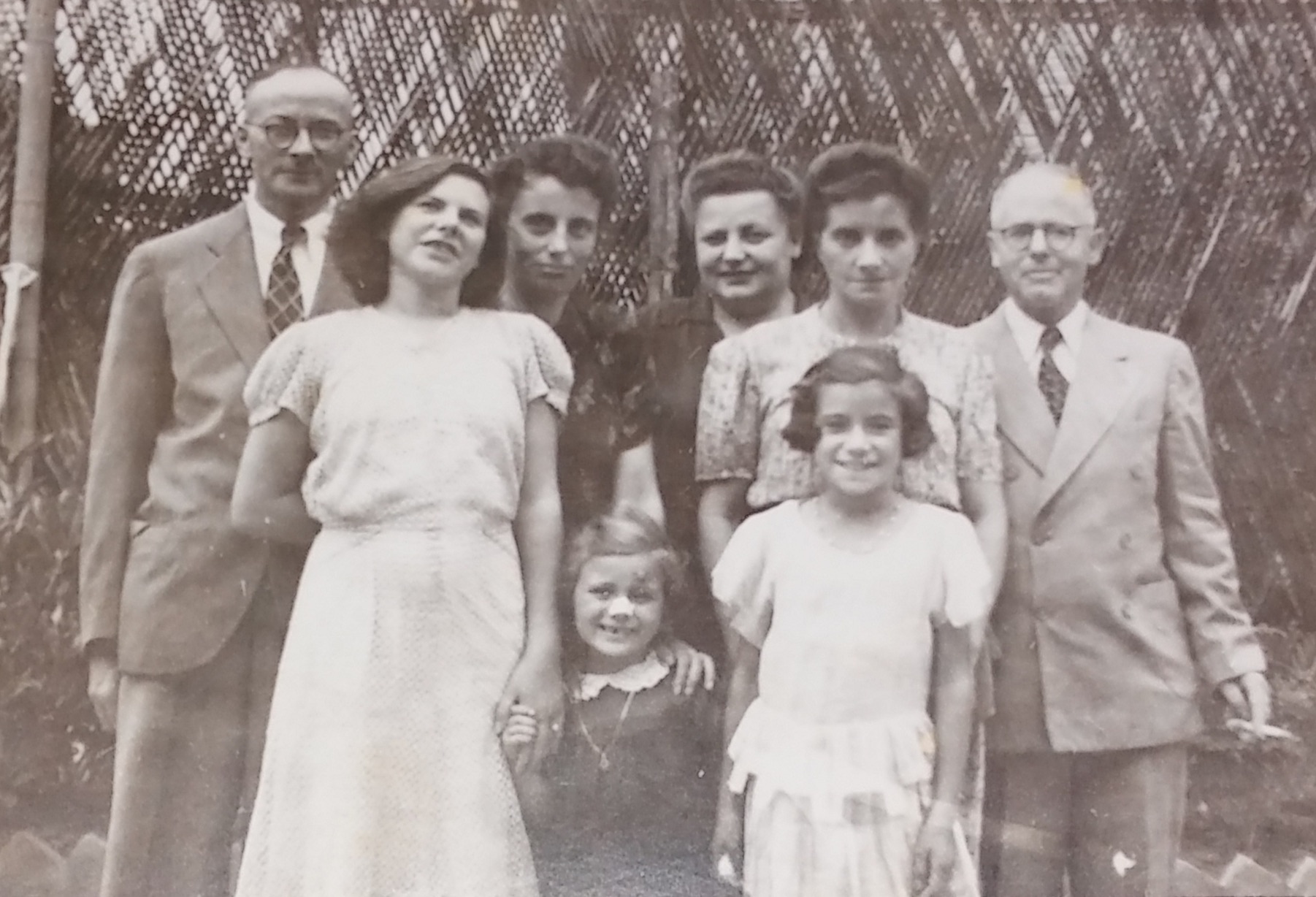
When Hannah was still young, her parents divorced. She and her mother moved into a crowded communal refugee building where many families shared large rooms with bunk beds. In the same room lived a mother and her three daughters from Stuttgart. Their relative, Julius Fleischer, visited often and grew close to Hannah and her mother. After the war, Julius and Hannah’s mother married.
Life in Shanghai became even more difficult after the Japanese attack on Pearl Harbor. By February of 1943, the Japanese authorities ordered all Jewish refugees to move into a closed ghetto in Shanghai’s Hongkou district.
When Hannah was still a toddler, she experienced Allied bombing raids. When air-raid sirens sounded, people gathered in shared rooms with blackout curtains. Hannah hid her face in her mother’s lap. On July 17, 1945, American planes targeted a Japanese munitions dump near the ghetto. A bomb hit people who were waiting in line for food. Hannah’s uncle, who was a doctor, rushed to assist. When bandages ran out, refugees donated clothes and bed sheets to use instead. Hannah remembers feeling cared for by the close-knit group of refugees around her.
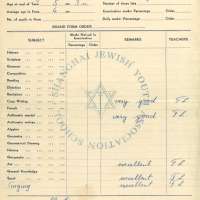
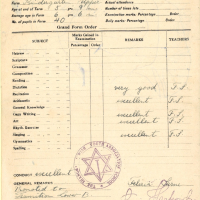
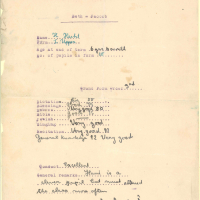
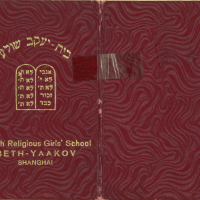
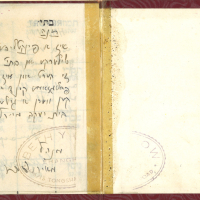
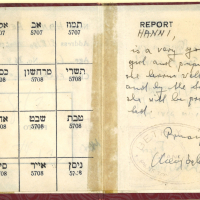
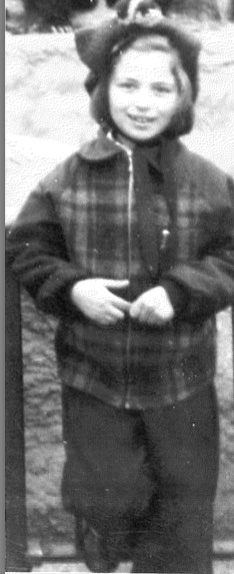
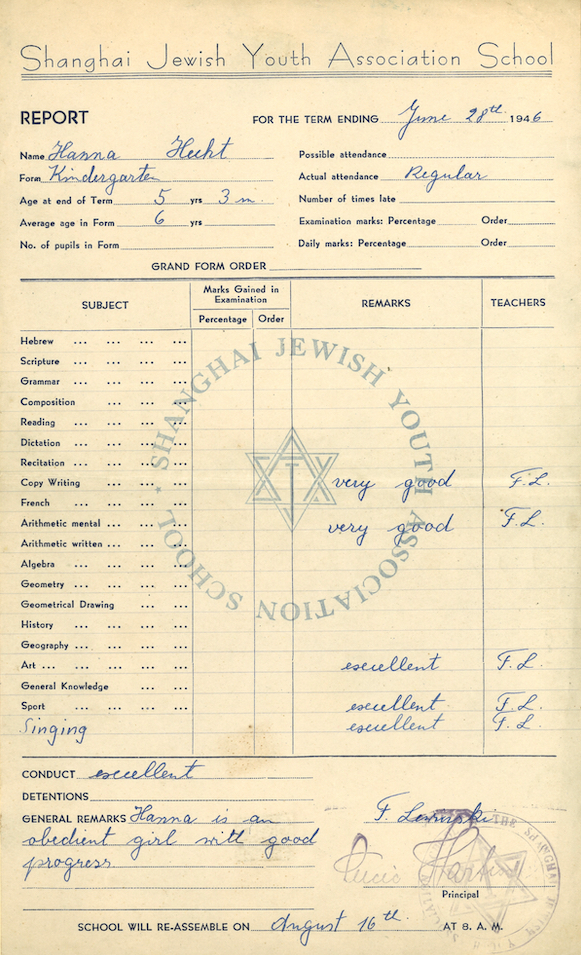
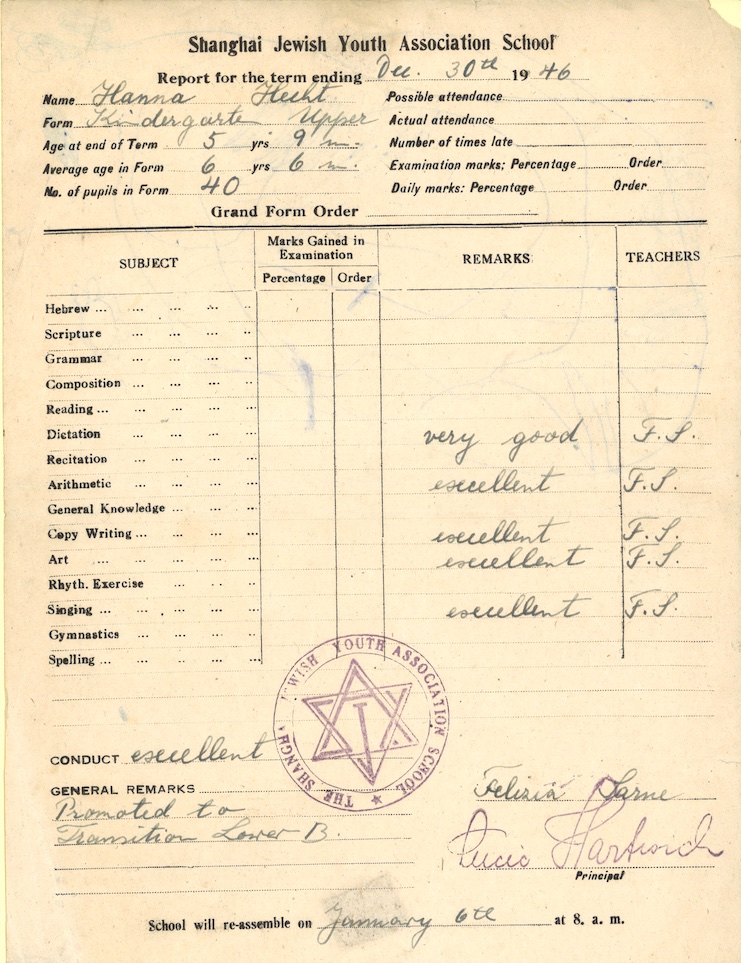
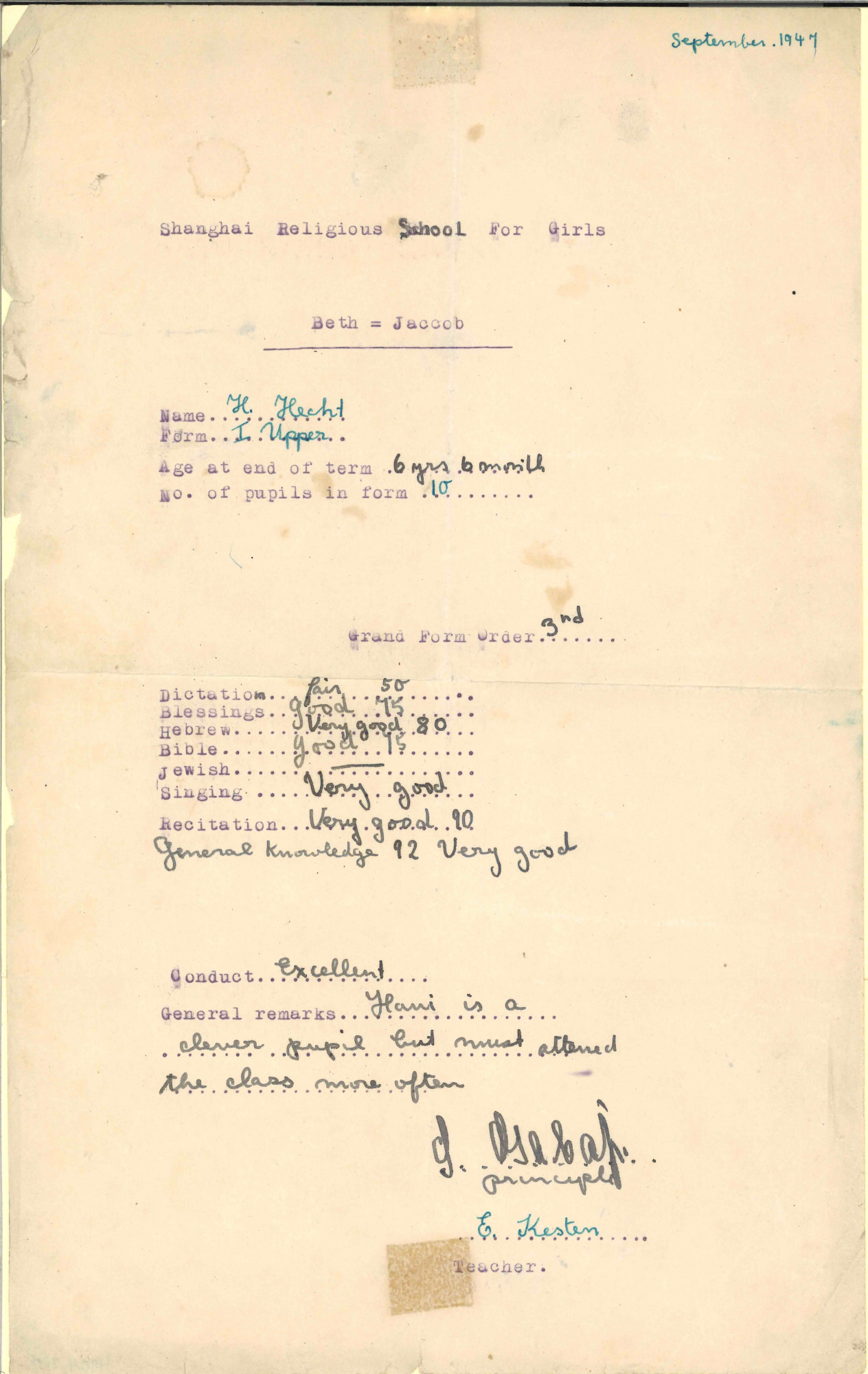
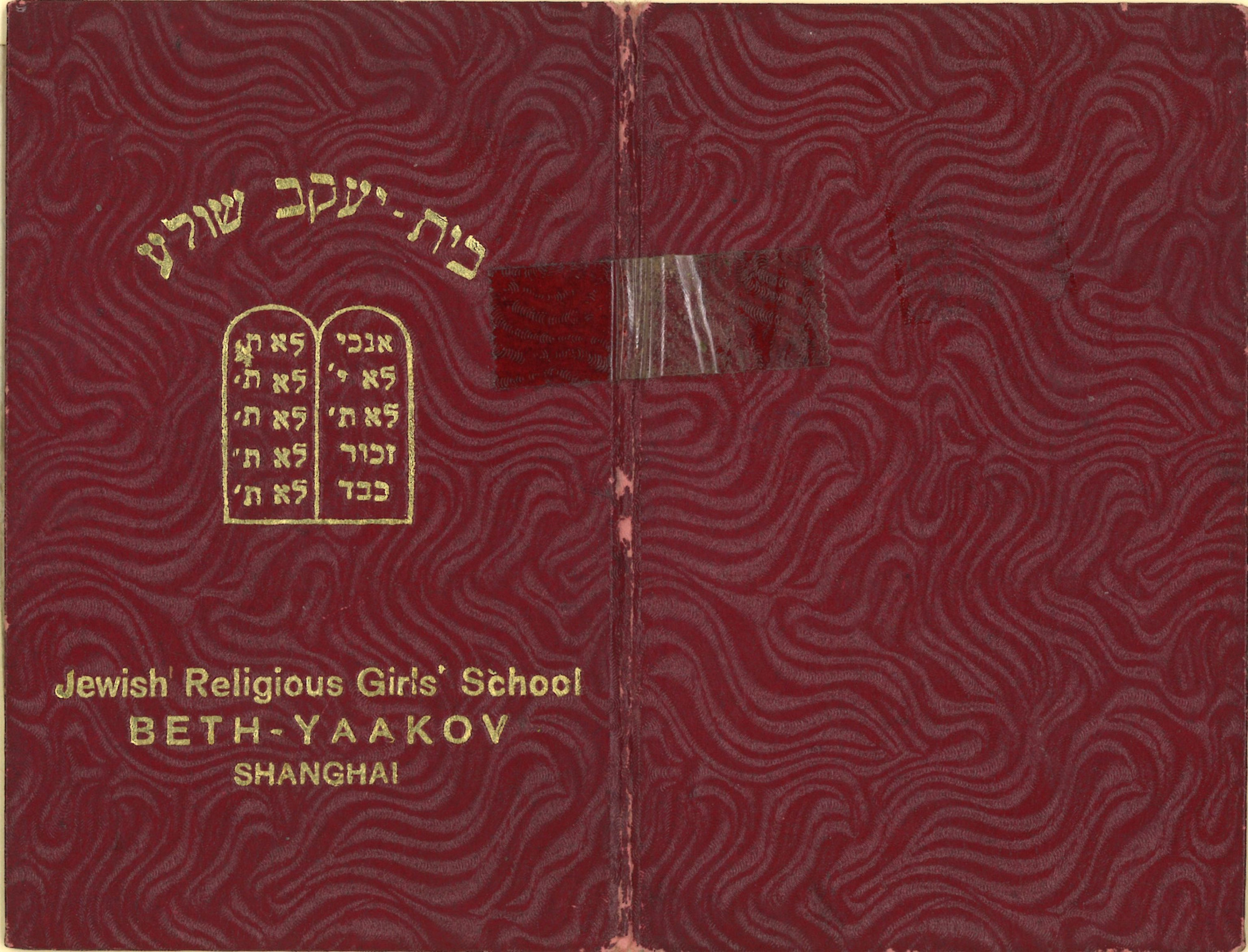
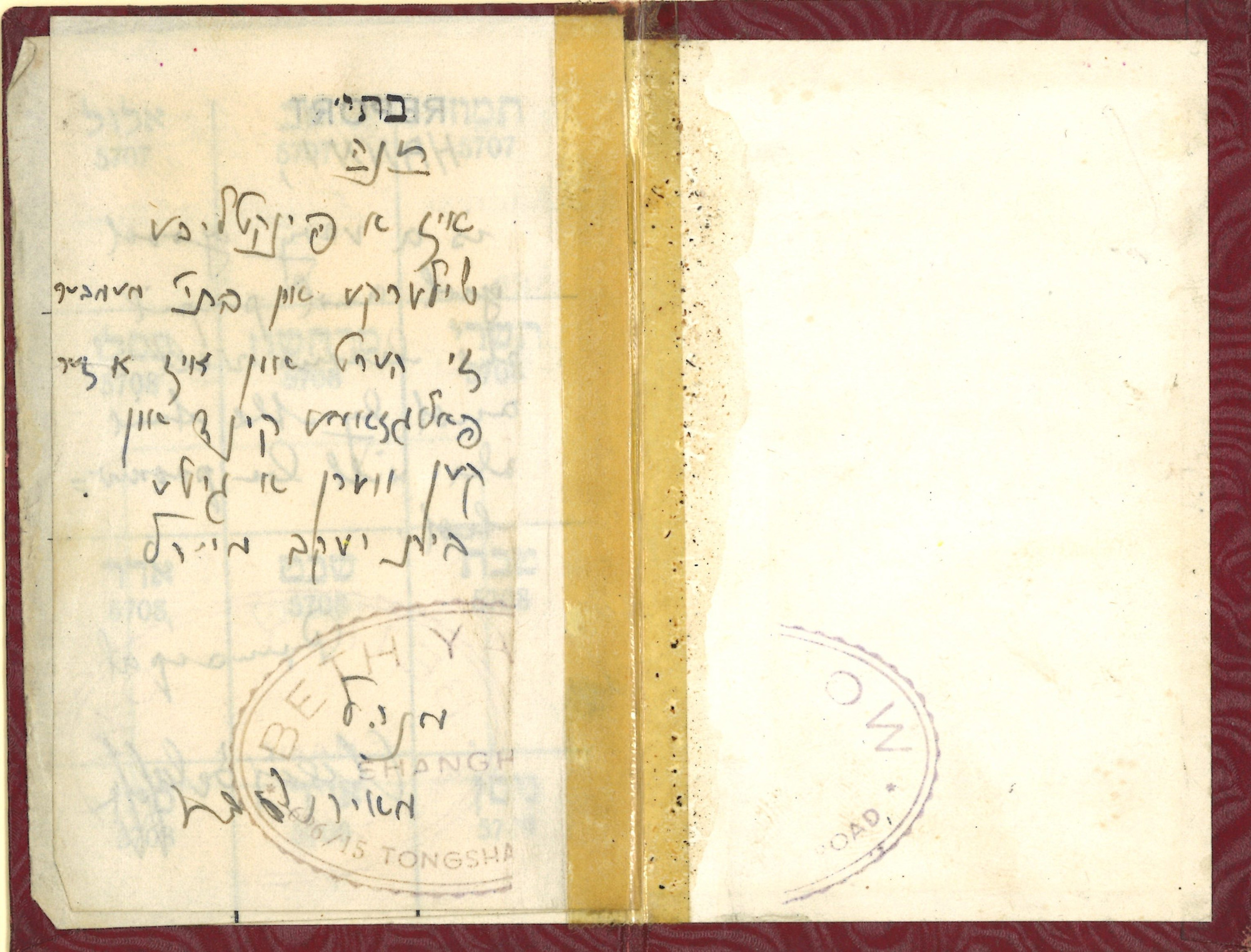
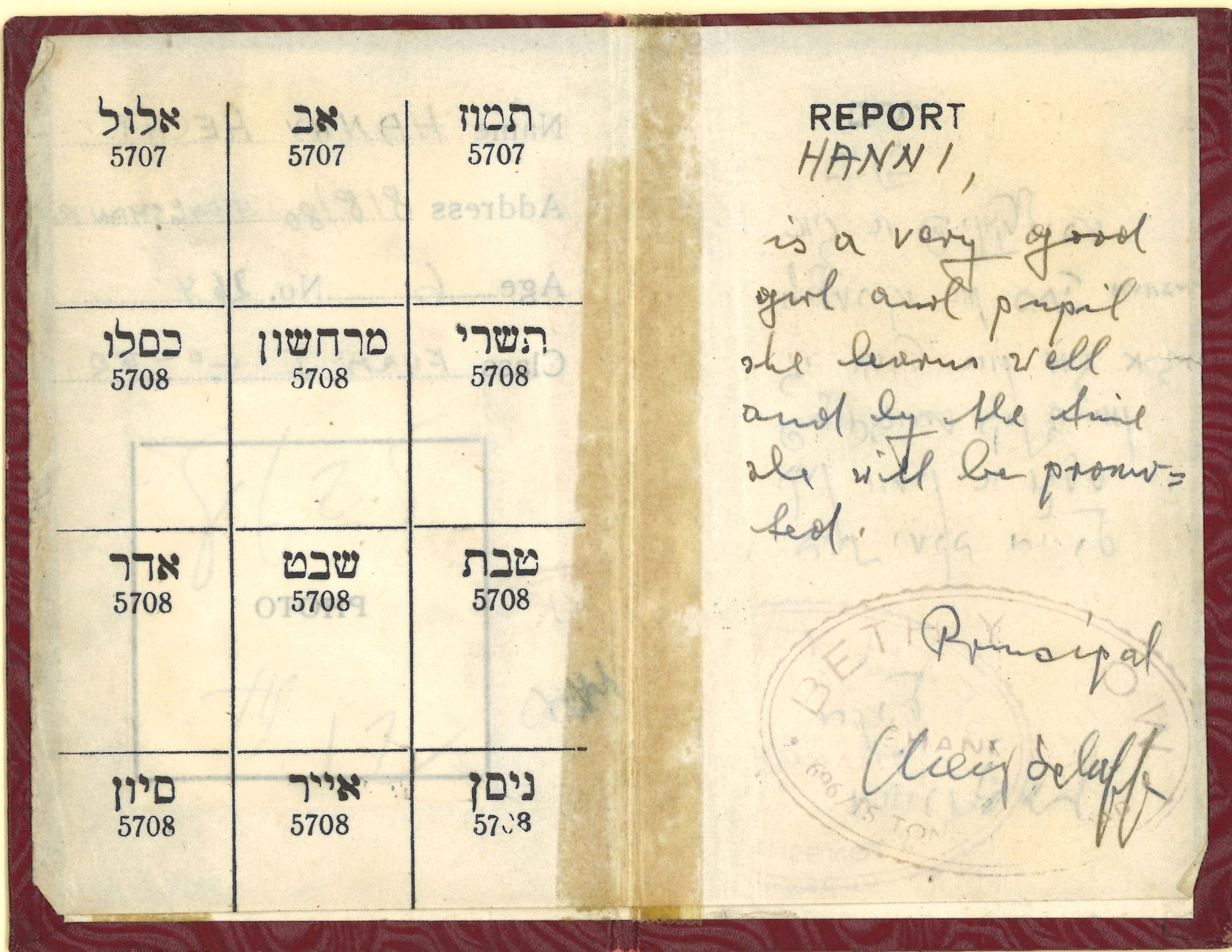
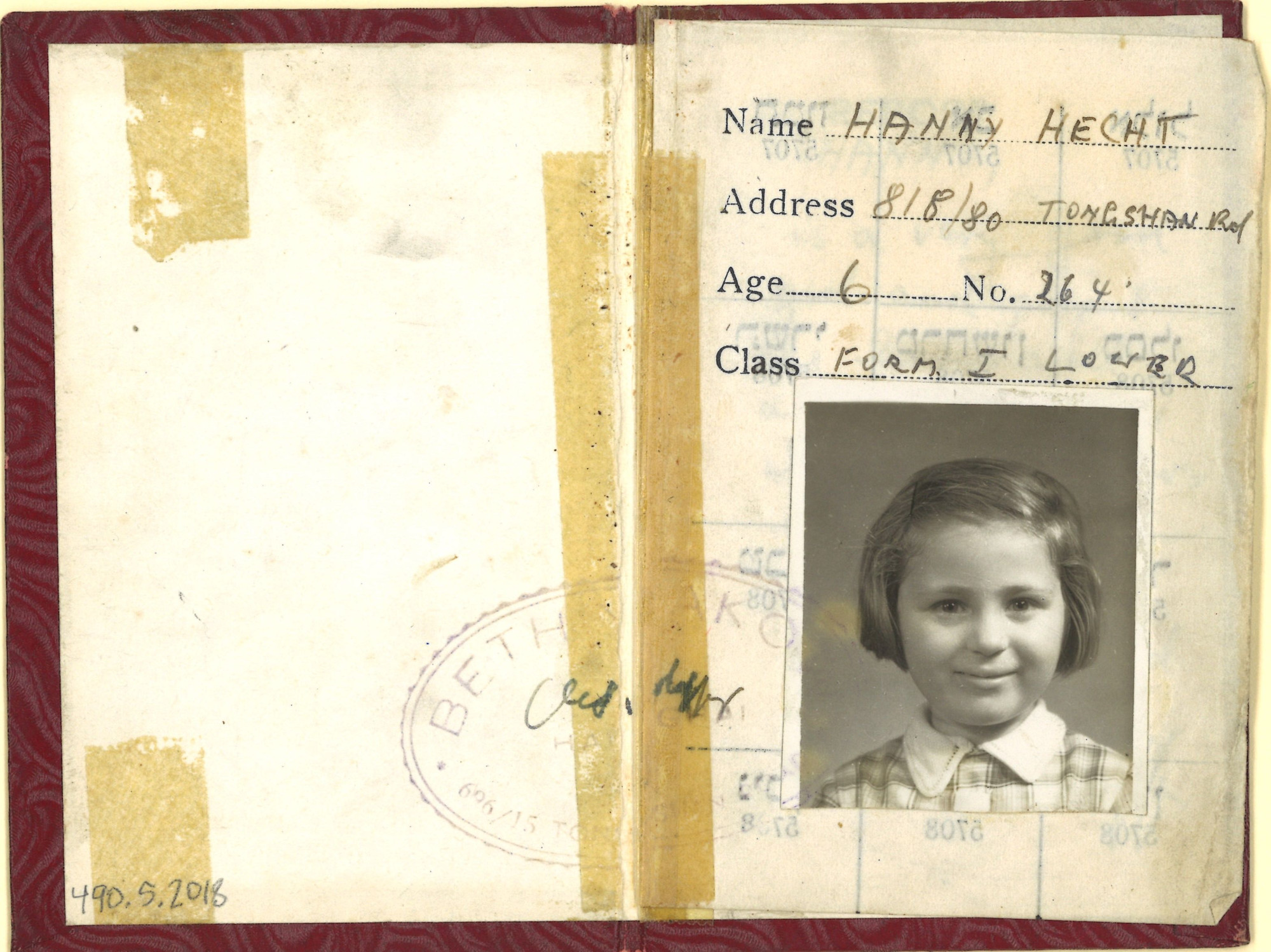
After the war ended in September 1945, Hannah’s family moved out of the refugee camp and into a small one-room apartment. There was a communal bathroom where the roof leaked. They carried an umbrella if it was raining. She attended a secular Jewish school where classes were taught in German. They were also teaching English. In addition, she attended a supplementary religious school for Jewish girls. Her teacher described her as an excellent and obedient student.
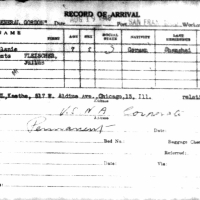
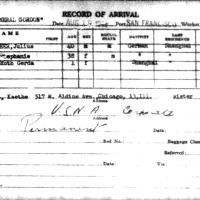
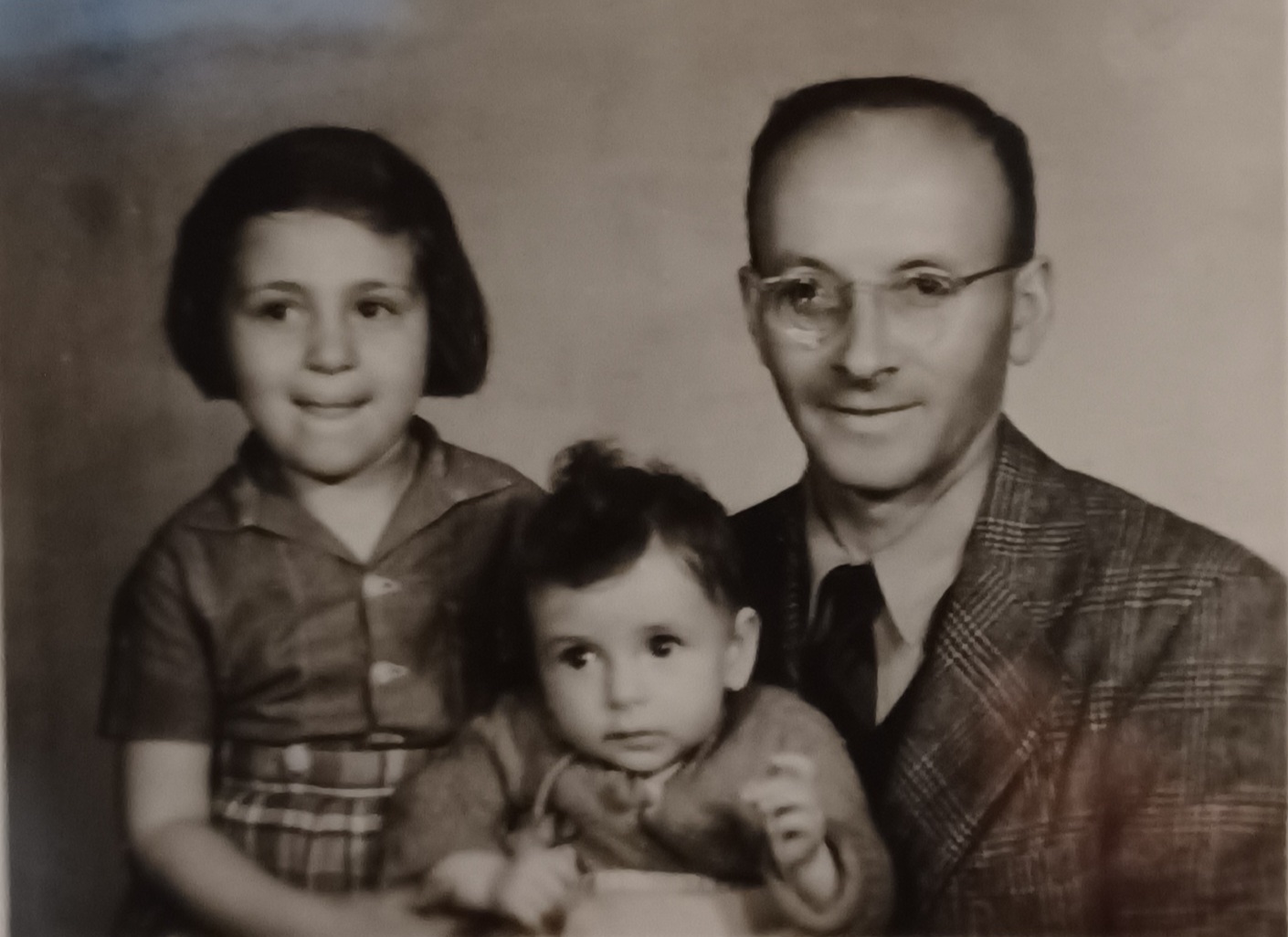
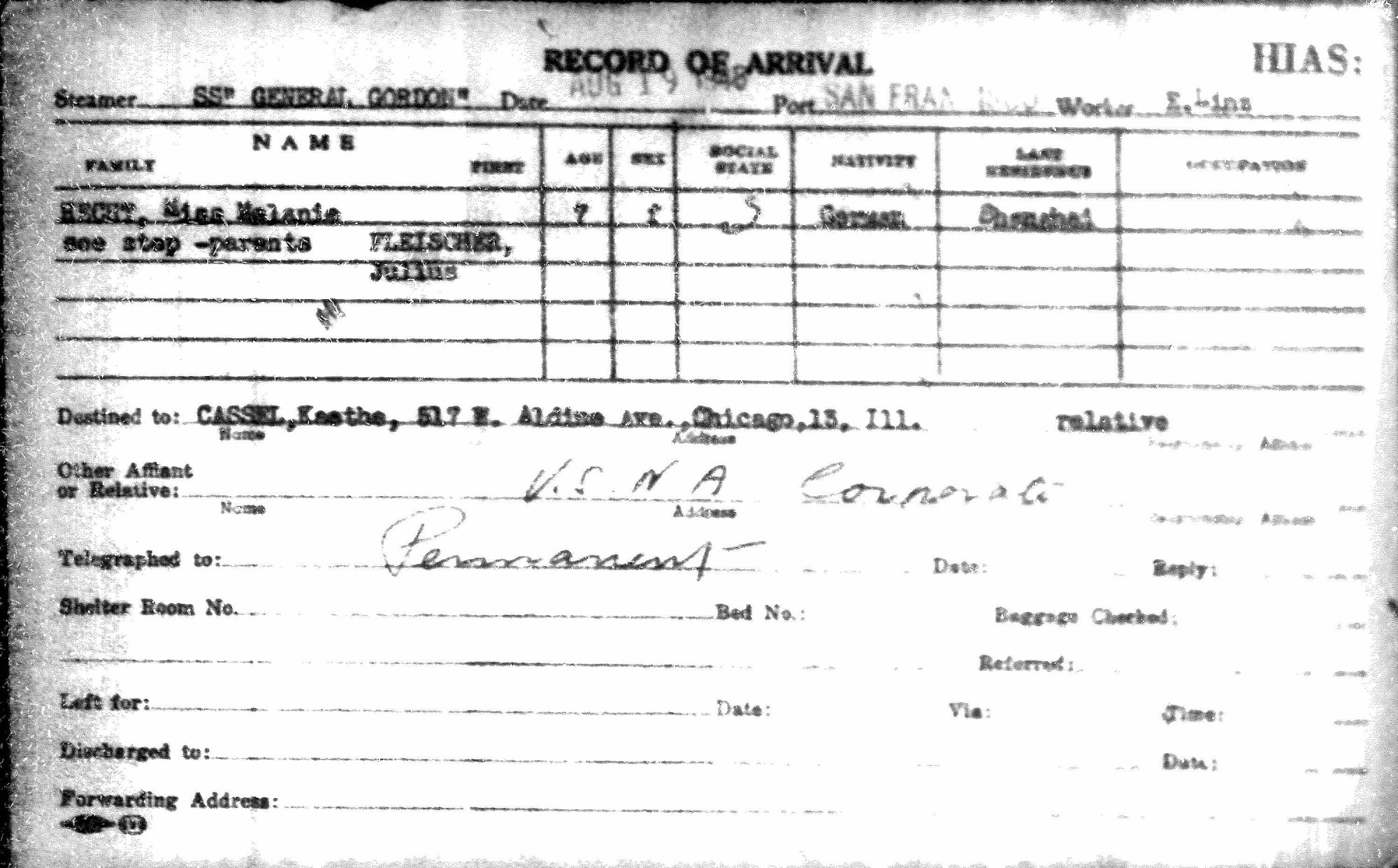
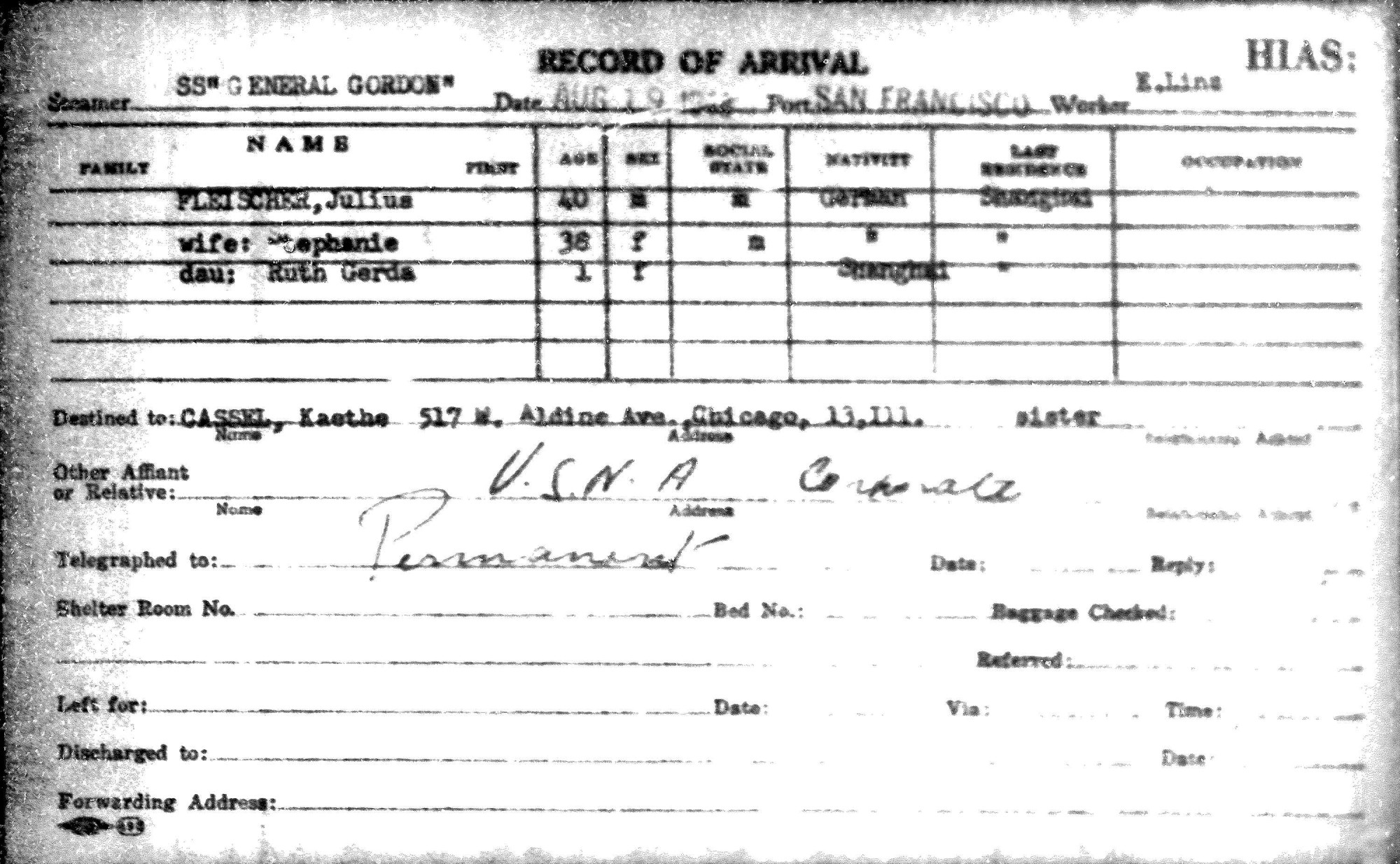
In 1948, seven-year-old Hannah and her family left Shanghai for the United States. The Hebrew Immigrant Aid Society (HIAS) arranged their journey. Since Hannah’s baby stepsister was only a year old, her mother and sister sailed first class while Hannah and Julius traveled in steerage. During the day, Hannah spent time with her family, but at night she slept in the third-class women’s section.The family arrived in San Francisco in August 1948 and stayed in an apartment hotel for several months, while Stefanie’s sister, who had left Shanghai earlier, was looking for an apartment in Chicago for them. The family left in December by train for Chicago, where they settled in a Jewish neighborhood. Hannah’s stepfather was legally blind, which made it difficult for him to find work. The Jewish Family Service helped support her family for several years. Meanwhile, Hannah’s birth father had moved to Australia in 1945, where his sister had gone before the war.
In 1959, after leaving for college, Hannah came home for a few days to become a U.S. citizen. Later, she joined the Peace Corps and served in Turkey alongside her husband from 1967 to 1969. In 1971, she gave birth to their son Eric. Together, they moved to Seattle. Hannah eventually returned to school to study accounting and went on to work for the University of Washington. Today, she is retired and lives in Seattle close to her son, daughter-in-law, and grandson.
- More About This Survivor:
-