

Survivor Encyclopedia
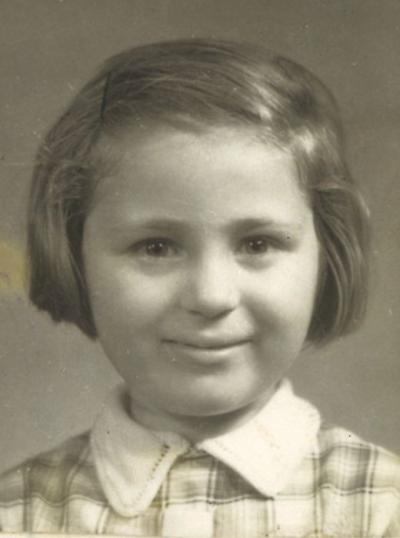
Hannah Eulenberg - Shanghai
-
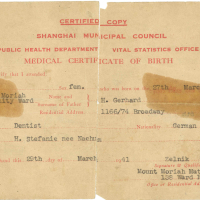
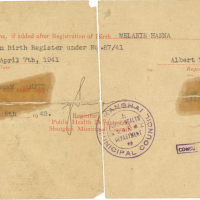
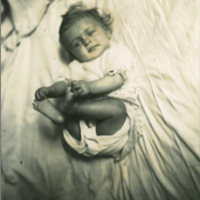
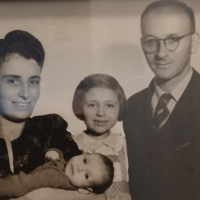
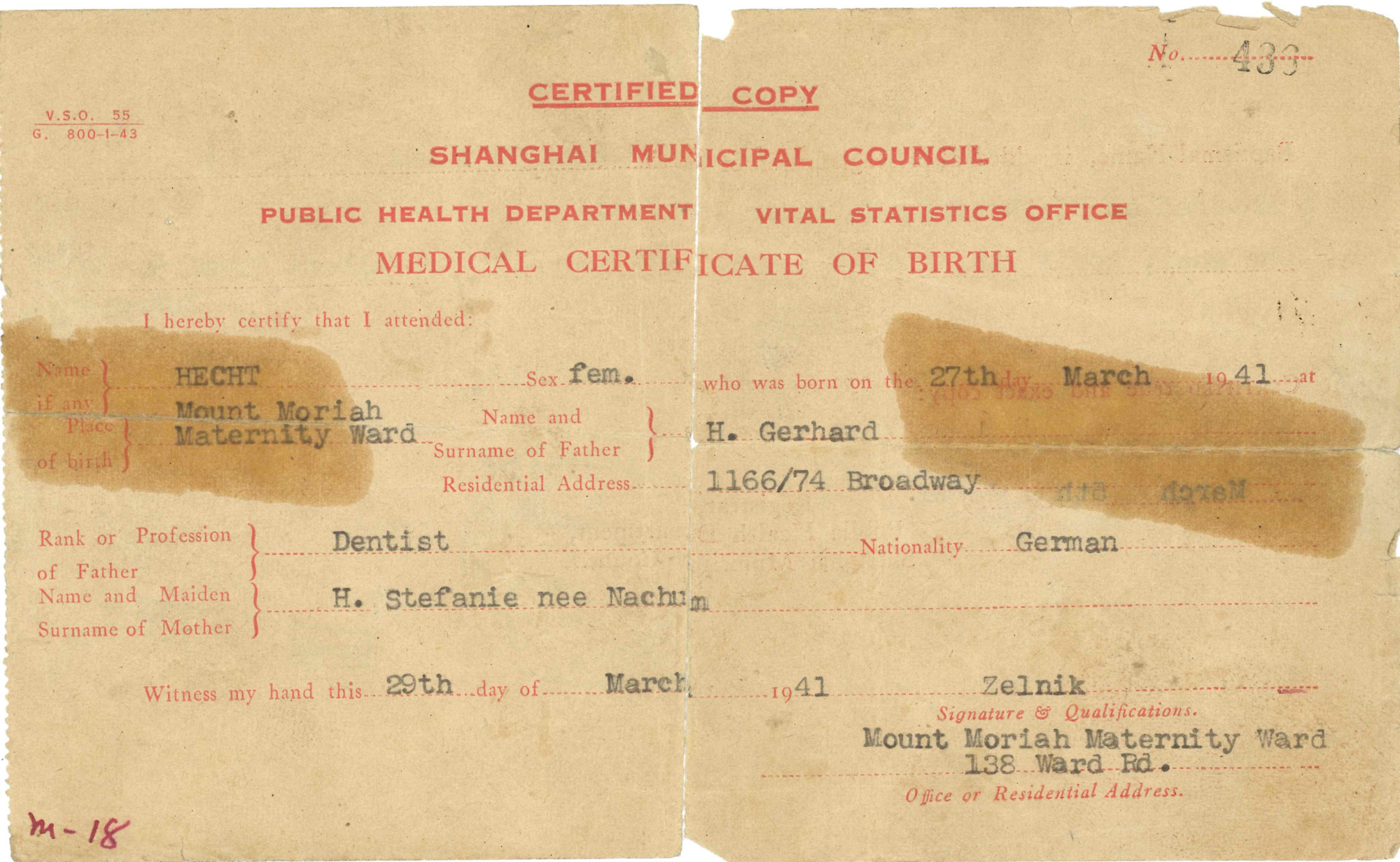
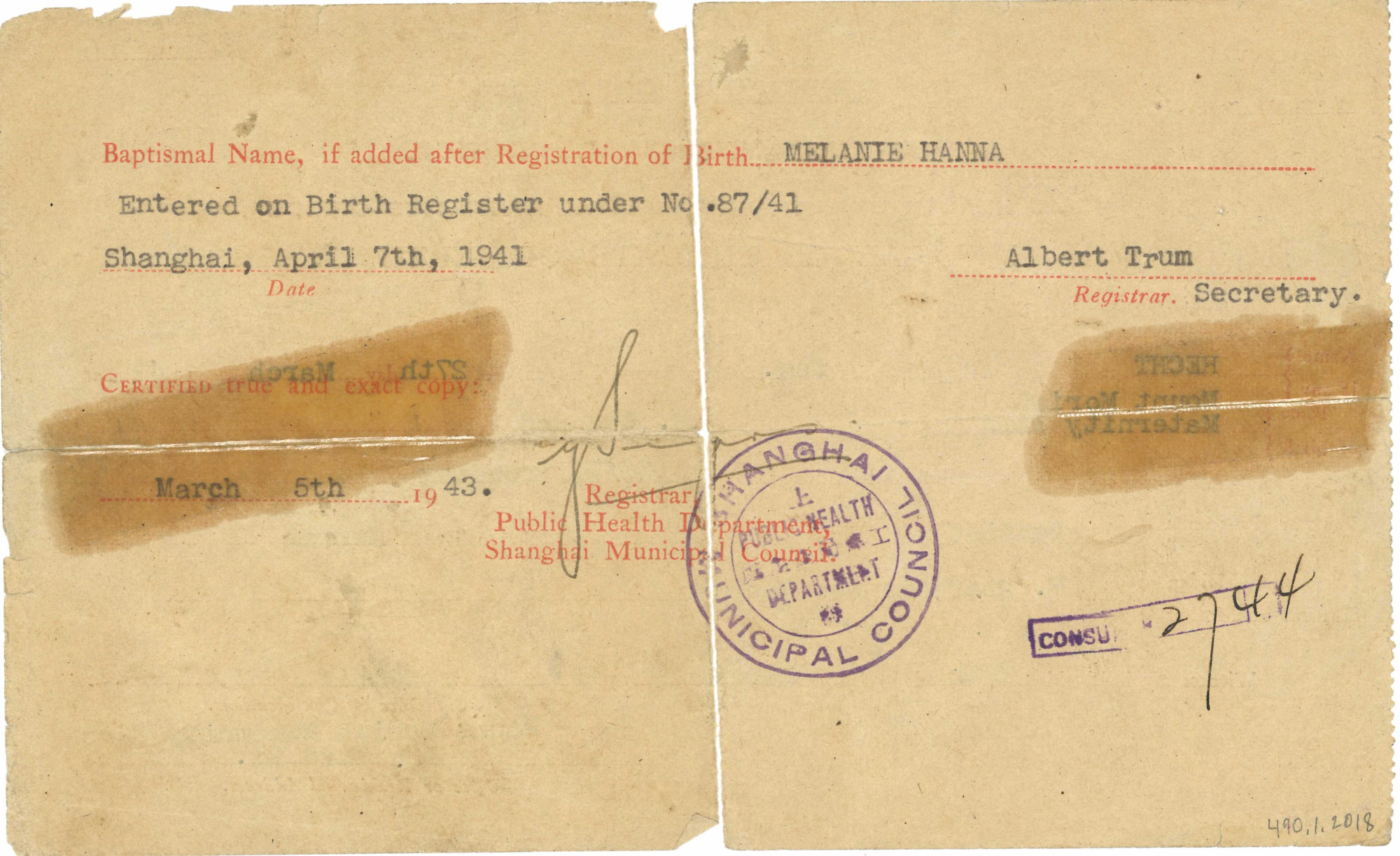
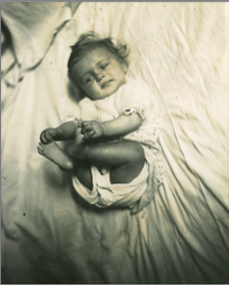
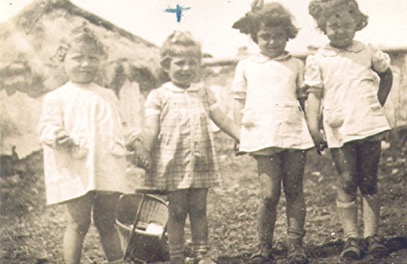
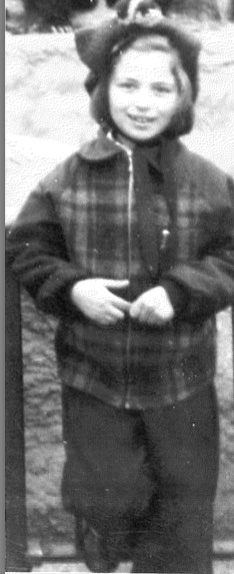
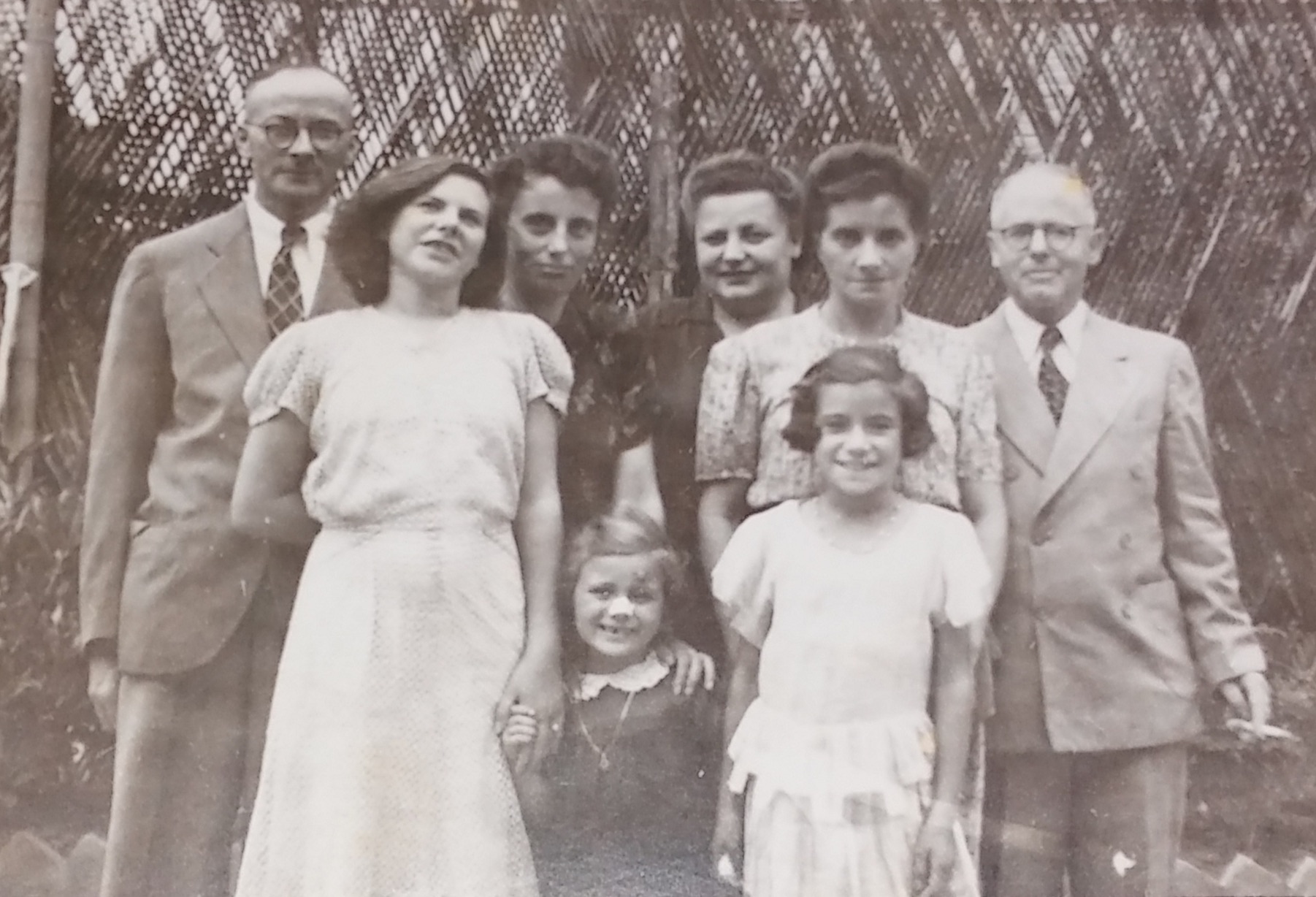
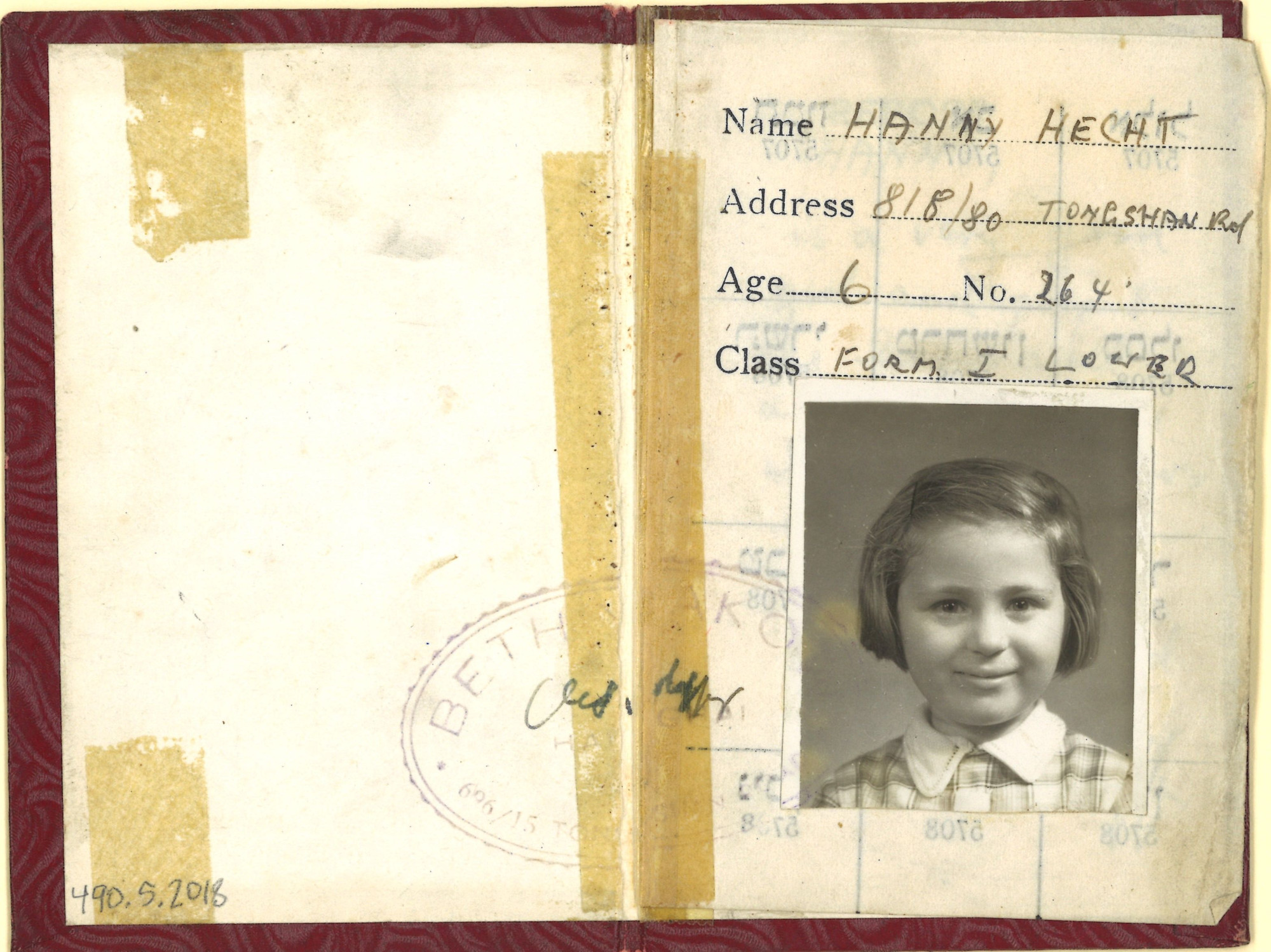
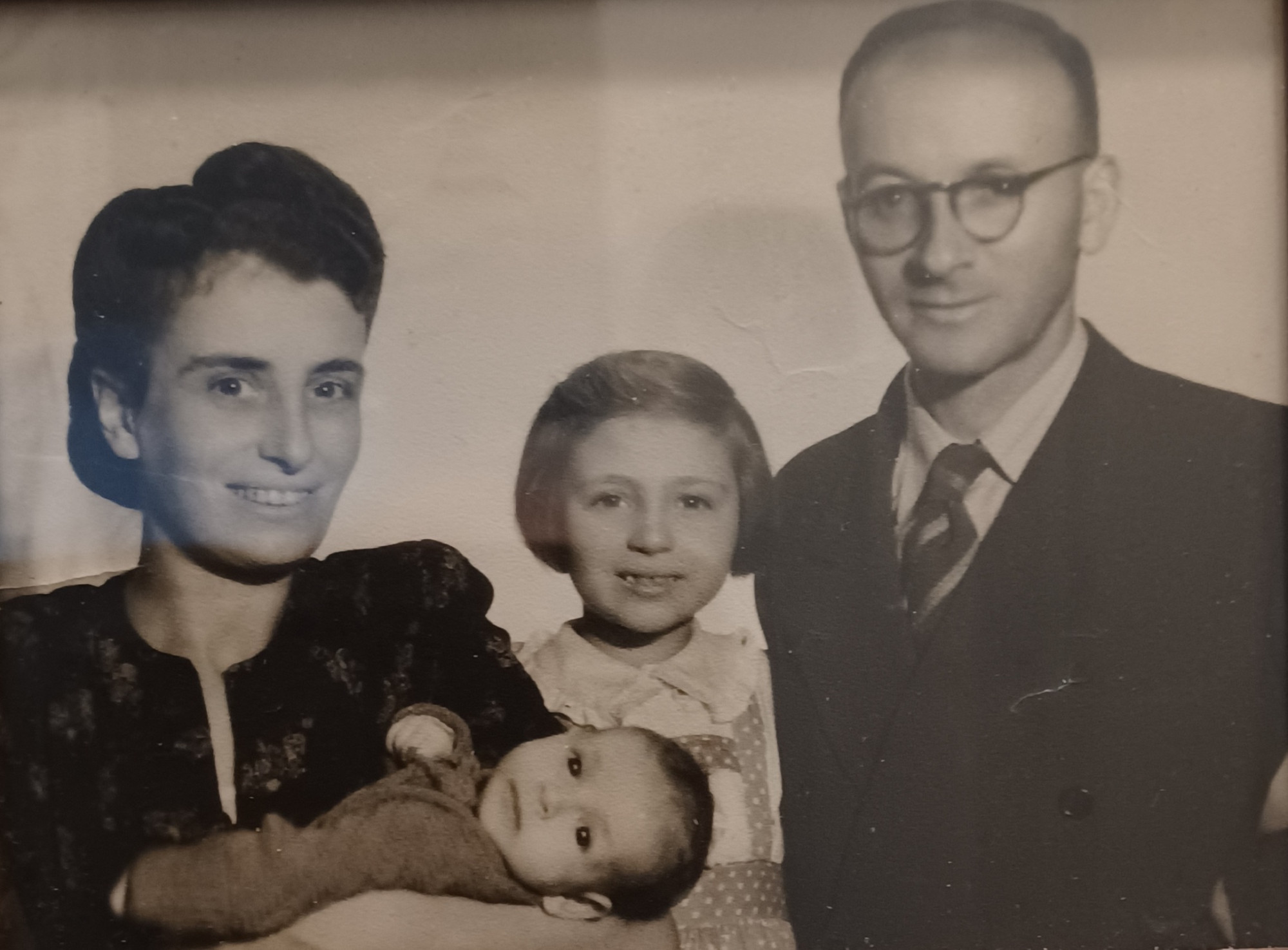
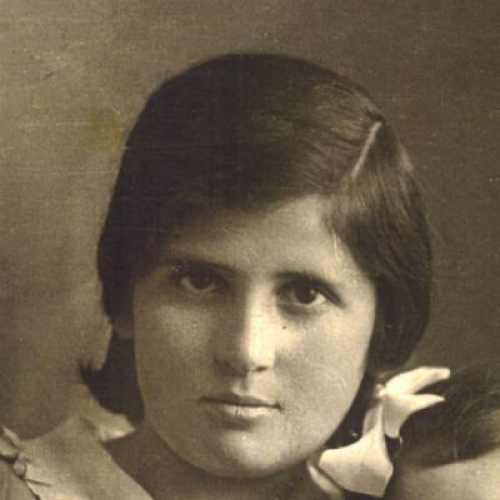
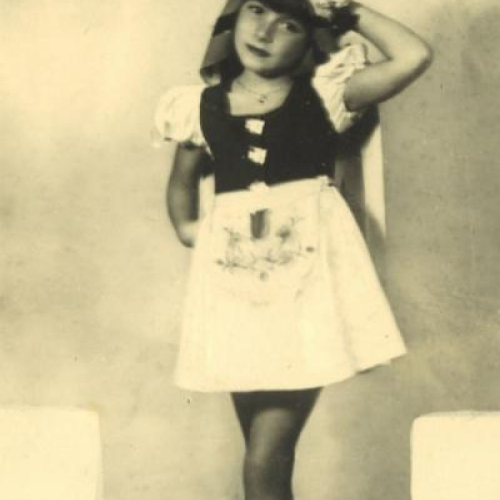
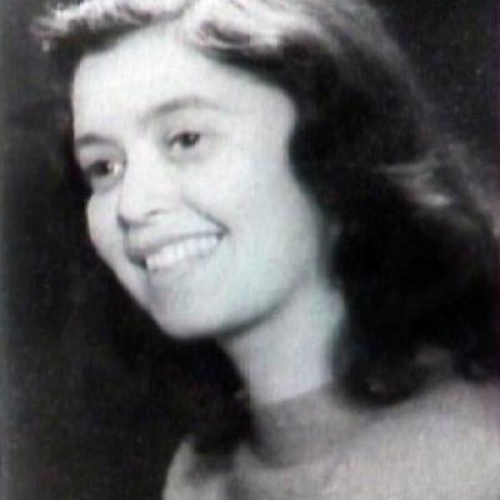
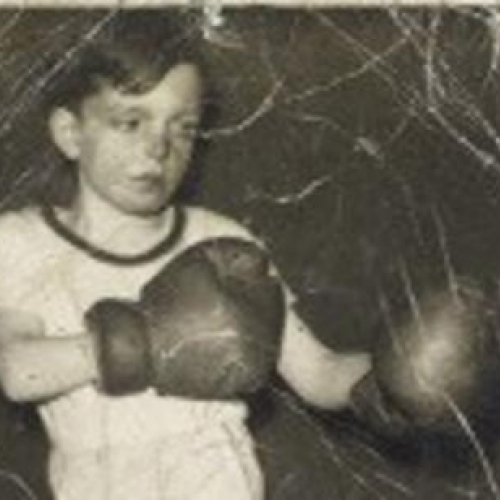
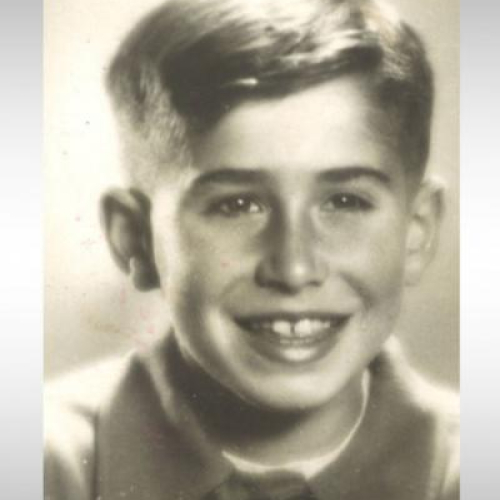
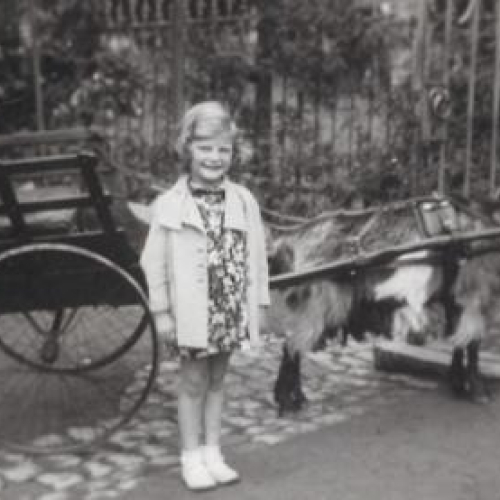
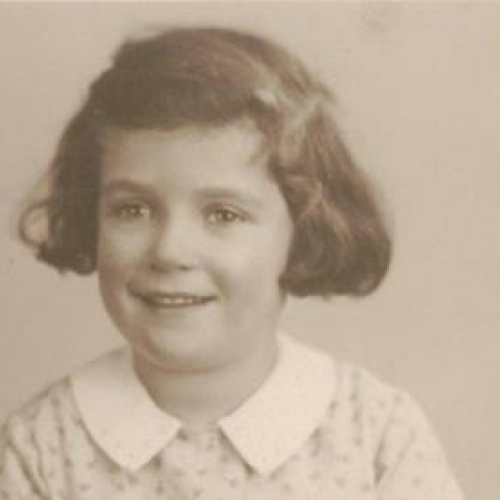
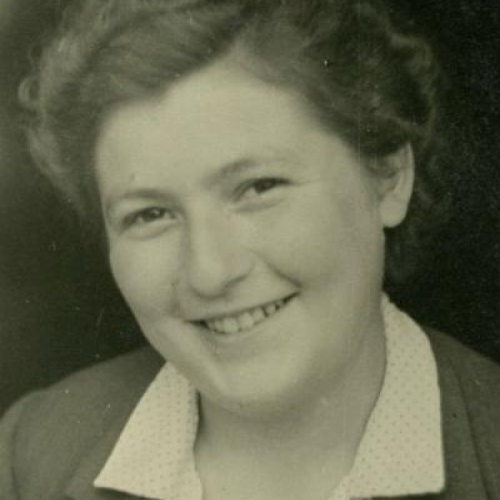
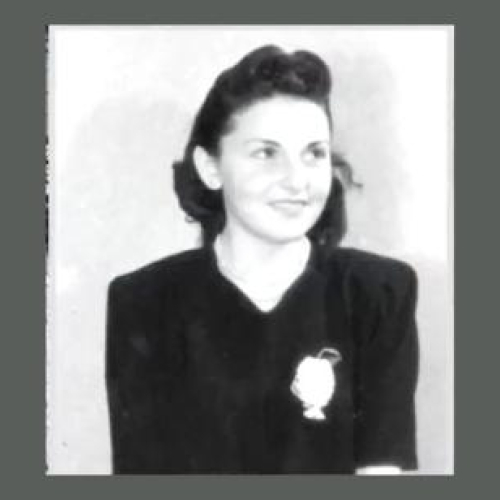
Hannah Eulenberg was born Hanna Hecht on March 27, 1941, in Shanghai. Her parents were Jewish refugees from Germany who had escaped the growing danger for Jews after Kristallnacht. In May 1939, Hannah’s mother, Stefanie Nachum, traveled from Berlin to Italy to board a ship to China. Her father, Gerhard Hecht, a dentist from Silesia, was on the same ship. The two met and later married in 1941. Life in Shanghai was not what they expected. Work was hard to find, and many refugees depended on soup kitchens and charity for food. Hannah’s family lived in one small room, which also served as her father’s dental office.
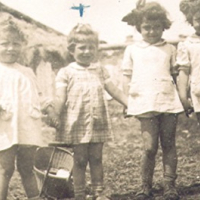
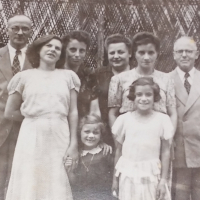
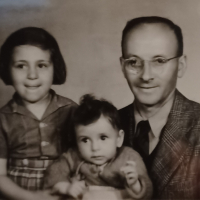
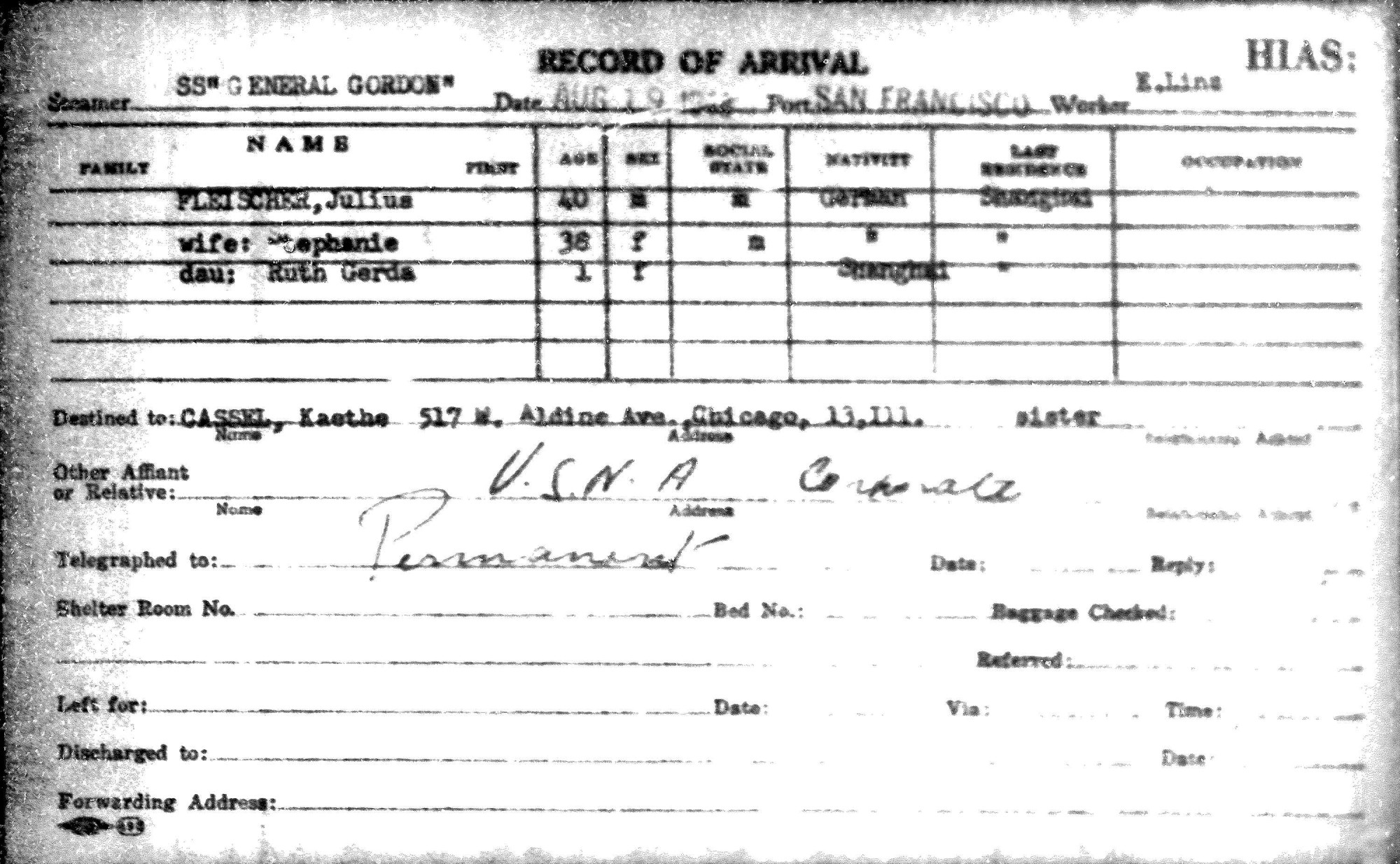
When Hannah was still young, her parents divorced. She and her mother moved into a crowded communal refugee building where many families shared large rooms with bunk beds. In the same room lived a mother and her three daughters from Stuttgart. Their relative, Julius Fleischer, visited often and grew close to Hannah and her mother. After the war, Julius and Hannah’s mother married.
Life in Shanghai became even more difficult after the Japanese attack on Pearl Harbor. By February of 1943, the Japanese authorities ordered all Jewish refugees to move into a closed ghetto in Shanghai’s Hongkou district.
When Hannah was still a toddler, she experienced Allied bombing raids. When air-raid sirens sounded, people gathered in shared rooms with blackout curtains. Hannah hid her face in her mother’s lap. On July 17, 1945, American planes targeted a Japanese munitions dump near the ghetto. A bomb hit people who were waiting in line for food. Hannah’s uncle, who was a doctor, rushed to assist. When bandages ran out, refugees donated clothes and bed sheets to use instead. Hannah remembers feeling cared for by the close-knit group of refugees around her.
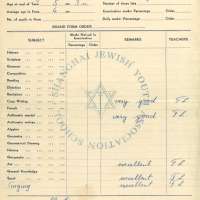
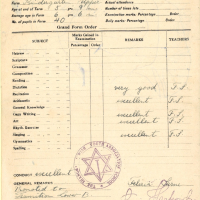
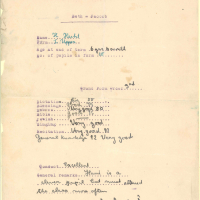
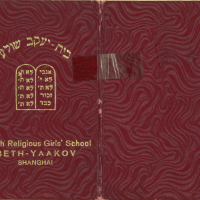
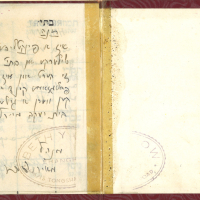
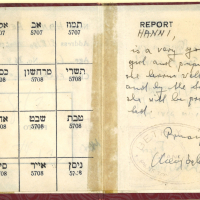
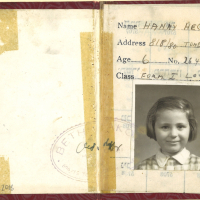
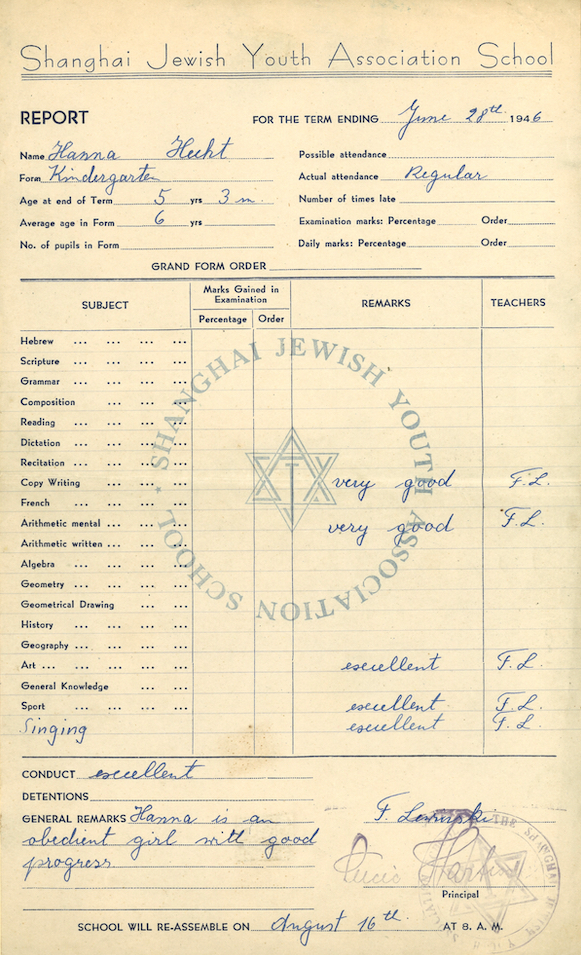
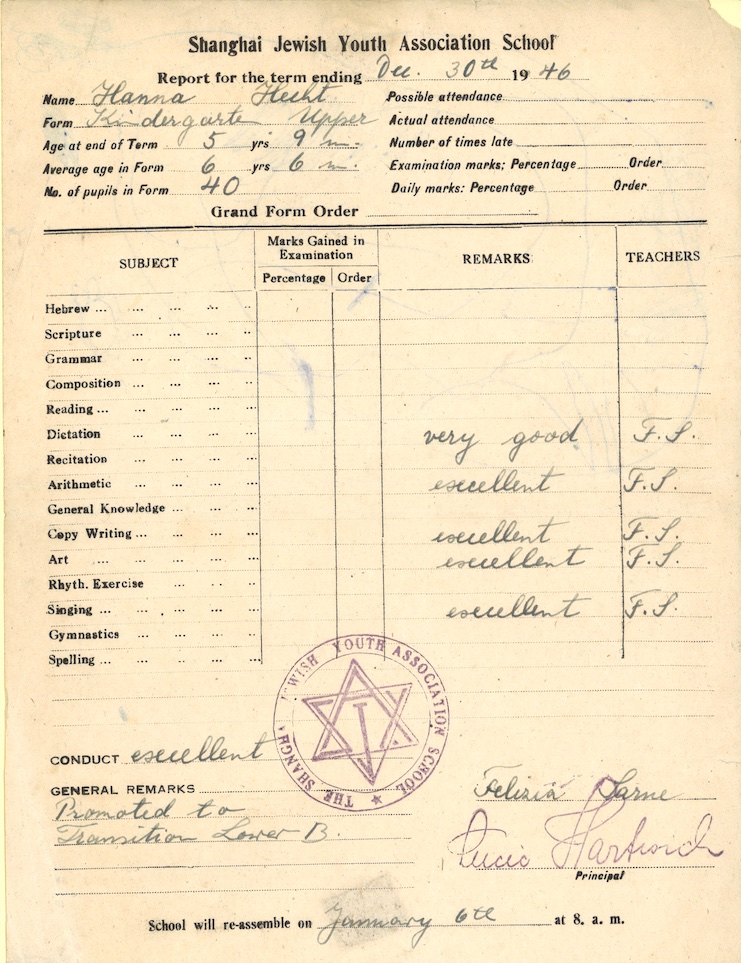
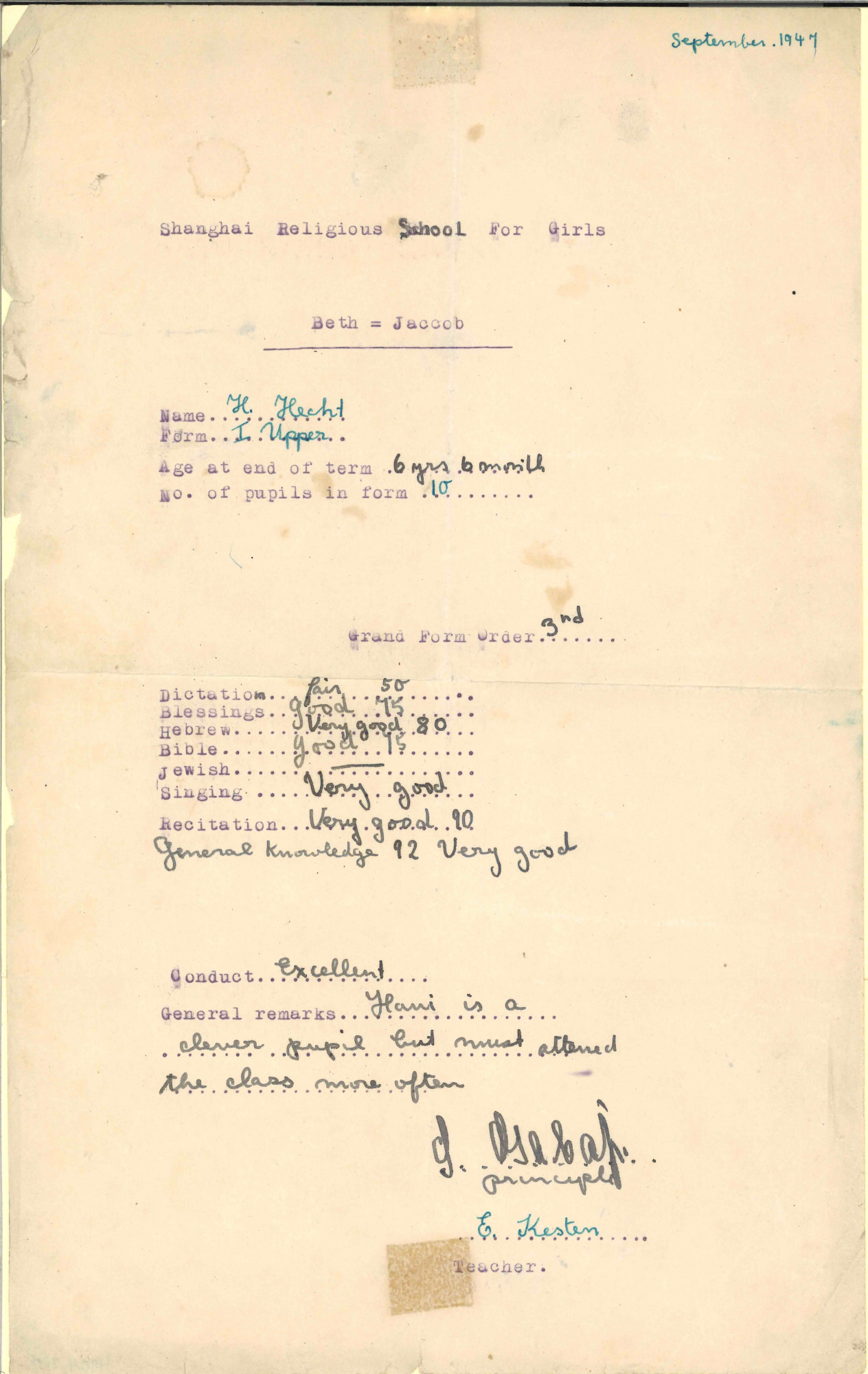
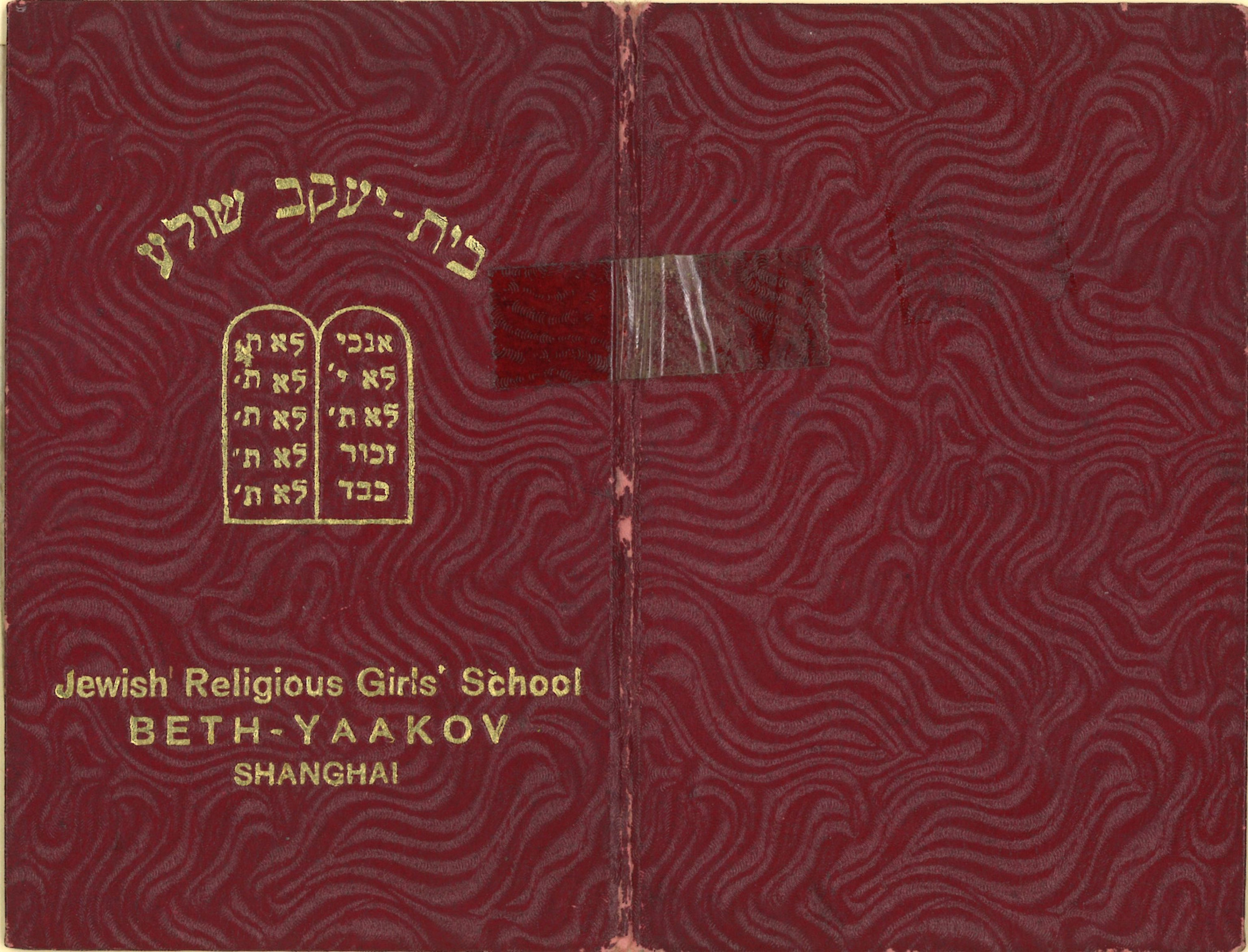
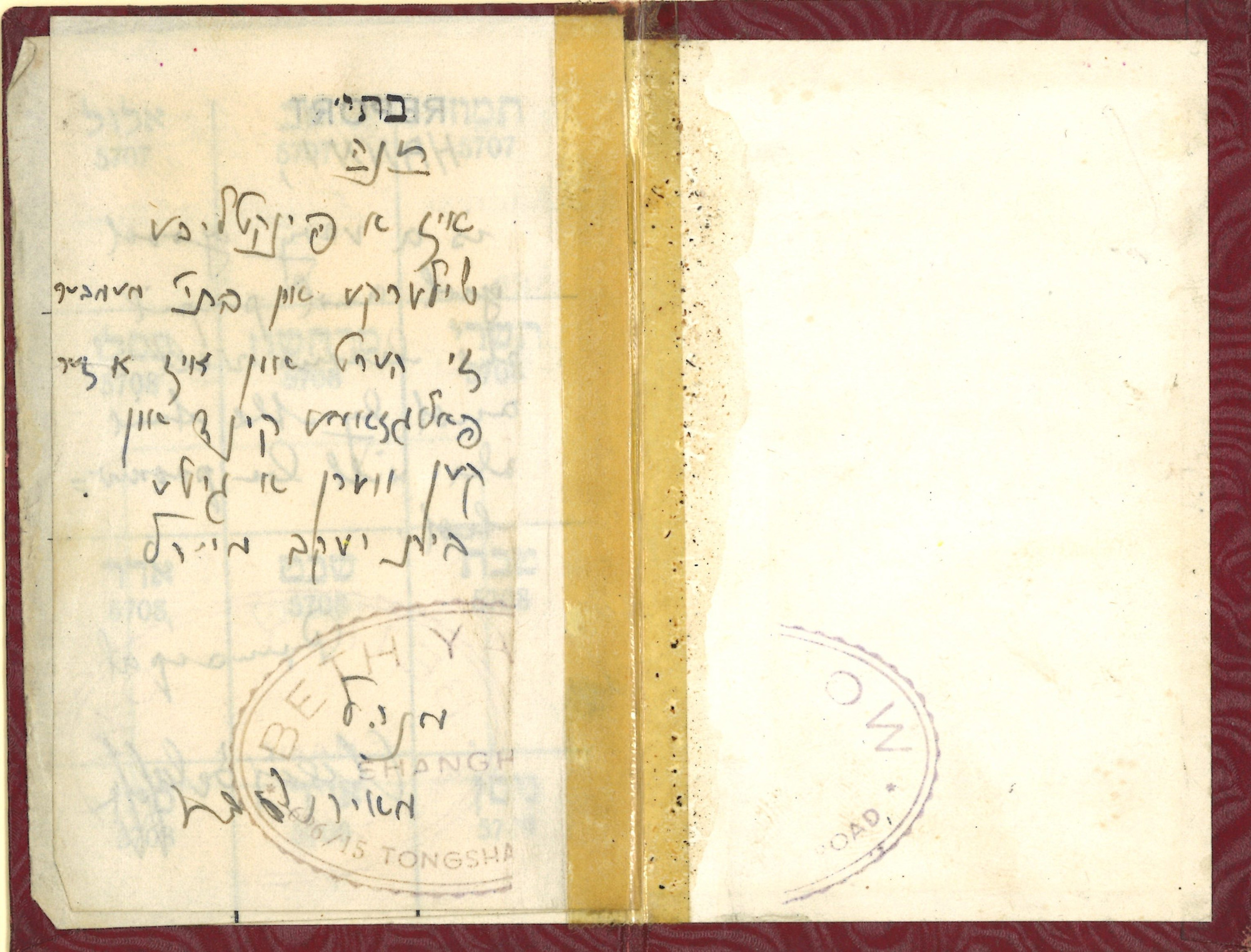
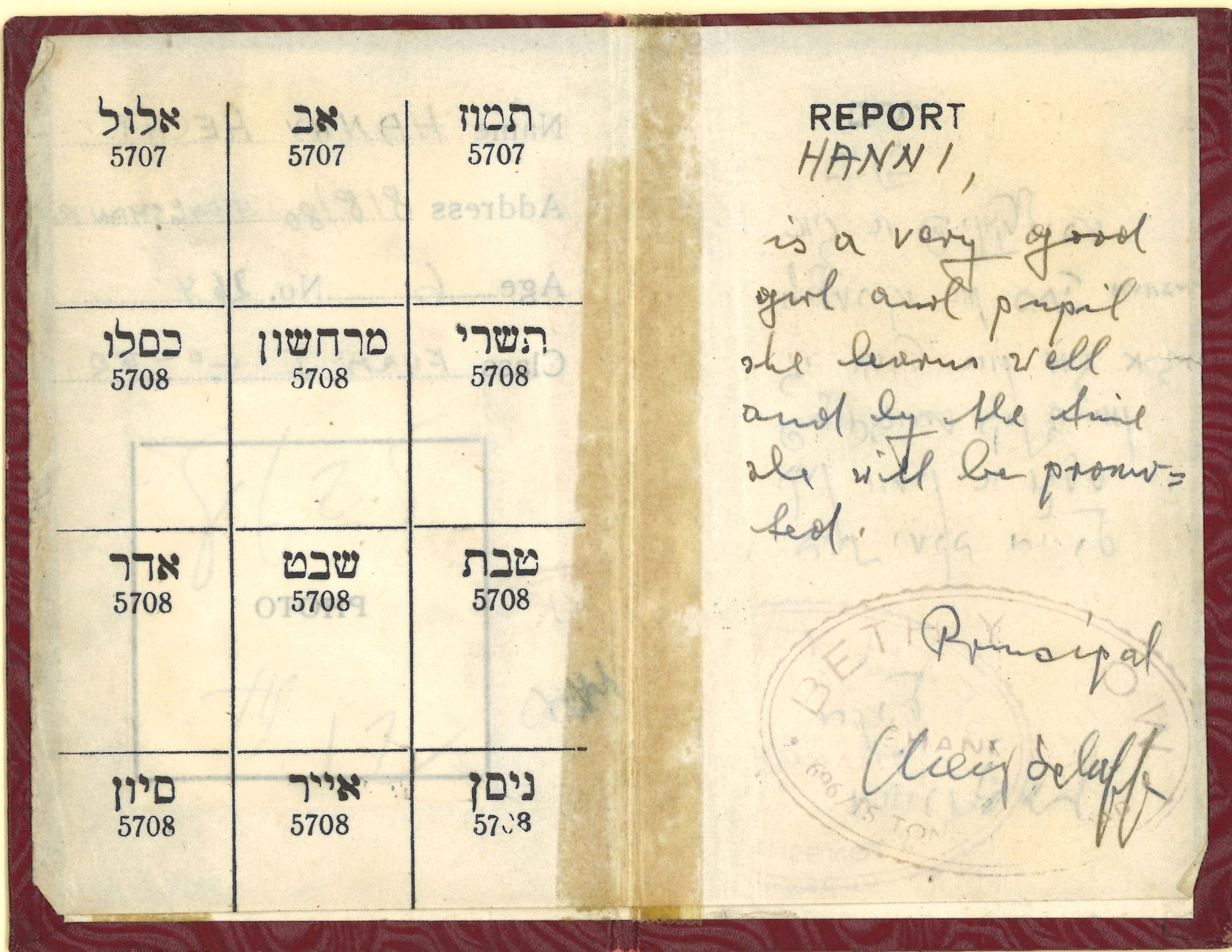
After the war ended in September 1945, Hannah’s family moved out of the refugee camp and into a small one-room apartment. There was a communal bathroom where the roof leaked. They carried an umbrella if it was raining. She attended a secular Jewish school where classes were taught in German. They were also teaching English. In addition, she attended a supplementary religious school for Jewish girls. Her teacher described her as an excellent and obedient student.
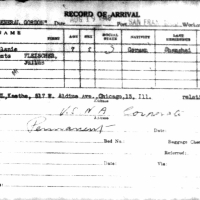
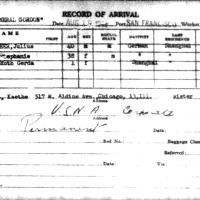
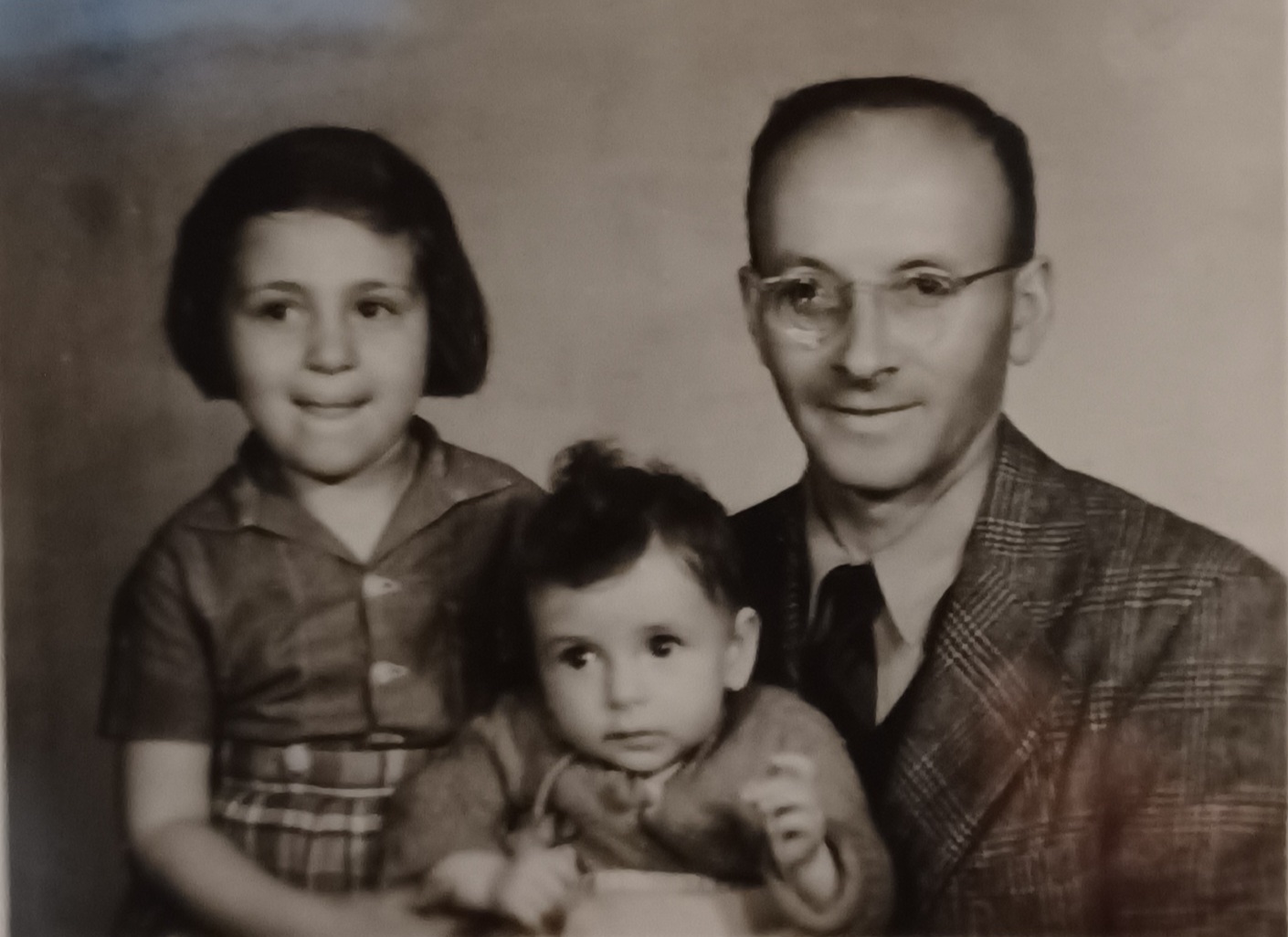
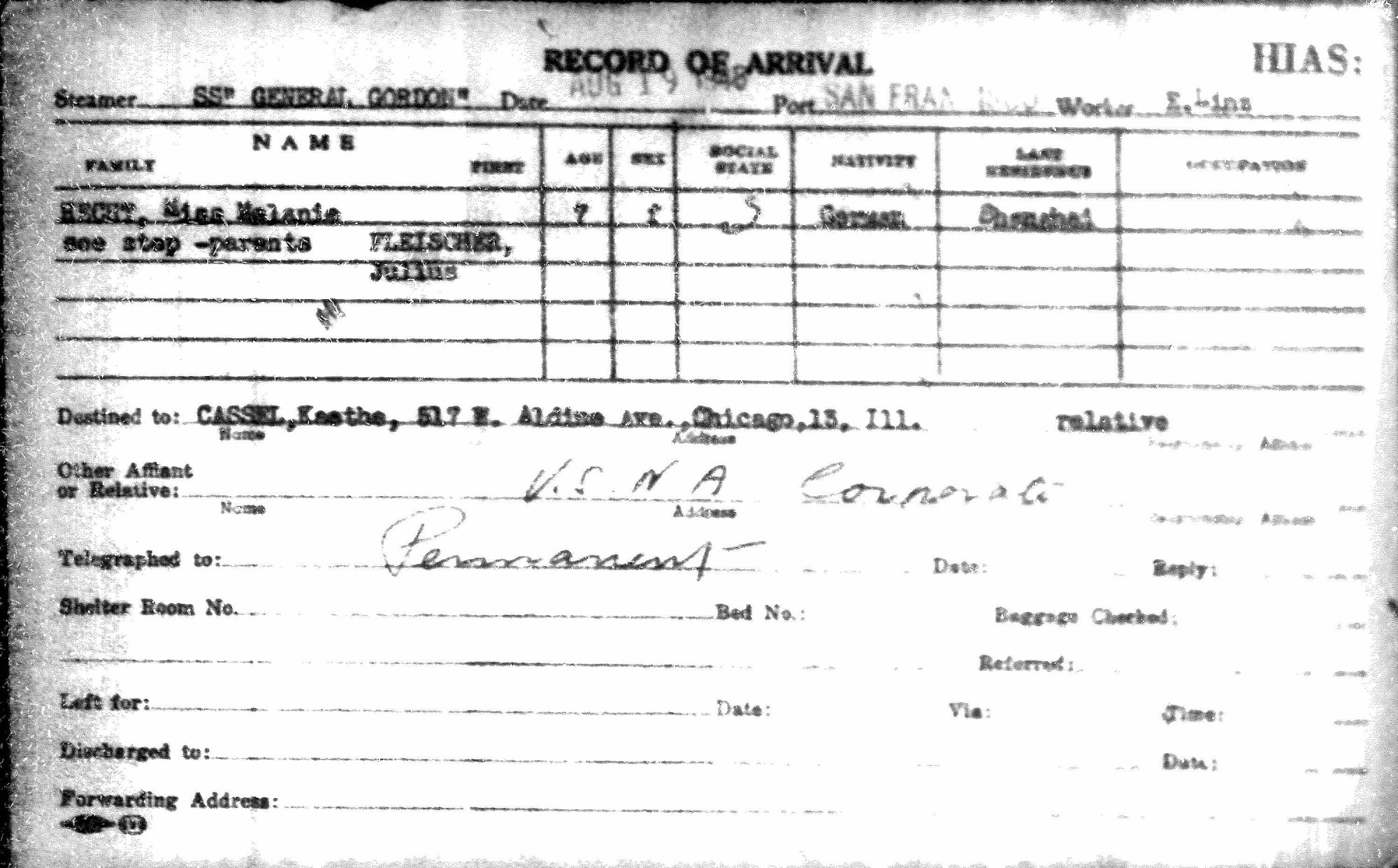
In 1948, seven-year-old Hannah and her family left Shanghai for the United States. The Hebrew Immigrant Aid Society (HIAS) arranged their journey. Since Hannah’s baby stepsister was only a year old, her mother and sister sailed first class while Hannah and Julius traveled in steerage. During the day, Hannah spent time with her family, but at night she slept in the third-class women’s section.The family arrived in San Francisco in August 1948 and stayed in an apartment hotel for several months, while Stefanie’s sister, who had left Shanghai earlier, was looking for an apartment in Chicago for them. The family left in December by train for Chicago, where they settled in a Jewish neighborhood. Hannah’s stepfather was legally blind, which made it difficult for him to find work. The Jewish Family Service helped support her family for several years. Meanwhile, Hannah’s birth father had moved to Australia in 1945, where his sister had gone before the war.
In 1959, after leaving for college, Hannah came home for a few days to become a U.S. citizen. Later, she joined the Peace Corps and served in Turkey alongside her husband from 1967 to 1969. In 1971, she gave birth to their son Eric. Together, they moved to Seattle. Hannah eventually returned to school to study accounting and went on to work for the University of Washington. Today, she is retired and lives in Seattle close to her son, daughter-in-law, and grandson.
- More About This Survivor:
-
Fred Roer - Germany
-
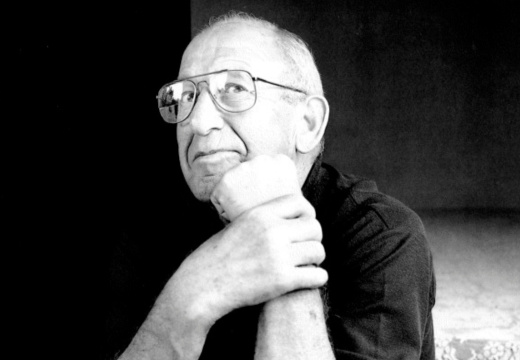
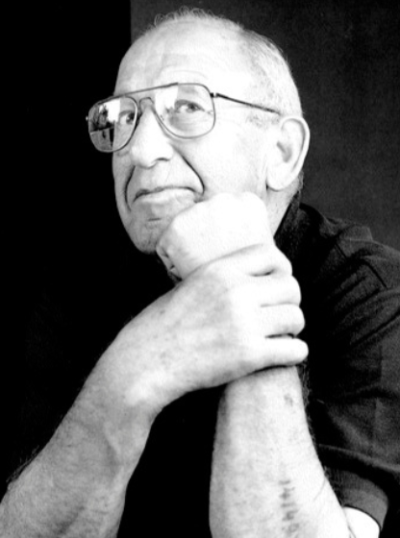
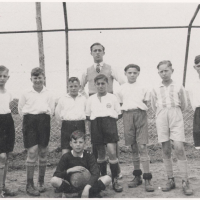
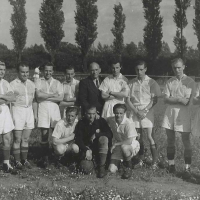
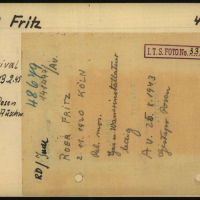
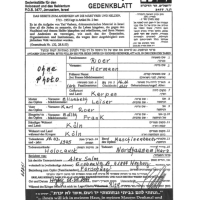
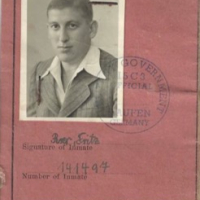
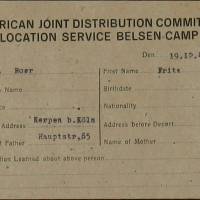
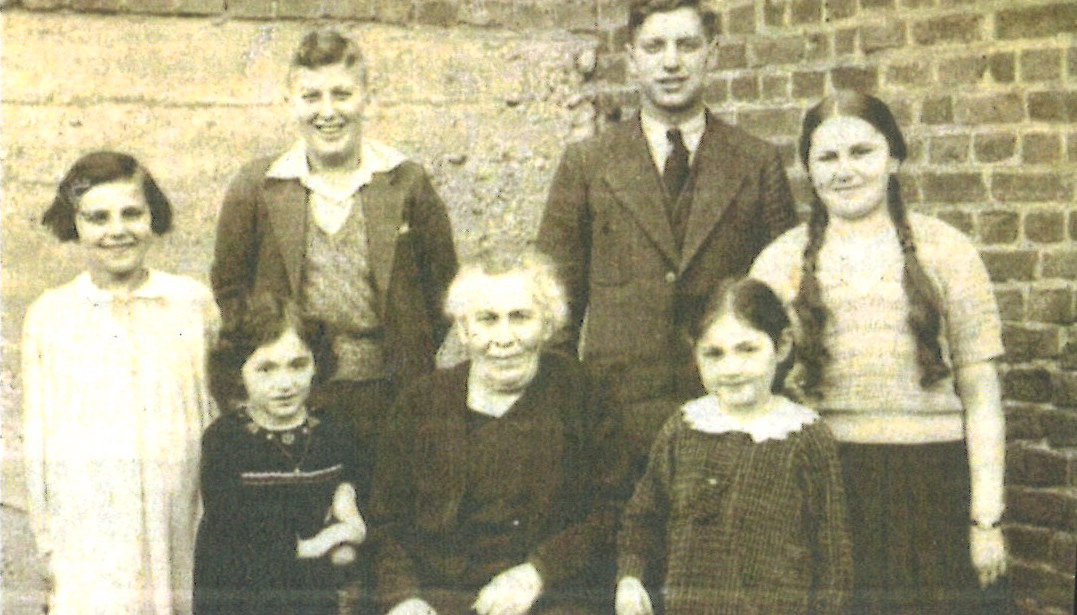
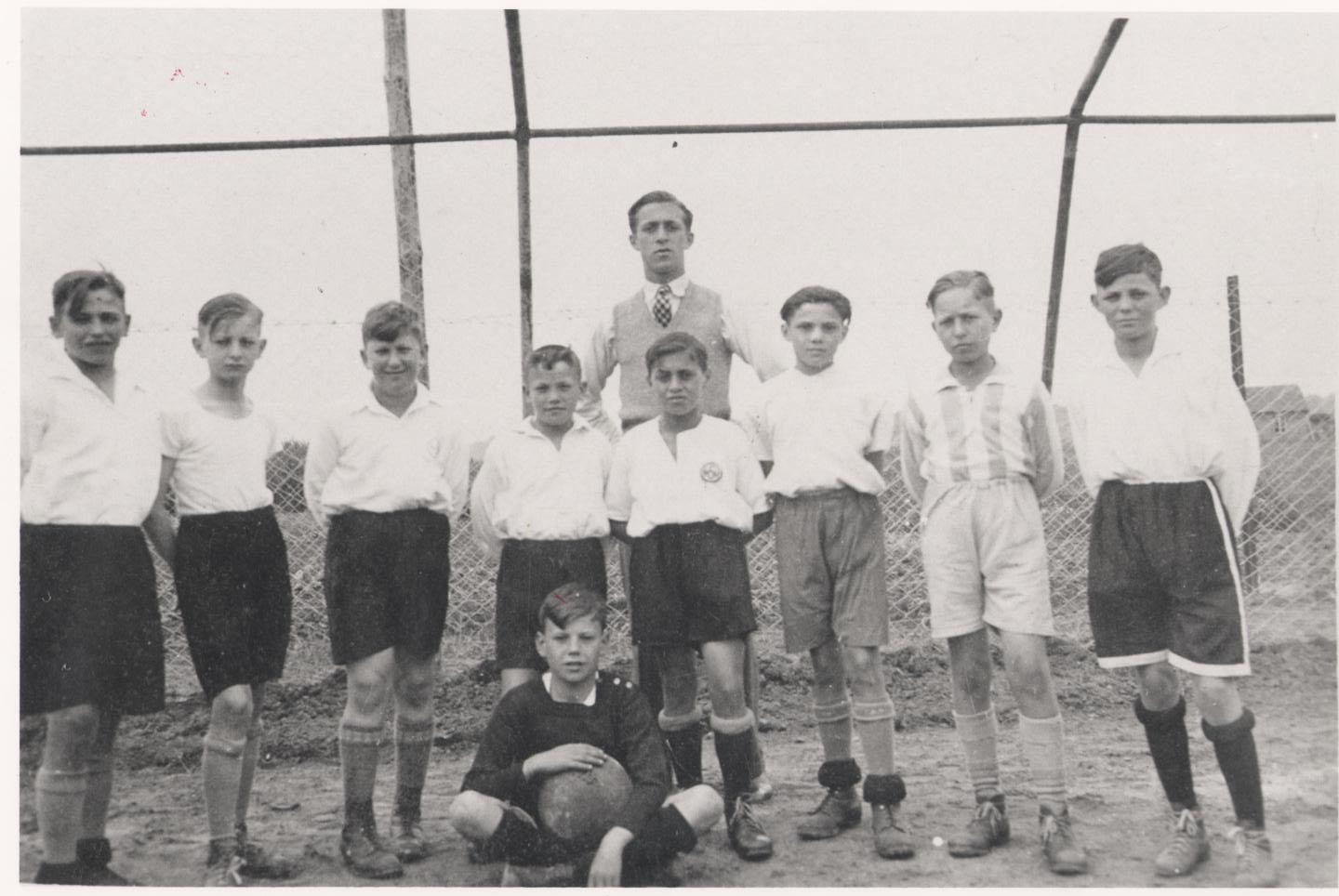
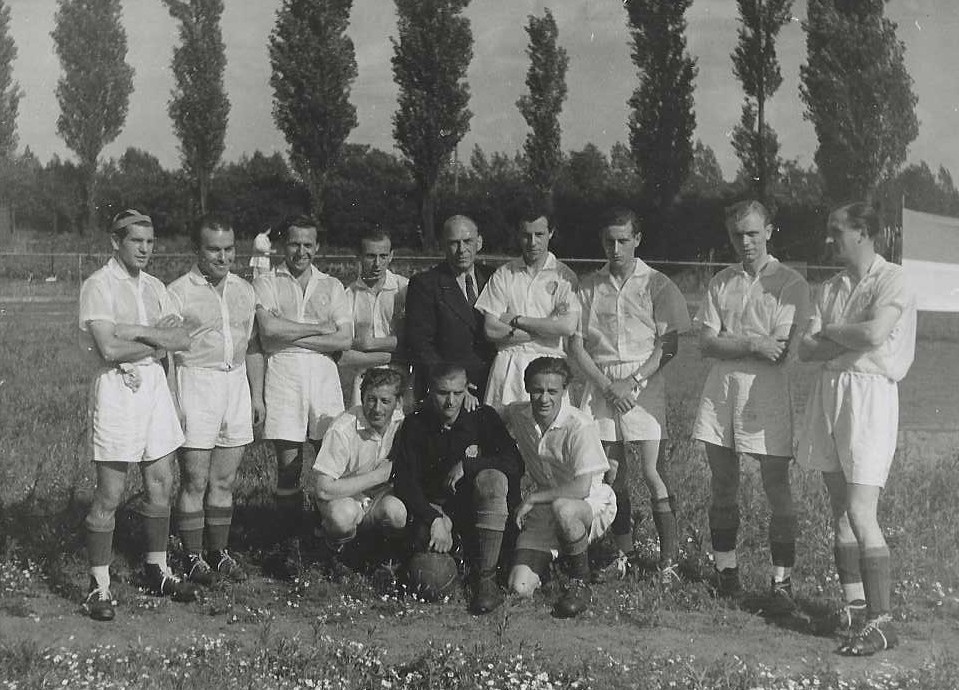
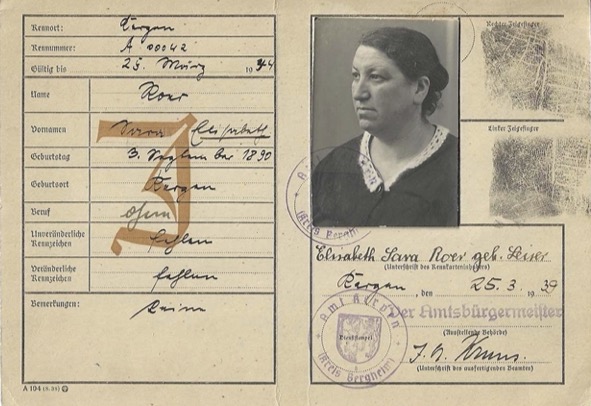
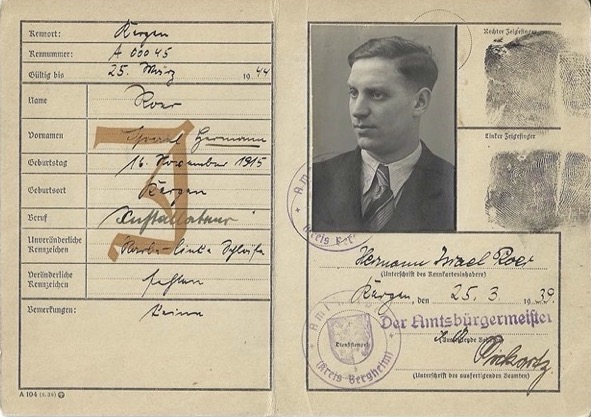
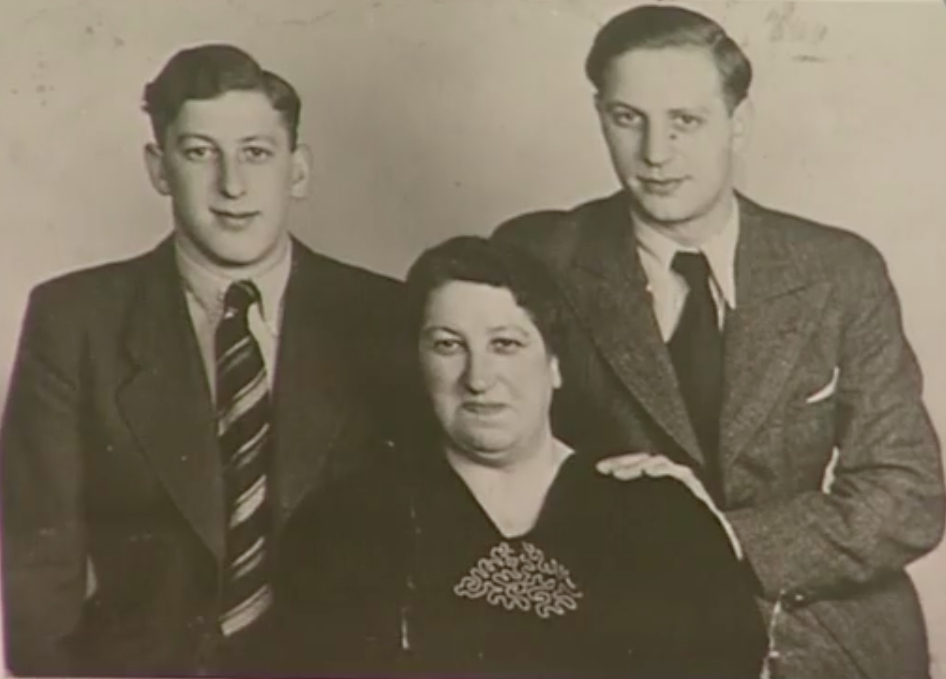
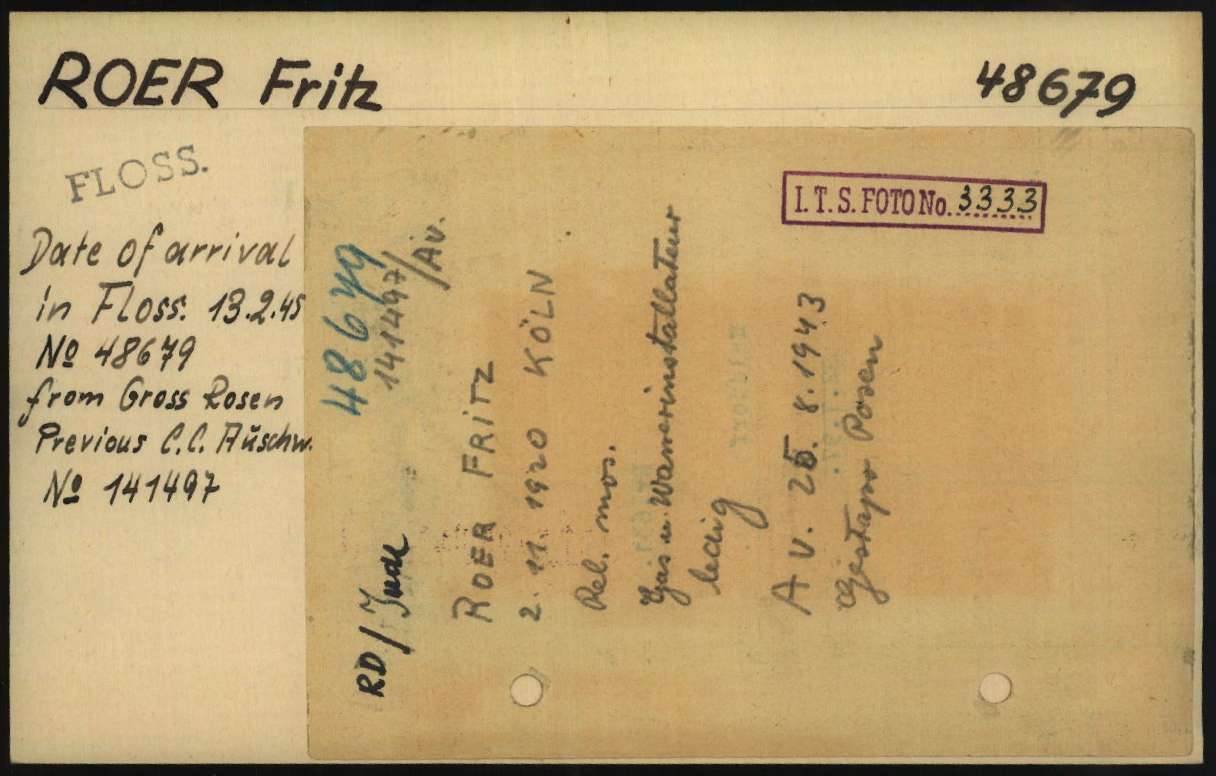
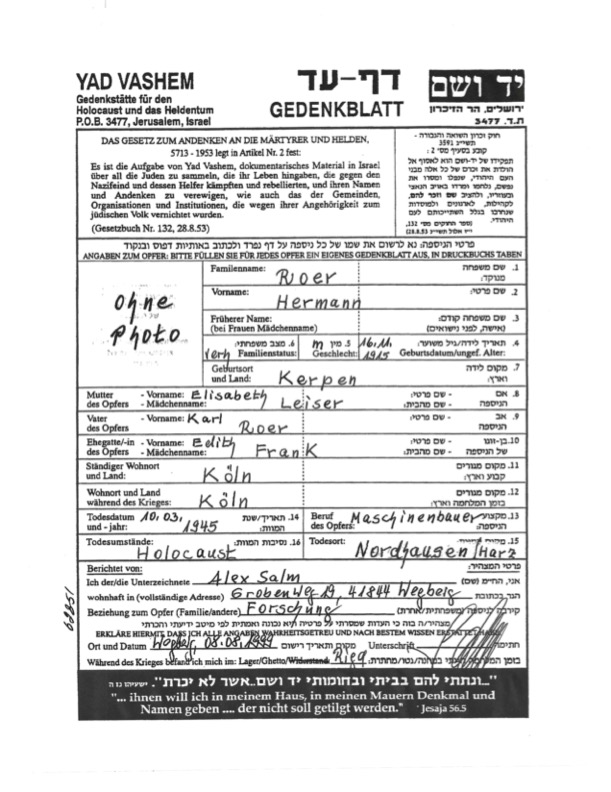
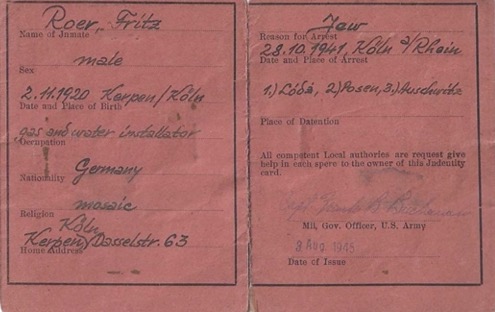
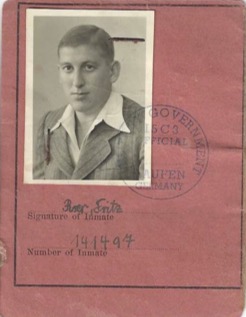
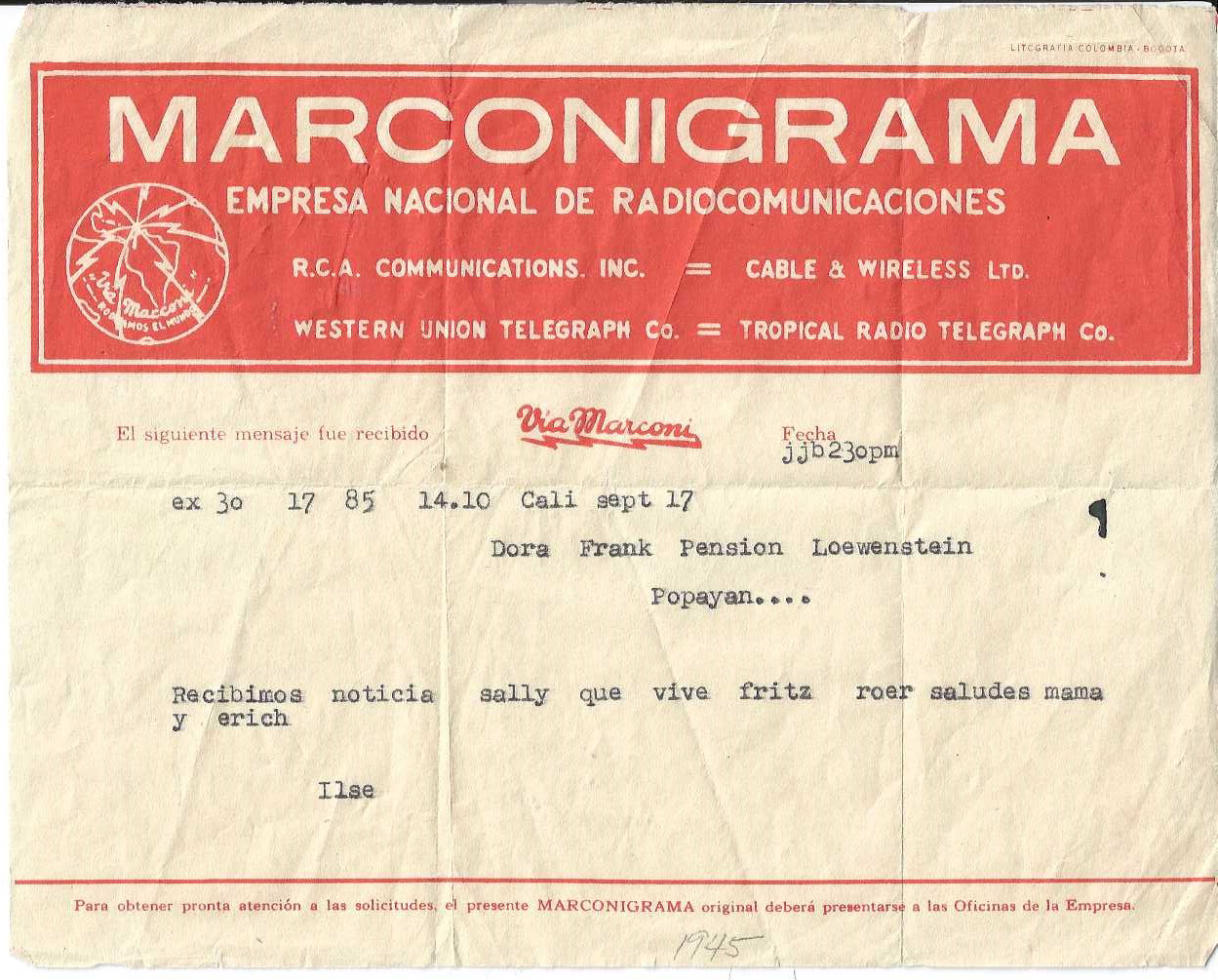
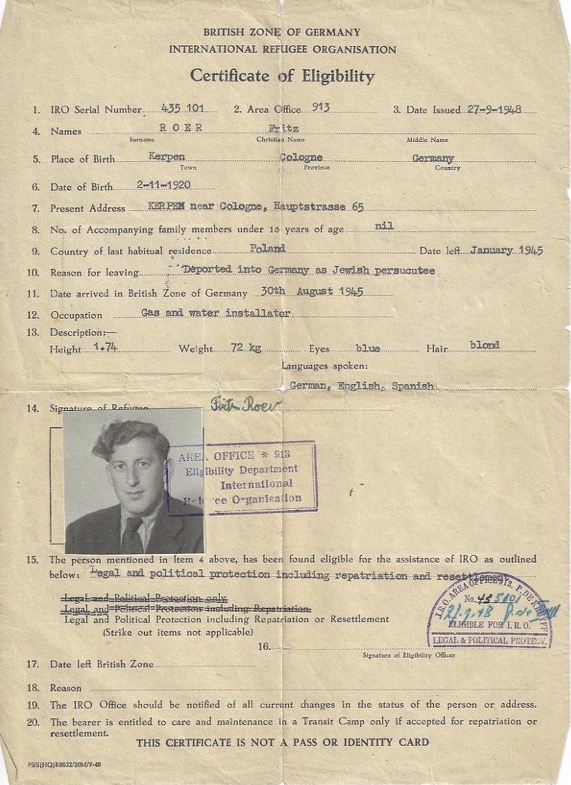
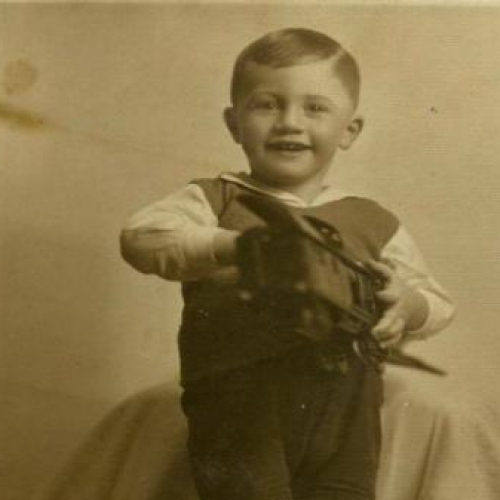
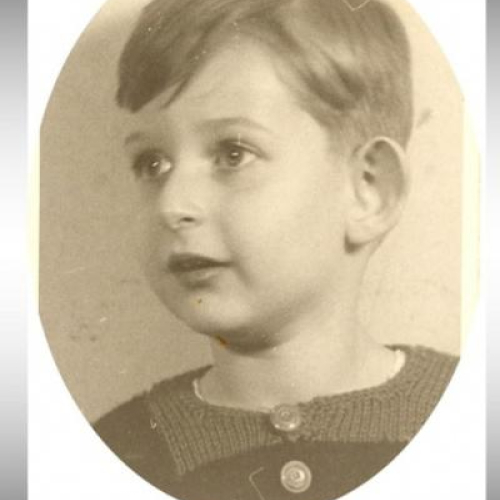
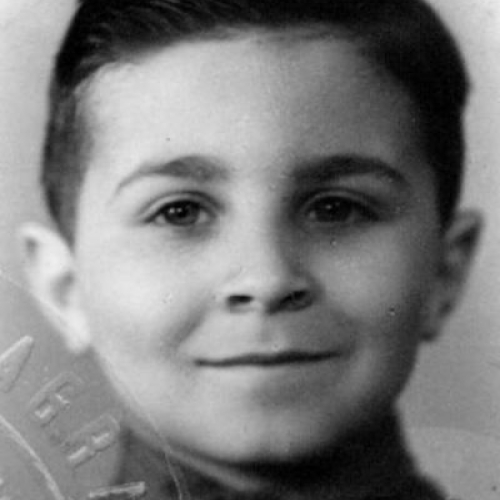
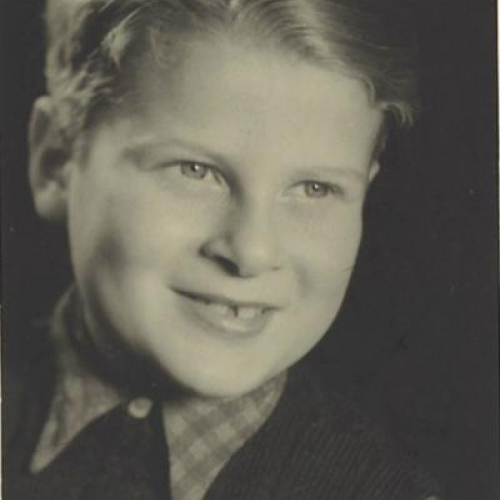
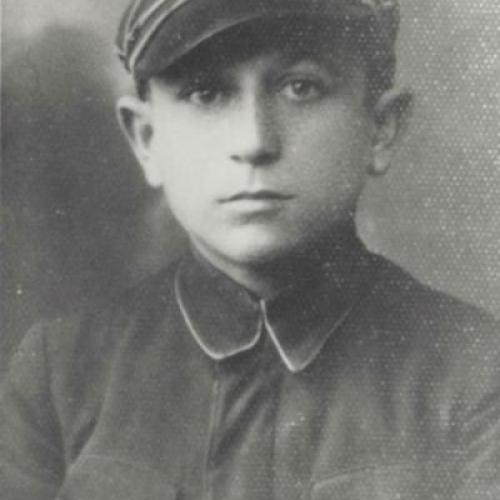
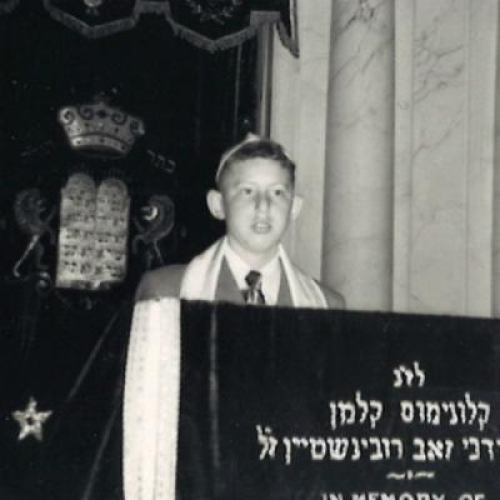
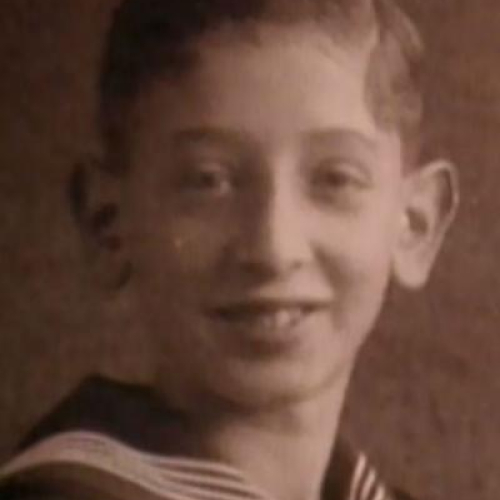
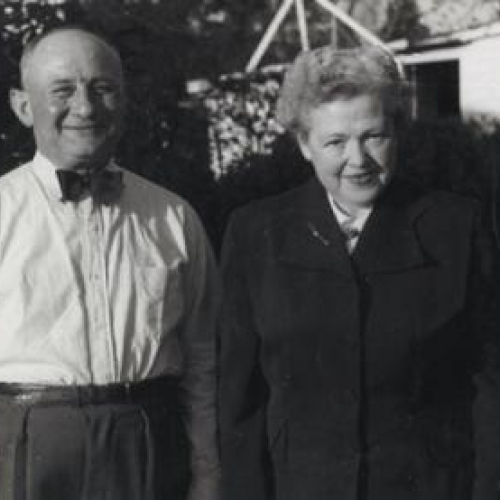
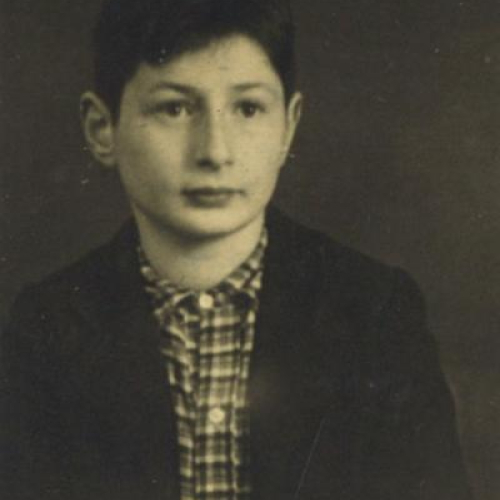
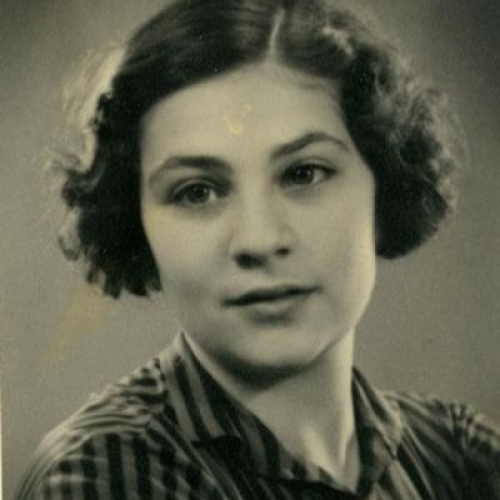
Fred Roer was born on November 2, 1920, in Kerpen, Germany, a small town with a Jewish community of only about thirty families. His mother’s and father’s families had lived in the area for many generations. Fred grew up in a middle-class household with his parents and his older brother, Hermann. The family owned a successful business that installed gas, water, and electric systems and sold household appliances. Fred often remembered his childhood as happy and full of normal activities. He attended school with both Jewish and non-Jewish students. From the age of seven, he played on soccer teams with friends from both communities, a passion he carried throughout his life.
When the Nazis took power in 1933, 13-year-old Fred was kicked off his soccer team because he was Jewish. The following year, he was expelled from school. And in November 1938, after Kristallnacht, his family was forced to sell their business.
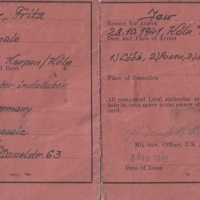
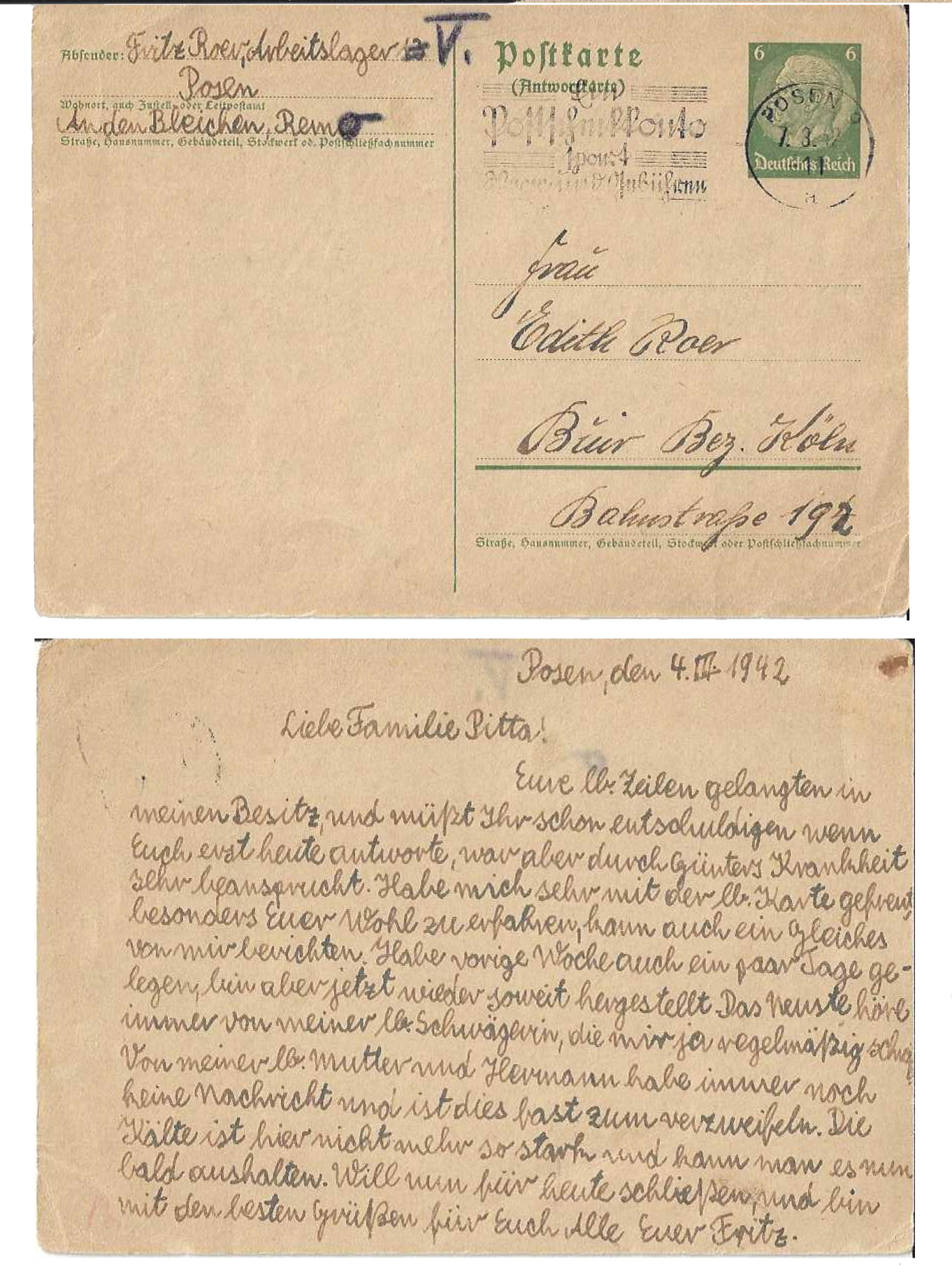
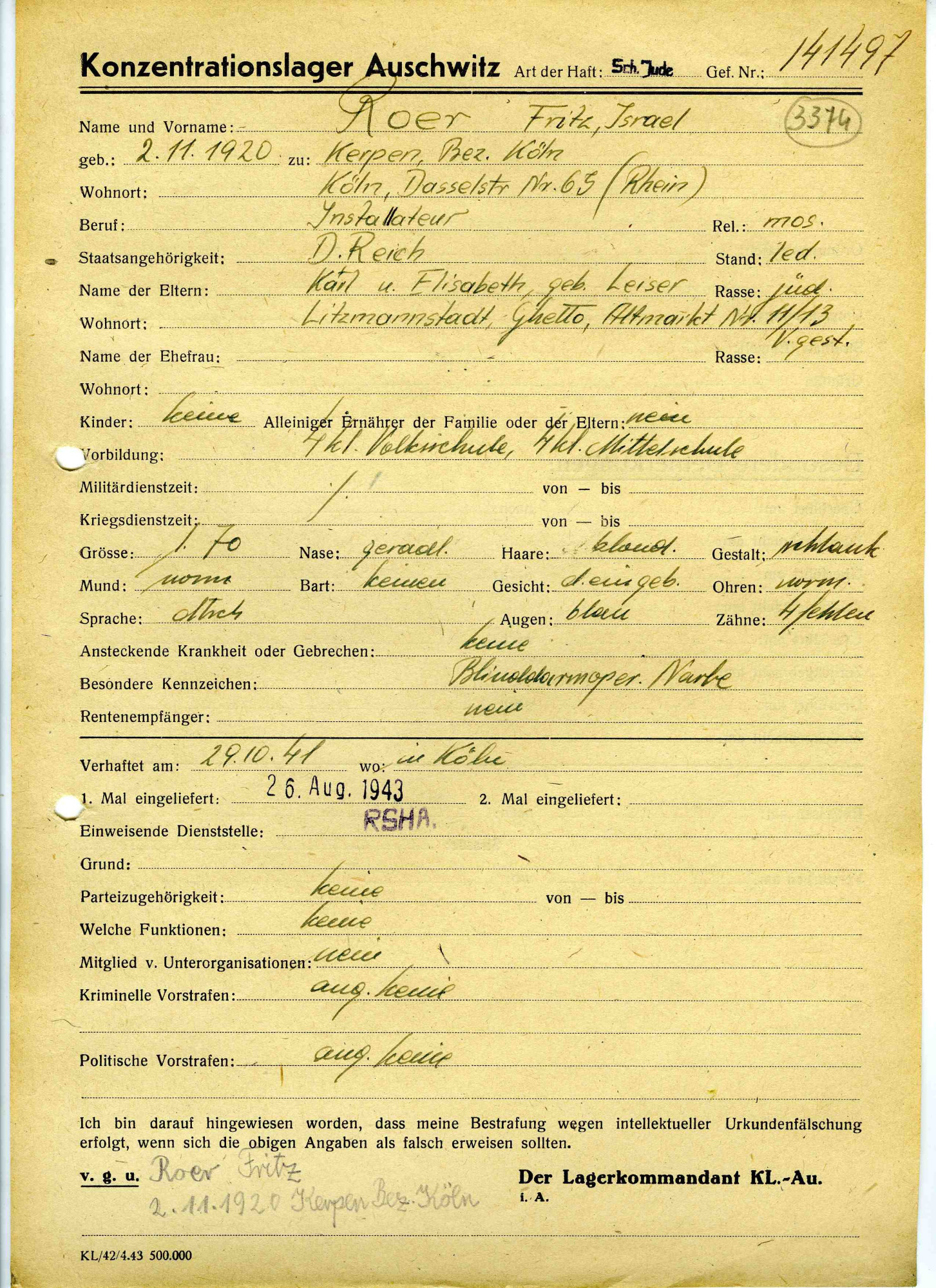
In October 1941, Fred and his family were deported to the Lodz Ghetto in Poland. He was separated from his mother and brother and sent to a forced labor camp in Poznan. From 1941 to 1943, Fred dug irrigation ditches and helped excavate a massive man-made lake. The project was part of the Nazis’ plan to create a “show city” that glorified the German Reich. When the project ended, Fred was deported to Auschwitz, arriving on August 27, 1943. He was assigned to the Janinagrube subcamp and forced to work in a coal mine. In January 1945, as the Soviet army approached, he was forced to march from Gross-Rosen and then to Regensburg. He was finally liberated by the U.S. Army near Mauthausen at the German-Austrain border.
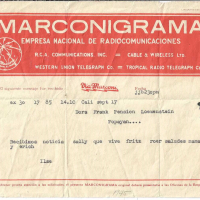
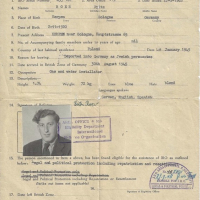
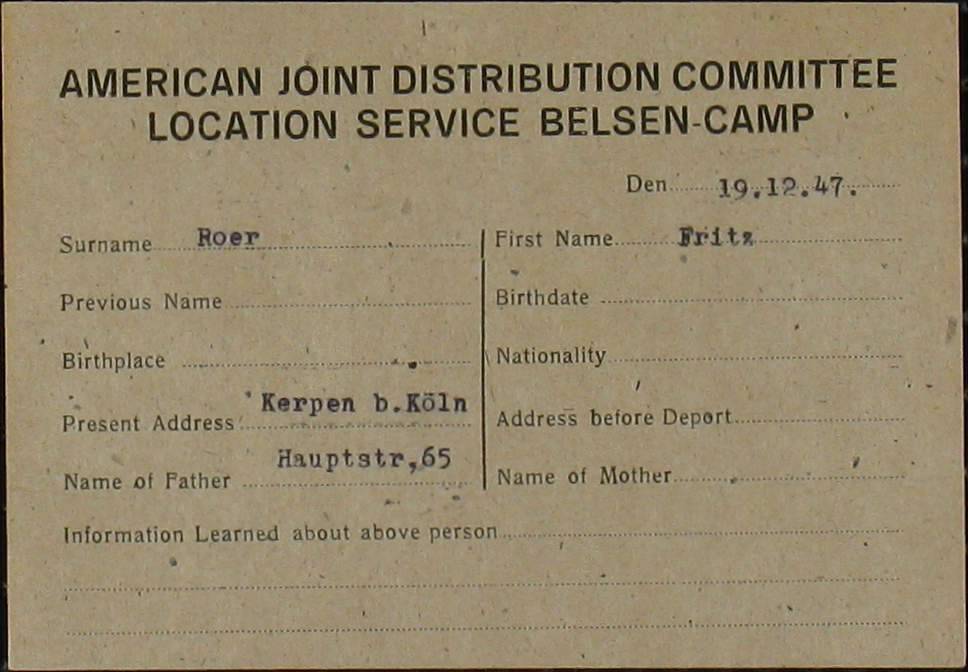
After liberation, Fred returned to Kerpen and stayed with family friends. He soon learned that neither his mother nor brother had survived. With the help of his uncles in Los Angeles, Fred was able to immigrate to the United States in 1949. He then decided to travel to Seattle to live with a relative and look for work. Fred found a job at a drapery wholesale company. Over time, he worked his way up to become a warehouse manager. In Seattle, he built a new life, marrying Sarah Israel in 1952 and becoming a U.S. citizen in 1955. Fred and Sara had three children: Carl, Greg, and Elizabeth. For many years, Fred shared his story as a member of the Holocaust Center’s Speakers Bureau. He passed away in 2010. His son Carl continues to share his father’s story as a member of the Holocaust Center’s Speakers Bureau.
1920-2010
- More About This Survivor:
-
Survivor Encyclopedia: Washington State
Marian Nachman - Netherlands
-
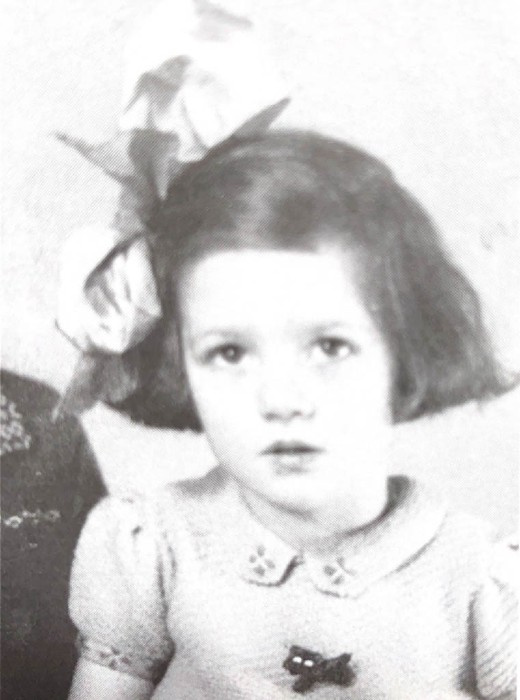
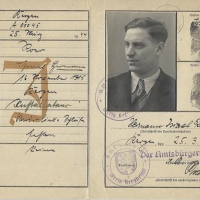
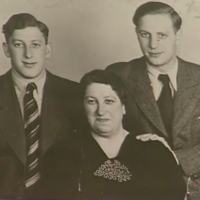
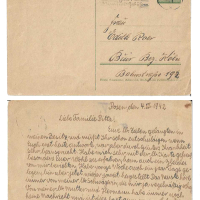
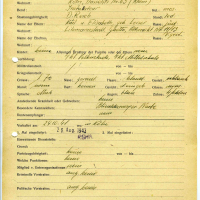
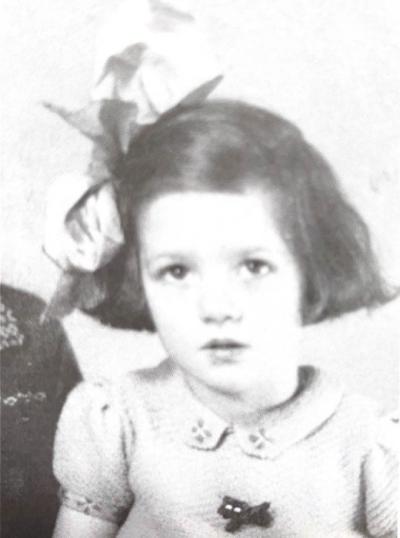
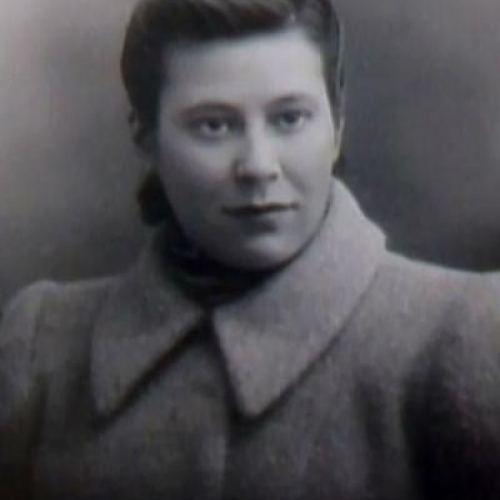
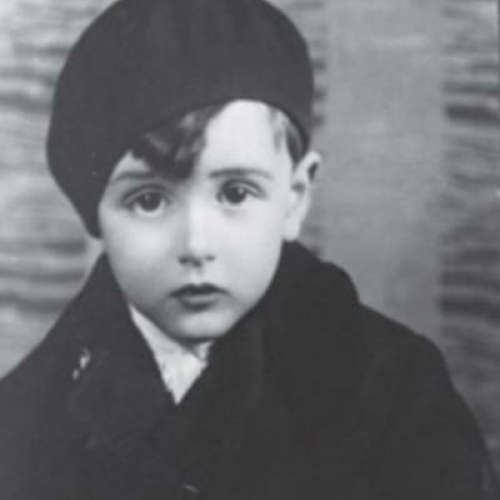
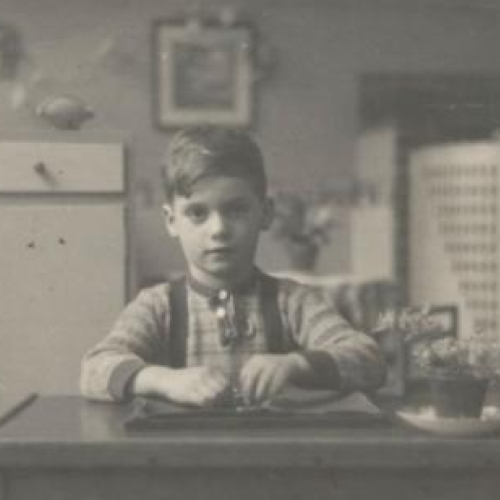
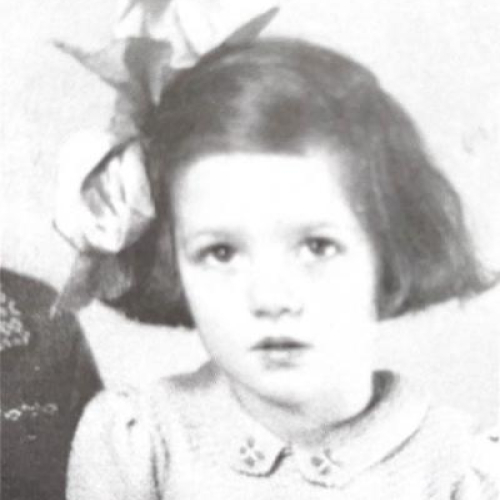
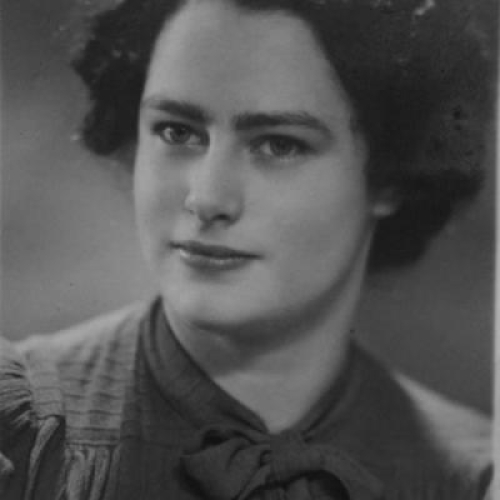
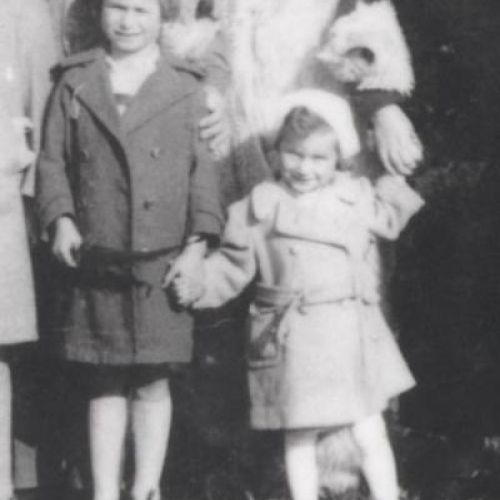
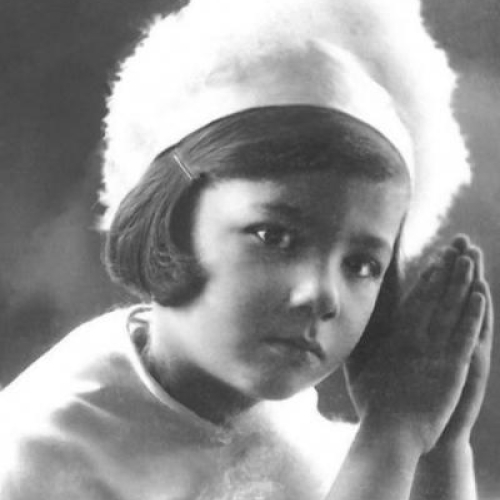
Marian in 1942, Netherlands “What I know about my parents and my early years I learned much later in my life. Since I was just three years old when I was sent into hiding, I have no recollection of my mother or father. My grandfather apparently also lived with us.” - Marian Nachman
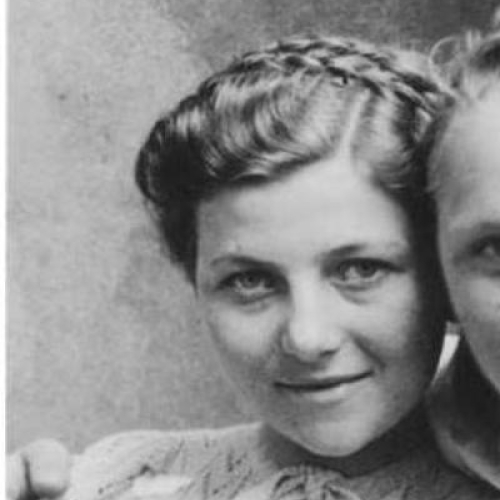
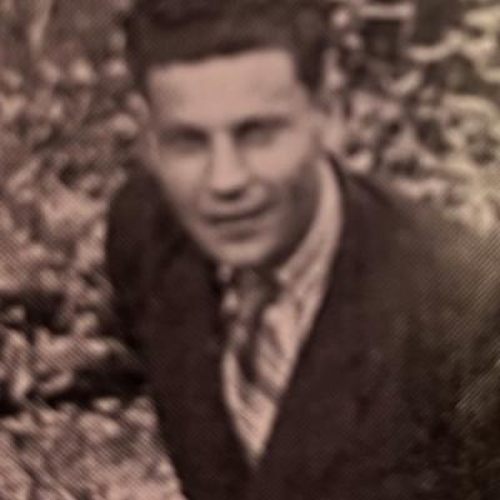
Marian (Neuhaus) Nachman was born in s’Hertogenbosch, Holland on May 8, 1938. Her parents Martha Davids and Arthur Neuhaus had emigrated from Germany in 1936.
Her parents went into hiding in 1941, in a place that was too dangerous to take her, so she first went to live with the Bruning family in a nearby town, they had 12 children so they thought one more wouldn’t be notice, until one of the children mention in her school that a Jewish girl came to live with them. Mr. Bruning thought it was better she moves to another house, when she was three years old, she was sent into hiding with the Martens’ family living in a small town called Horst in Limburg not far from the German border where she spent the war years. Christine and Albert Martens had two sons Ton and Jan who became Marian “brothers” during the war and she was able to live in the open. Her name was Marianne Martens.
She was brought up as a Catholic child and went to the local convent school and studied for her first Communion; she was devastated to learn that the church would not permit her to go through with it.
Some time after May 9, 1945 her uncle Kurt (her father’s brother) appeared at the house telling her she had to leave to America to live with an aunt and uncle, she didn’t want to leave because for her the Martens were her family.
In 1946 she flew from Amsterdam to America to live with uncle Fritz, another brother of her father, aunt Ellen and cousin Bob, it was very difficult for her no one spoke Dutch, she felt lonely, lost and abandoned.
She lived in New York, at that time she was still not aware that her real parents were not the Martens, and that the Germans had killed her biological parents. Her parents were killed in Sobibor, in Poland in 1943. She did not know the details of what happened to them until 1996.
Her relationship with her new family was always very difficult, she always stayed in touch with the Martenses, after many years she finally learned that the Martenses really had loved her and had wanted to keep her with them, but they didn’t want to interfere when members of her real family appeared.
The trauma of the numerous sets of families and parents that she had during her childhood affected her adult life and still does.
Marian majored in French at Smith College, worked for the United Nations as a guide and as photo researcher at the New York Times
- More About This Survivor:
Marian Nachman Oral History. The Jewish Historical Society of Fairfield County (2017; 1:02:09)
-


Ann Kaye - Poland
-
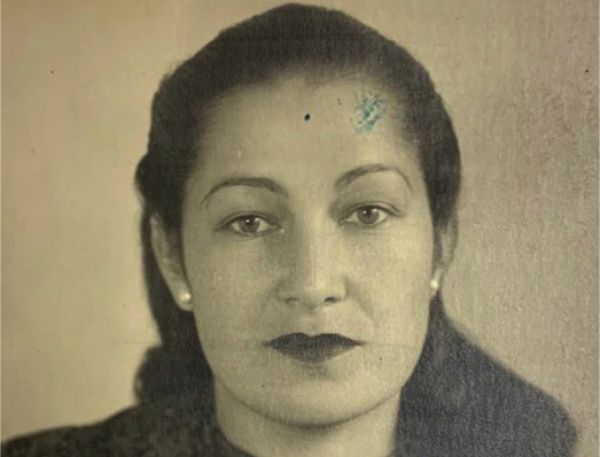
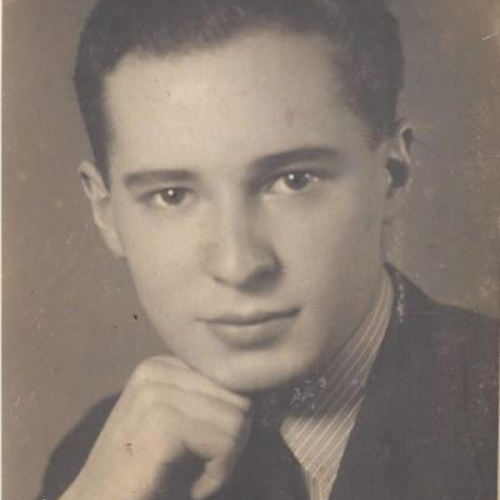
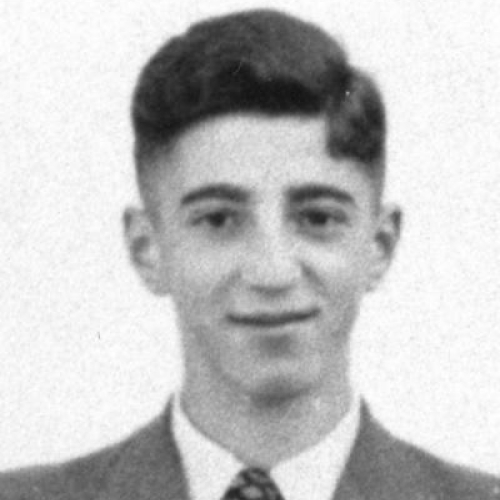
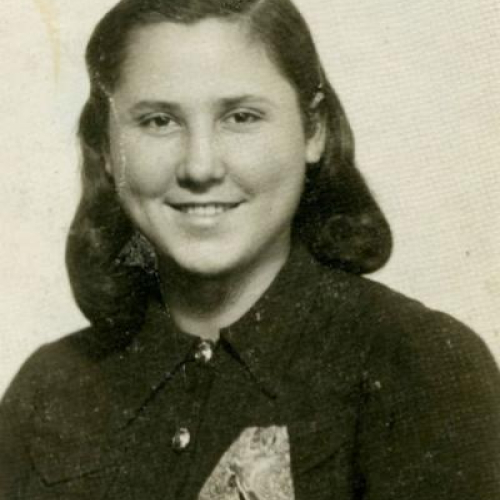
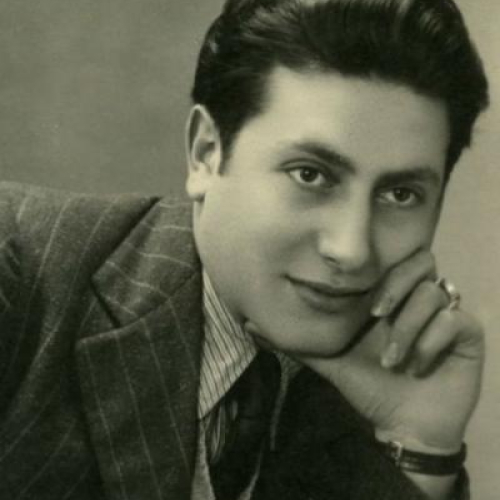
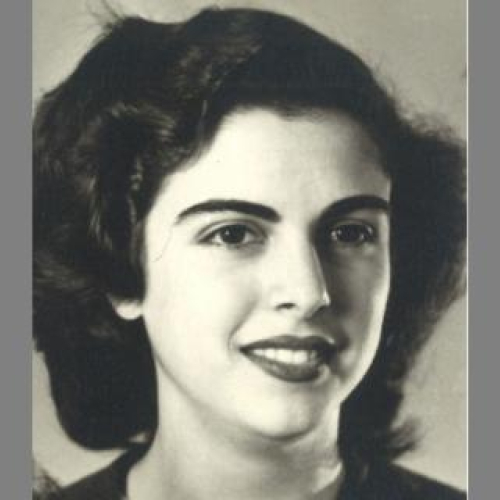
Ann Kaye (nee Pomeraniecz), 1946, Poland. “I was very weak and couldn’t go to work, so she put me in a commando that was called “Canada.” Because this particular commando was sorting out the clothing of the people that were gassed [rather than hard physical labor], in that commando I started doing better and I survived.” - Ann Kaye
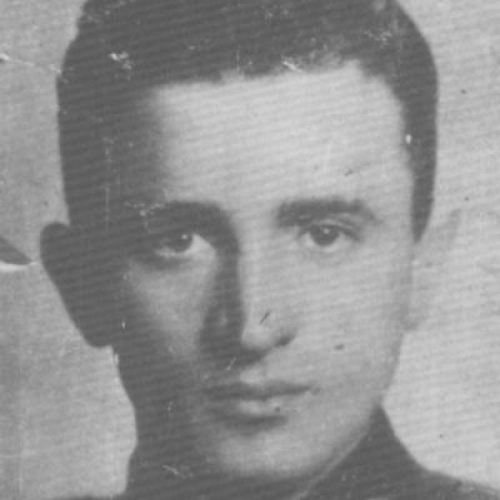
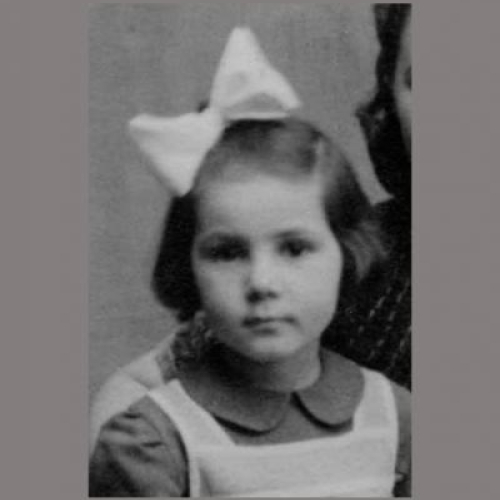
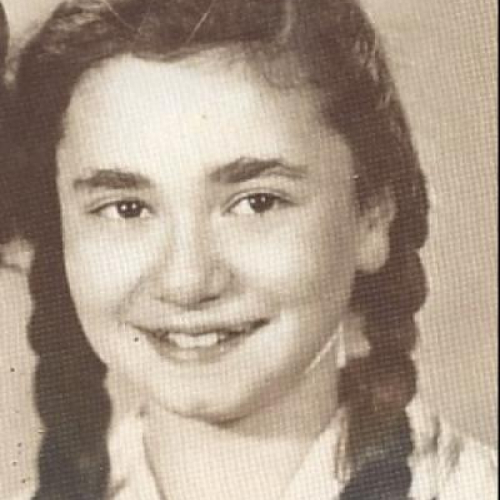
Ann Kaye (Hanne Pomeraniecz) was born to a Jewish family in Bereza Kartuska, Poland, on May 22, 1925. Ann had four brothers and two sisters. She belonged to a middle-class family and attended Hebrew school. Ann remembers her childhood as a happy one with a close family.
When Ann's father didn't show up for work one day in 1941, two policeman came and arrested him. For several days they tortured him. He begged to be killed, but they sent him back home so that others would know what would happen if they disobeyed their laws.
In the summer of 1942, the Nazis made two ghettos in the city: Ghetto A, for "useful" people – members of the Judenrat (Jewish Council) and the Jewish police, and for workers whose occupations were in demand and their families. The rest of the residents, including Ann and her family, were interned in Ghetto B. The inmates of Ghetto B were murdered by the Nazis in mid-July 1942, but Ann was able to escape with others. It took them 10 days to reach the Przany ghetto where conditions were slightly better. At the end of September 1942, she met her husband Ed Kaye in Przany.
In 1943 the Nazis set out to empty the Przany ghetto. They took the Jewish people, including Ann, by horses and sleds to the railroad and then packed them in cattle trains to Auschwitz. Ann was imprisoned in Auschwitz from January 1943 until January 1945, when she was forced out of the camp on what has become known as a "death march." She and the other prisoners were forced to walk miles in the midst of winter, with barely any food or water, and no shelter. Five months later, on May 5, 1945, she was liberated. She doesn't remember much about her liberation, other than that she woke up in a hay barn and was in the American zone.
Ann was the only survivor of her family. When she came back to Przany she discovered that Ed Kaye had survived. The two were married in February 1946.
In December of 1949, Ann and Ed came to the United States, settling in Seattle in 1950, where they raised their children and spent the rest of their lives.
b. 1925 - d. 2010
- More About This Survivor:
Tattoo - Ann Kaye (1:20)
Full Testimony - Ann Kaye (1990, 1:33:47)
-
















Video testimonies, teacher resources, and the work of the Holocaust Center for Humanity are licensed under CC BY-NC-ND 4.0. To view a copy of this license, visit https://creativecommons.org/licenses/by-nc-nd/4.0/
This license requires that reusers give credit to the Holocaust Center for Humanity. It allows reusers to copy and distribute the material in any medium or format in unadapted form and for noncommercial purposes only.
