


Survivor Encyclopedia
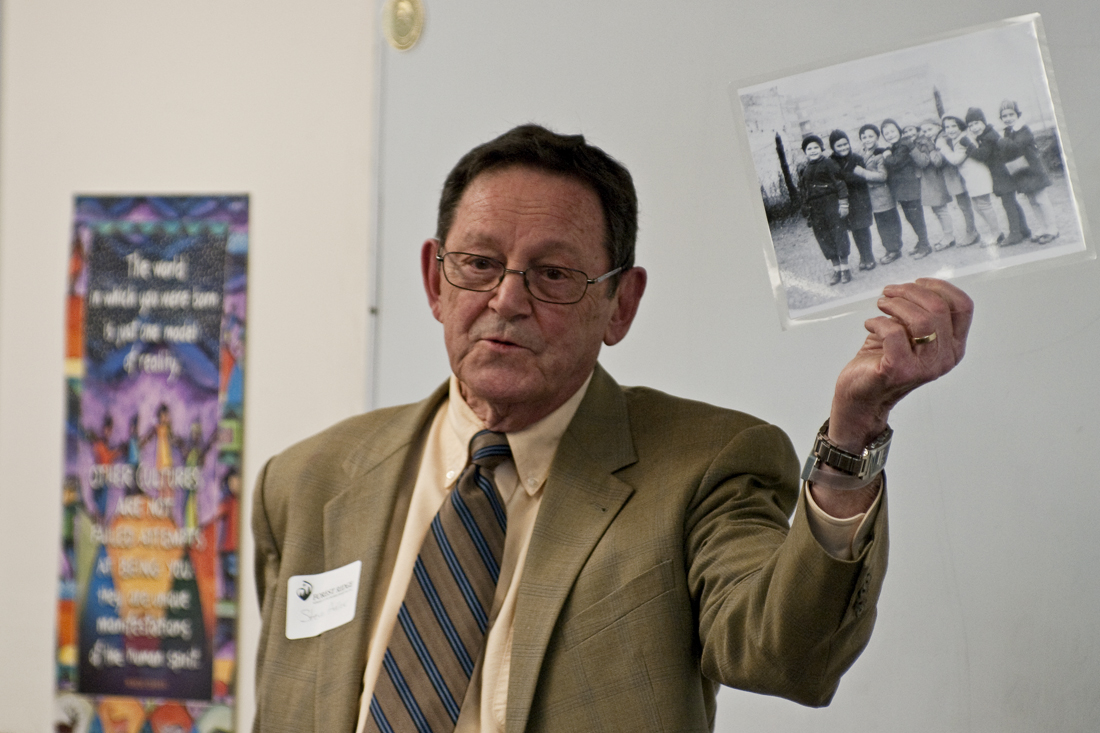
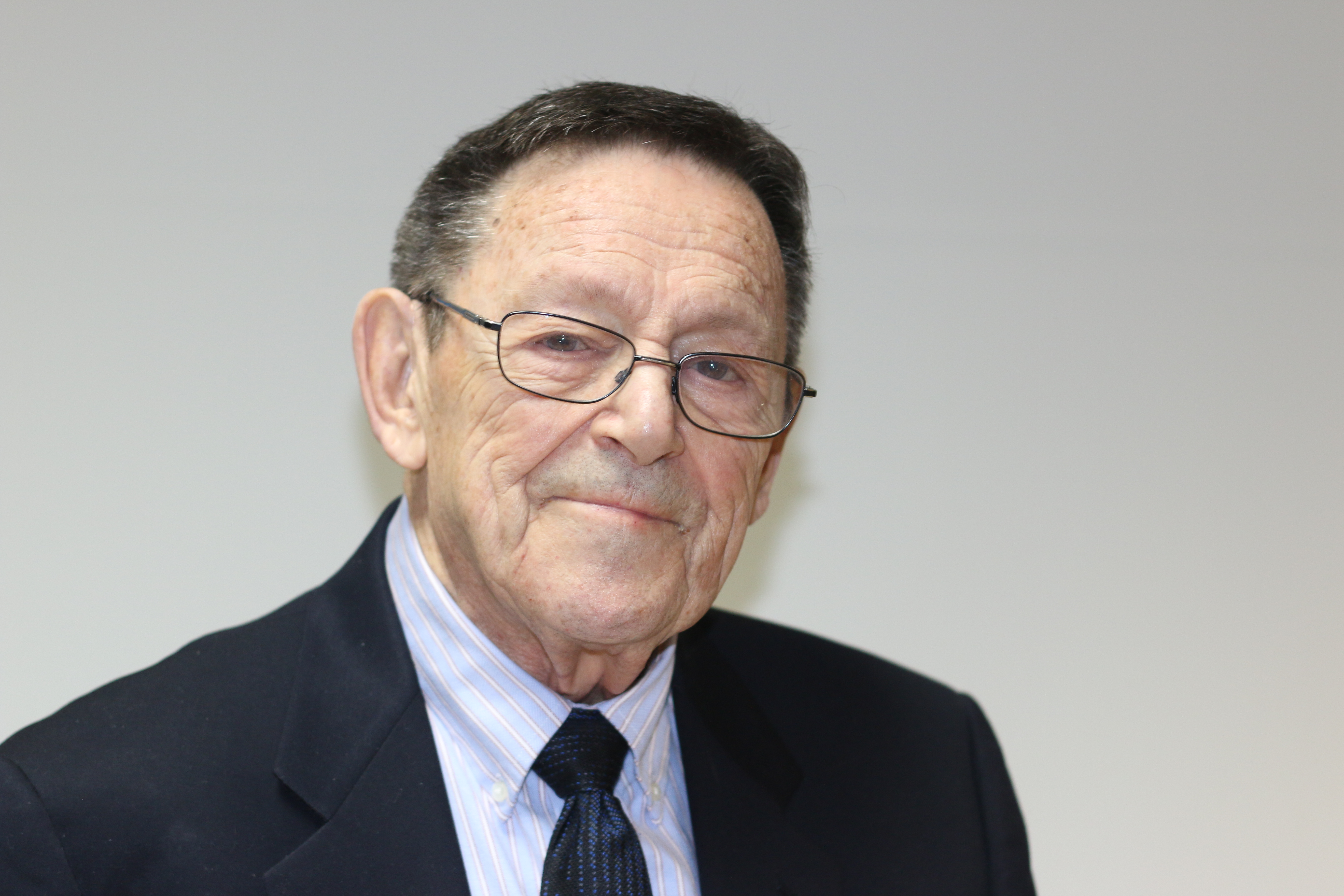
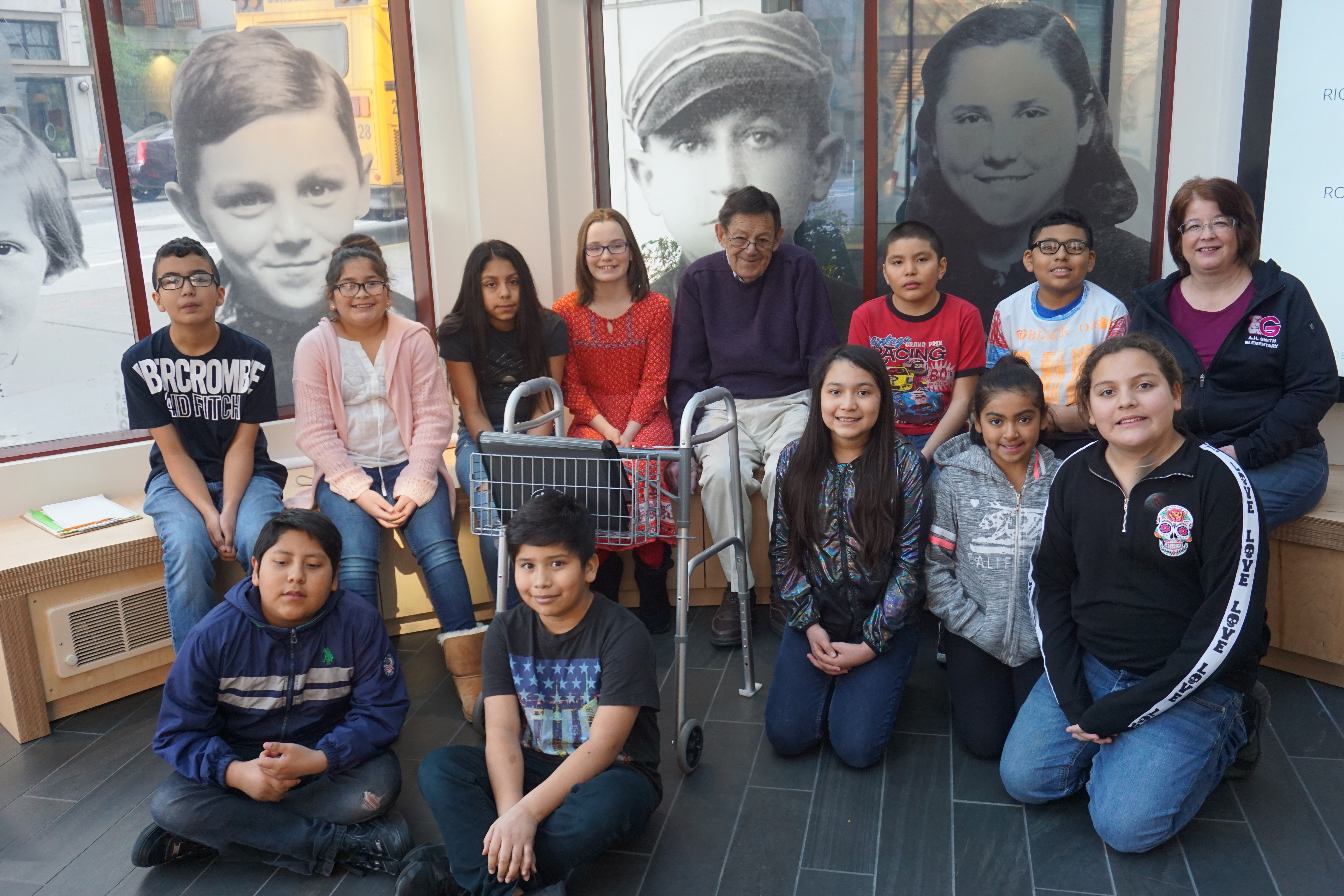
Steve Adler - Germany
-
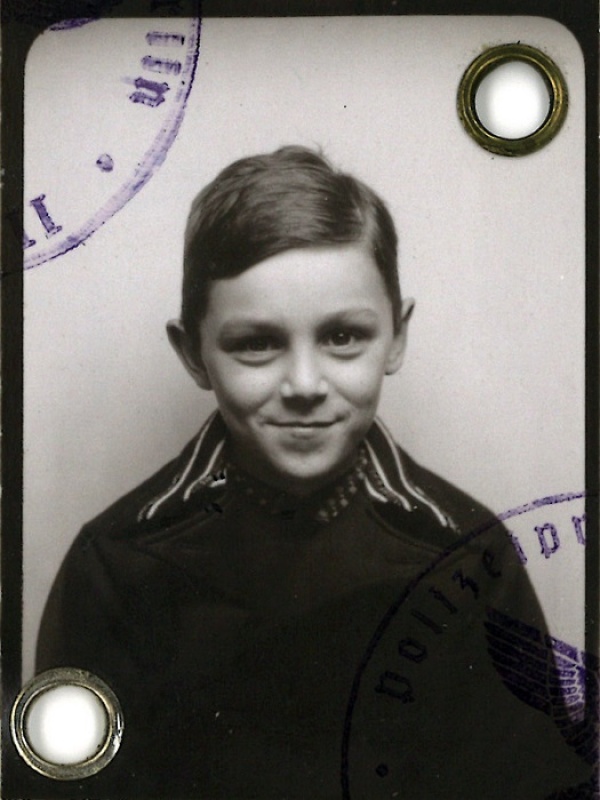
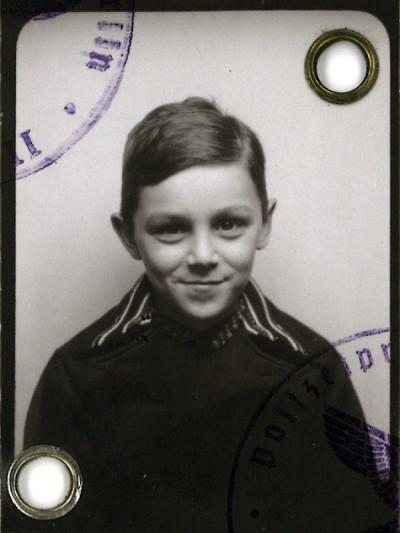
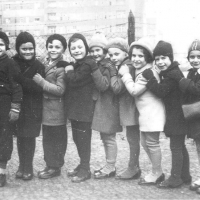
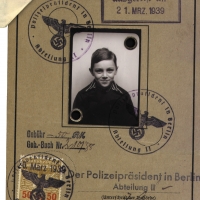
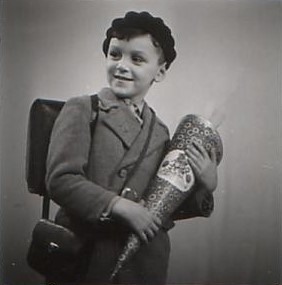
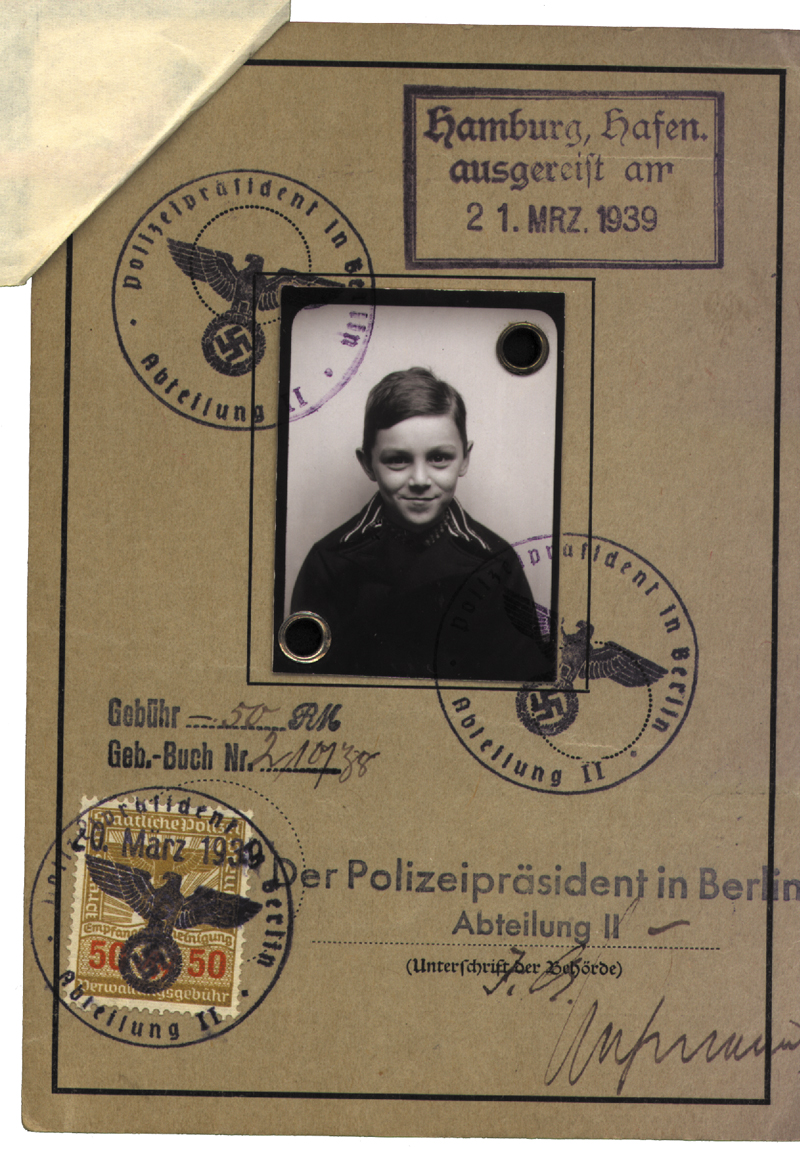
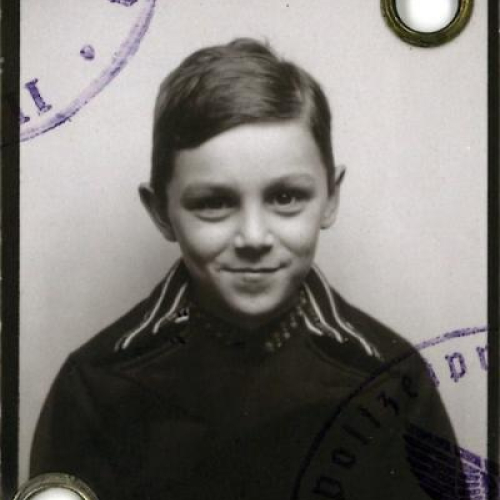
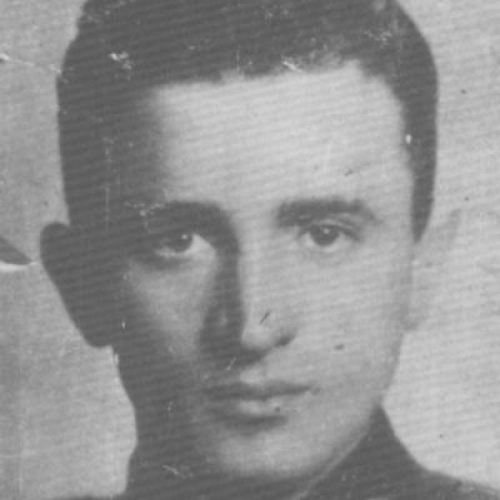
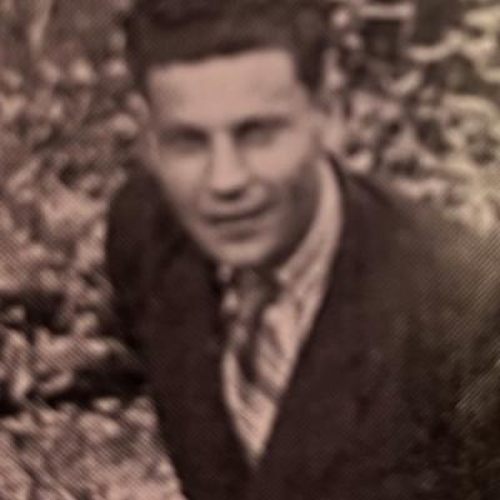
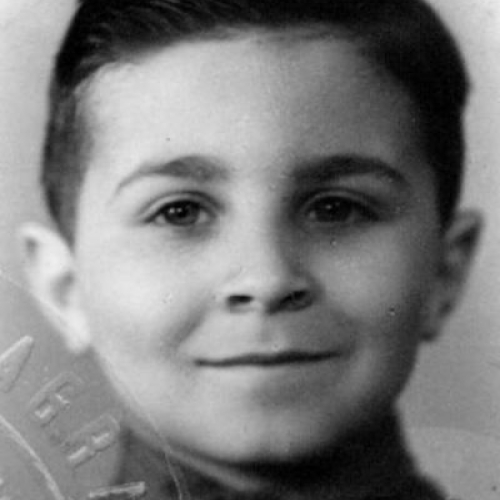
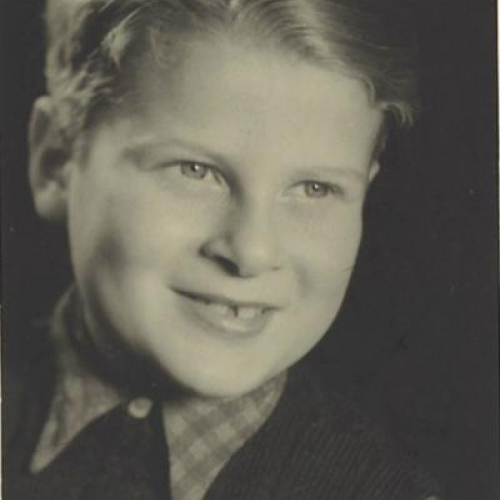
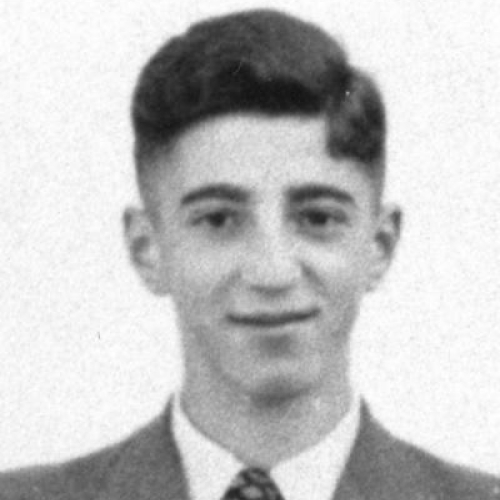
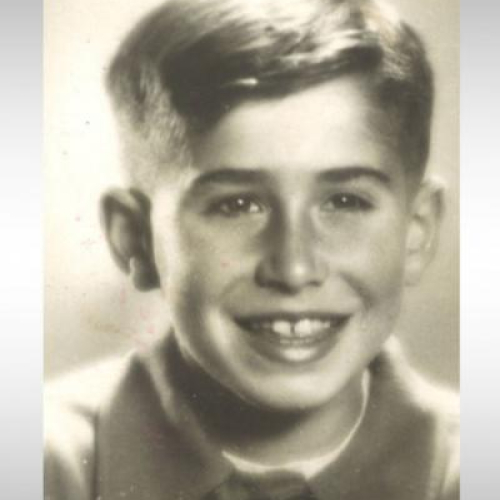
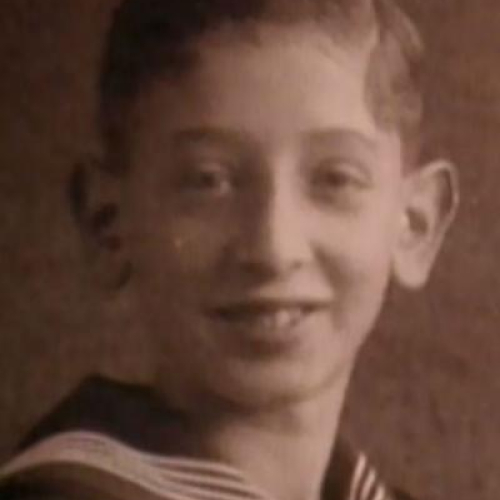
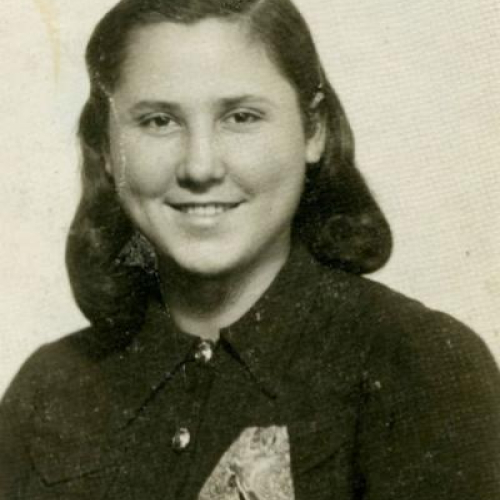
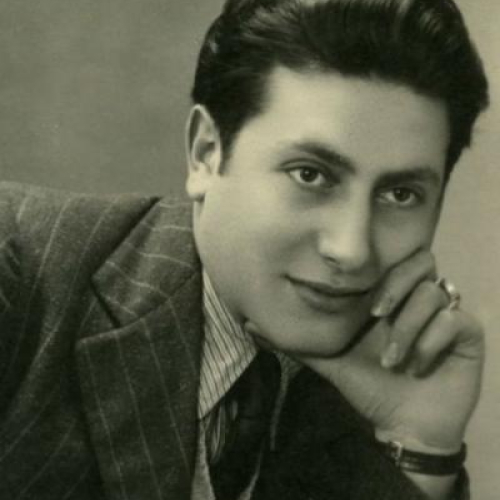
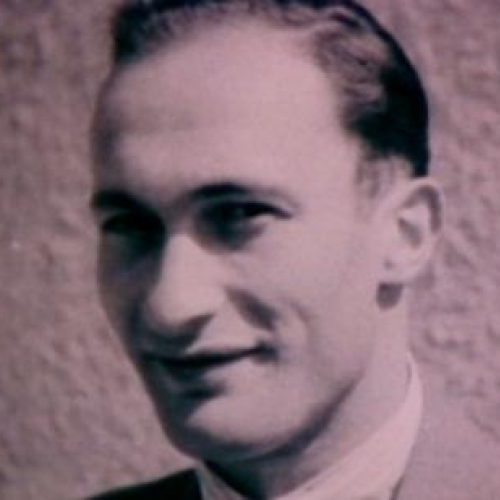
Steve Adler's German passport photo, 1939 "In March of 1939, my parents took me to a train station in Berlin for the trip to Hamburg. From there, I boarded a ship to Southampton, England, along with hundreds of other Jewish boys and girls. I didn’t know then whether I would see my family again…." - Steve Adler
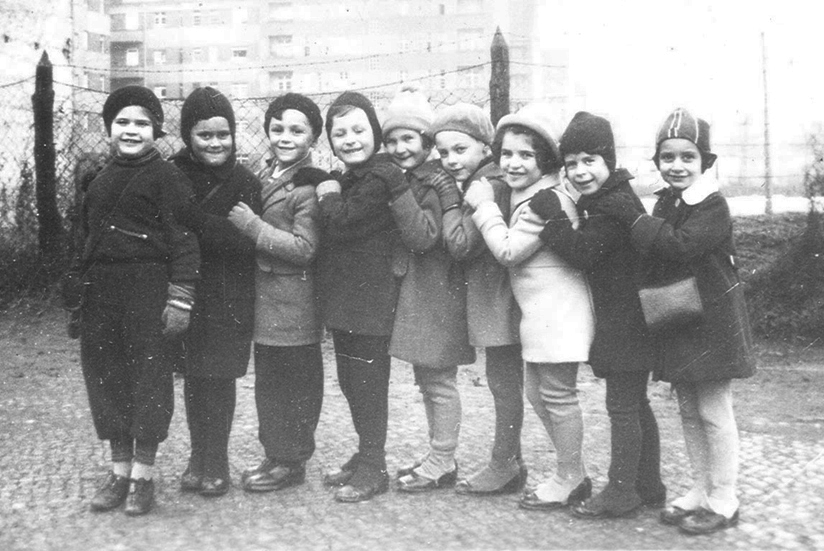
Stephen (Steve) Adler was born in Berlin, Germany in 1930. He was the younger son in a middle-class, Jewish family. At age 7, he was forced to leave his neighborhood school and to enter a Jewish private school. In the wake of Kristallnacht, the SS and Gestapo arrested more than 30,000 Jewish males including Steve’s father.
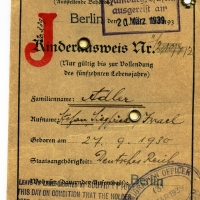
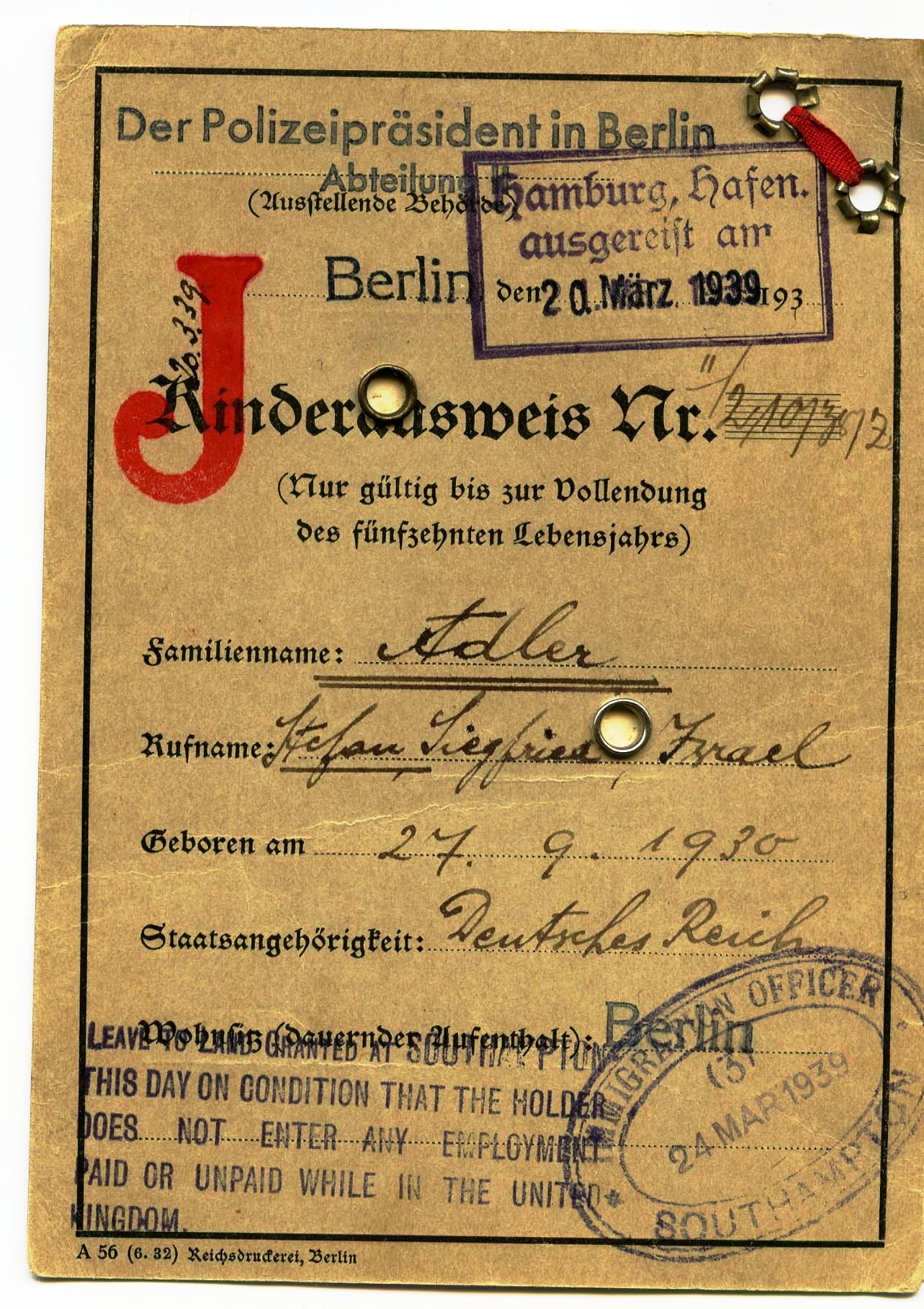
Over the next few months, conditions for Jews continued to deteriorate. In January of 1939, the Nazi government required all Jews to carry identity cards revealing their heritage, and danger became much more immediate for Steve and his family. In March 1939, three months after his father’s release from Sachsenhausen, Steve was sent by train to Hamburg to join a Kindertransport, or children’s transport, going to England by ship. Steve arrived in England knowing only one sentence in English. He was placed in a small house with a new family. In the spring of 1940, he was reunited with his brother and that summer, they met their parents again and traveled by ship to the United States, settling in Chicago.
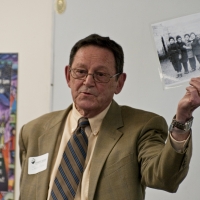
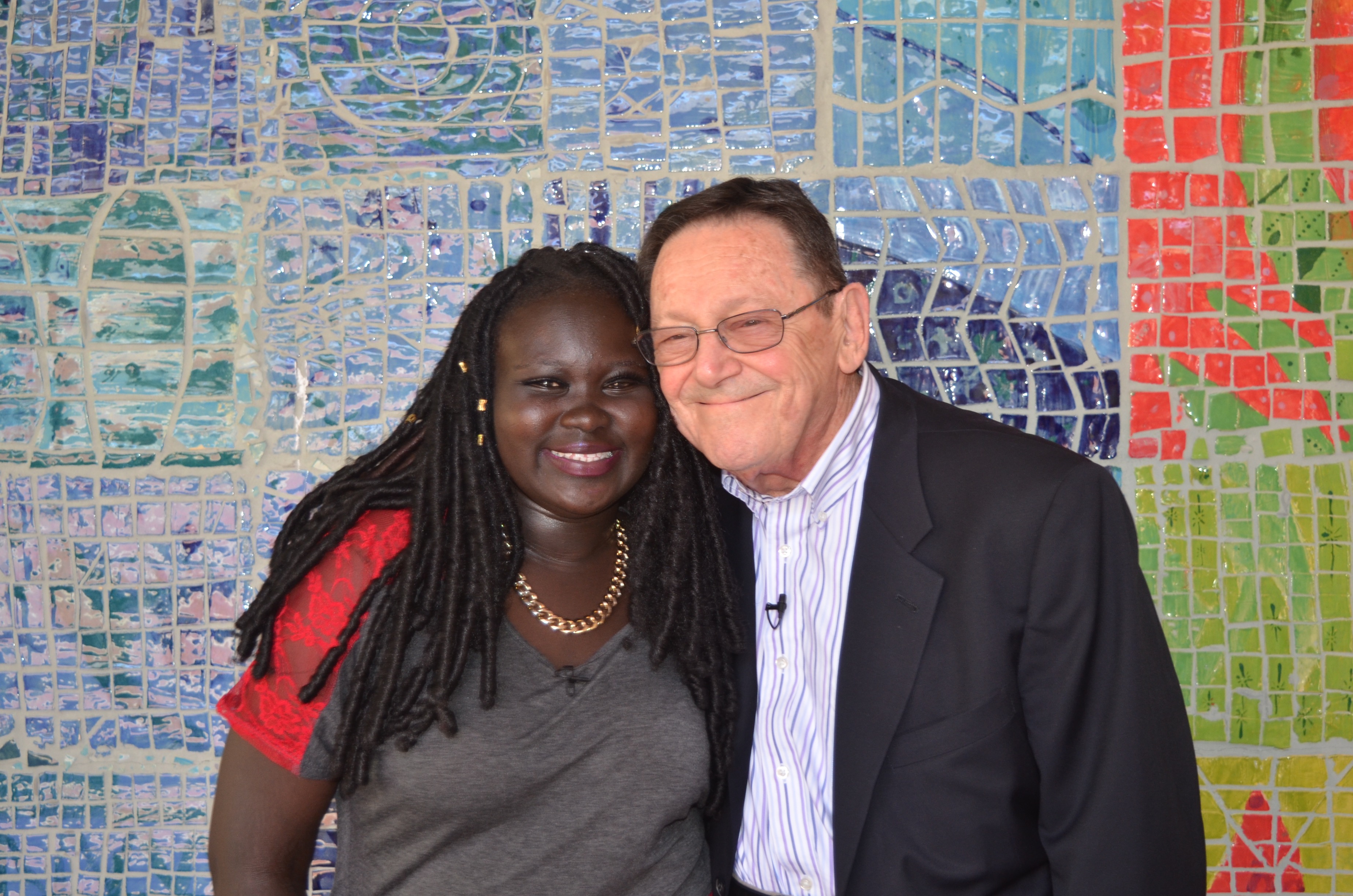
Steve earned a Ph.D. in Chemistry at Northwestern University, and he and his wife Judy had two daughters. He lived in Seattle and was an active member of the Holocaust Center's Speakers Bureau until he passed away on April 3, 2019.
1930-2019
- More About This Survivor:
Transcripts for Video Clips — Steve Adler
Full Testimony - Steve Adler (2009, 57:06)
"What advice do you have for teens today?" (2018, 0:51)
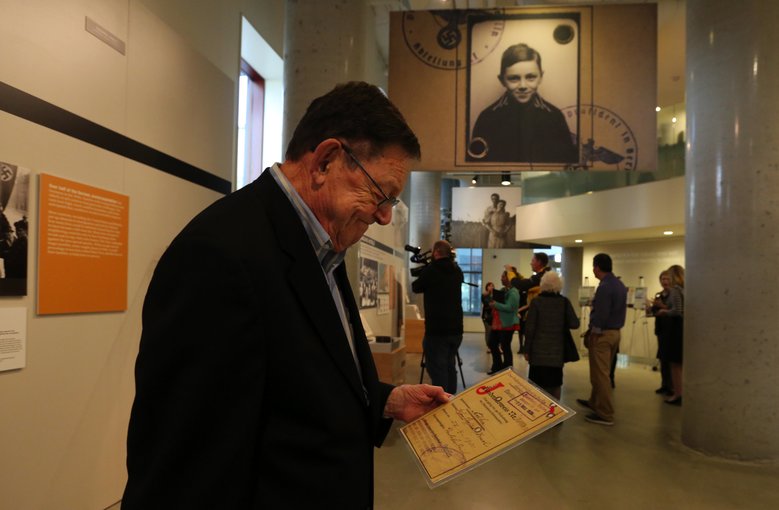
Steven Adler's Passport — Featured Artifact
-

Paula Stern - Germany
-
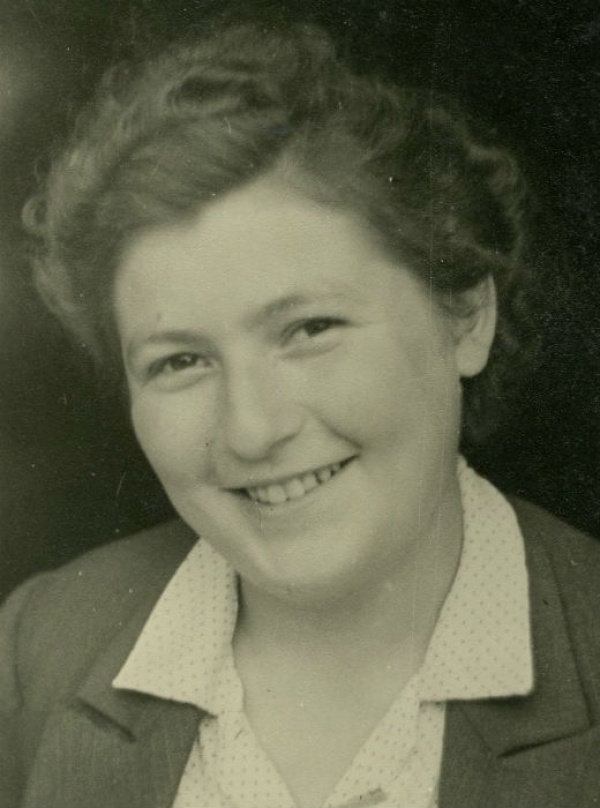
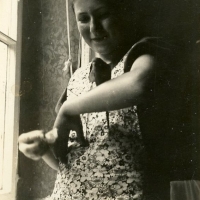
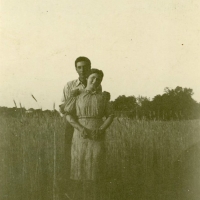
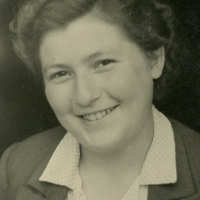
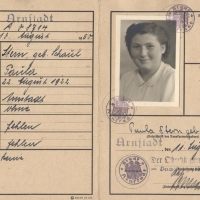
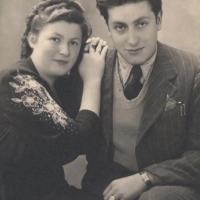
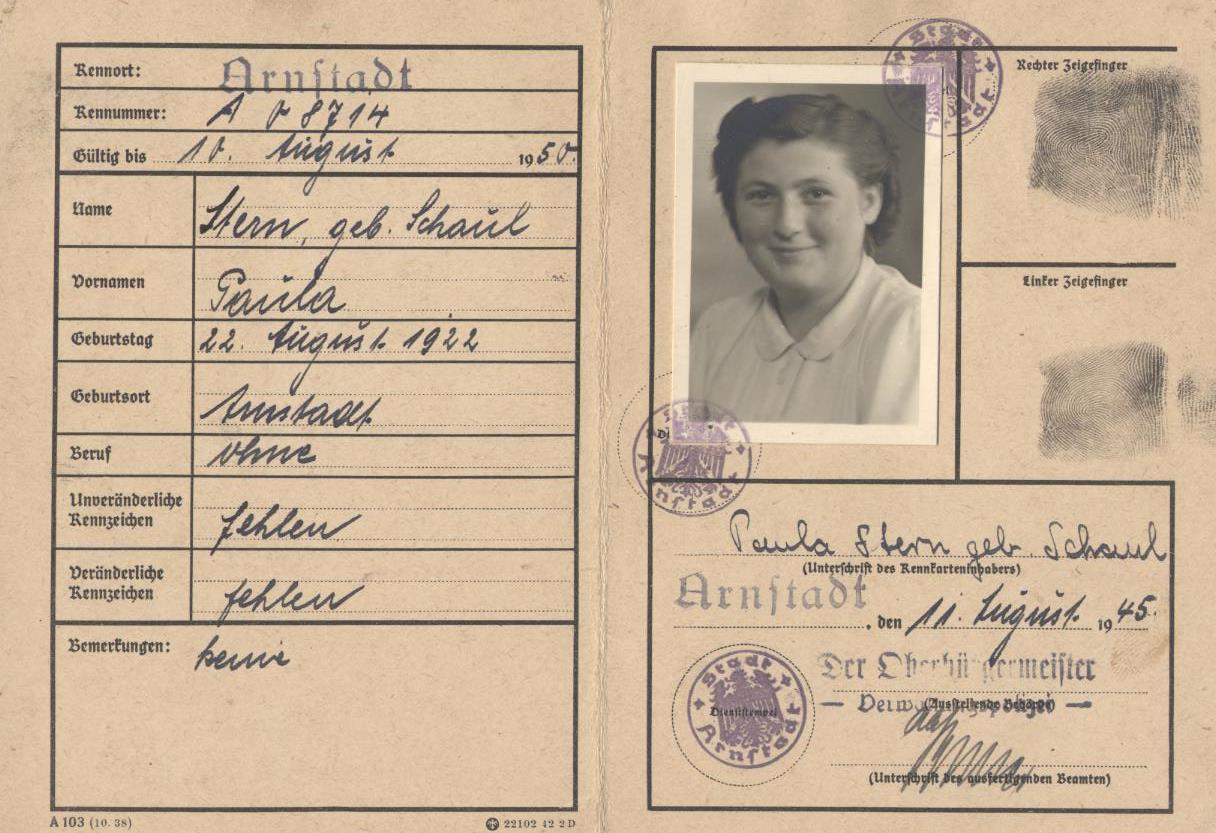
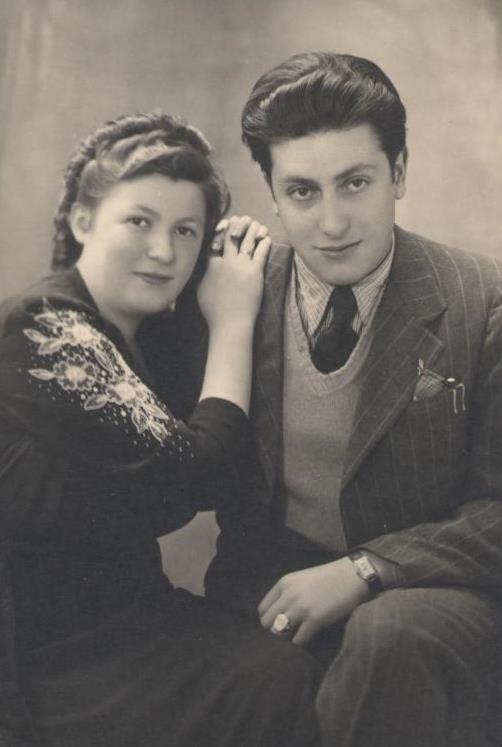
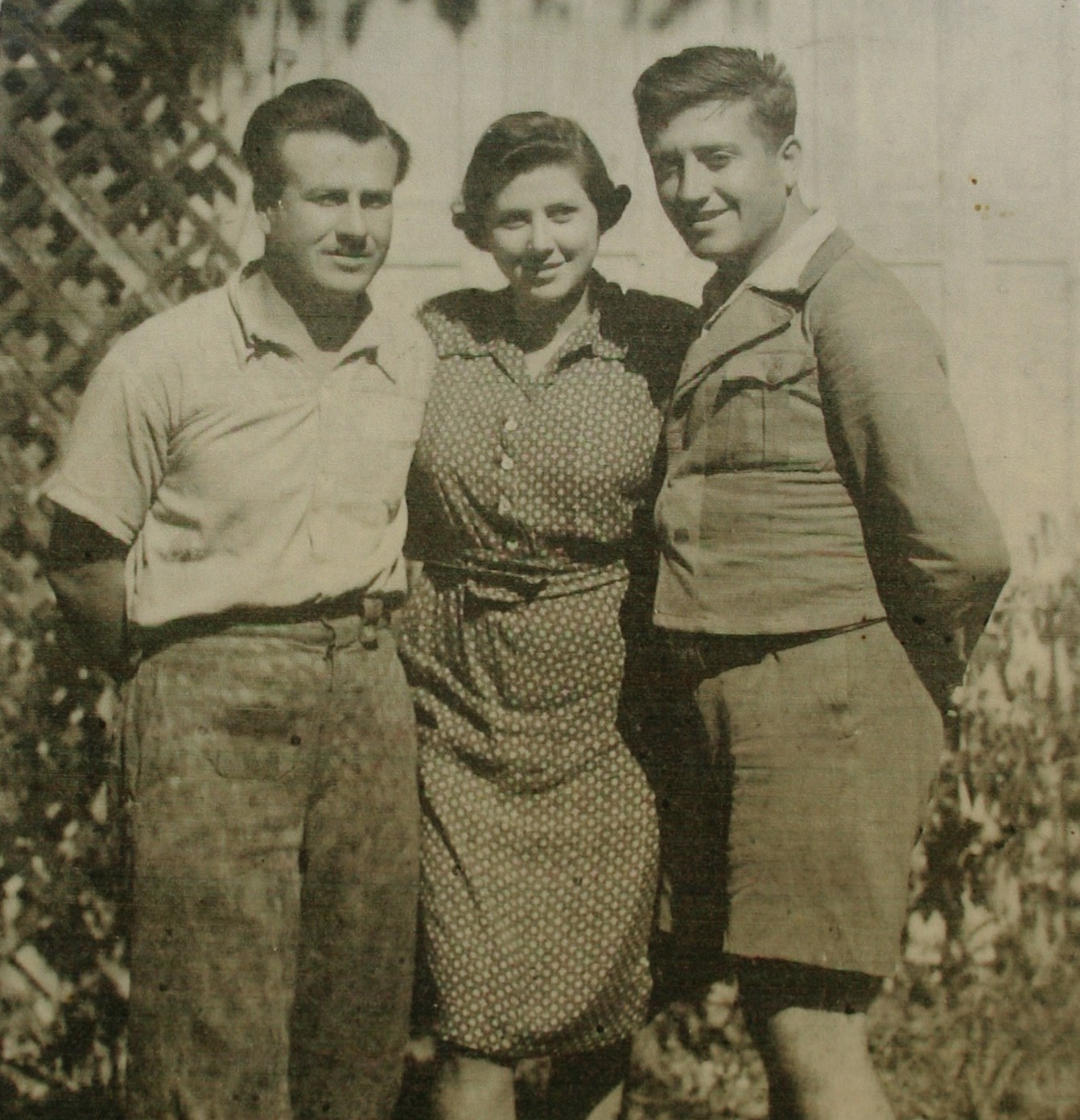
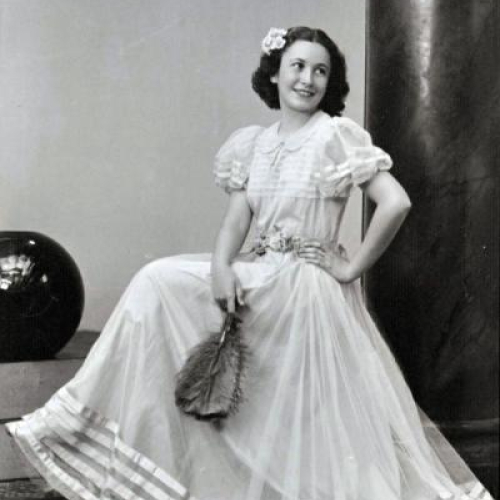
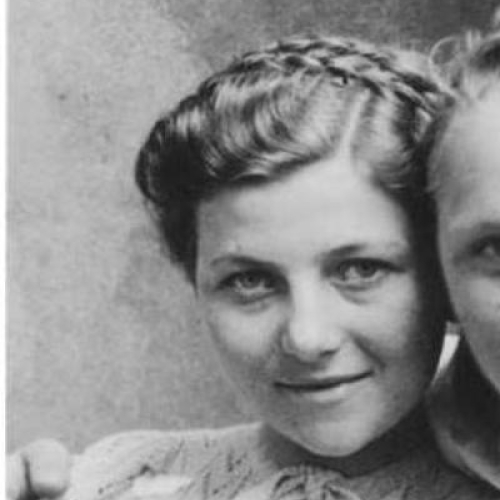
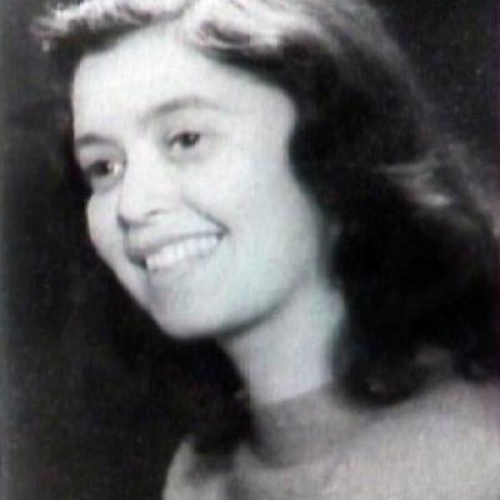
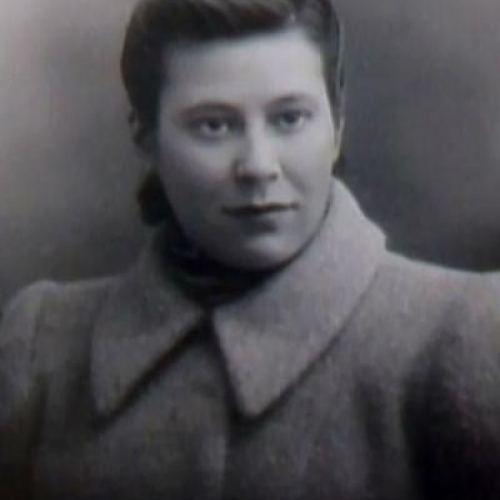
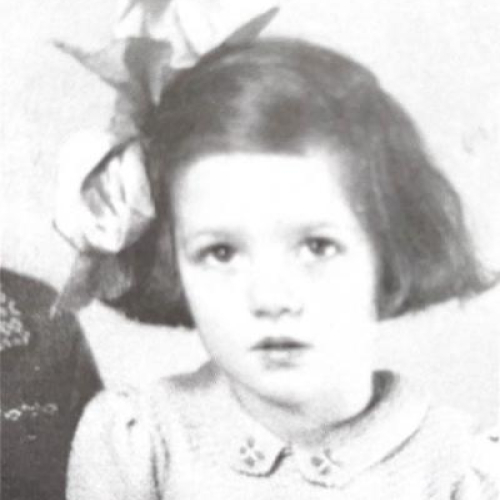
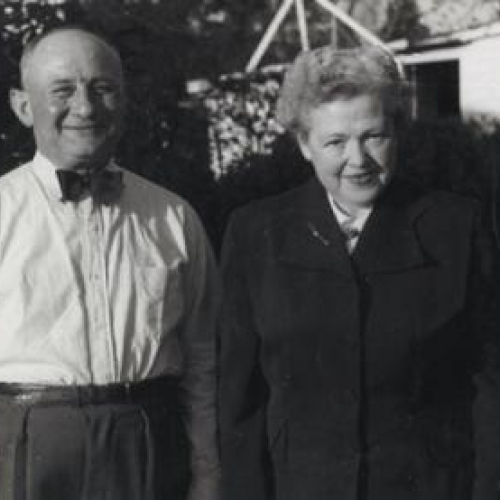
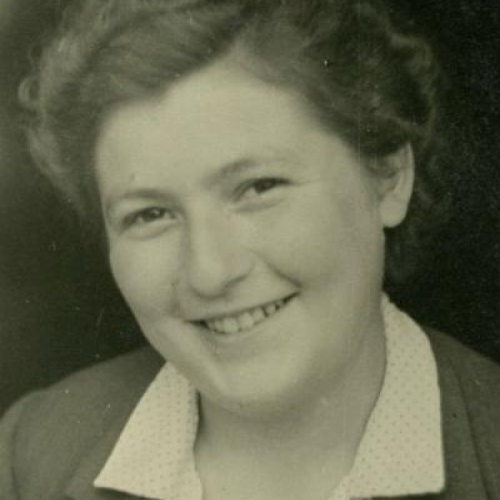
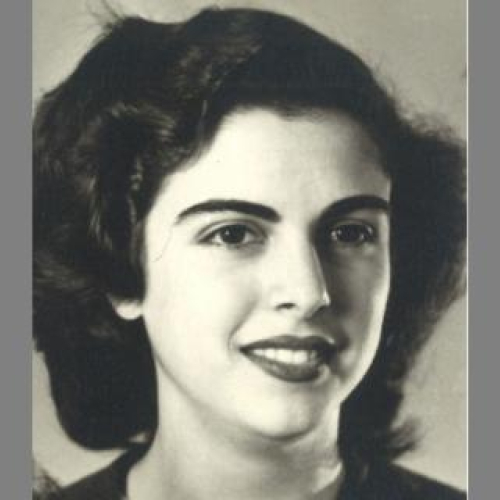
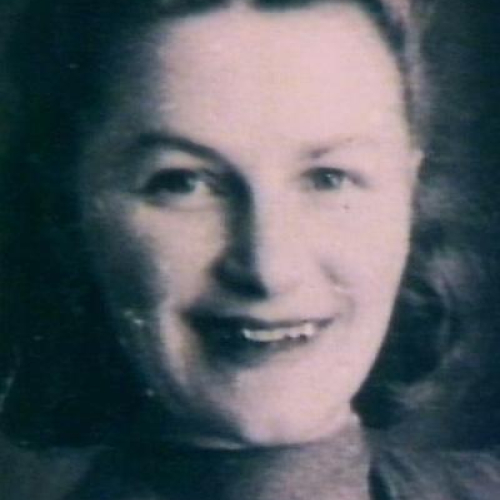
Paula Stern 1945 Paula (Schaul) Stern was born to a Jewish family on August 22, 1922, in Arnstadt, Germany. Paula was the youngest of three children and dreamed of becoming a pediatric nurse. In 1940, as life became increasingly restricted and dangerous for Jews living in Germany, Paula found an opportunity to work on a Hachschara farm in Neuendorf, outside of Berlin. Hachschara farms trained Jewish youth in agriculture to prepare them for life outside of Germany. It was there that she met her future husband, Klaus Stern. Klaus and Paula, uncertain of their future, but committed to staying together, married in 1942.
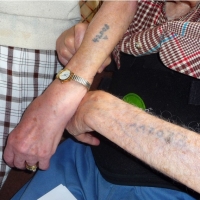
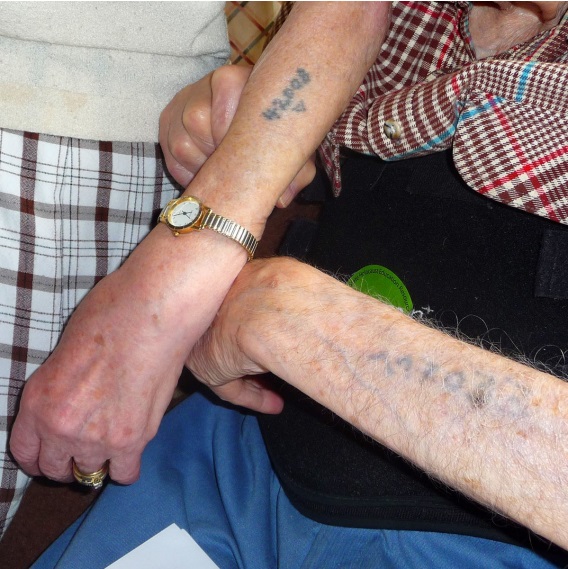
Only eight months later, in April 1943, Klaus and Paula were deported to Auschwitz. Upon arrival, they were separated, and neither knew where the other went. Paula was selected for work and tattooed with the number 42008. Paula was assigned to the munitions factory in Auschwitz, known as Union Kommando. Her job was to measure each cone-shaped piece and compare it to a standard. In defiance, Paula occasionally discarded the good pieces to sabotage the Nazis' munitions. "I was lucky I was never caught."
In the freezing winter of January 1945, the Nazis marched all of the remaining prisoners in Auschwitz north and away from the advancing Allied troops. Thousands died in these "death marches." When Paula was finally liberated by Soviet troops, she was anxious to return home and to try to find Klaus. They had been separated with no communication for 28 months. She received a note from Klaus - miraculously he had given it to some soldiers who passed the note over 400 kilometers to Paula's hometown. He was suffering from typhus but recovering slowly. "Paula, I am alive. Please wait for me."
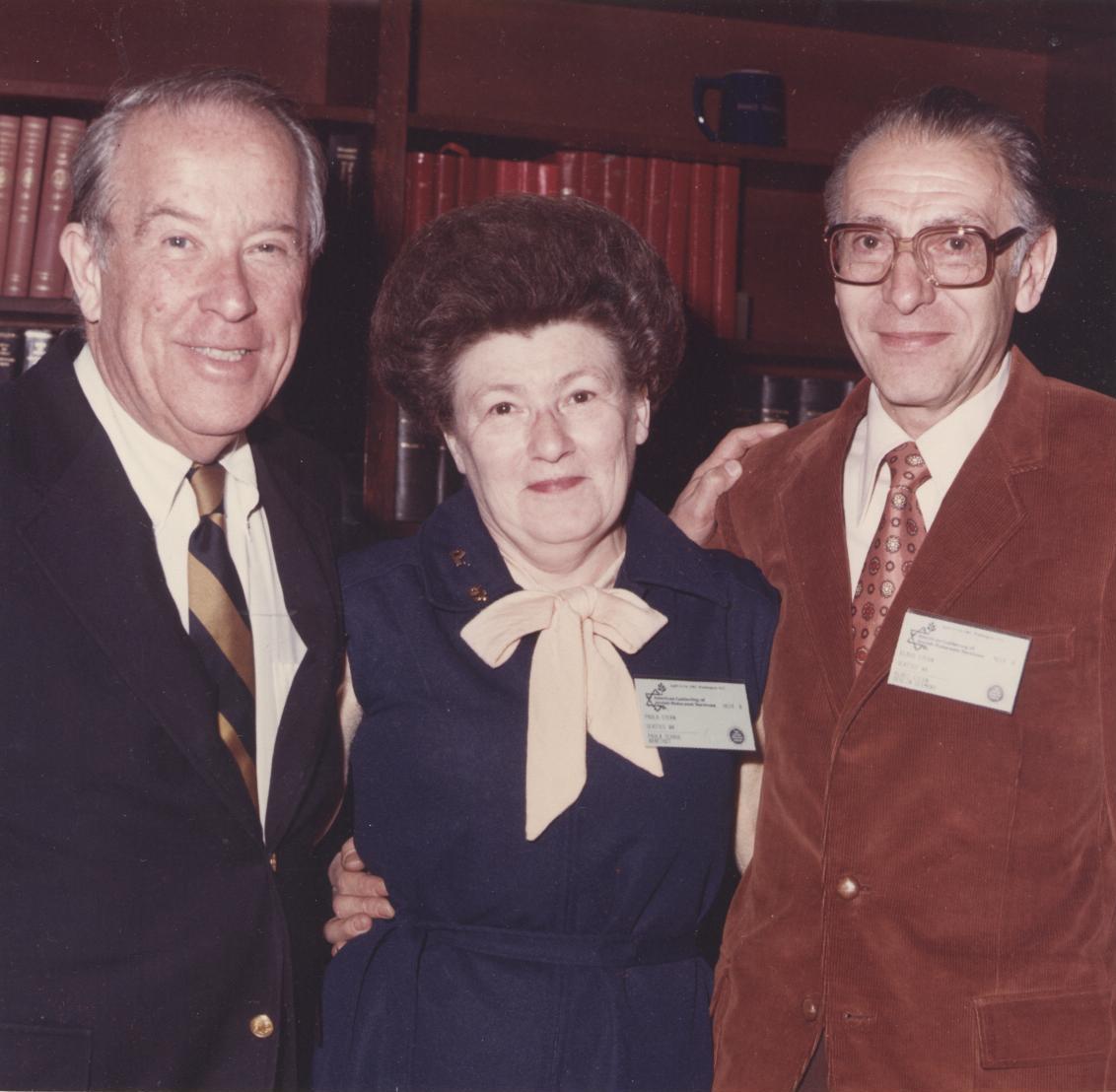
Klaus and Paula were the first survivor couple to arrive in Seattle in 1946. They had two children and helped to found the Holocaust Center in 1989. Klaus was a member of the Holocaust Center for Humanity's Speakers Bureau for many years.
1922-2022
- More About This Survivor:
Transcripts for Video Clips — Paula Stern
Full Testimony - Paula Stern (2016, 2:06:17)
-
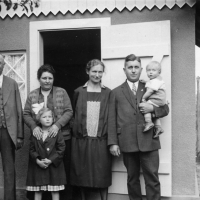
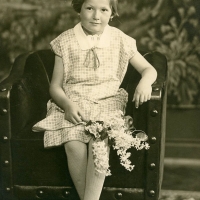
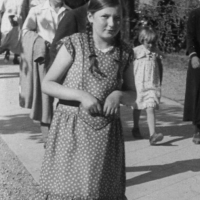
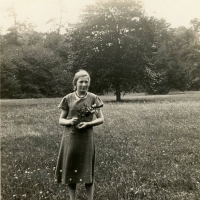
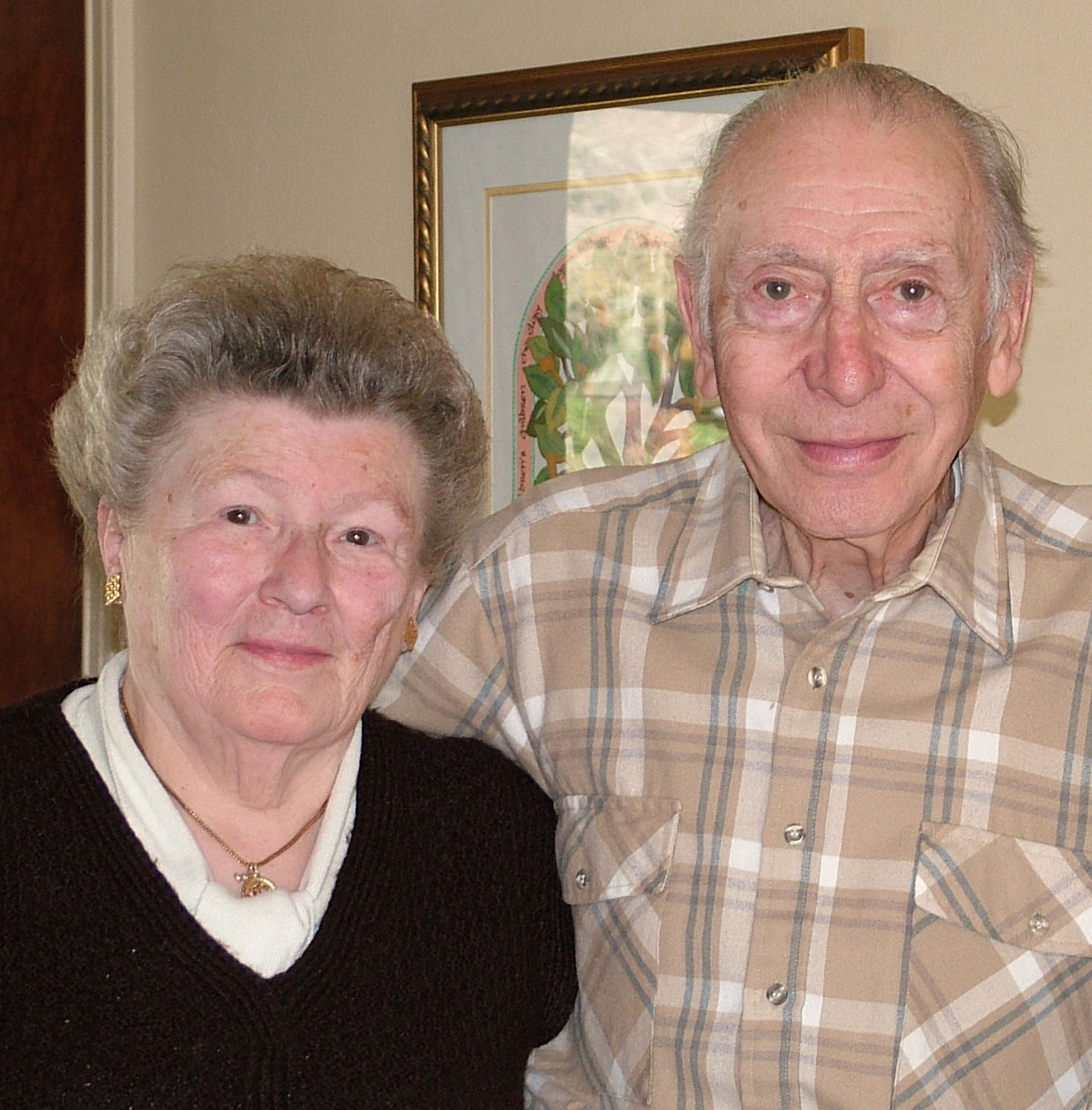
Peter Metzelaar - Netherlands
-
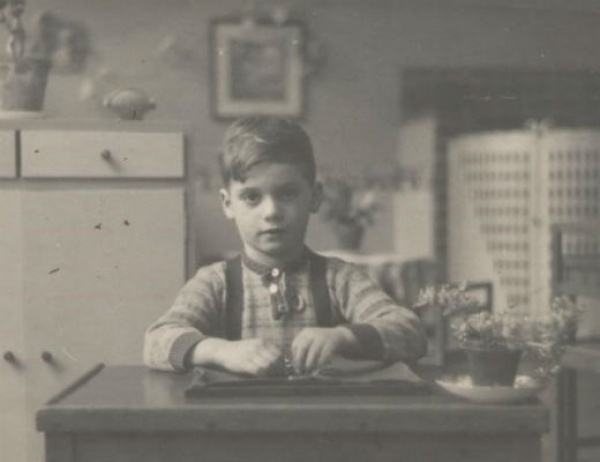
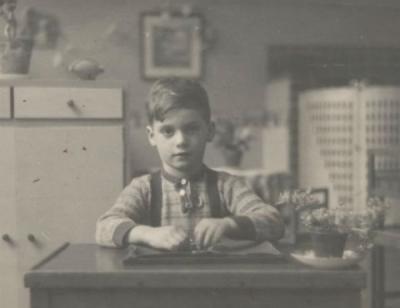
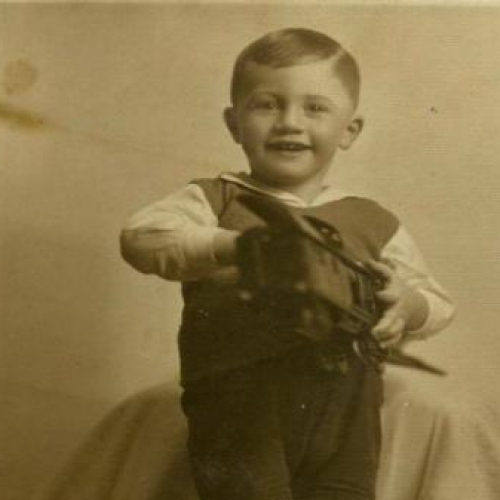
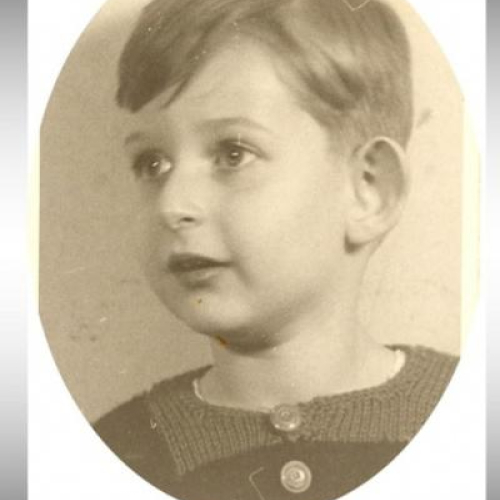
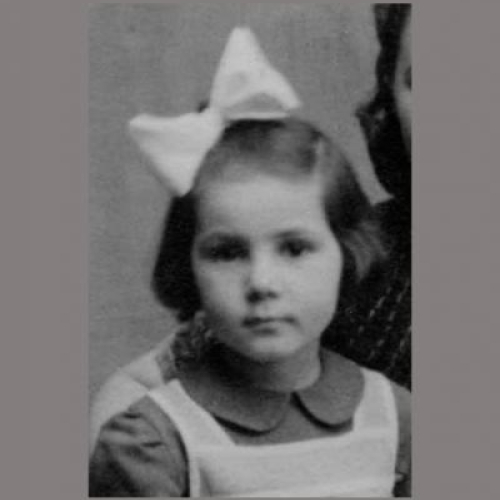
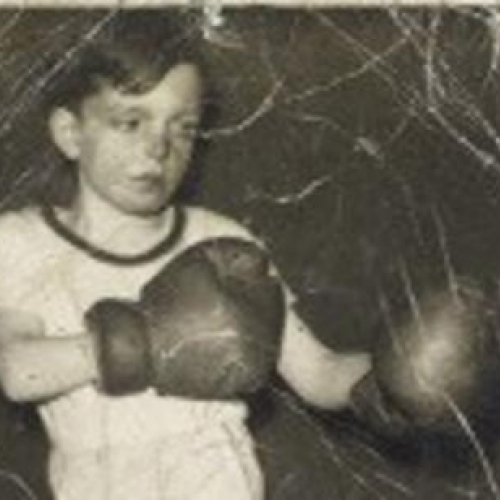
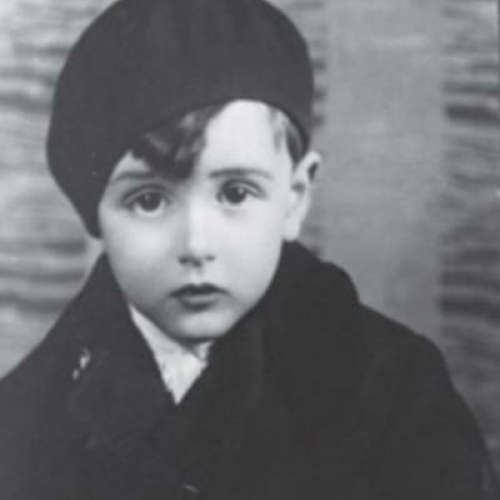
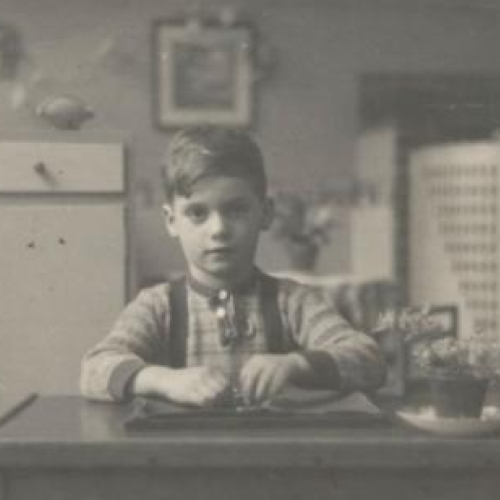
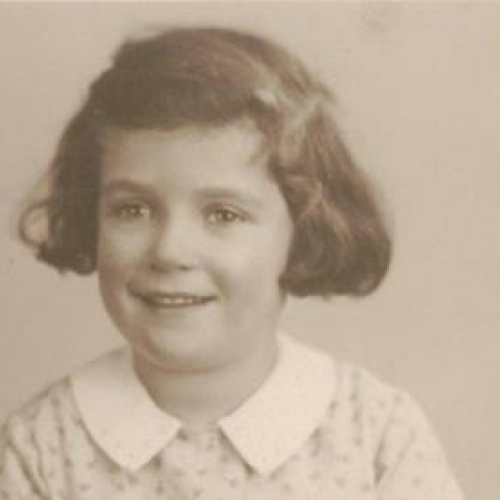
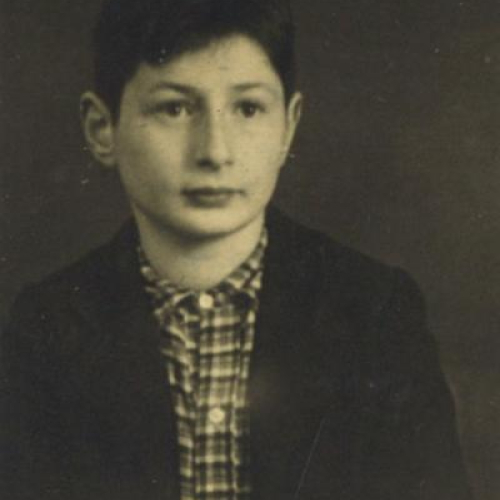
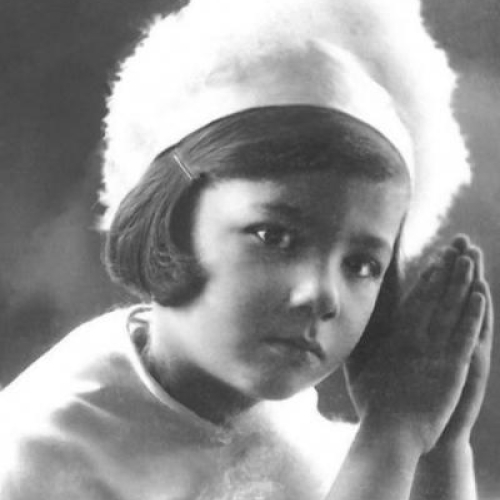
Pete age 7, 1941, Amsterdam "My mother and I slept together in a bed that was inside a closet. I remember lying in that bed trembling in fear at times." - Peter Metzelaar
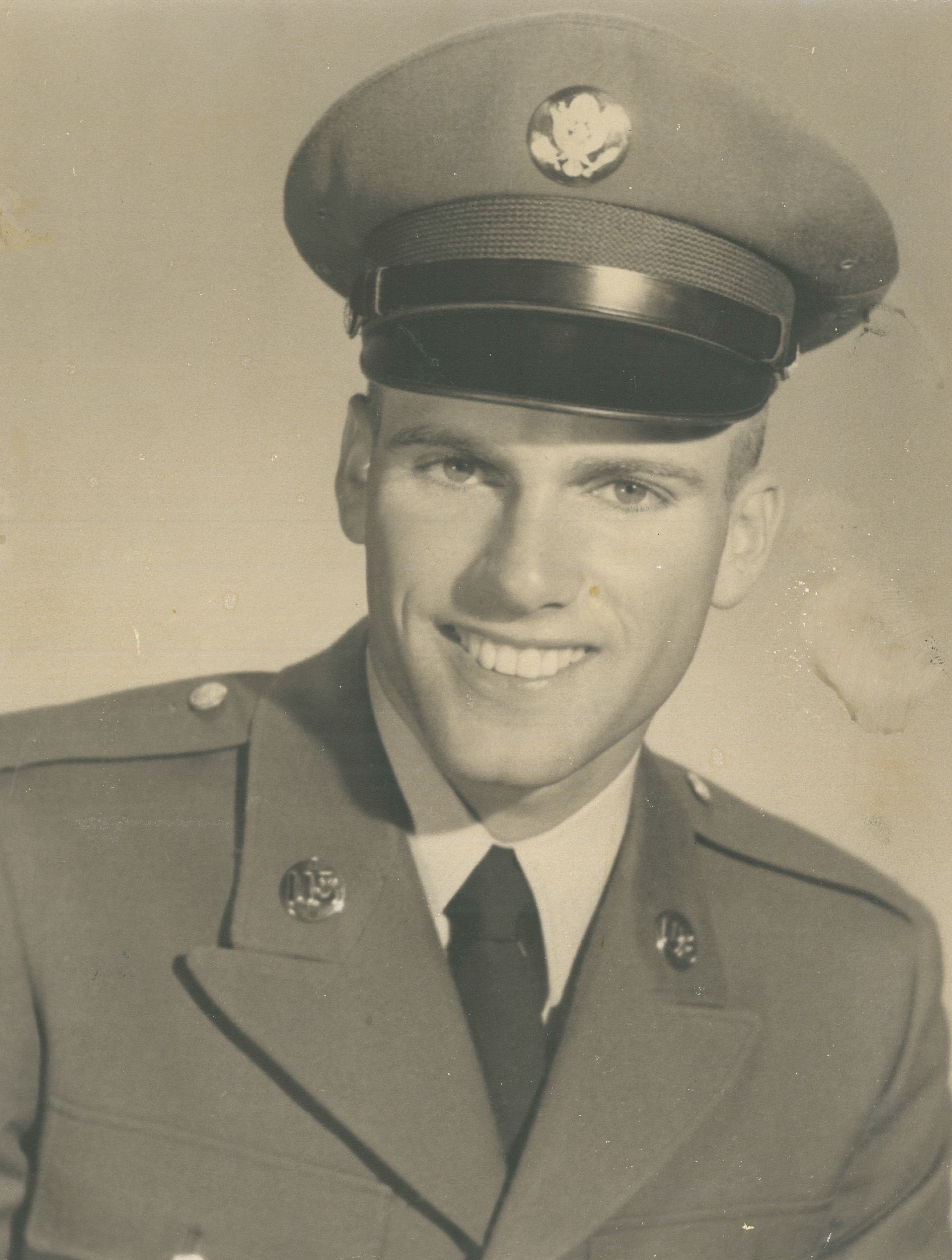
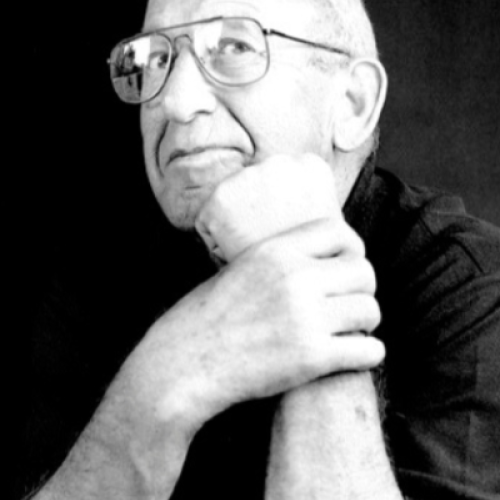
Peter was born in Amsterdam in 1935. In 1942, when Peter was 7, the Nazis seized Peter's entire family except for Peter and his mother. Peter's mother contacted the Dutch Underground for help. The Underground found Klaas and Roefina Post who agreed to shelter Peter and his mother on their small farm in northern Holland, putting their own lives at risk. For two years they lived with the Posts until it became too dangerous and they found another hiding place with two women in The Hague. Peter, his mother, and his aunt were the only survivors of his family. Klaas and Roefina Post have been recognized as Righteous Among the Nations by Yad Vashem.
After the war, Peter and his mother immigrated to the United States in 1949, arriving in New York. Peter was 13 and didn't speak any English, but was placed in the 8th grade. Peter had a long career as a radiology technologist. He and his wife Bea raised two children from Pete's previous marriage and had a third son in California. The Metzelaars moved to Seattle in 1997. Peter continues to be an active member of the Holocaust Center for Humanity's Speakers Bureau.
1935-
- More About This Survivor:
Transcripts for Video Clips — Pete Metzelaar
Full Testimony - Peter Metzelaar (1995, 1:01:37)
Biography Booklet - Peter Metzelaar (student handout)
-
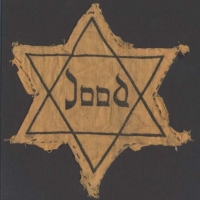
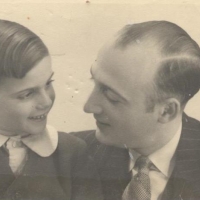
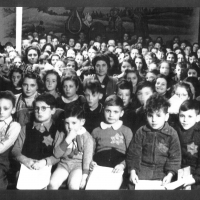
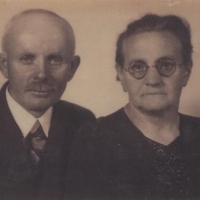
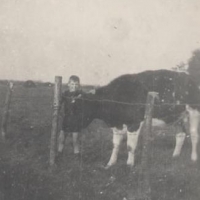
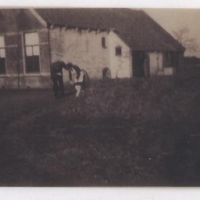
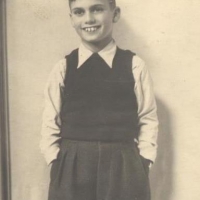
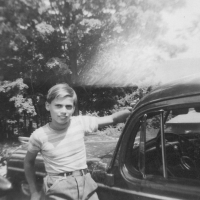
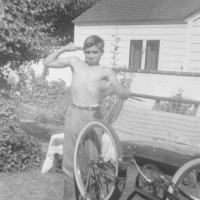
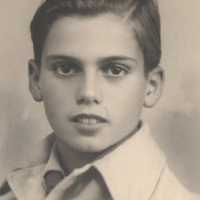
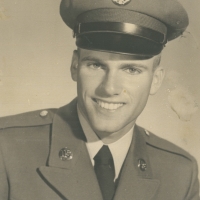
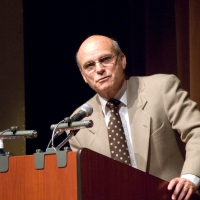
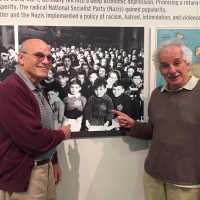
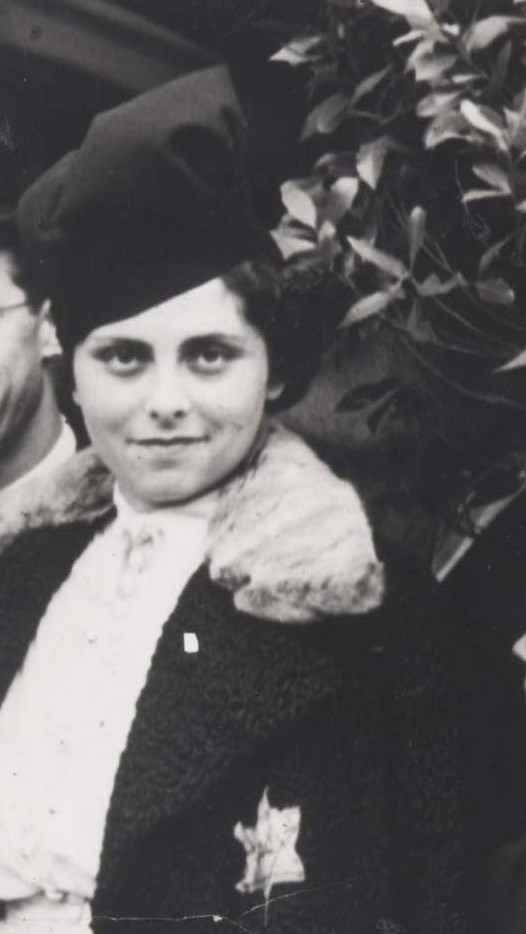
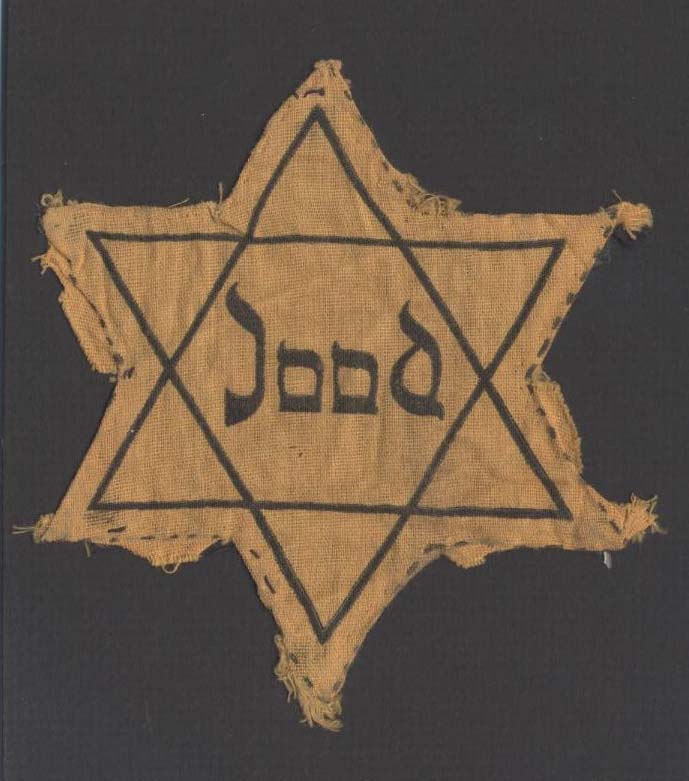
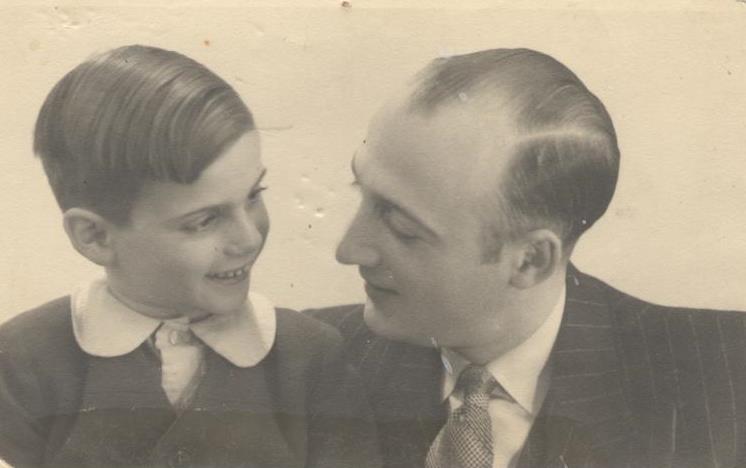
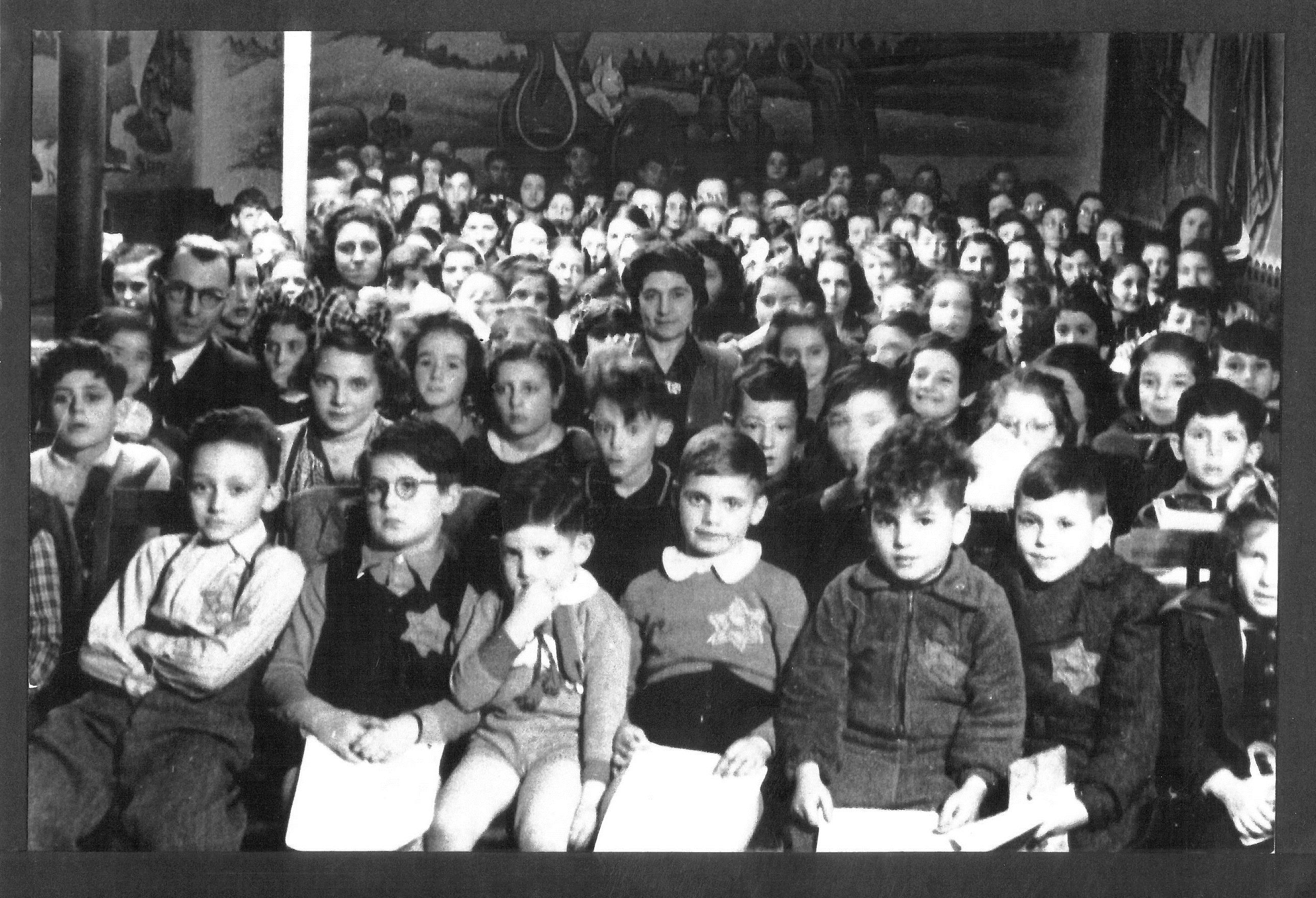
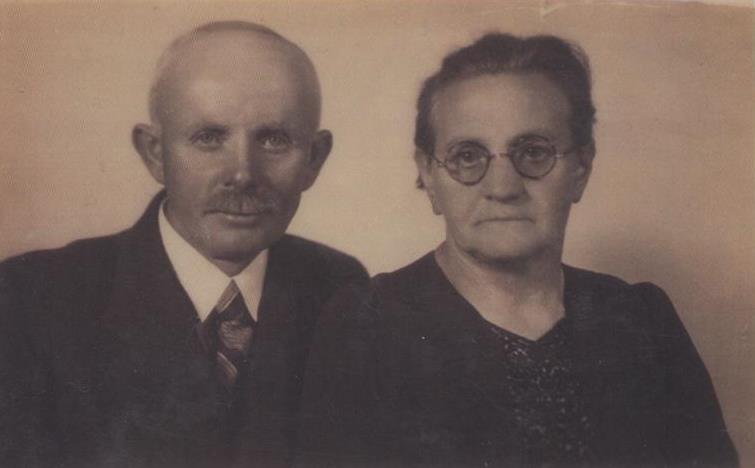
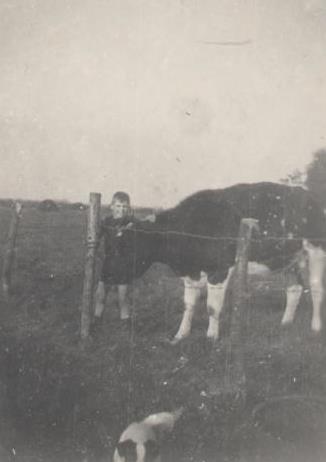
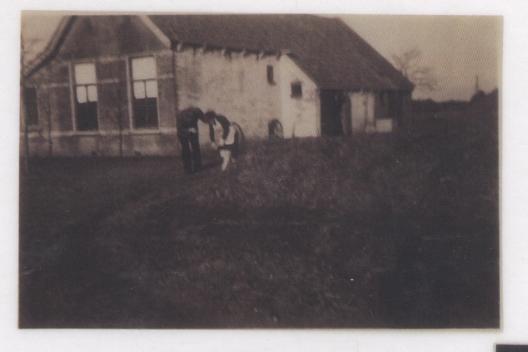
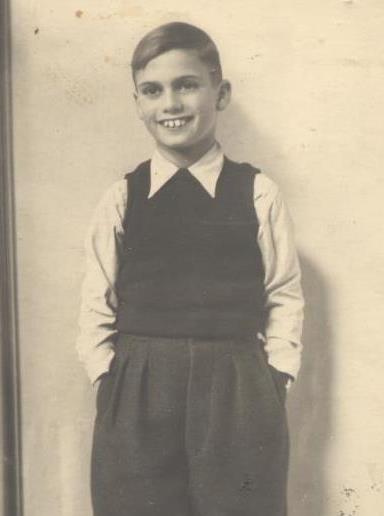
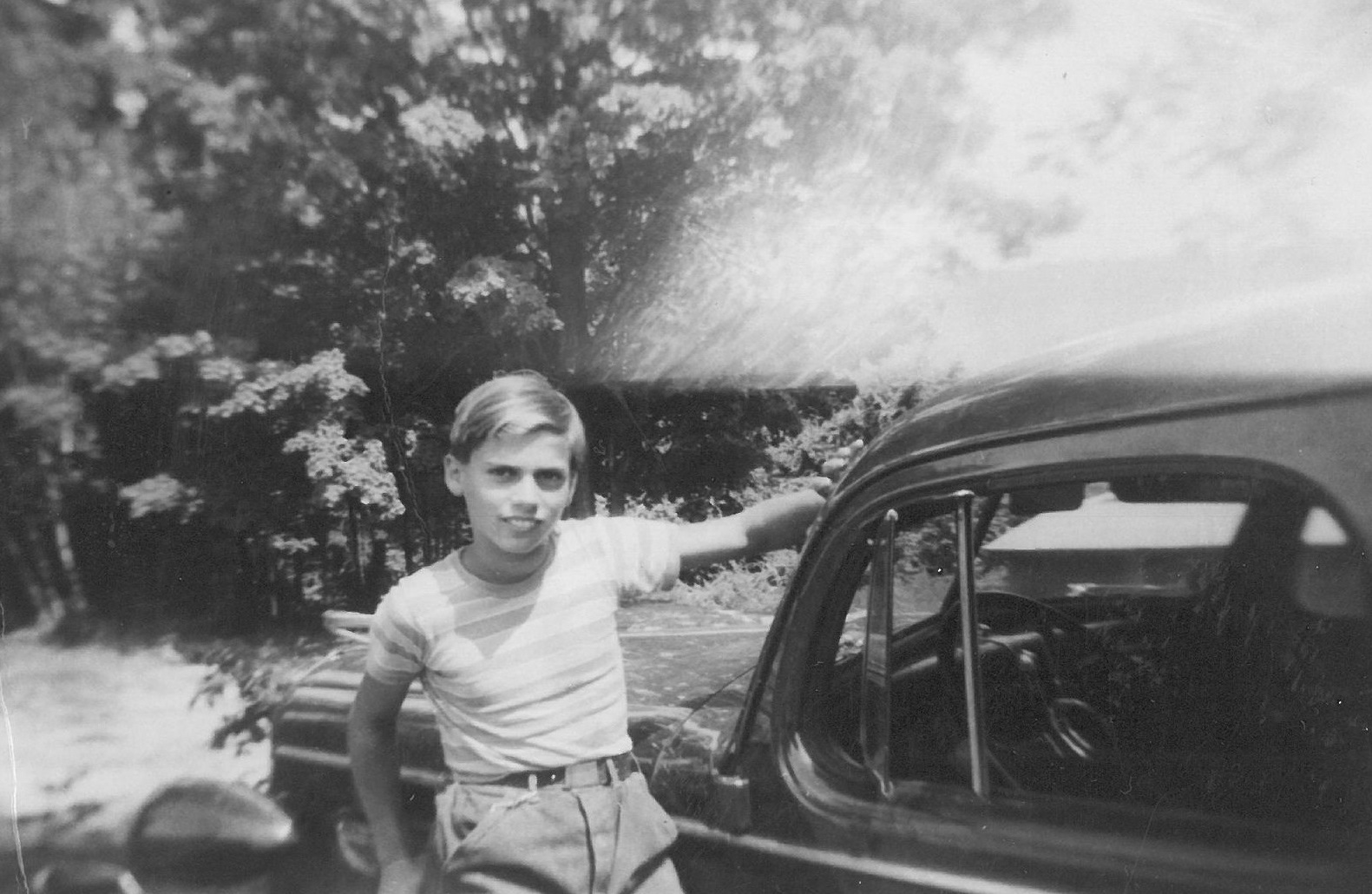
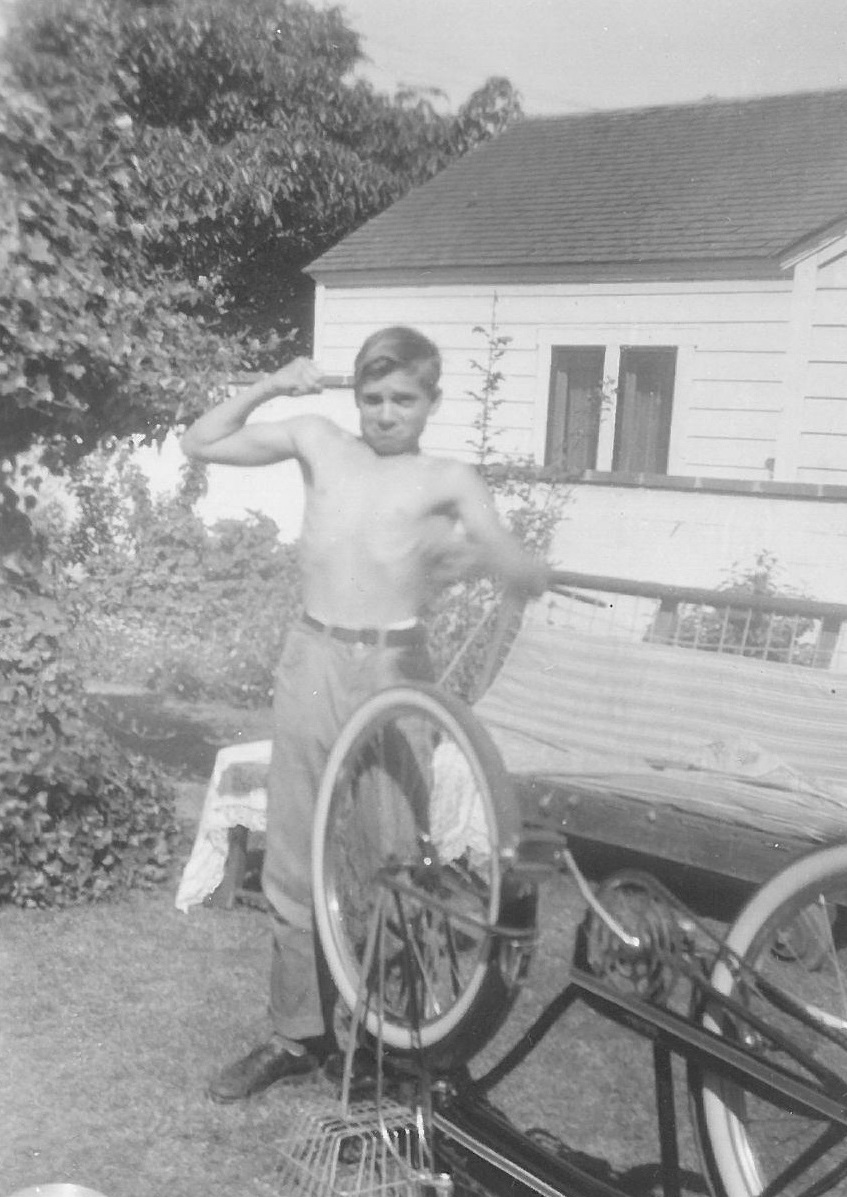
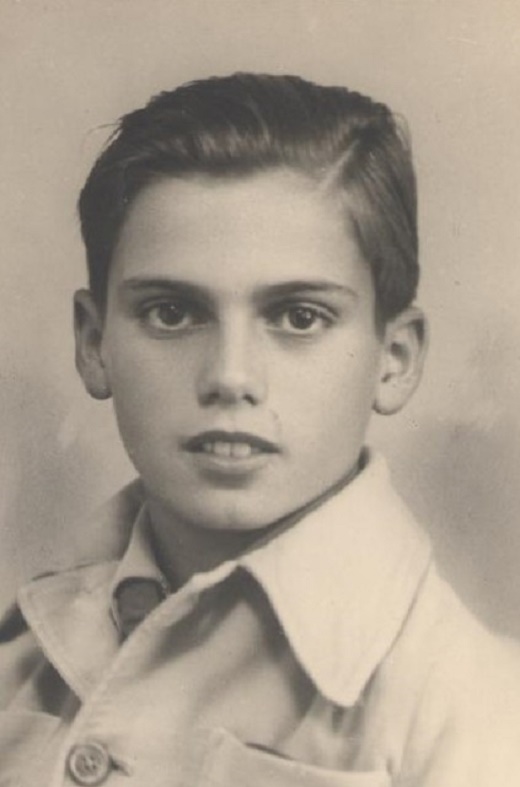
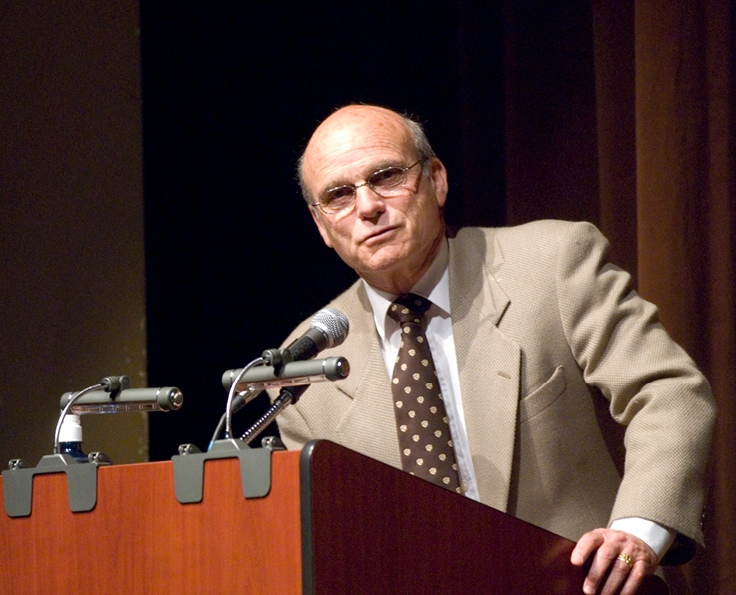
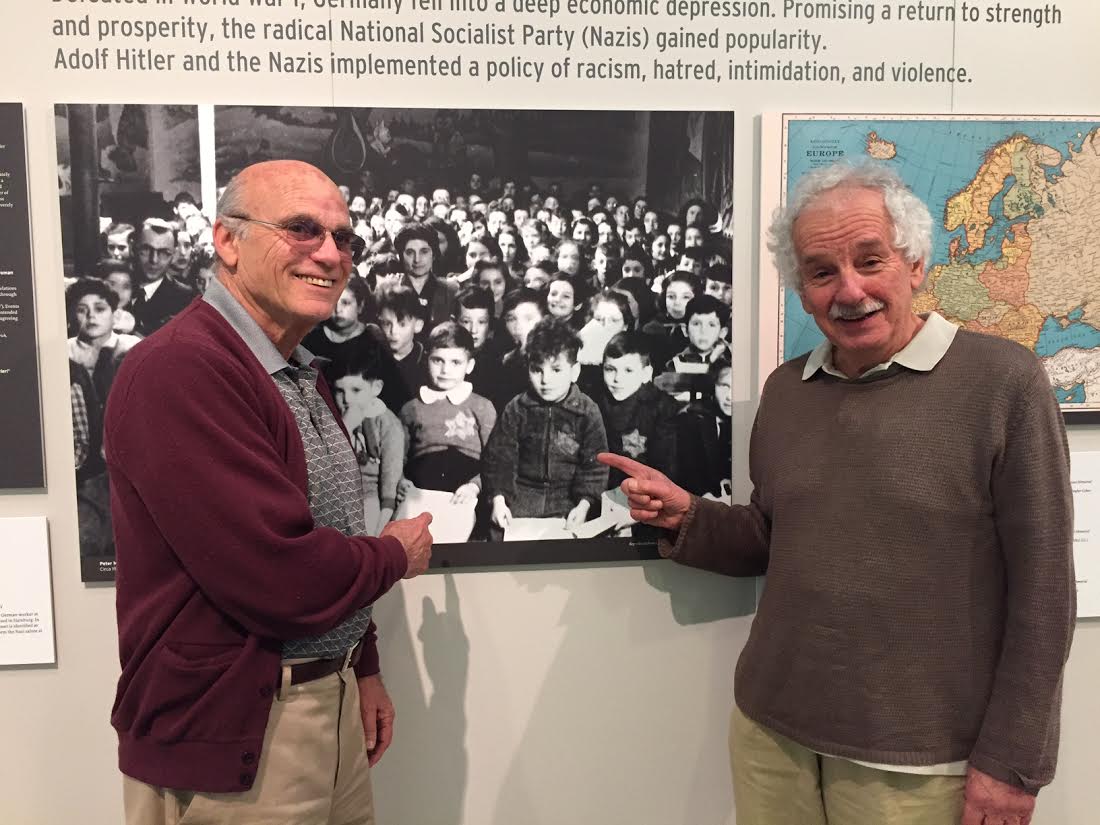
The Dutch Underground found Klaas and Roefina Post who agreed to shelter Peter and his mother on their small farm in northern Holland

Magda Schaloum - Hungary
-
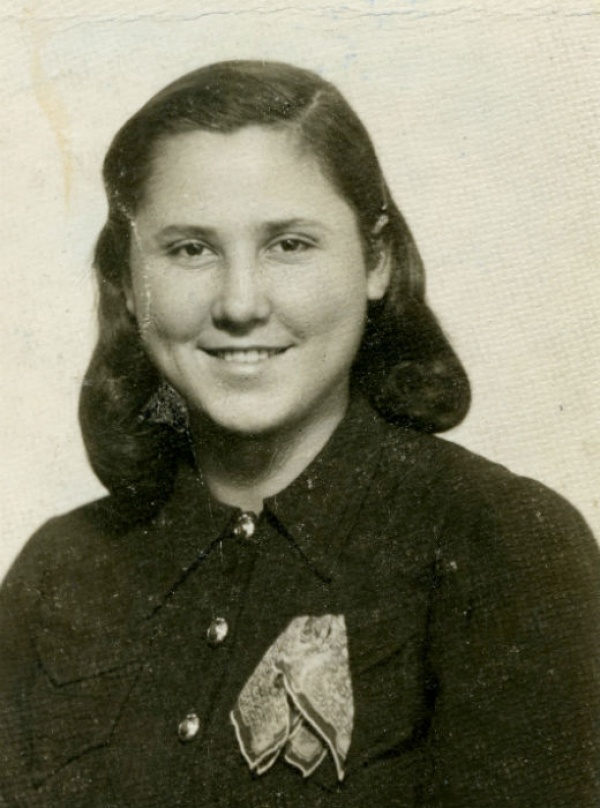
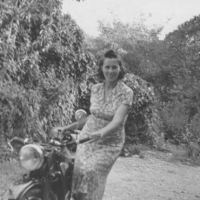
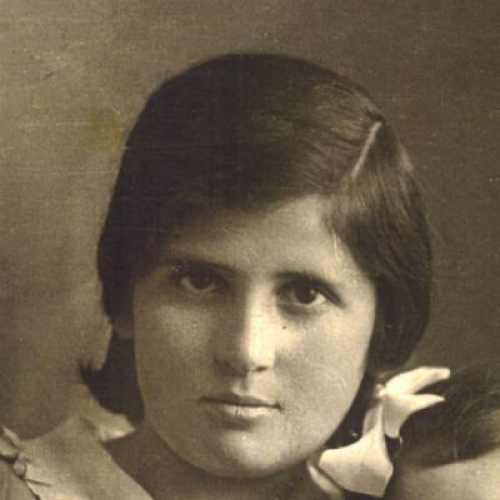
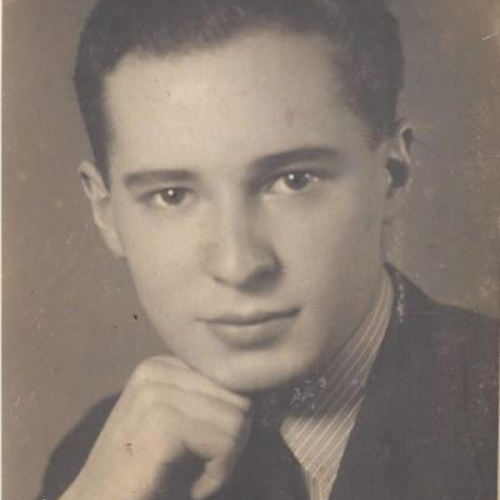
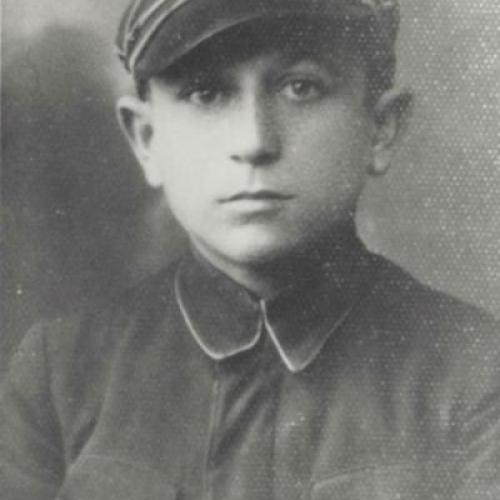
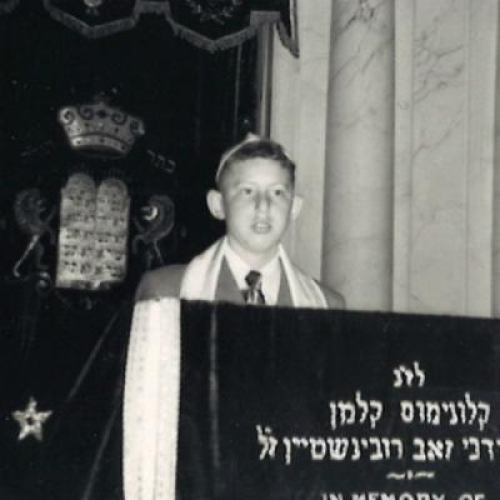
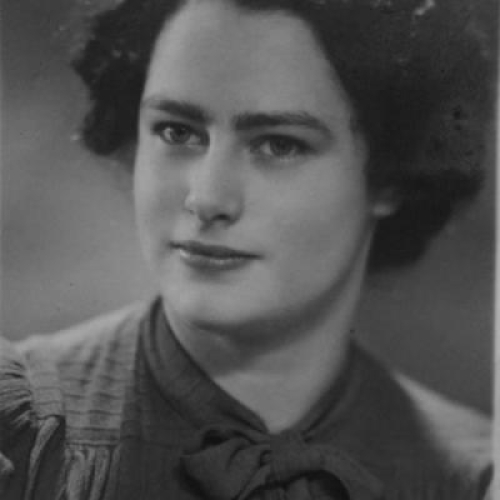
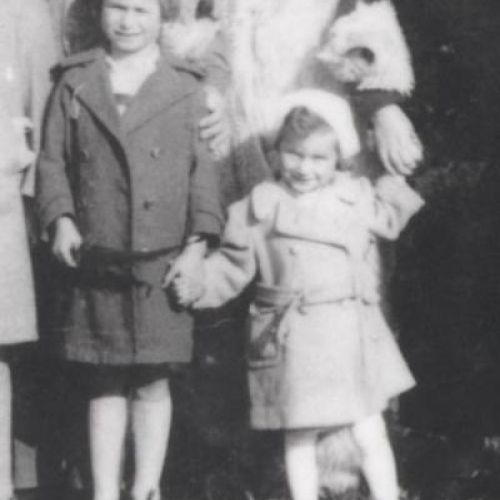
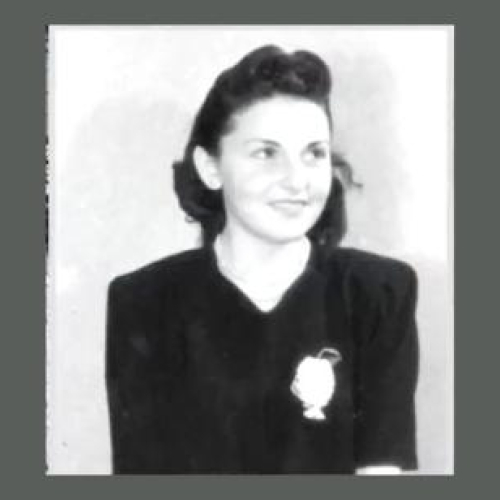
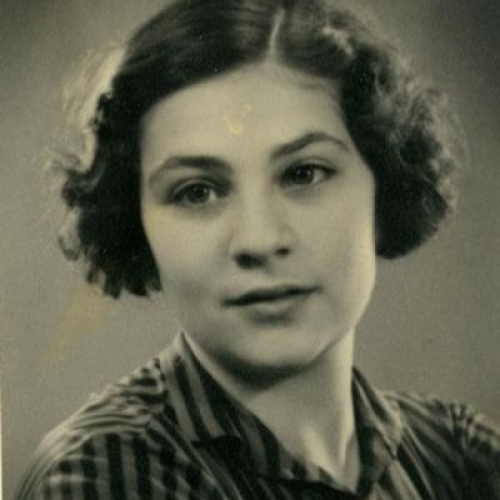
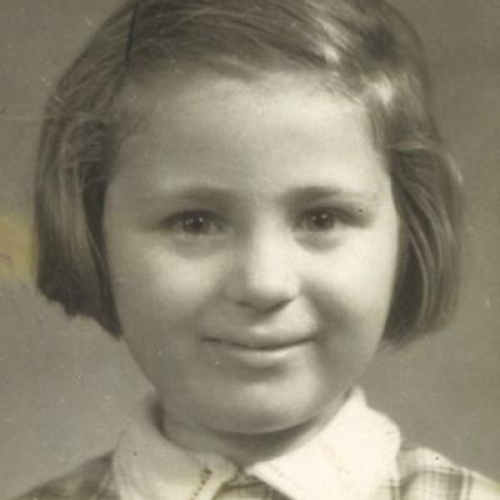
Magda Schaloum, age 20, 1942 "I hugged my mother and I kissed her, and I said, 'Mom, I'll see you later.' But of course I have never seen my mother again." - Magda Schaloum
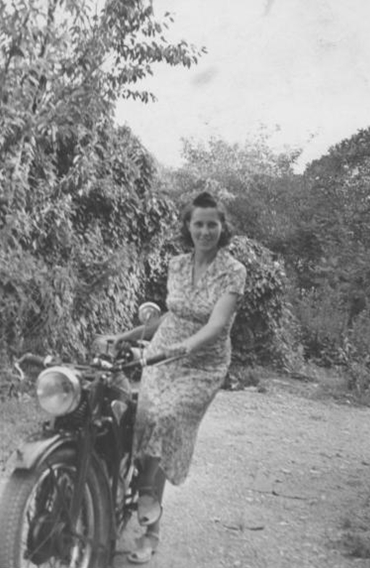
Magda Schaloum was born in 1922 in Gyor, Hungary. The Germans occupied Hungary on March 19, 1944, and then deported Magda, her brother, and their mother to Auschwitz and separated the family. Magda was sent to the slave labor camp of Plaszow, and then to a factory in Augsburg, Germany. In April 1945 at the Mühldorf slave labor camp, Magda met her future husband, Izak, a Sephardic native of Salonika, Greece. The Nazis loaded the prisoners of Mühldorf onto a cattle car to be transported to a site where they would be murdered, but the Allies liberated the prisoners before the train reached its destination.
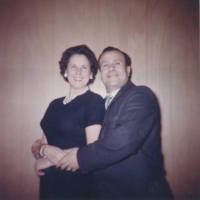
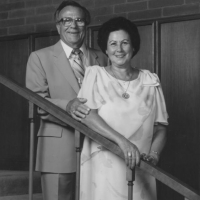
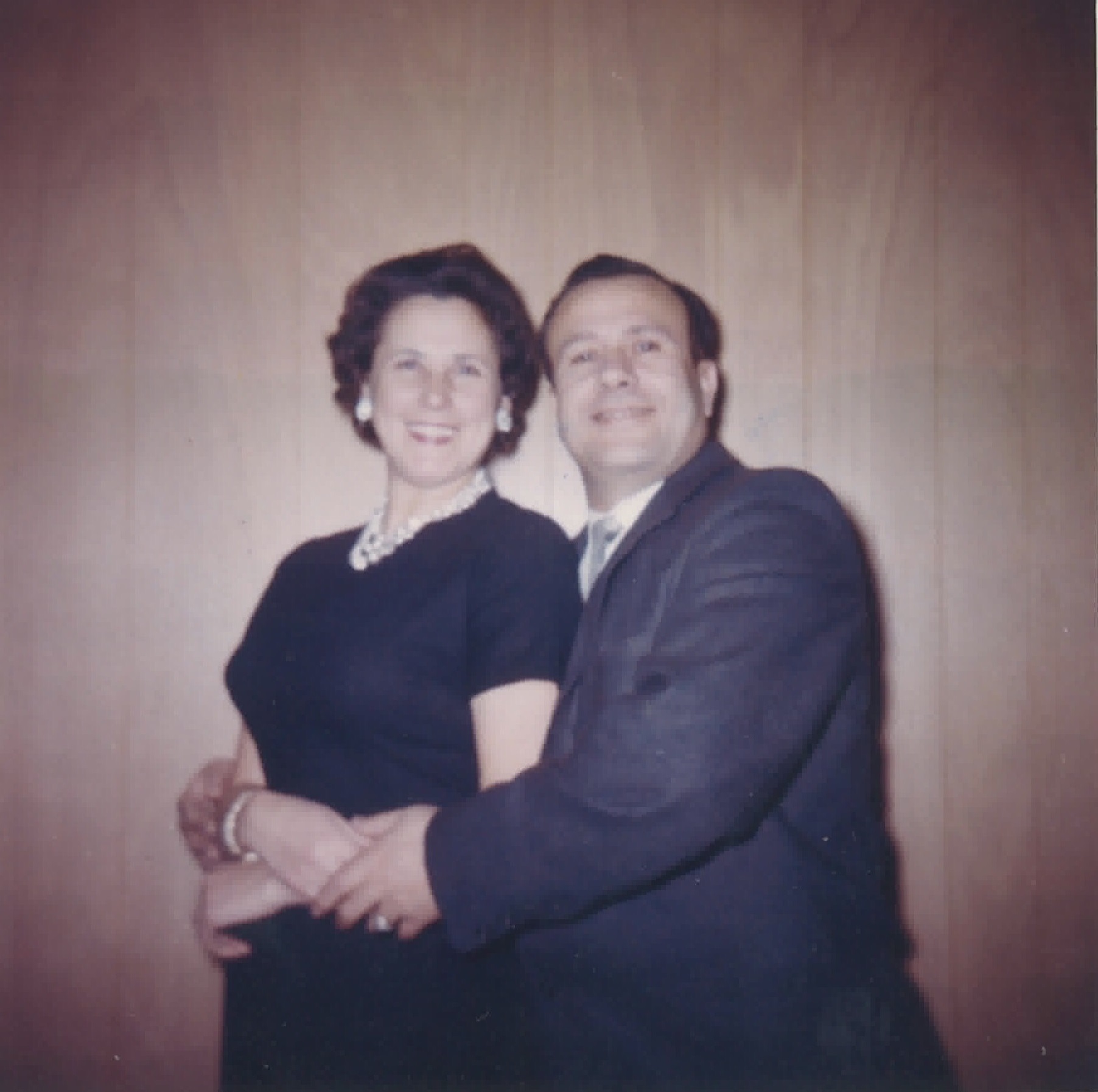
Magda and Izak met again in a displaced persons camp in Germany. She spoke five languages, and he spoke seven, but none in common. They fell in love, married, and came to Seattle in 1951 with their two young children to start a new life together. They had a third child and settled on Mercer Island. Magda was a member of the Holocaust Center's Speakers Bureau for many years, and her son Jack continues to share her story today. Magda passed away in 2015.
1922-2015
- More About This Survivor:
Transcripts for Video Clips — Magda Schaloum
Full Testimony - Magda Schaloum (1991, 2:07:41)
Opportunity to Hide (0:41)
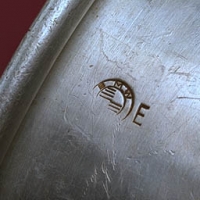
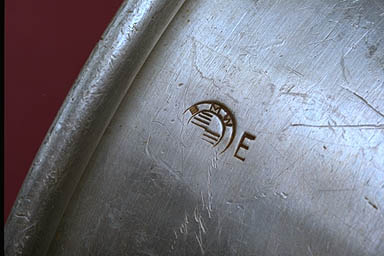
"BMW" Bowl — Featured Artifact
Biography Booklet - Magda Schaloum (student handout)
Obituary - Magda Schaloum
-


Hester Kool - Netherlands
-
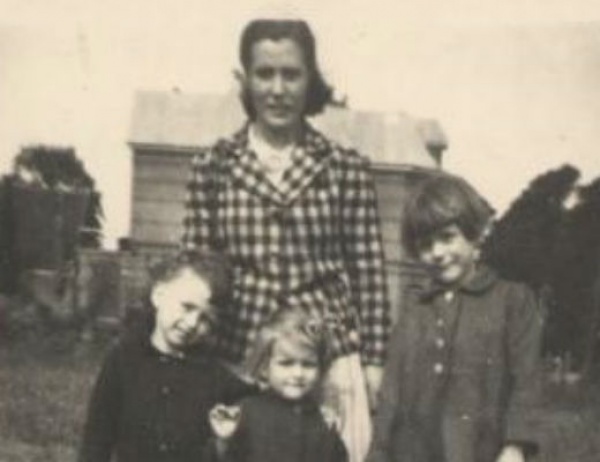
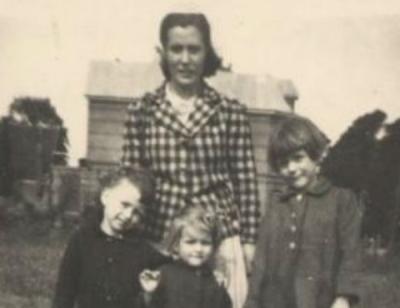
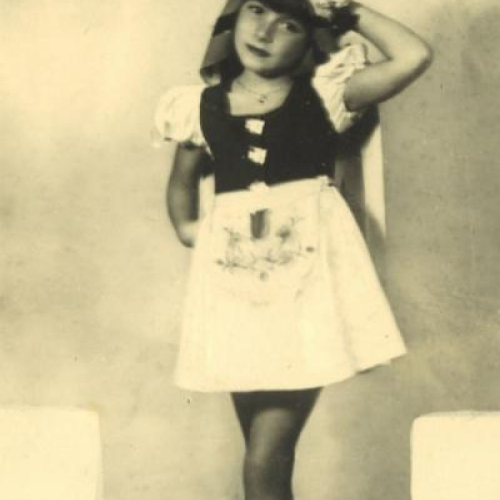
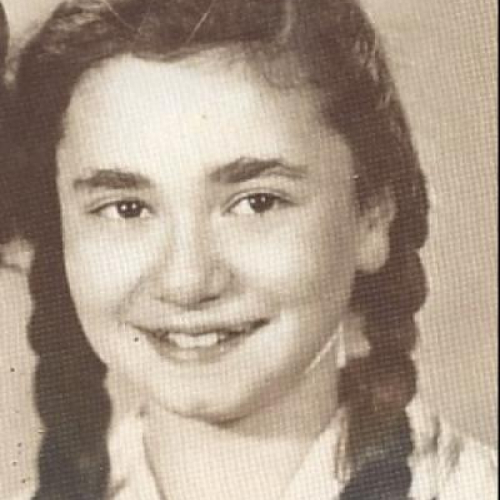
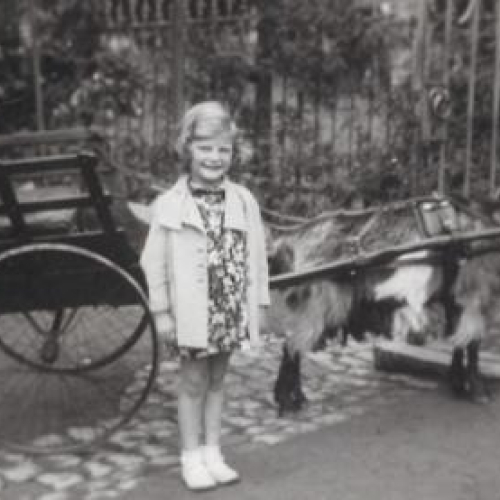
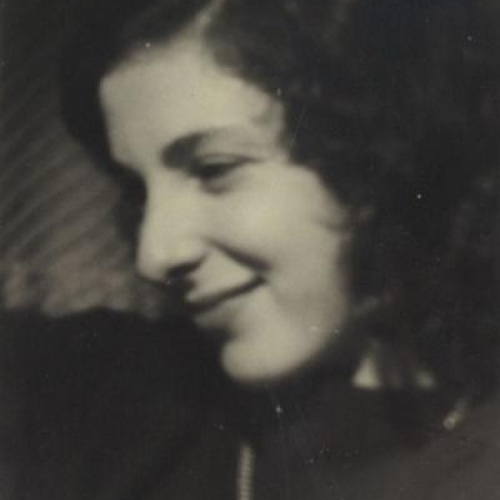
Hester Kool with children she cared for while in hiding 1945 "[She] says to me 'I can get you into hiding because eventually they will get you also.' So she got me a false passport and I had to go on the train and I had to meet this gentleman in a church..." - Hester Kool
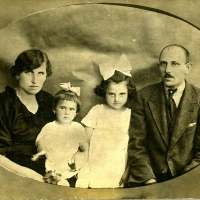
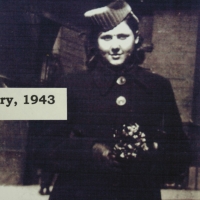
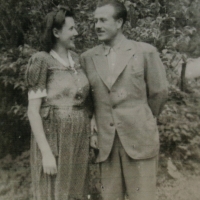
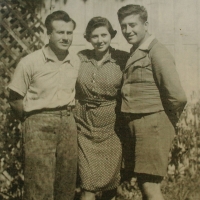
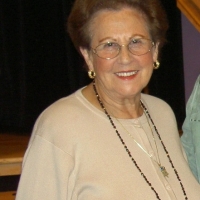
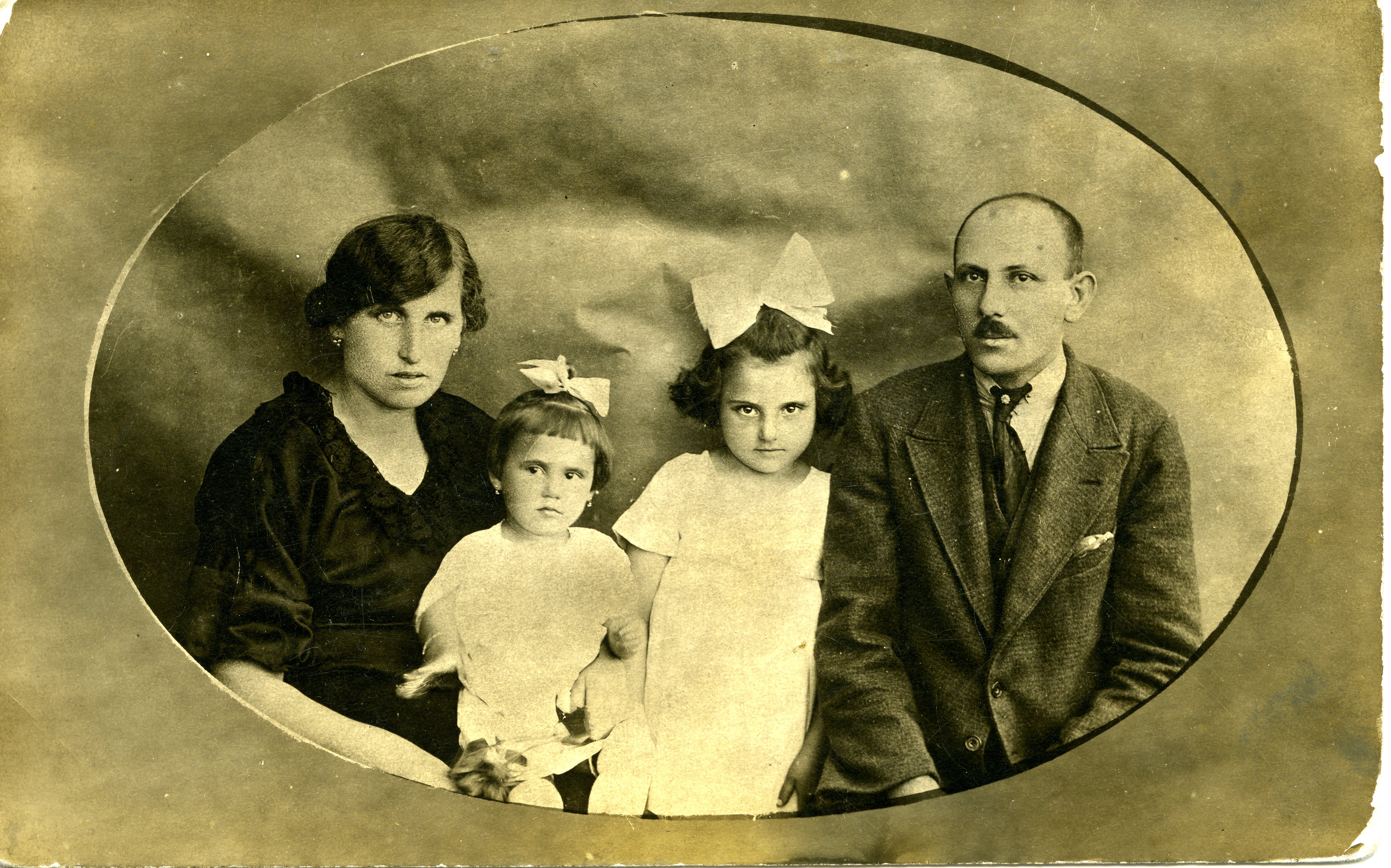
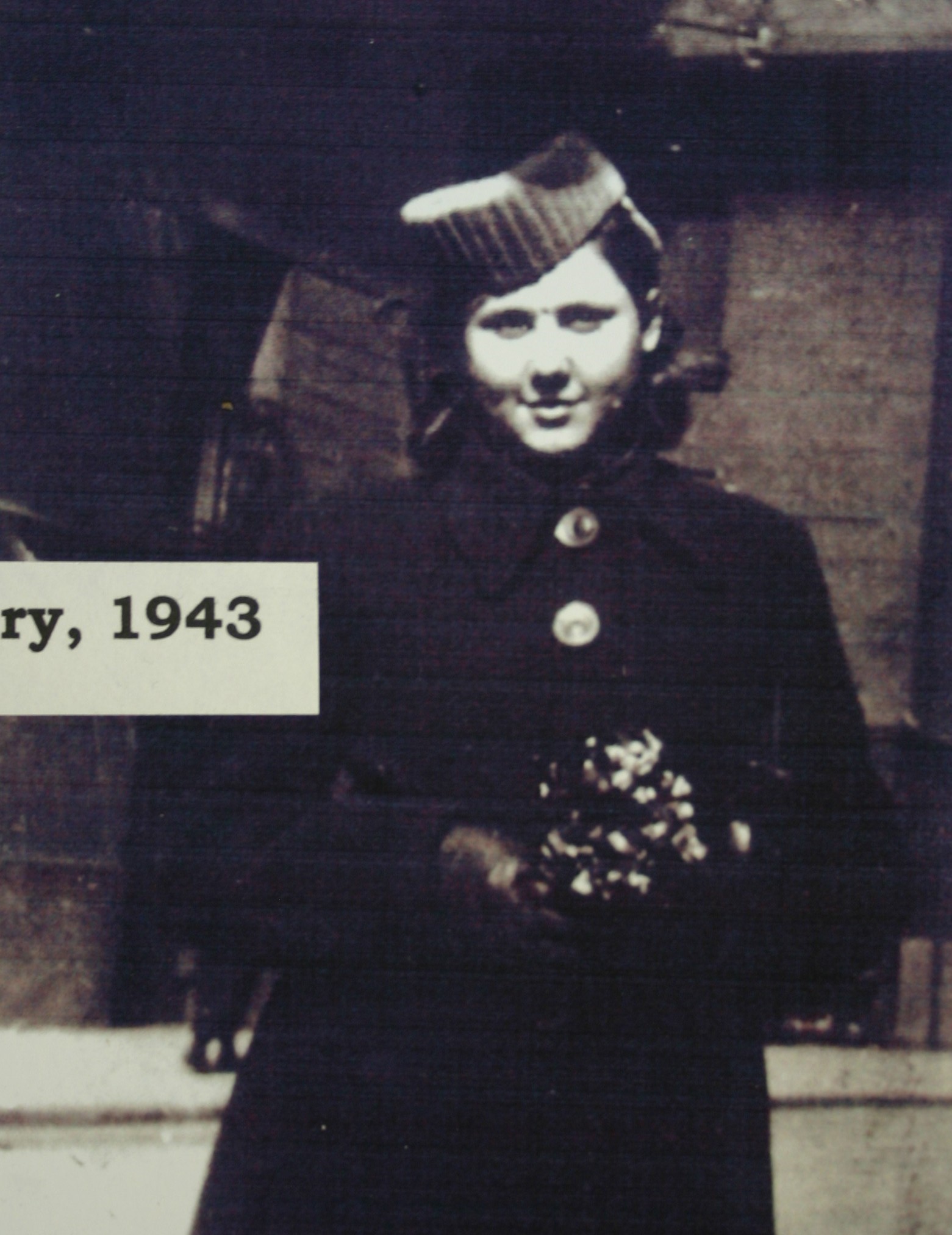
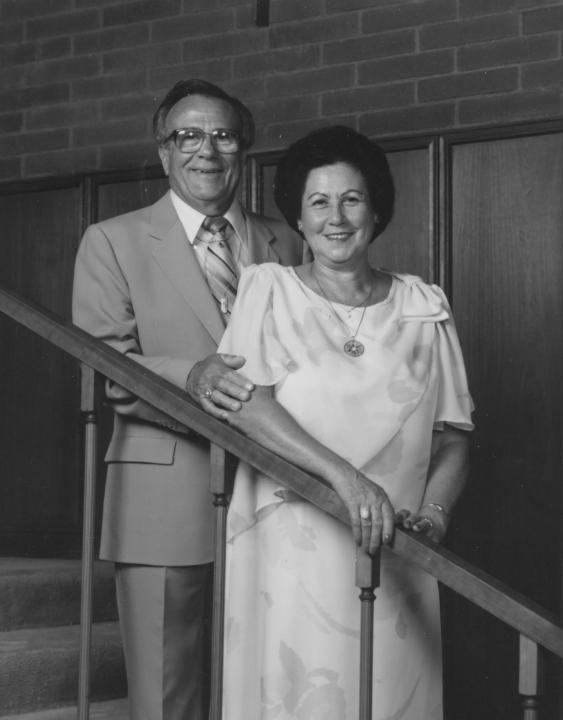
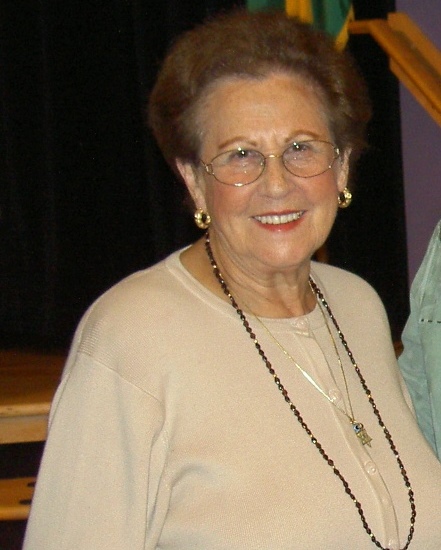
Hester (Waas) Kool was born on May 2, 1927 in Amsterdam, Holland, and grew up in the small town of Zandvoort. The Nazis invaded in May 1940, and in 1942, Hester’s father, mother, and brother were detained in Amsterdam’s opera house, deported to Westerbork transit camp and then Auschwitz. With the help of her friend who was part of the Dutch Resistance, Hester went into hiding with the van Westering family, where she stayed for more than two years.
"The van Westering family had three children, and my duties involved taking care of them and cleaning the house. I was not allowed to leave the house. I ate alone and slept in a room in the attic. I was very lonely."
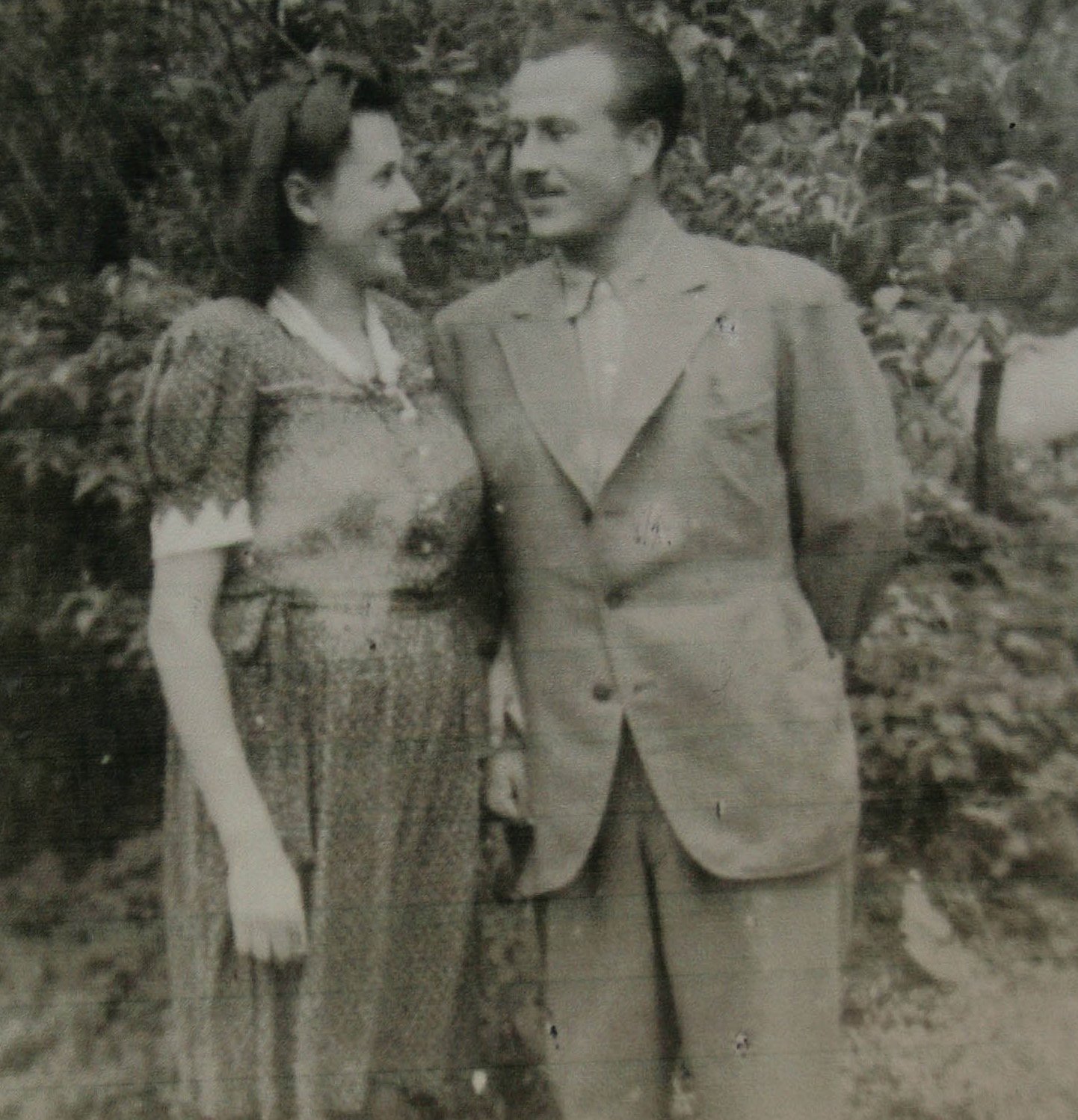
When the war ended, Hester learned the terrible reality that her parents and brother had been killed. An uncle in the United States offered to bring her to the U.S., but Mr. van Westering refused to give her permission to leave. She eventually ran away, later meeting up with family members who had earlier escaped to New York. She arrived in Hoboken, New Jersey in July 1947 after ten seasick days on the Atlantic. A month after arriving, she met Sam. They married the following May, raising a family of three children. Hester moved to Seattle with her husband in 1990 and later became an active member of the Holocaust Center for Humanity's Speakers Bureau.
May 2, 1927 - Oct. 28, 2025
- More About This Survivor:
Transcripts for Video Clips — Hester Kool
Full Testimony - Hester Kool (2009, 57:07)
Autograph book — Featured Artifact
Biography Booklet - Hester Kool (student handout)
-
















Video testimonies, teacher resources, and the work of the Holocaust Center for Humanity are licensed under CC BY-NC-ND 4.0. To view a copy of this license, visit https://creativecommons.org/licenses/by-nc-nd/4.0/
This license requires that reusers give credit to the Holocaust Center for Humanity. It allows reusers to copy and distribute the material in any medium or format in unadapted form and for noncommercial purposes only.
