


Survivor Encyclopedia

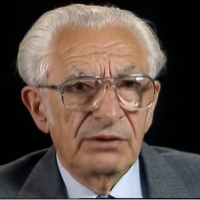
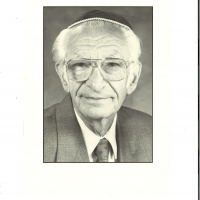
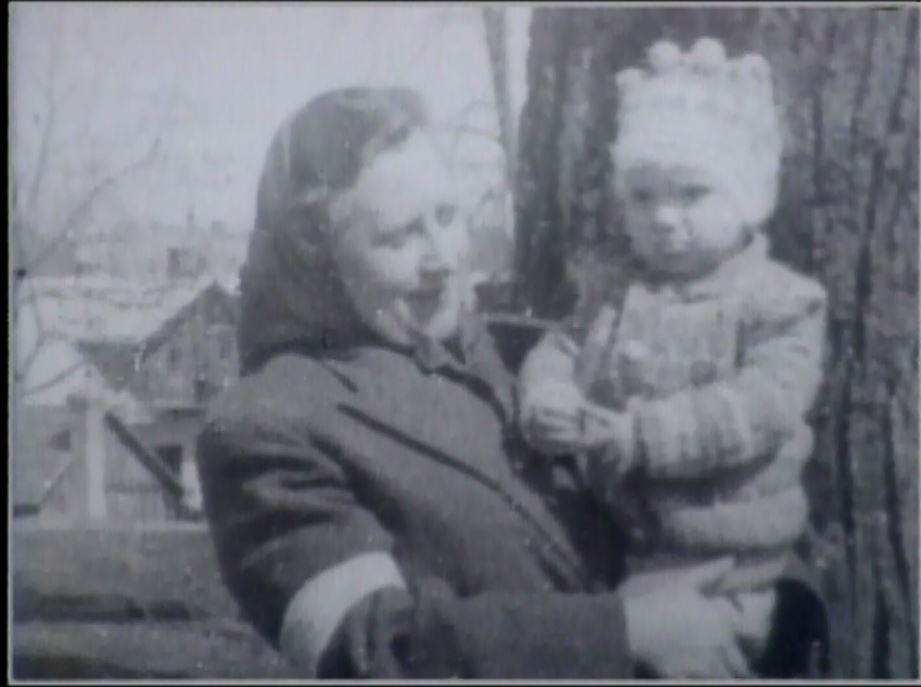
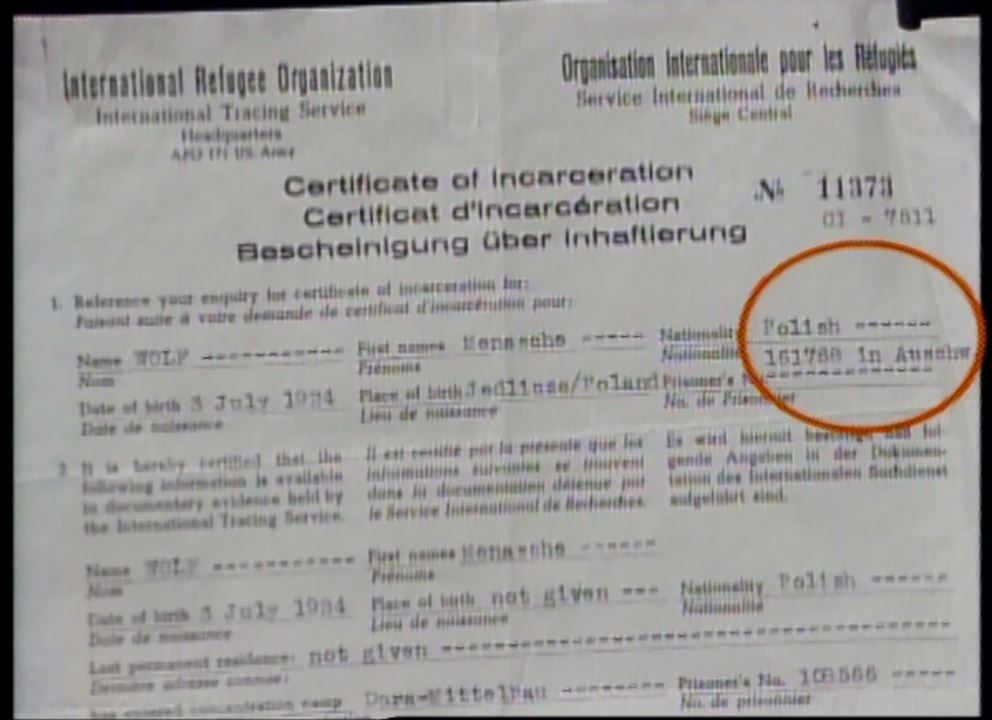
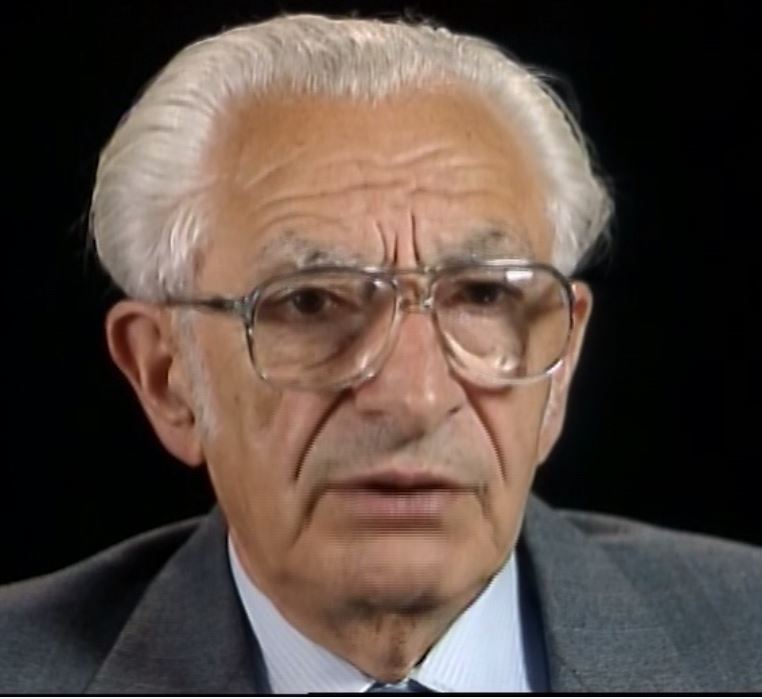
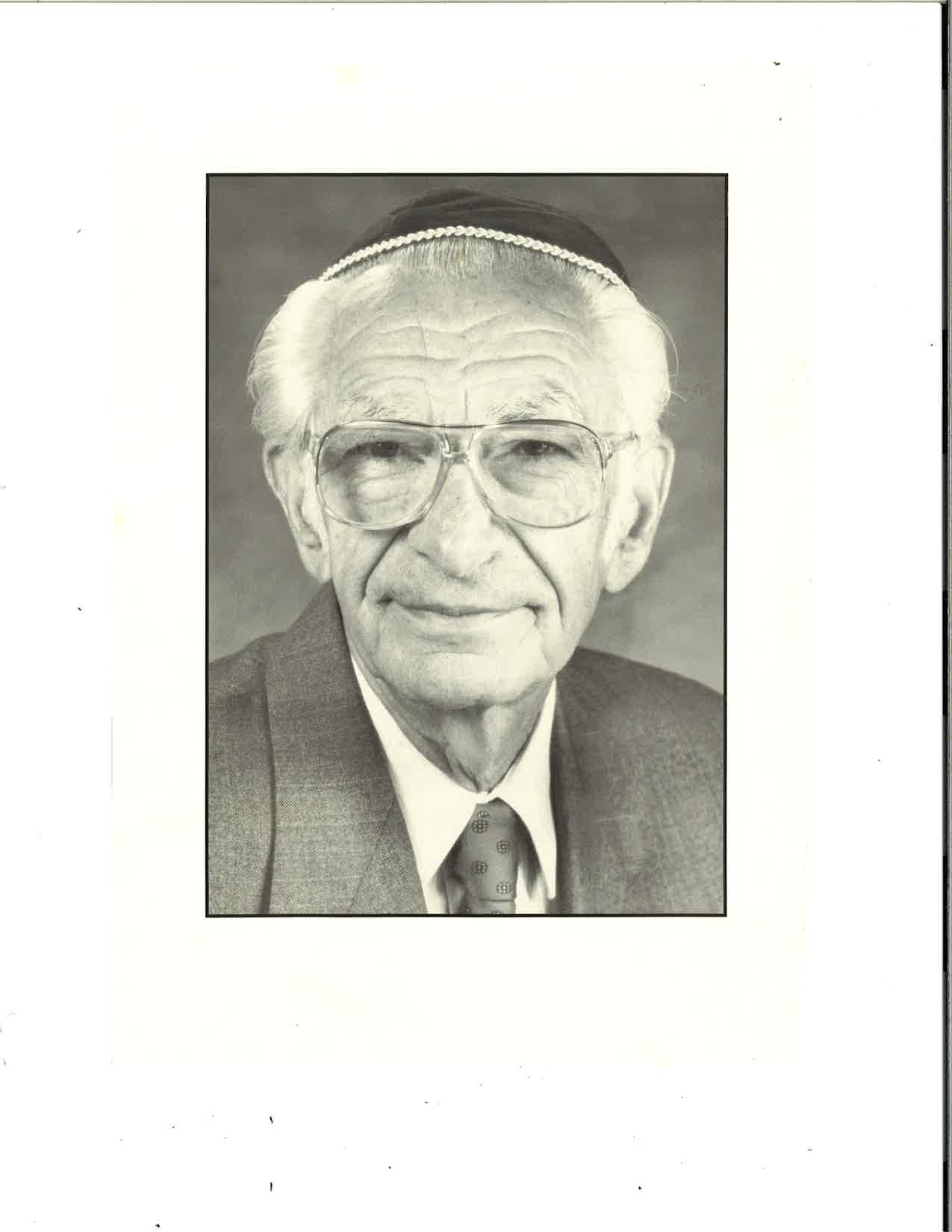
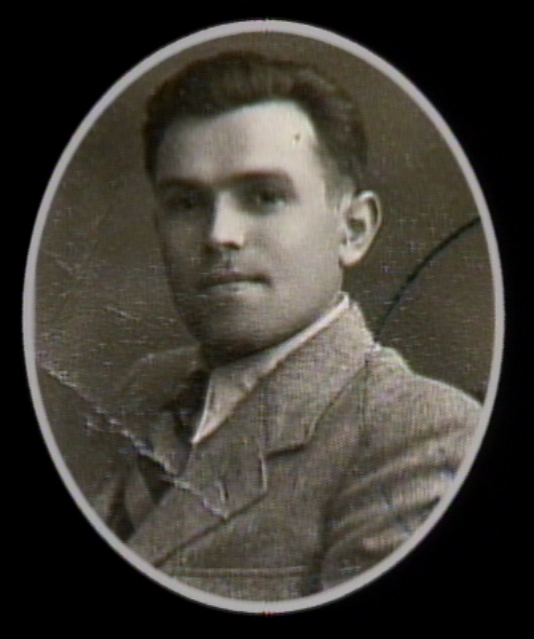
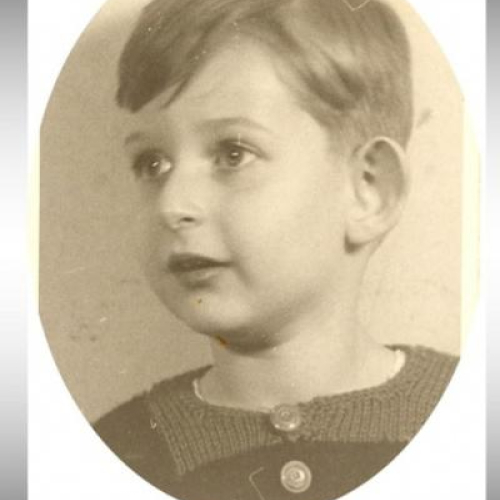
Mel Wolf - Poland
-
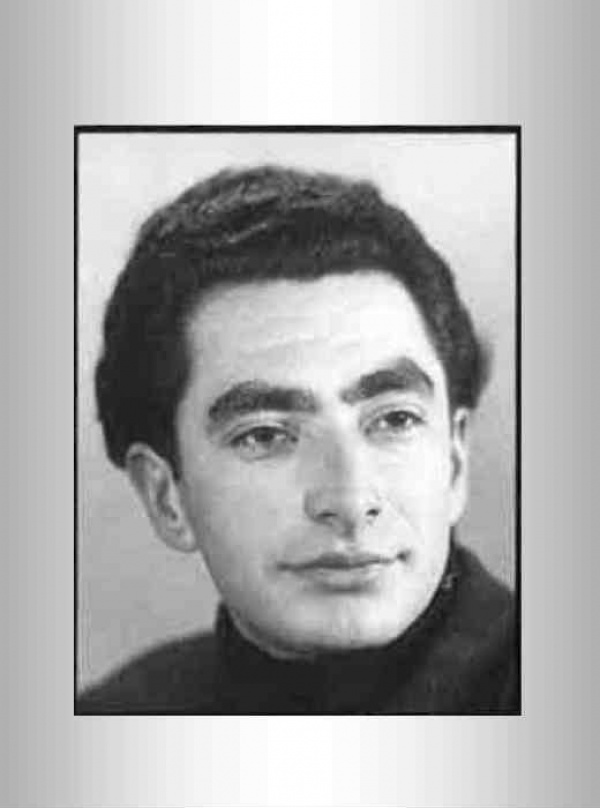
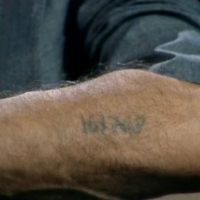
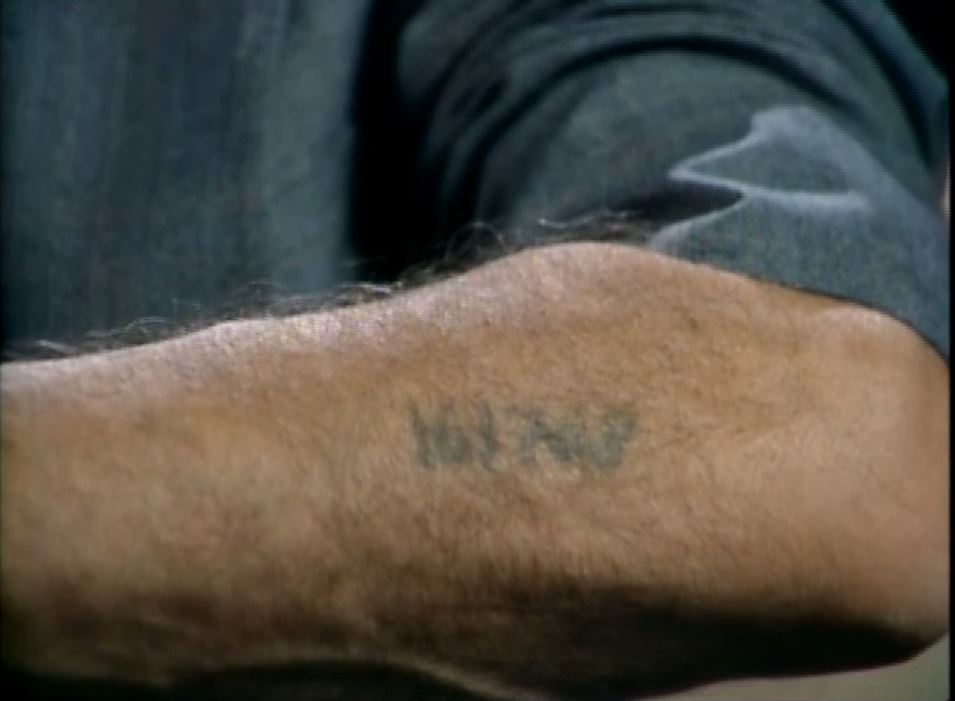
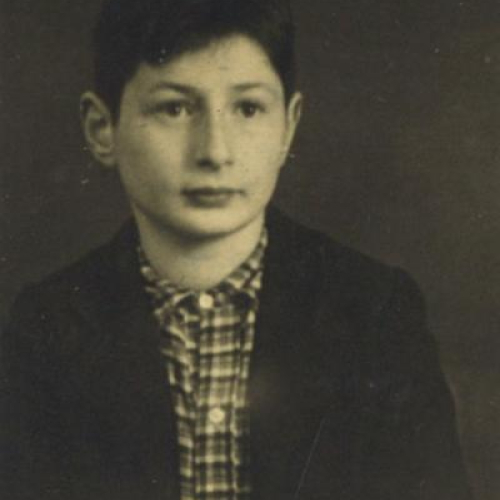
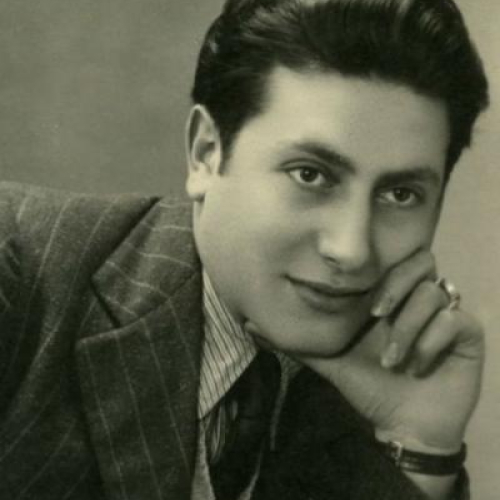
"My first impression in Auschwitz? Scared. Very much scared, even though I already had some experience behind my back. Several years, for that matter. Also my impression was, I could smell something...I smell it every minute of my life." - Mel Wolf
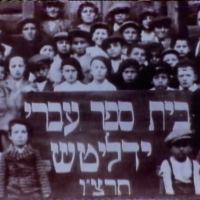
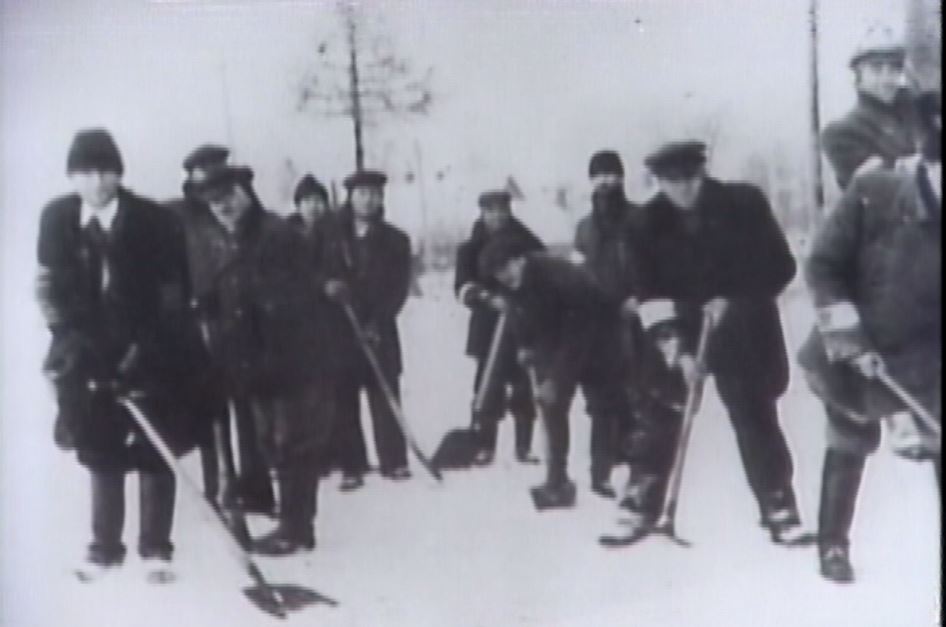
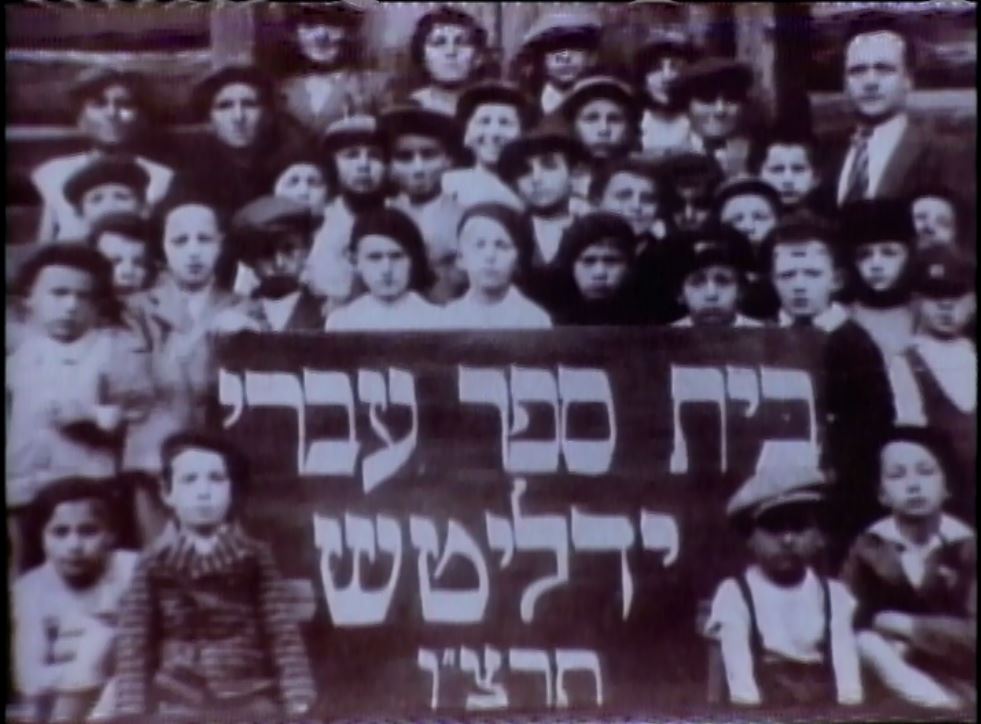
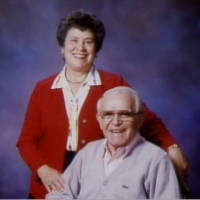
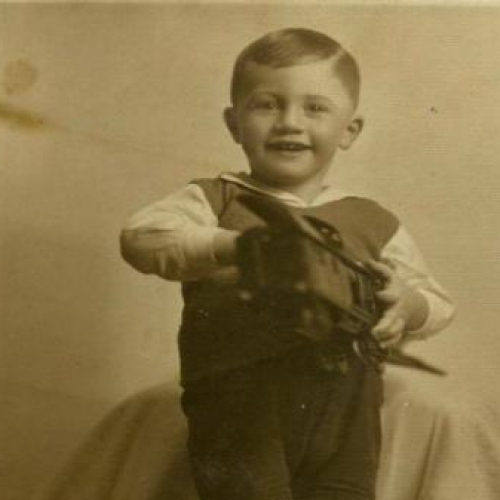
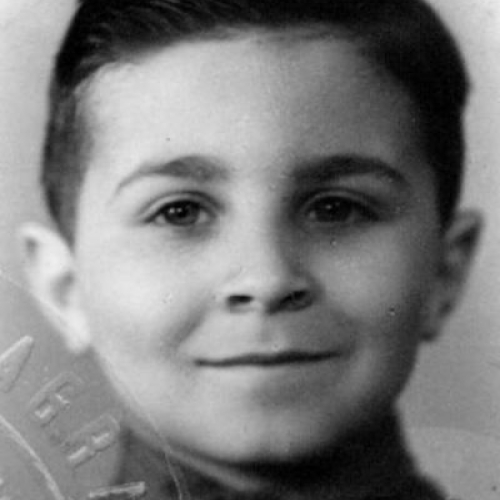
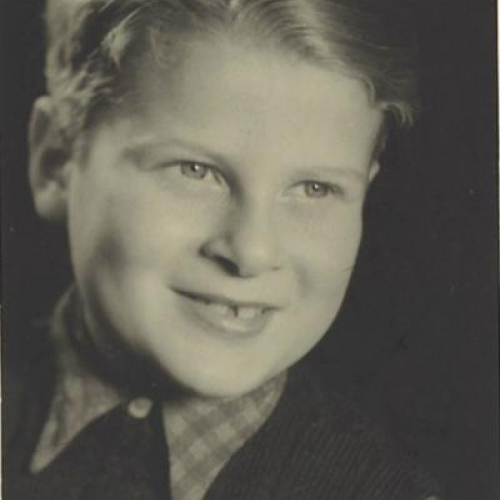
Mel was born in Jedlicze, Poland on July 3, 1924. Mel’s family had lived in Jedlicze for generations as part of a strong Jewish community. When the Nazis invaded Poland in September 1939, Mel’s life “changed totally and completely.” Before the end of 1939, Mel was deported to a forced labor camp. Until his liberation on May 3, 1945, Mel spent 5 years in concentration camps, enduring horrific conditions and situations, first in Krosno, and Szebnie, and finally in Auschwitz.
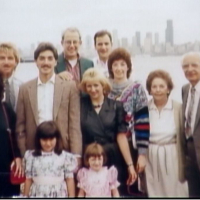
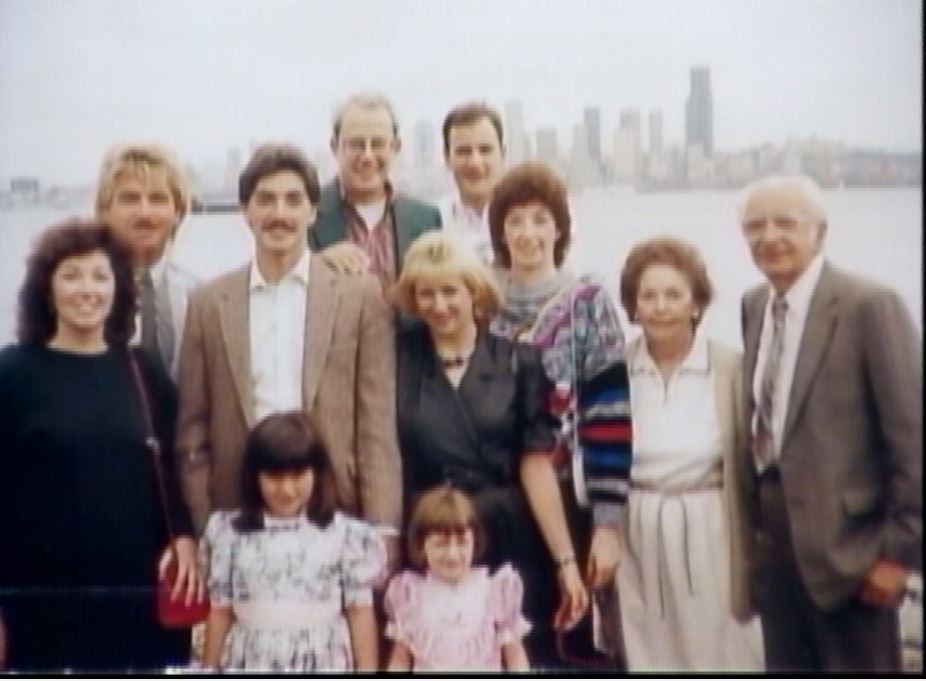
From Mel’s large family, only he and one of his cousins survived. After liberation, he was taken to a Displaced Persons Camp in Germany, where he met Ilse Huppert, also a survivor of Auschwitz. They married in the DP camp in 1949 and immigrated to Seattle in 1951, where they had three children. Mel worked at Sears for 34 years and was dedicated to congregation Bikur Cholim-Machzikay Hadath, serving as board president from 1985-1988. Mel passed away on January 3, 2000.
1924-2000
- More About This Survivor:
Selections All The Time (1:09)
Mel Wolf Full Testimony (1991) (3:22:20)
Mel Wolf Transcription of full testimony
-

Zahava Sweet - Poland
-
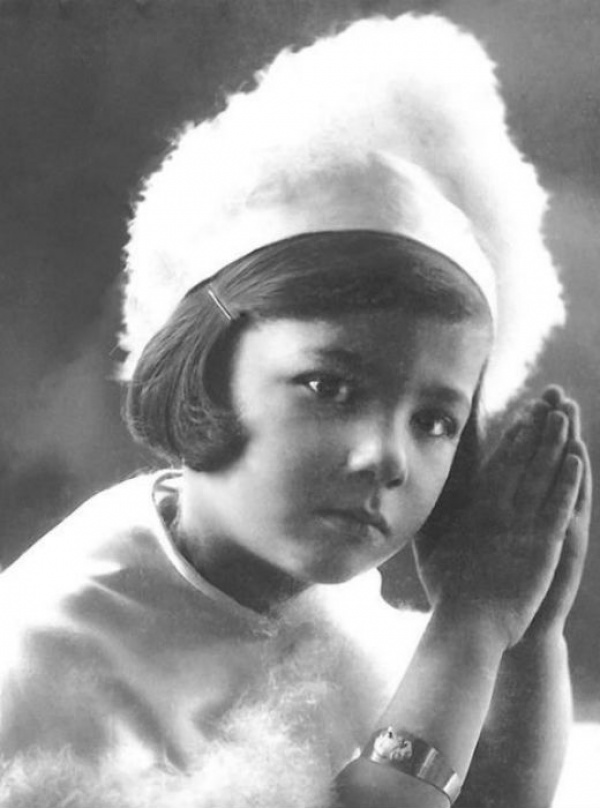
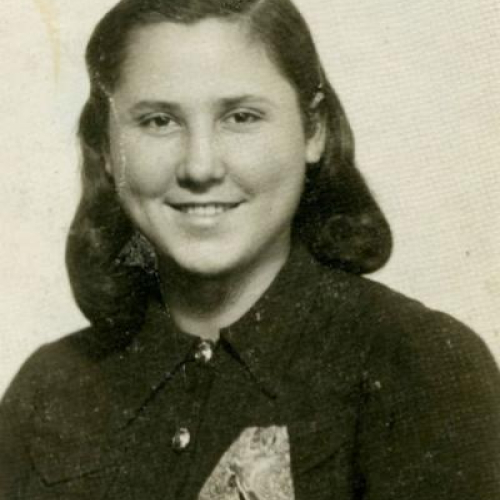
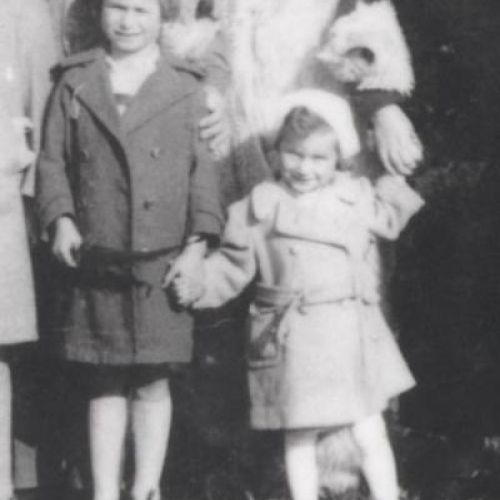
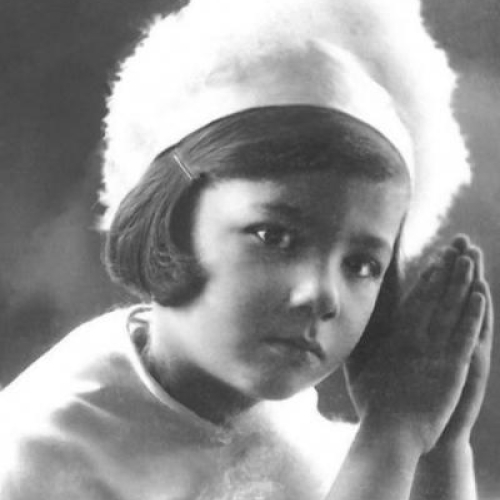
“Once in the Lodz ghetto I went out and I saw a sunset. The sun was very large and round and big, and at that moment I just knew that somehow I would see that sun again, and it will be that way, and I will survive and I will live.” - Zahava Sweet
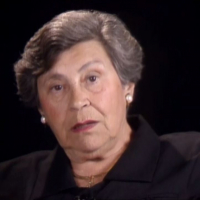
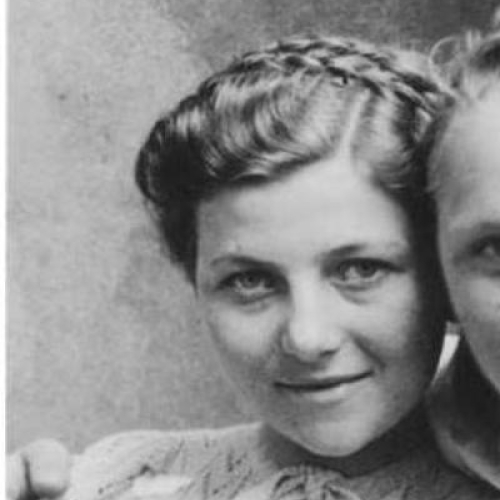
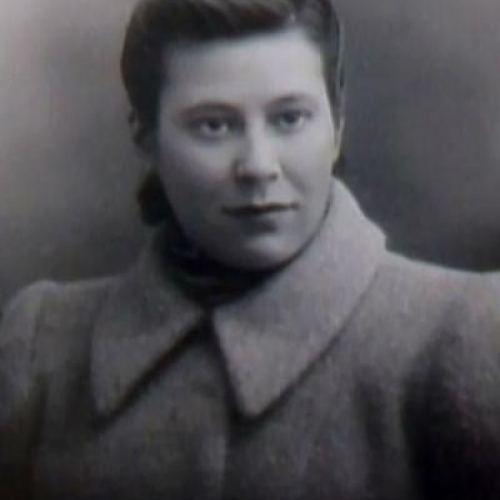
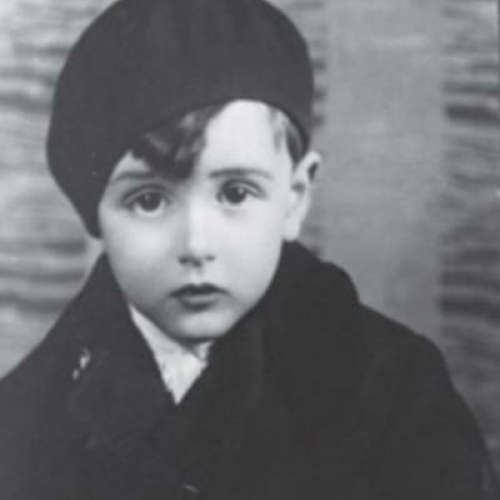
Zahava Eksztajn was born in Lodz, Poland on May 7, 1930. She remembers antisemitism in the form of being bullied and stoned by other Polish children. In early 1940, a few months after the Nazis occupied Lodz, the Nazis relocated Zahava and her family into a ghetto that contained more than a third of the city’s population. There she worked in her father’s tailoring factory. However, she soon fell ill with jaundice due to malnutrition and was placed in the ghetto hospital. Thanks to her Aunt Fella, she narrowly avoided being rounded up by Nazis when they emptied the ghetto hospital of unattended children.
In the spring of 1944, Zahava was separated from her family and deported to Ravensbrück. At this women’s concentration camp she was given a uniform, lice-infested jacket, wooden shoes, and sent to work in the nearby Wittenberg aviation factory. One German soldier regularly gave her bits of food and information while promising to keep her alive, but he later disappeared inexplicably. After Russian soldiers liberated Ravensbrück, she traveled back to Poland and reunited with her father and sister, but learned that her mother had perished. Zahava and her sister lived in Israel for twelve years before immigrating to the United States in 1958.
Soon after arriving in the United States, Zahava met and married Richard Sweet. The couple and their two children lived in Seattle from 1989 until 1999 before moving to California. Zahava’s collected poems can be found in The Return of Sound.
1930-
- More About This Survivor:
Zahava Sweet Full Testimony (1990) (1:23:29)
Presentation to Veterans - Patch, January 16, 2014
-
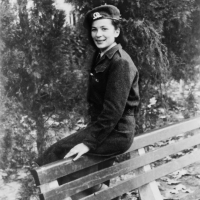
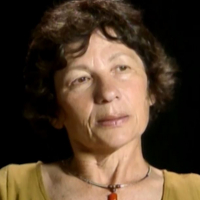
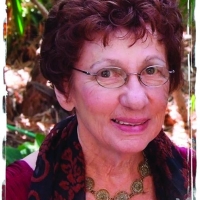
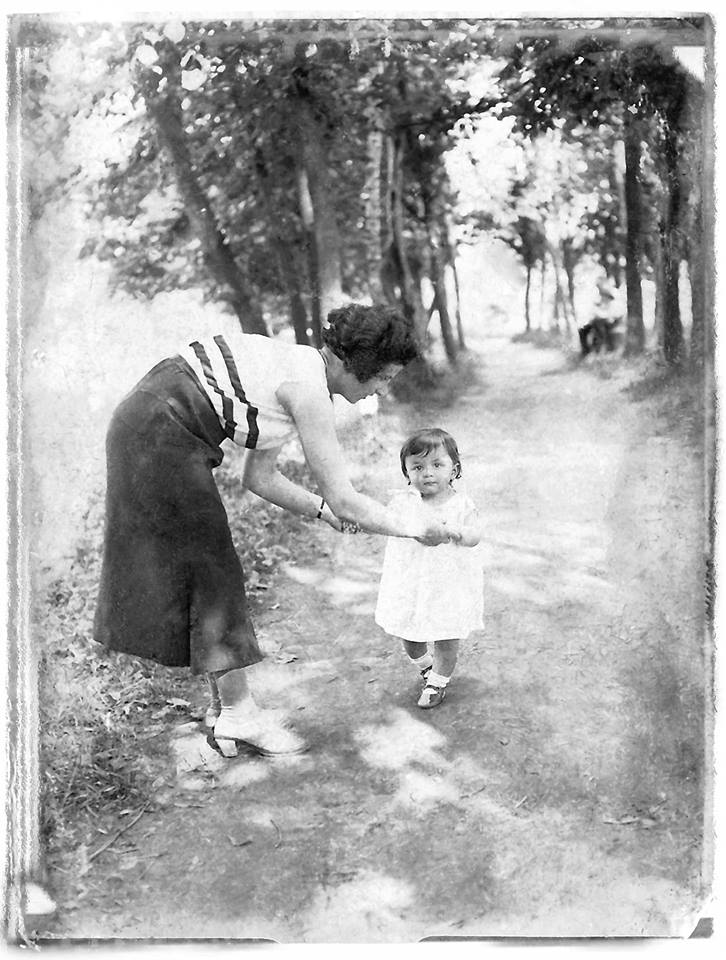
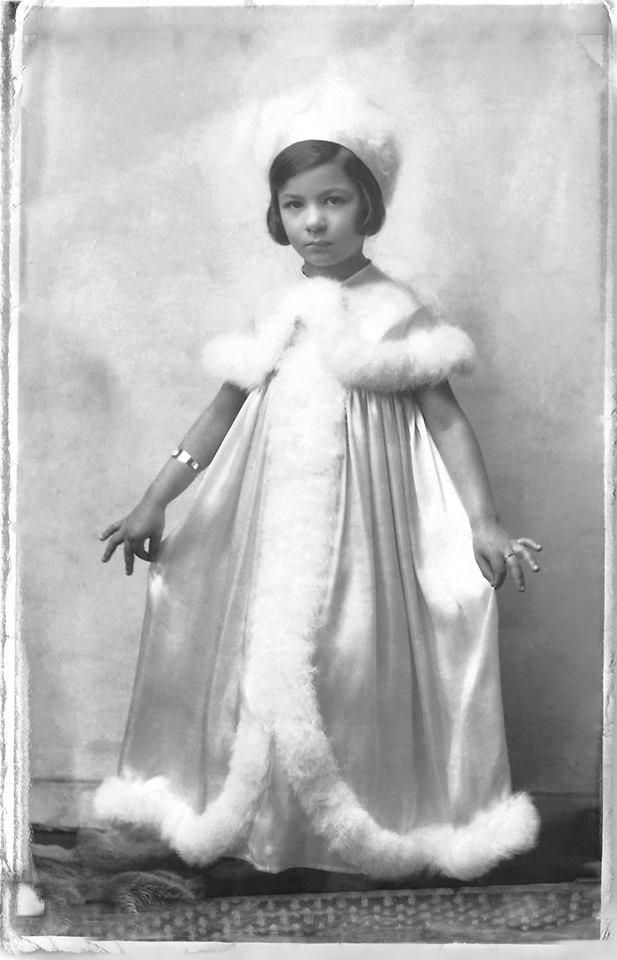
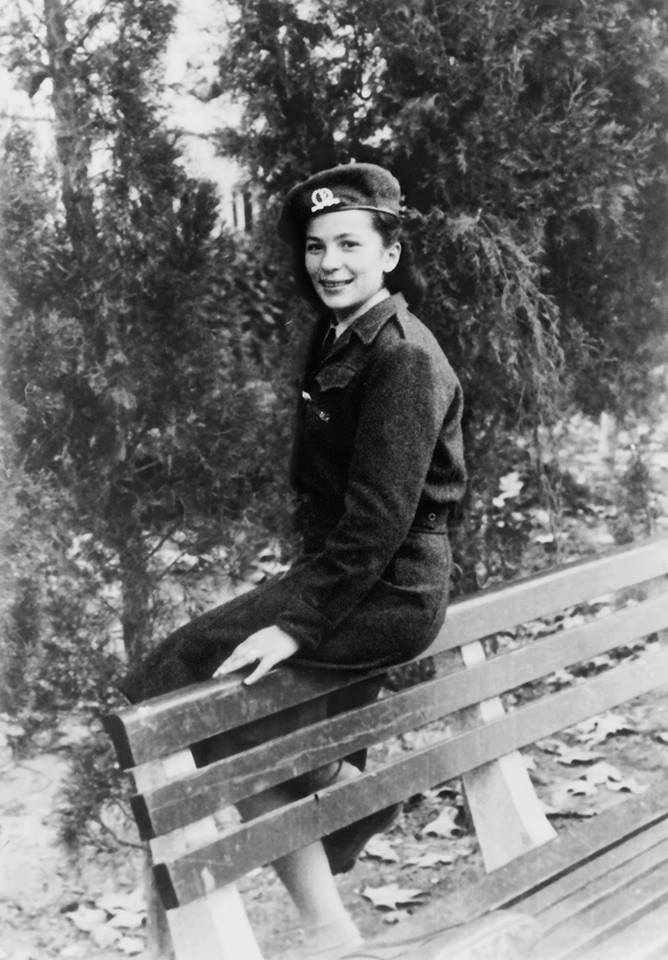
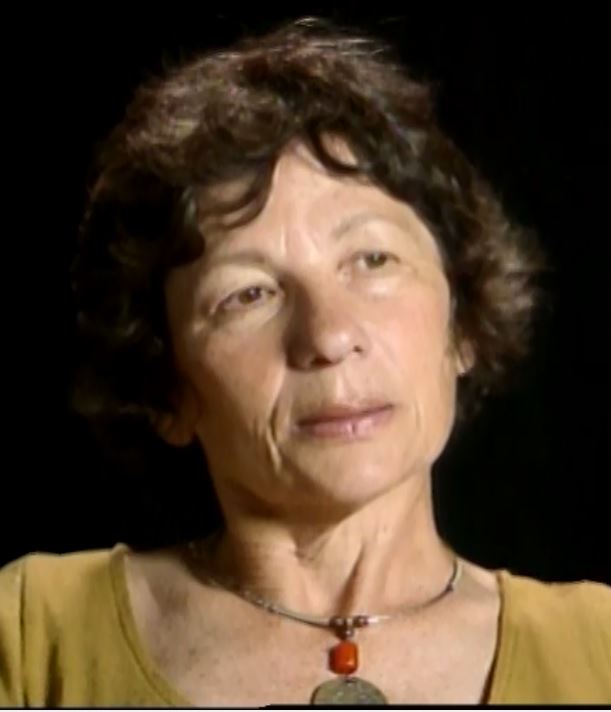
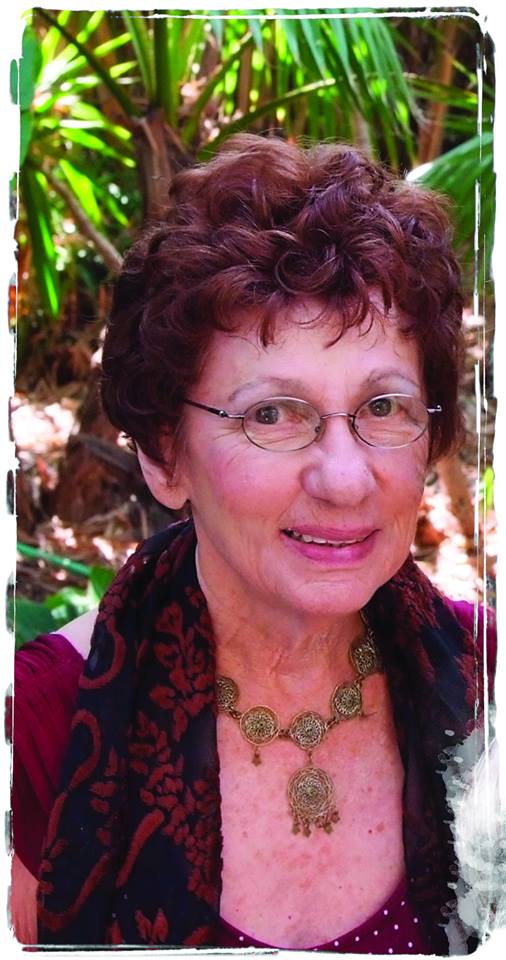

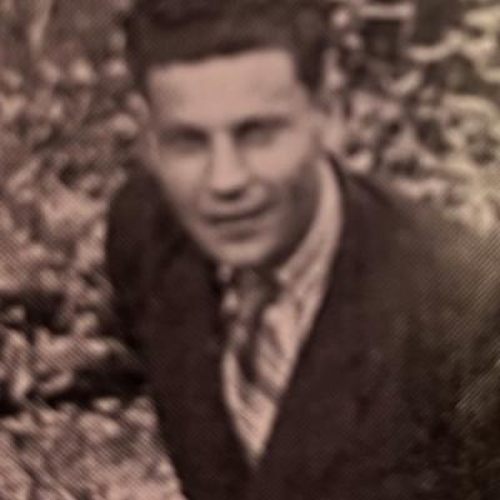
Sam Farkas - Czechoslovakia
-
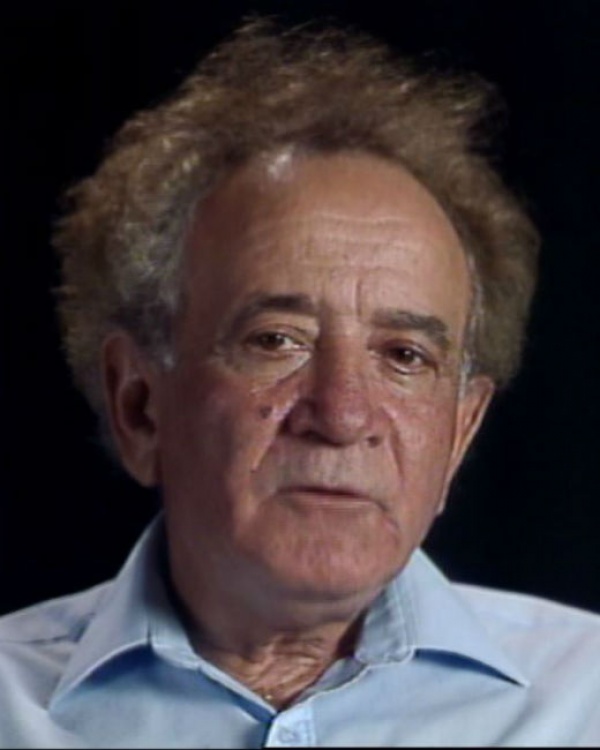
"I couldn't see anything and I didn't know when the car will tilt over to empty itself, so one of my hands was pressed when the car tilted - it was pressed against the ceiling and it cut me completely there, three fingers" - Sam Farkas
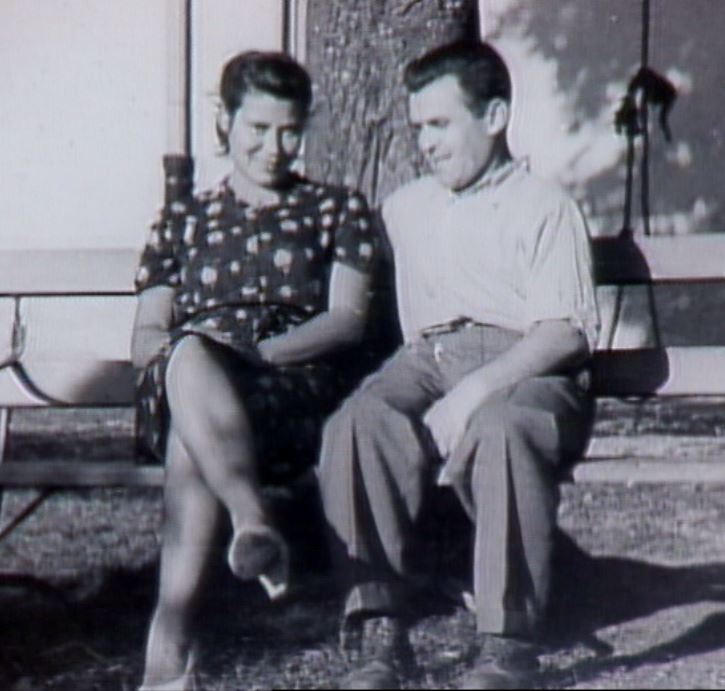
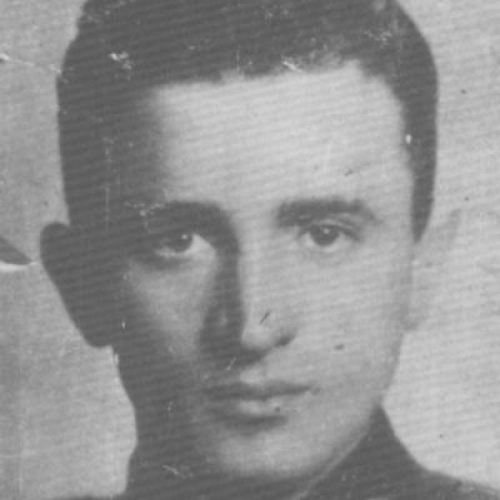
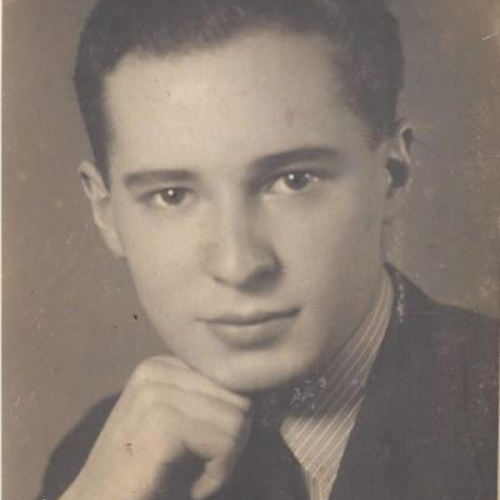
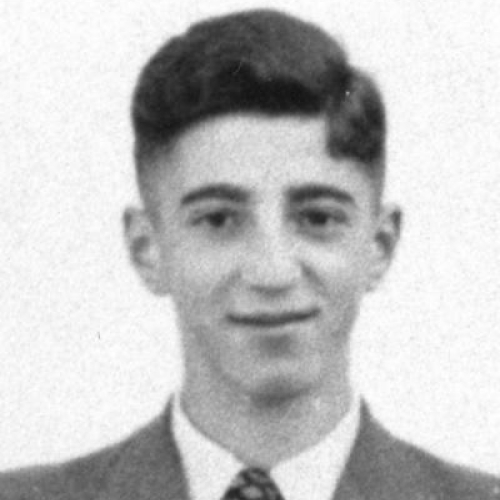
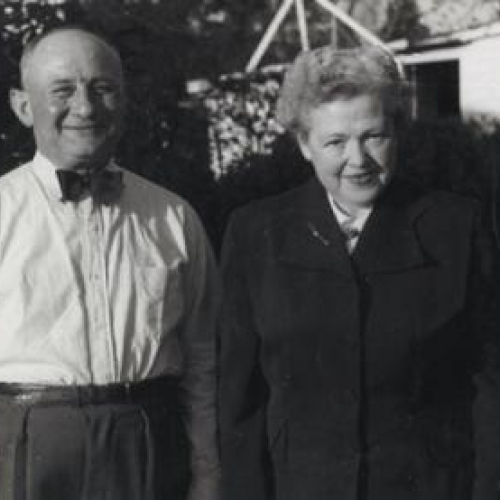
Sam was born in Teresva, Czech Republic on July 14, 1928. His father worked in the timber industry, and Sam and his five siblings lived a comfortable life. After his town was invaded by Nazi-collaborating Hungarians in 1939, even teachers would tell him and the other Jewish kids, “Hitler will get you.” His father, believing no one would harm them, refused many offers from non-Jewish friends to hide the family. In January 1944, Sam and his family were deported to the Mateszalka ghetto in Hungary, where they were routinely abused and overworked. One month later, the Nazis forcibly sent the family to Auschwitz.
At the end of the war, Sam returned home to find out that only his eldest brother had survived. He met his future wife Ruth in a tuberculosis ward in 1946. They married in 1949 and settled in Seattle in 1951, where Sam volunteered at many Jewish organizations and food banks. Sam passed away in 1995.
1928-1995
- More About This Survivor:
Full Testimony Sam Farkas (2:12:19)
Prayers at Night (1 min 27 sec)
How we get shirts ( 1 min 31 sec)
Those fingers can be saved (1 min 26 sec)

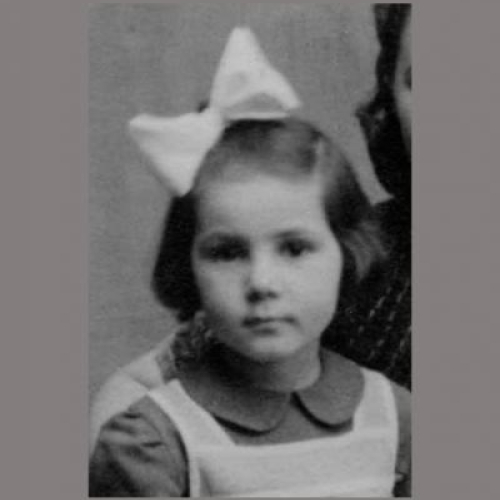
Ann Birulin - Poland
-
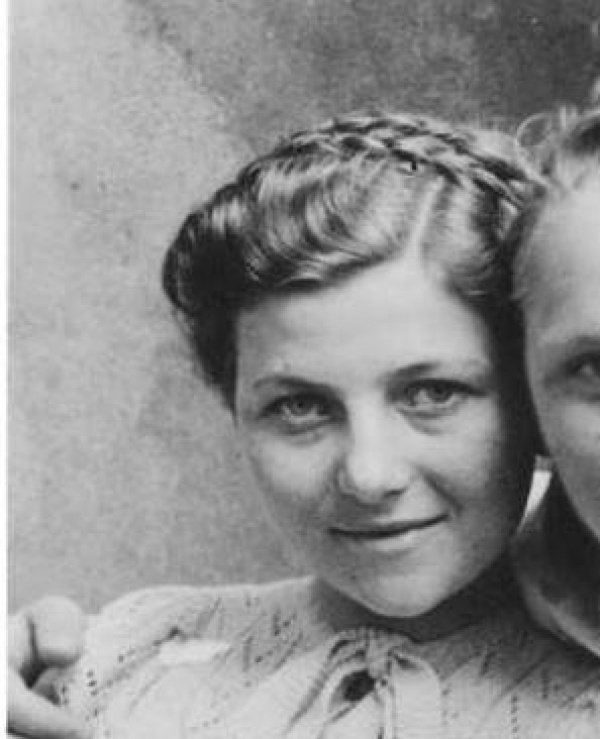
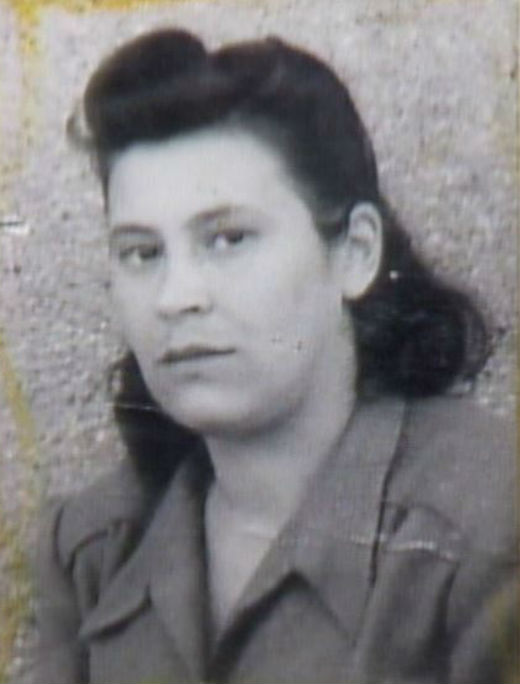
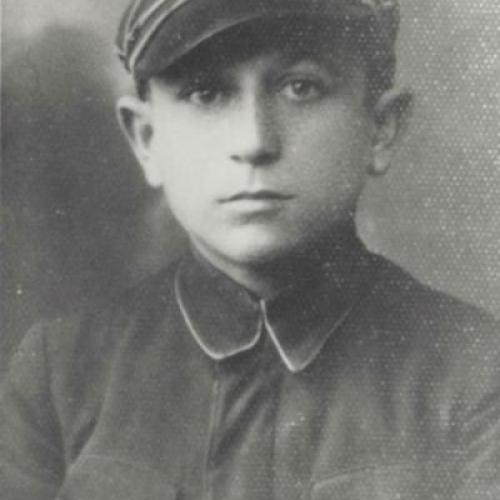
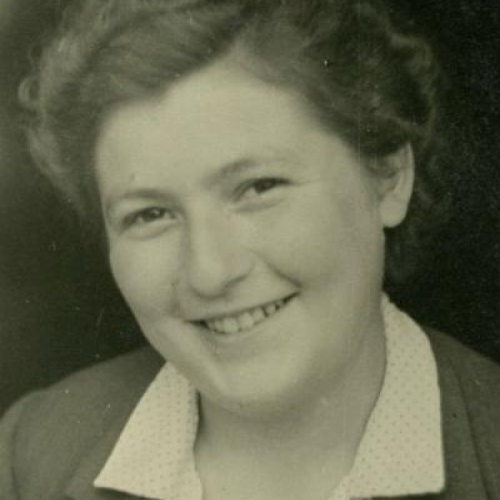
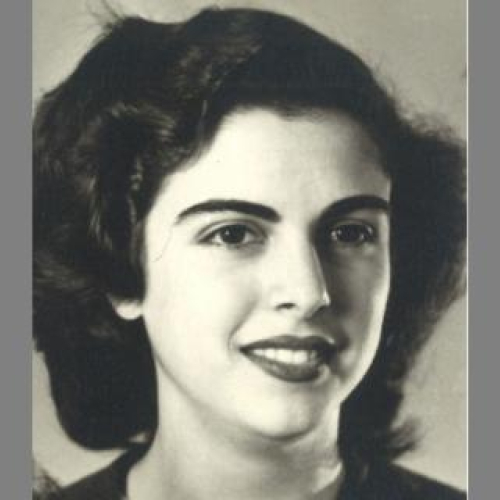
Ann Birulin, Poland, 1944 “We knew something was going to happen. My mother said, ‘if something happens to me, you and Hyman [Ann’s brother], must go on…If I’m shot, and I fall – don’t look back. You save your life. If you will live, through you I will live." -Ann Birulin
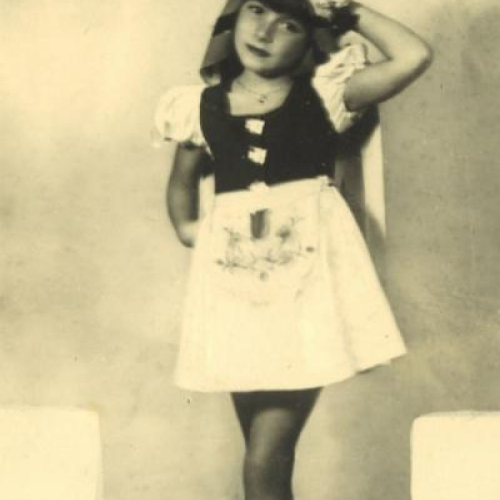
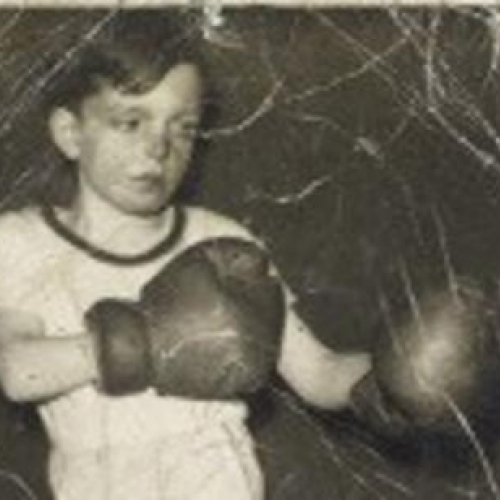
Ann (Neiss) Birulin was born in Hruczewice, Poland on October 4, 1928. In June 1942, the Nazis forced the 20 Jewish families in their small village of 300 people into a ghetto. The Nazis and their collaborators compelled Ann, her mother, and younger brother to forced labor in the fields all day long. Treatment was harsh, and beatings occurred. At night, they returned to cramped quarters of 10 people to a room and two to a bed.
With her mother's blessing and encouragement, Ann escaped the ghetto. She later discovered that her mother died of starvation, and her 13-year-old brother was shot by German soldiers and buried in a mass grave along with other Jewish victims.
Five months after her escape, the Nazis recaptured and deported Ann (who was successfully hiding her Jewish identity) to a slave labor camp in Selb, Germany, thinking her to be a Pole. There she worked in a factory that manufactured porcelain. Living and working conditions were grueling for the 14-year-old Ann. She slept in a crowded room with 20 other girls, food was scarce, the walk to and from the factory was many miles, and she was forced to work six days a week. Much to her surprise, she eventually discovered that several other Polish girls with whom she was enslaved were also hiding their Jewish identities.
Ann was liberated by American troops in 1945 and transported back to Poland to search for surviving relatives. None of her family was alive, and Ann encountered brutal antisemitism as Polish citizens attacked, and even killed, returning Jews.
To escape the violence, Ann sought refuge in a Displaced Persons Camp in Germany. From there, Ann emigrated to the U.S. in 1947, joining her cousins in Seattle. She married Sol Birulin in 1949, and they had two children. Ann graduated from the University of Washington in 1954, and she and Sol volunteered for many Jewish organizations in Seattle. Ann passed away on February 28, 2018.
1928-2018
- More About This Survivor:
Transcripts for Video Clips - Ann Birulin
Full Testimony -Ann Birulin (2:05:06)
Ann Birulin Obituary (published in the Seattle Times, March 2018)
-
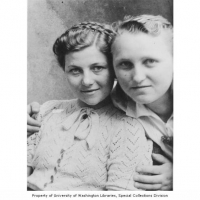
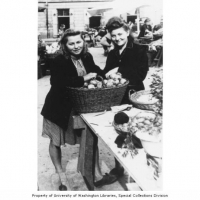
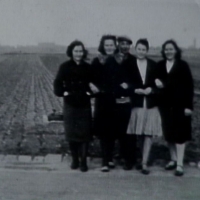
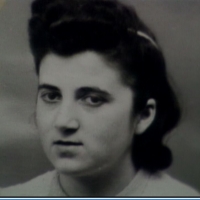
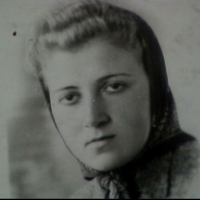
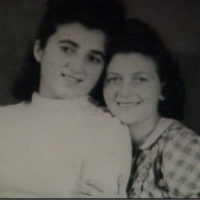
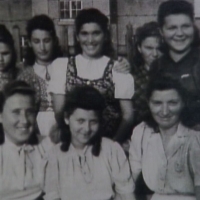
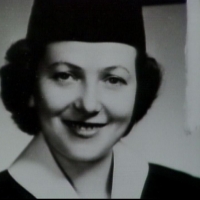
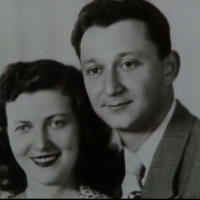
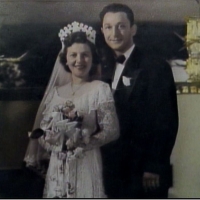
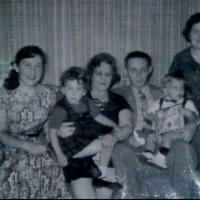
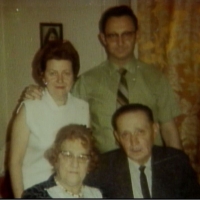
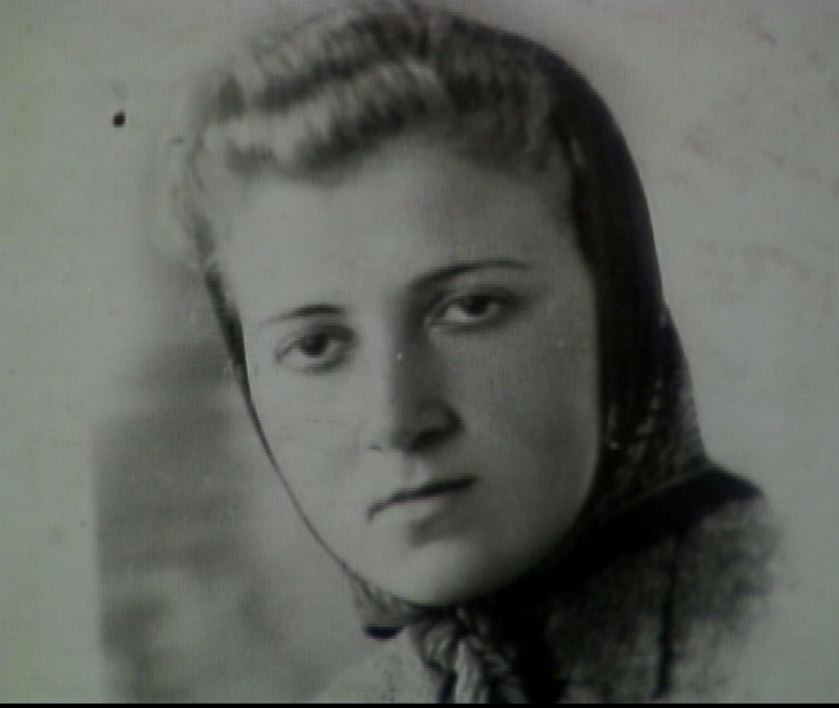
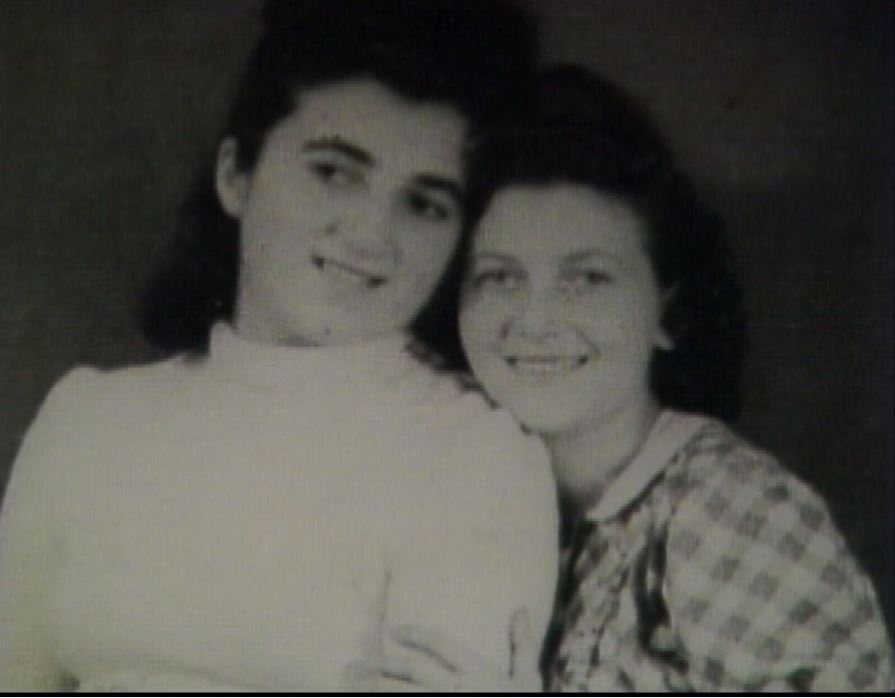
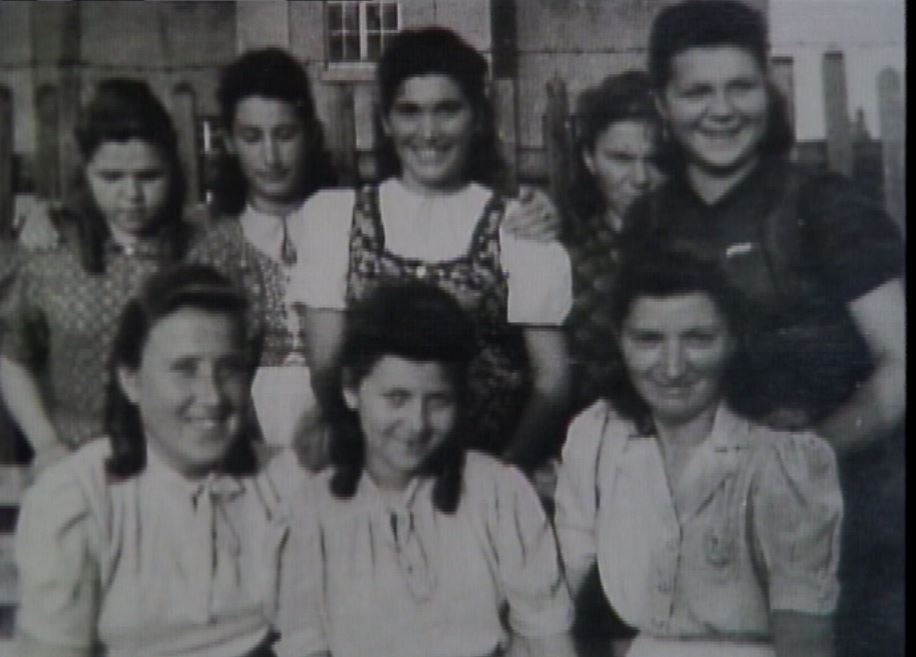
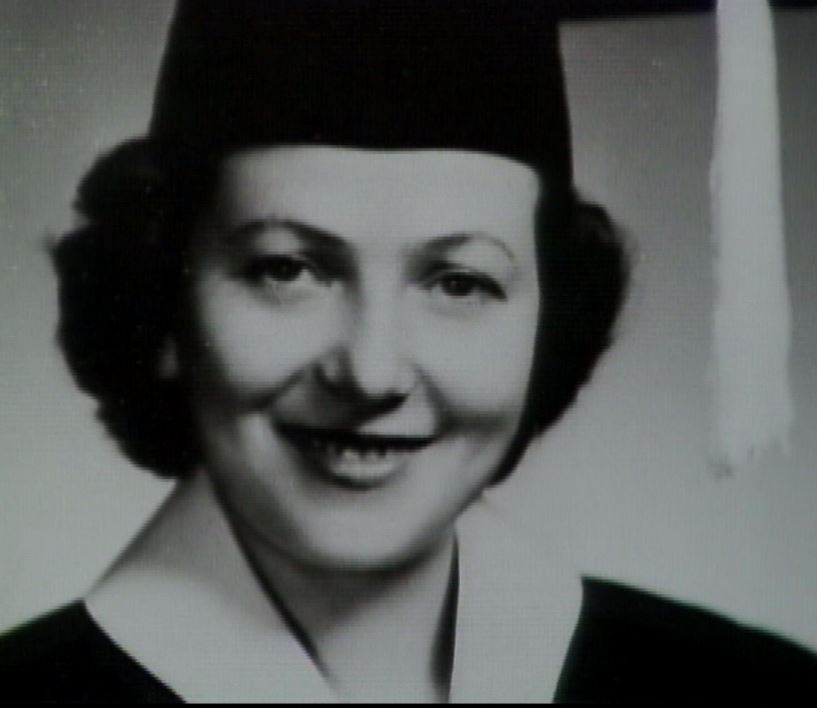
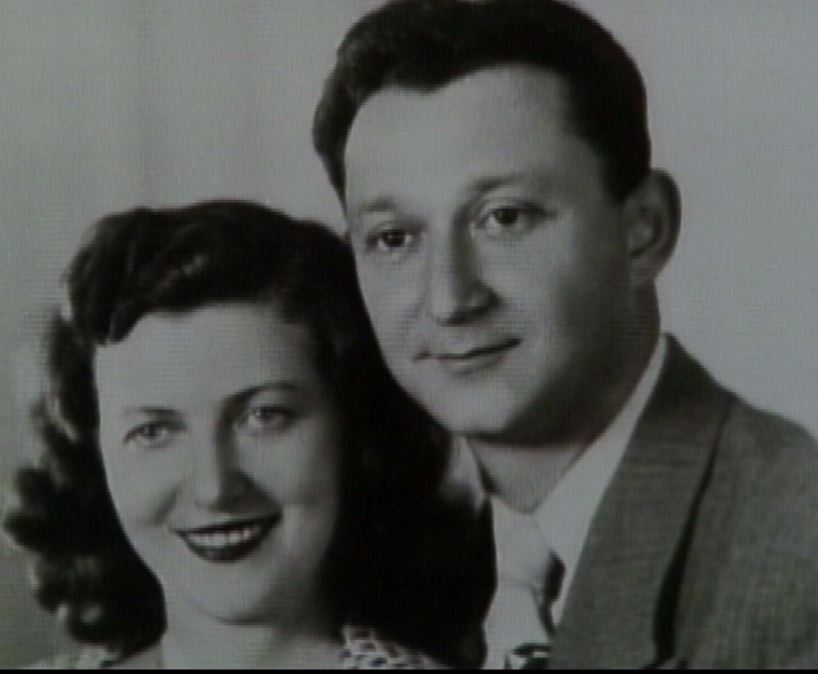
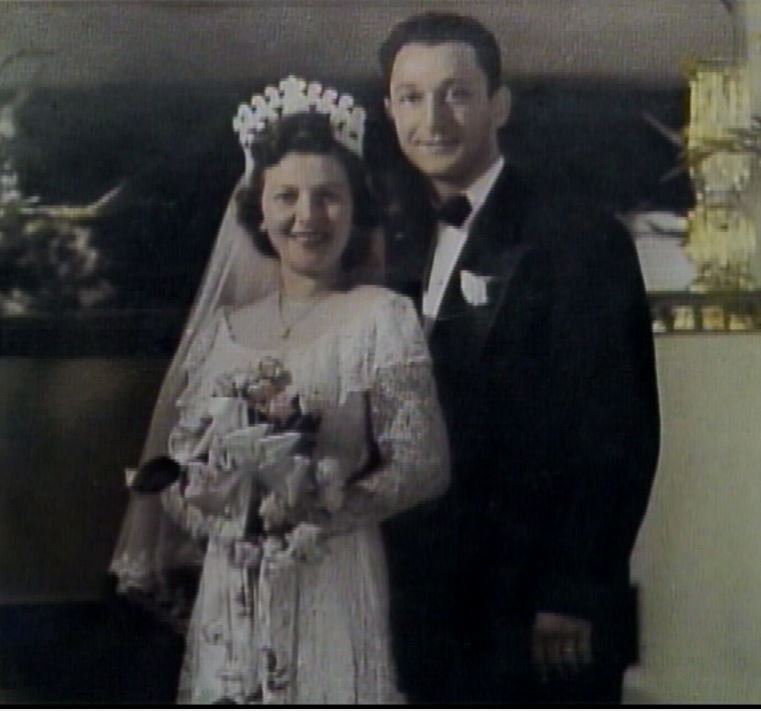
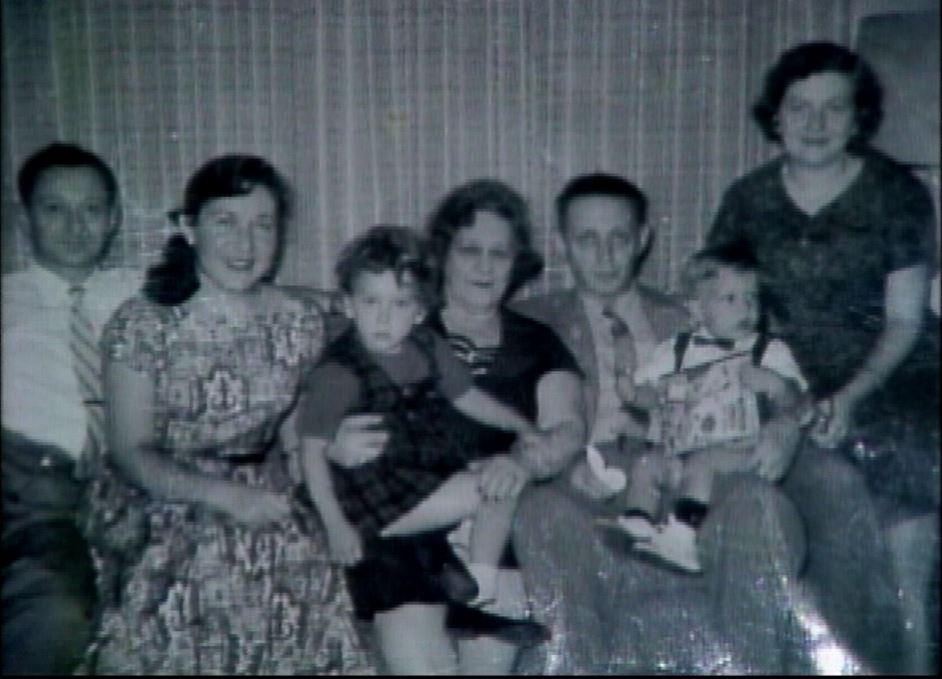
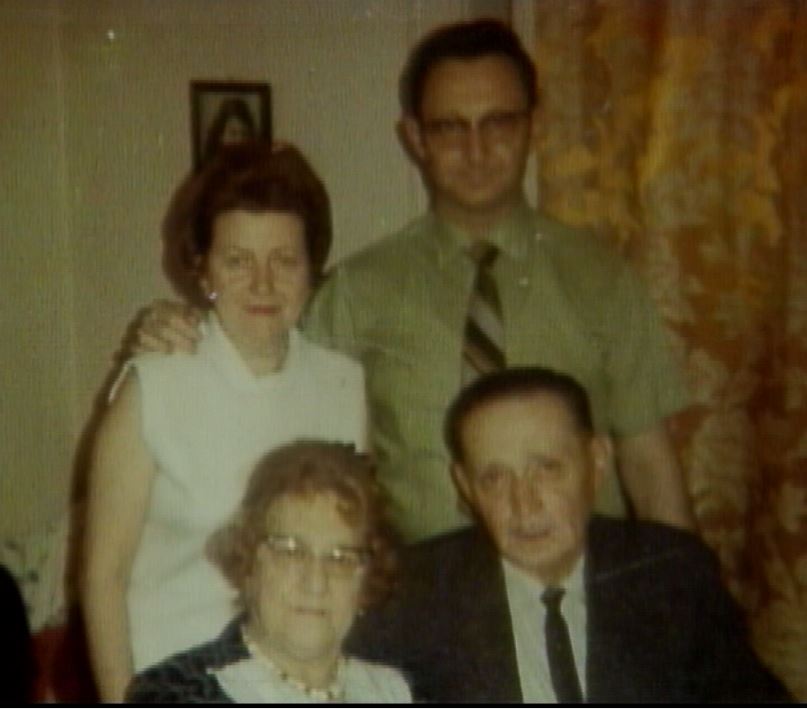

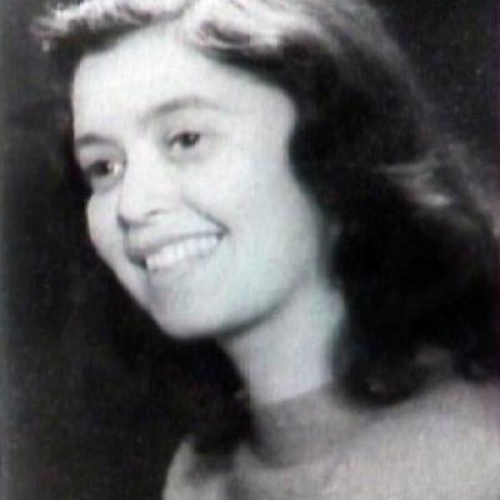
Nora Eilenberg - Poland
-
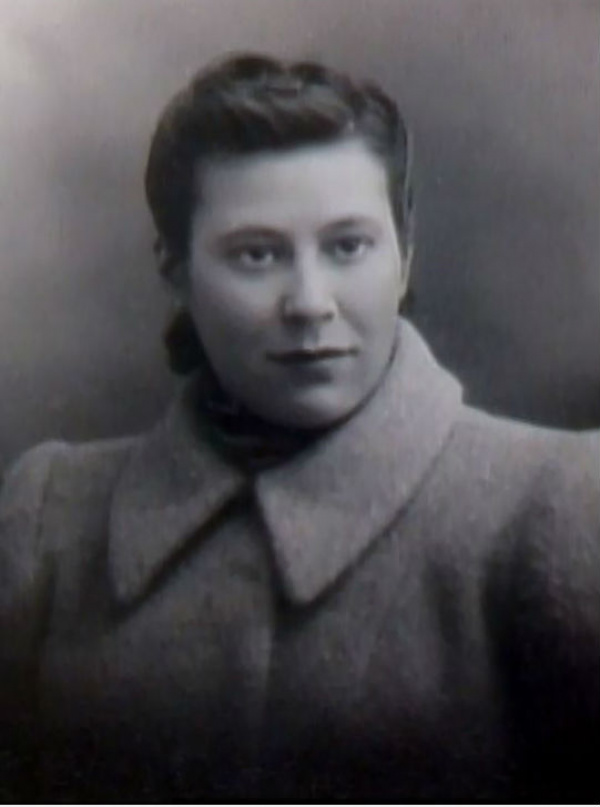
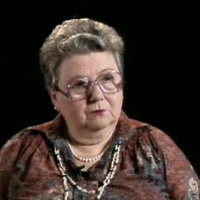
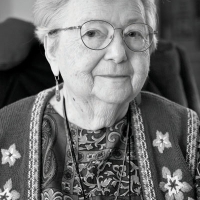
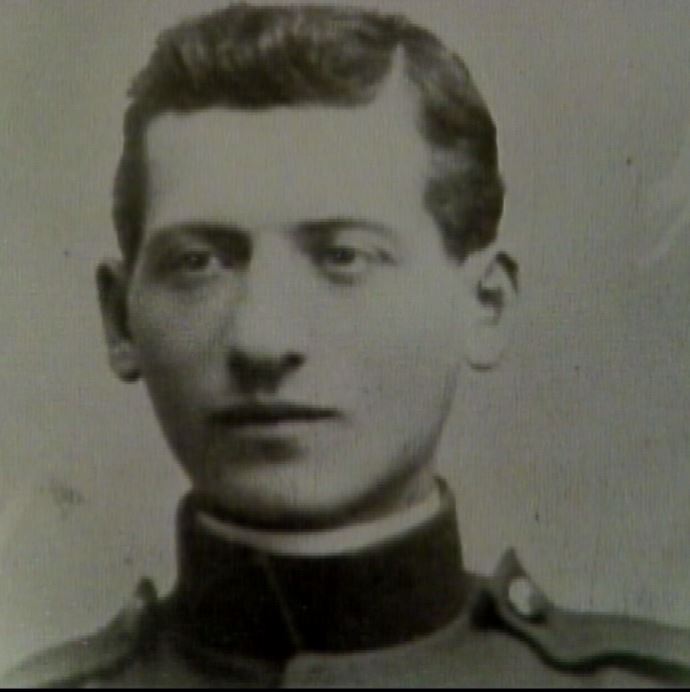
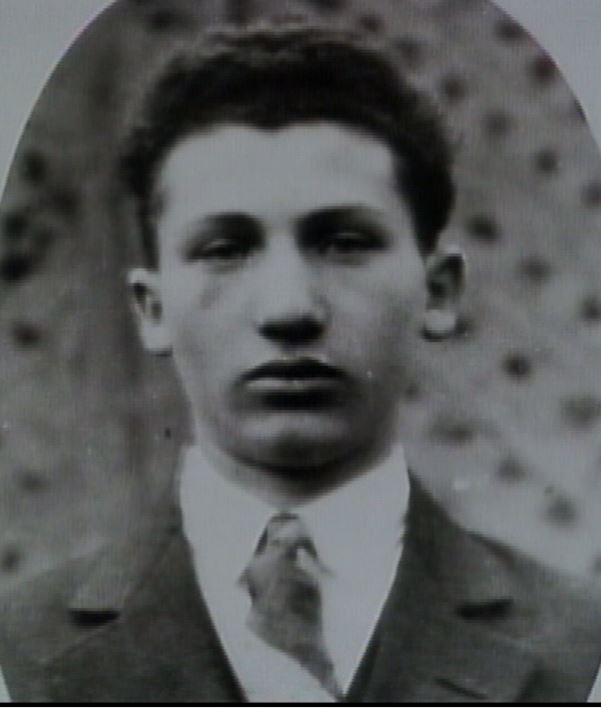
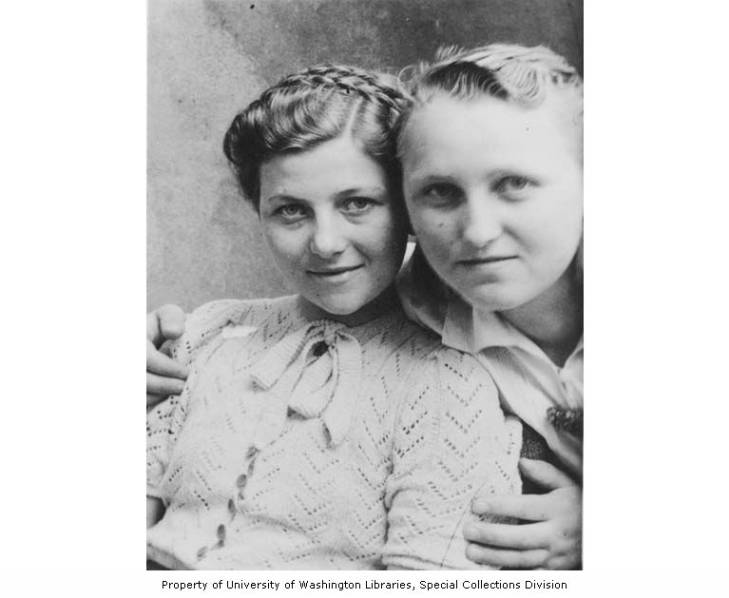
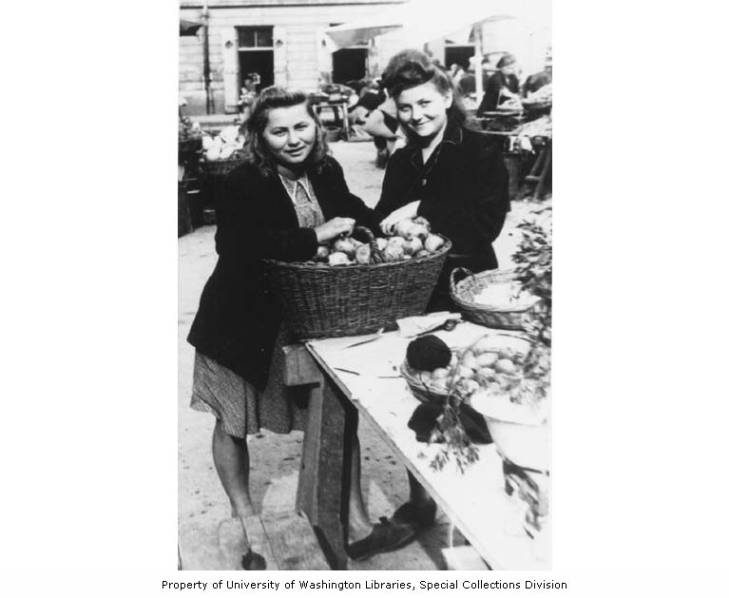
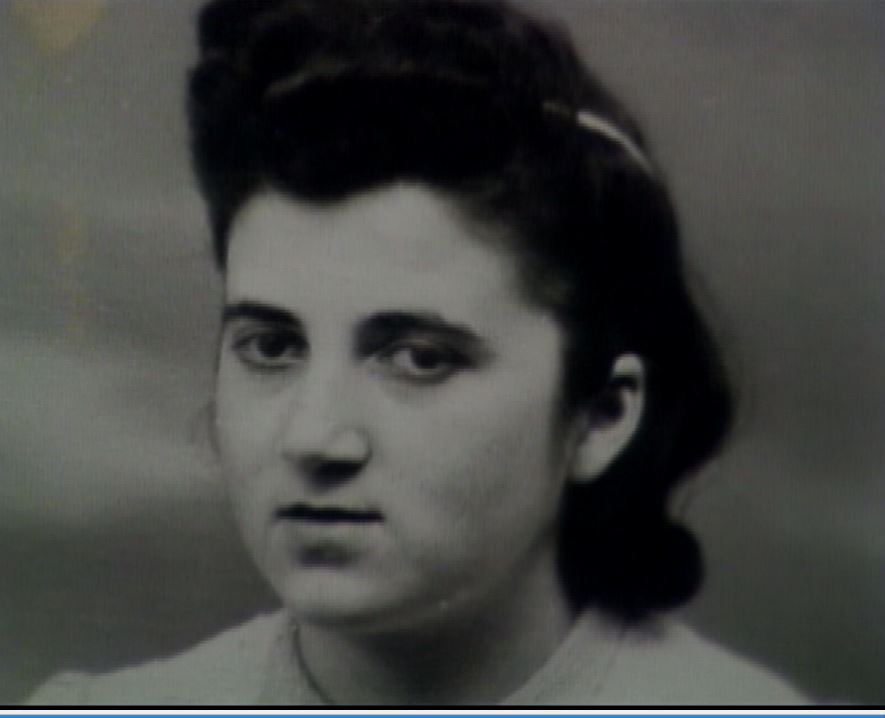
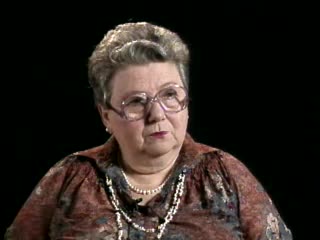
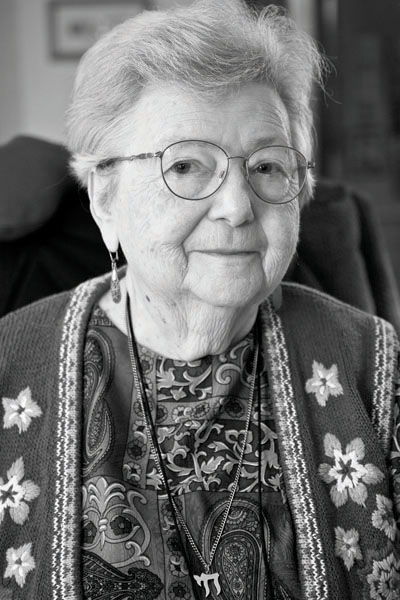
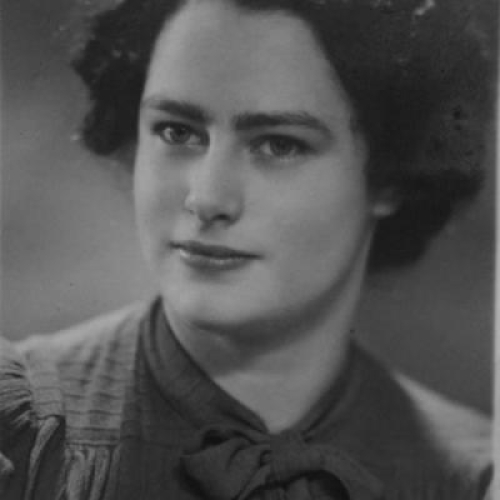
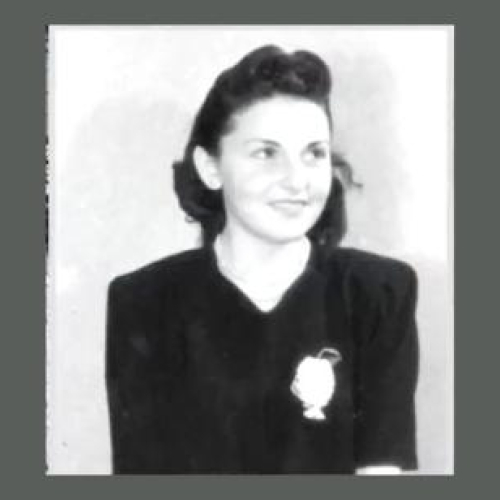
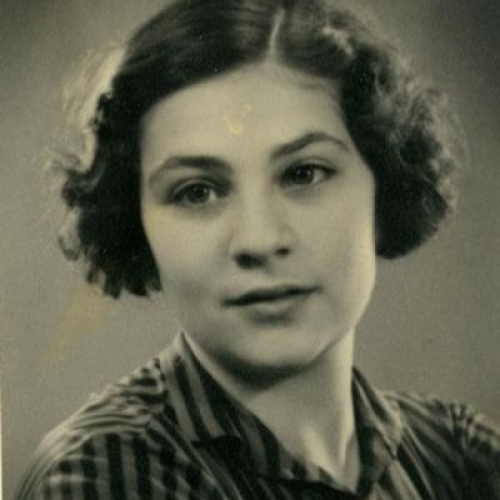
Nora Eilenberg 1947 I looked out my tiny ghetto window and saw birds, and I said, ‘they are free to fly, and we are prisoners. Why?...Why?...Why?’ Nobody should go through what we went through. Never again. We should not forget. We should remember. It can happen anywhere, even in these United States.” - Nora Eilenberg
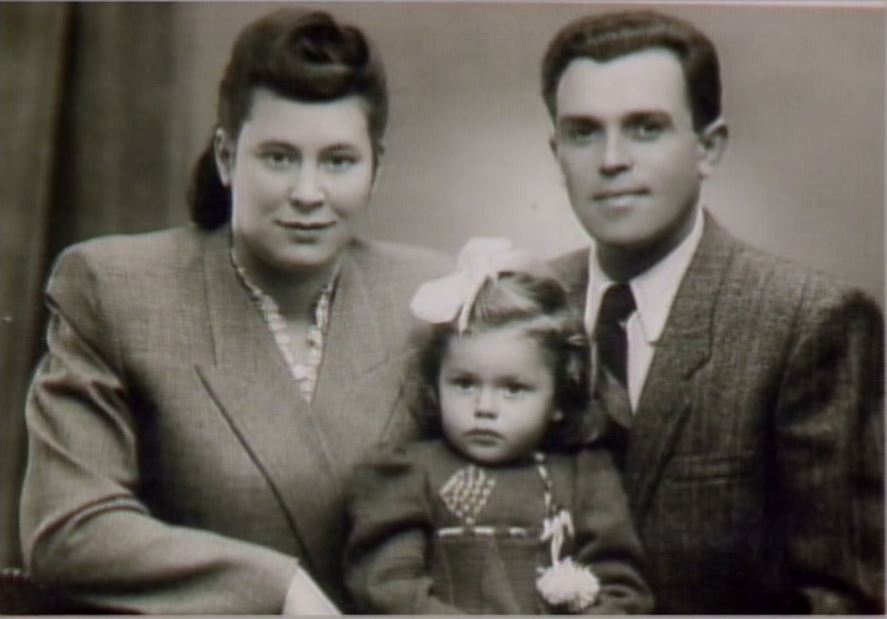
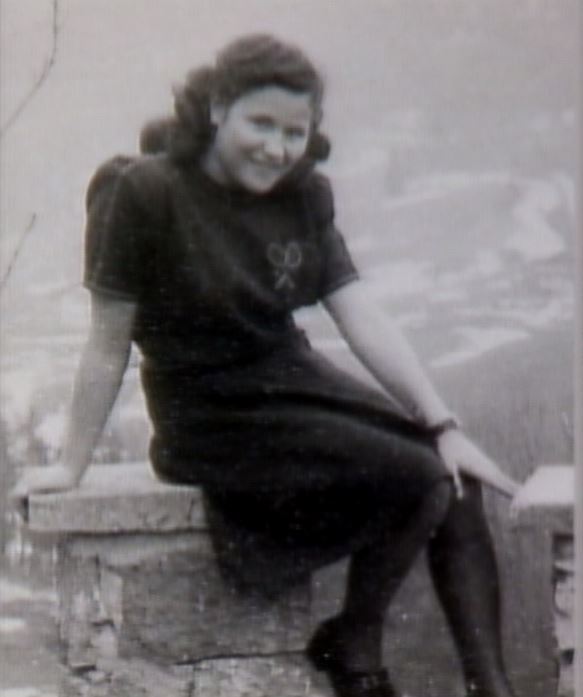
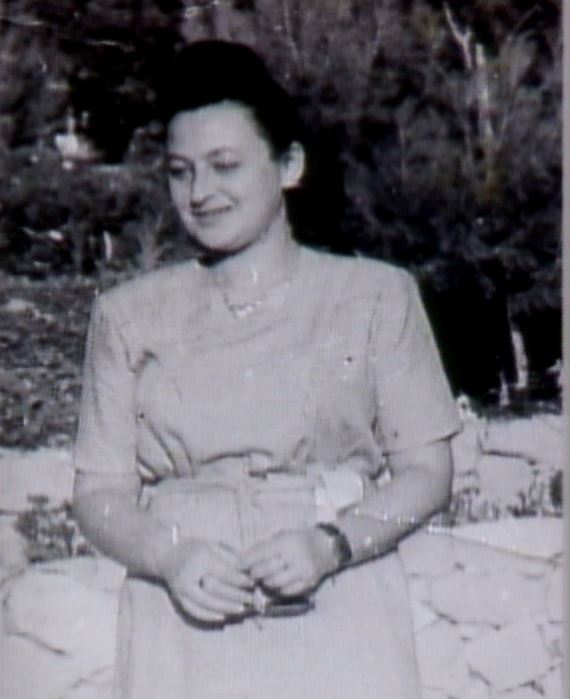
Nora (Rozencwajg) Eilenberg was born in Lodz, Poland on November 10, 1916. She grew up in a wealthy Jewish family with five siblings. Her father was a contractor, specializing in supplying and installing metal products in buildings.
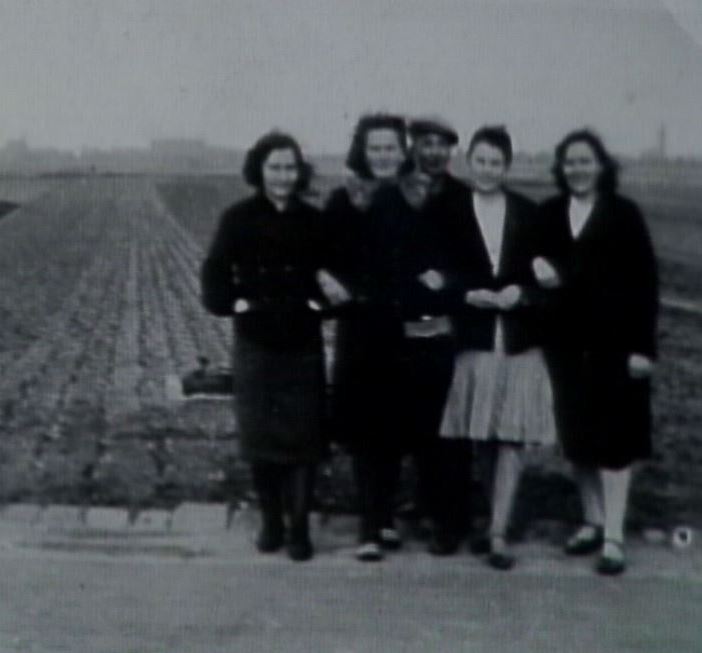
In June 1939, Nora became engaged to Sam Eilenberg. By the time they married in December, World War II had begun. Less than three months later, the Nazis established a ghetto in Lodz. Nora’s family was forced to close their business, surrender their belongings, and live in one room. In 1944, the Nazis deported Nora and Sam to Auschwitz, separating them for forced labor into the respective men's and women's sections of the camp. Remarkably, Nora was able to remain together with her two sisters. Over the next year, Nora and her sisters were imprisoned in other camps, including Stutthof. Throughout the hardships they endured, they gave each other the moral support essential for their survival.
A grueling 12 day forced march led them to Theresiendstadt, where Nora expected to be killed. Fortuitously, they arrived shortly after the war ended, and the defeated SS guards had already abandoned the camp. For several days, Nora (suffering from a skin infection) and the other survivors stayed there with no food in overwhelmingly crowded conditions. On May 5, 1945, they were liberated by the Russian army, although the soldiers themselves were starving and could not offer assistance. Soon, the Red Cross reached the camp, and Nora was brought to a hospital for treatment. A few weeks later, she was reunited with her husband Sam in Theresiendstadt.
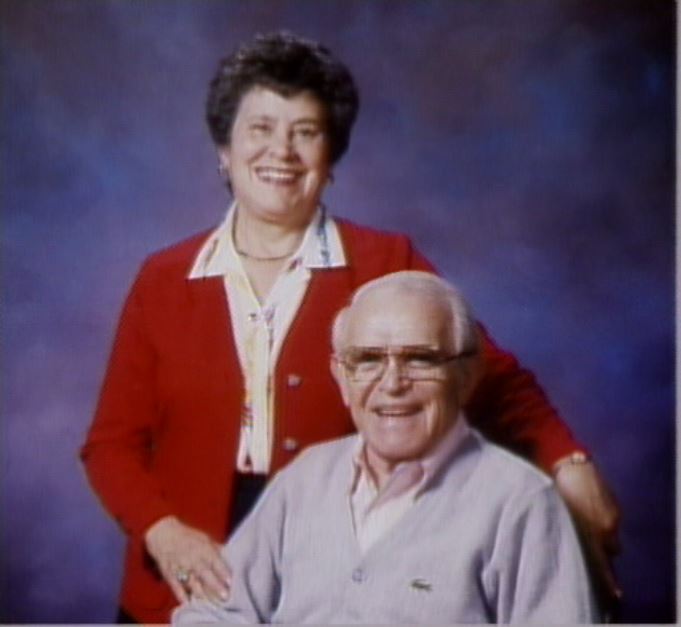
The couple lived for four years in the Landsberg Displaced Persons camp, where their first child was born. In 1949, they immigrated to the United States. Living in Ohio, Sam owned a candy business and they had another child. In 1981, the couple retired and moved to Seattle. Nora, grandmother of six, died in October 1998.
1916-1998
- More About This Survivor:
Transcrpts for Video Clips - Nora Eilenberg
Selection in the ghetto (1:19)
Full Testimony (2:55:14)
-














Video testimonies, teacher resources, and the work of the Holocaust Center for Humanity are licensed under CC BY-NC-ND 4.0. To view a copy of this license, visit https://creativecommons.org/licenses/by-nc-nd/4.0/
This license requires that reusers give credit to the Holocaust Center for Humanity. It allows reusers to copy and distribute the material in any medium or format in unadapted form and for noncommercial purposes only.
