


Survivor Encyclopedia

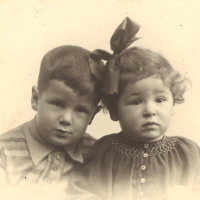
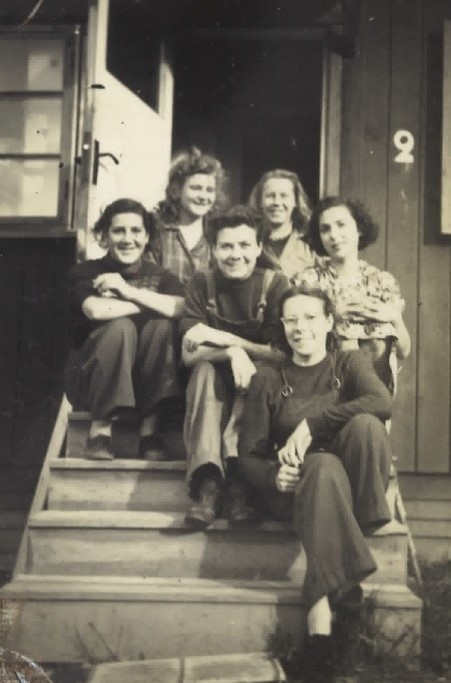
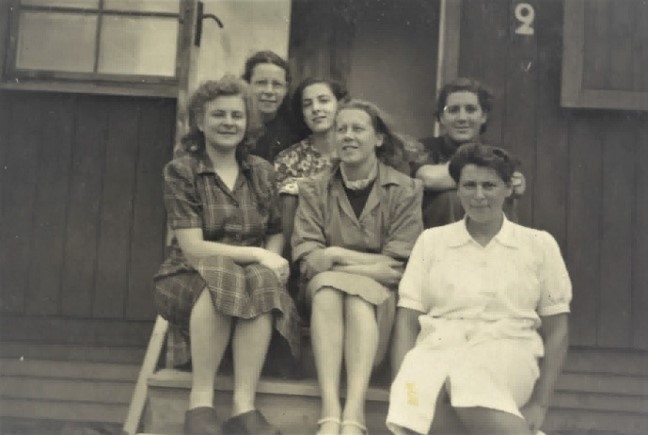
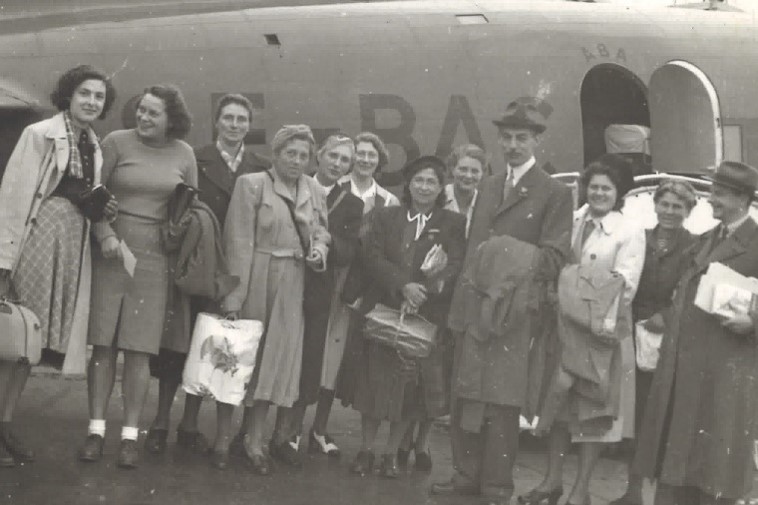
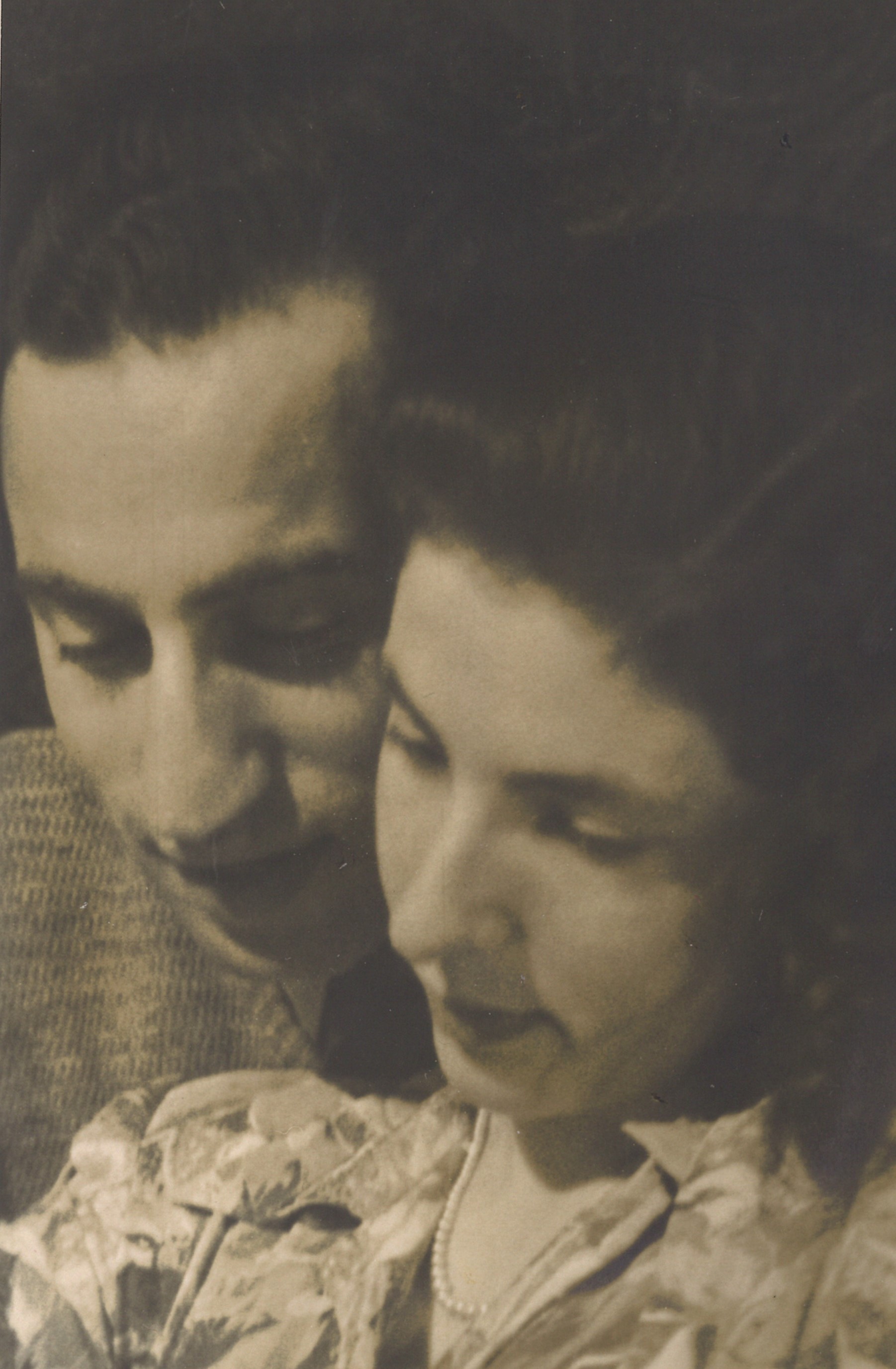
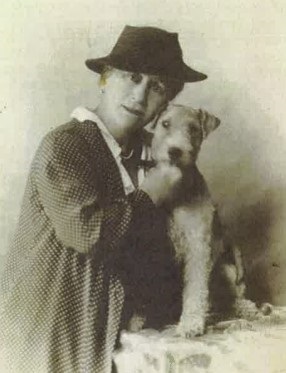
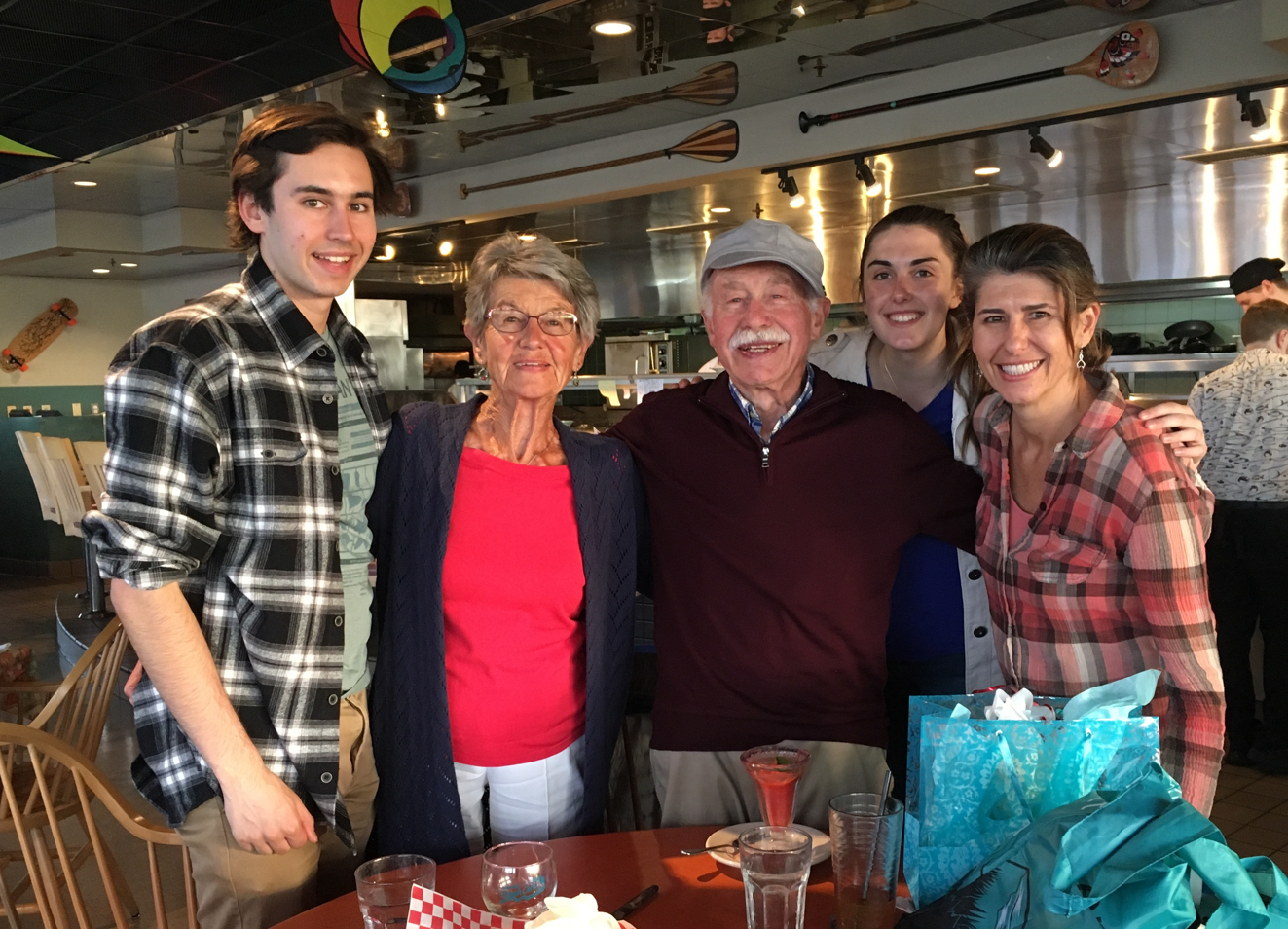
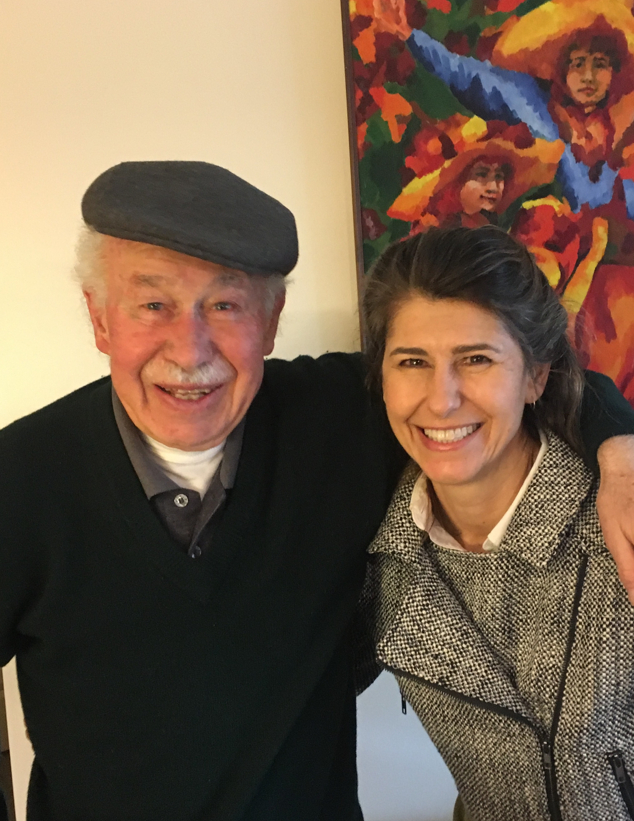
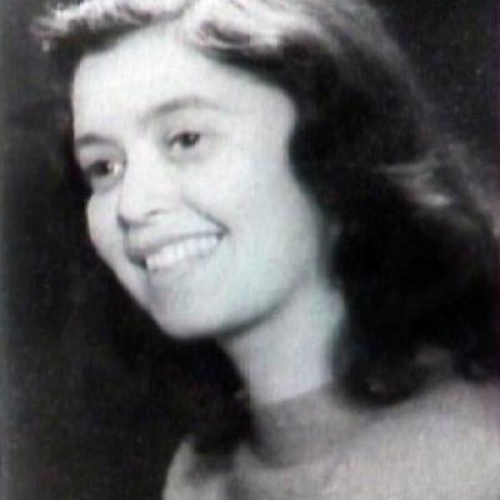
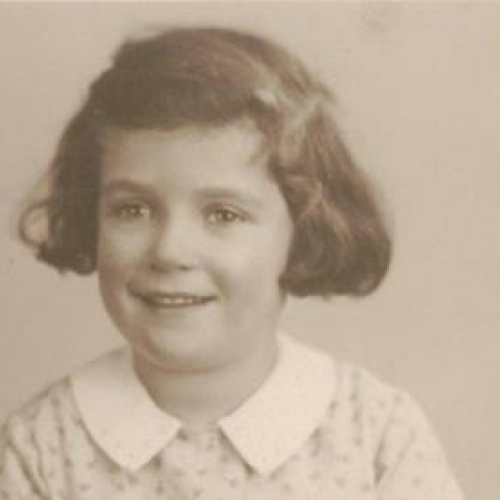
Ada van Esso - Netherlands
-
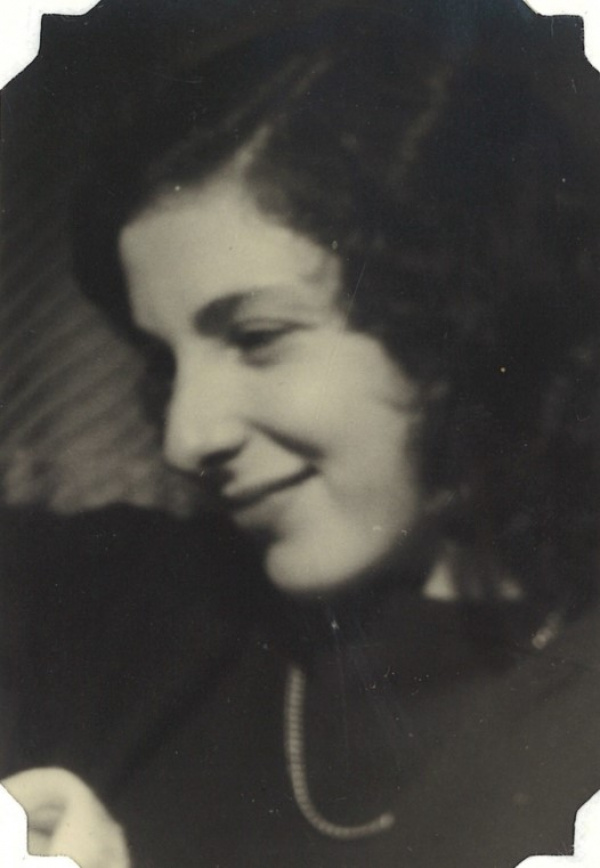
"I worked where we had to do the washing...We had a washing board and you washed. After that, you put it somewhere else and then it was going in the room where they’d be dried. And from there then to a room where it would be fixed. And when we were washing, we tore it...because then there would be work for the people who had to fix it." - Ada van Esso
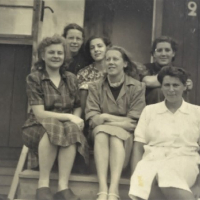
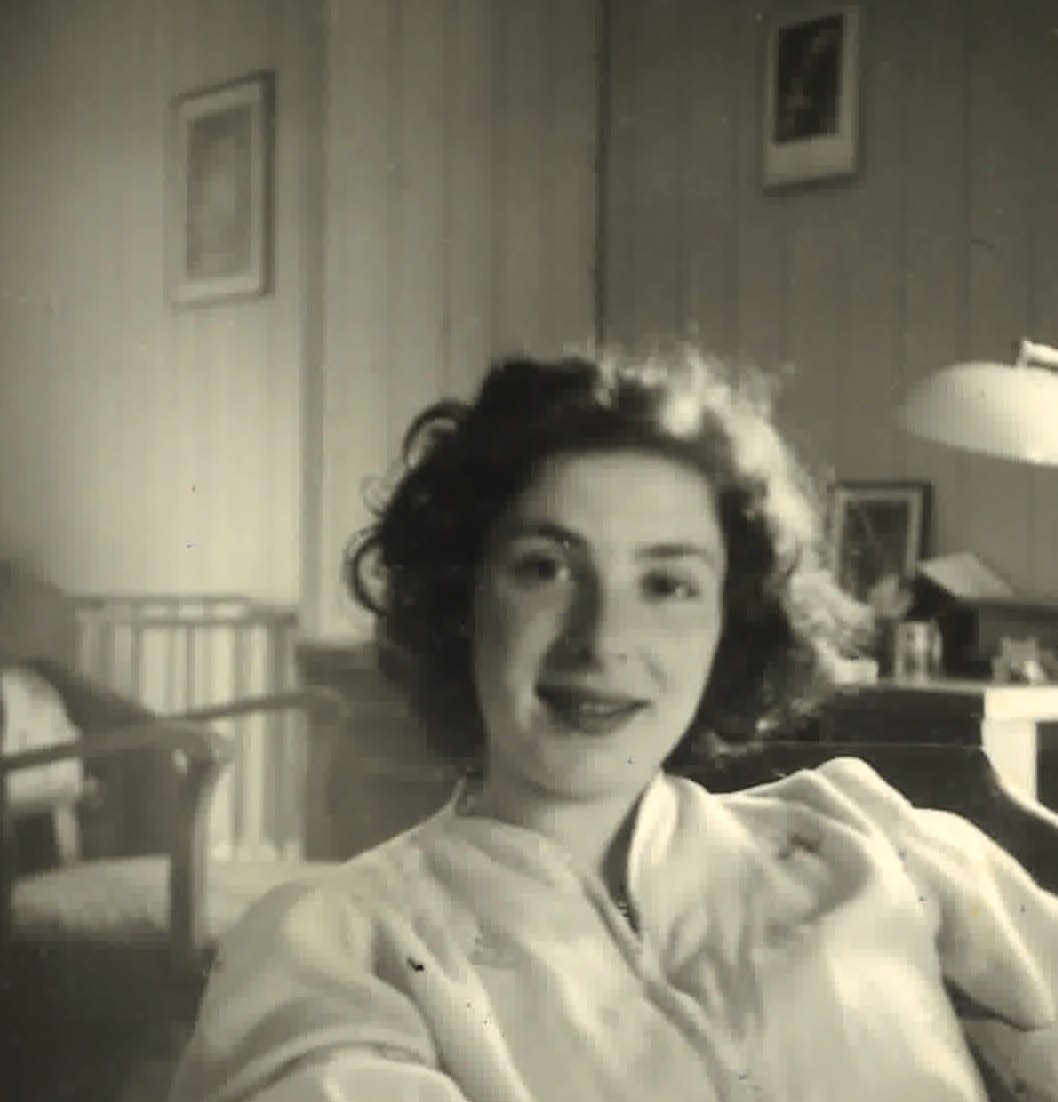
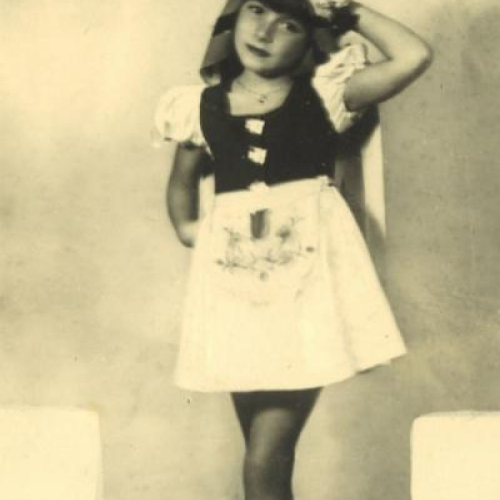
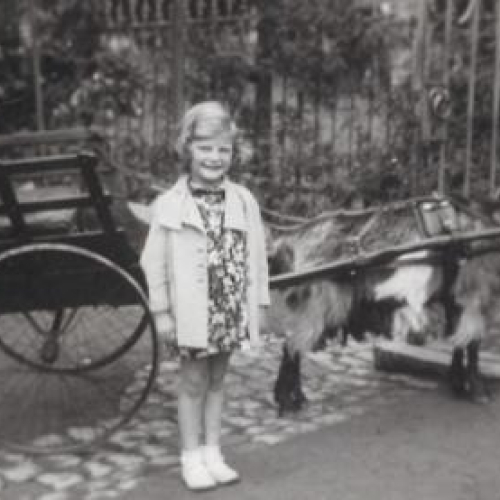
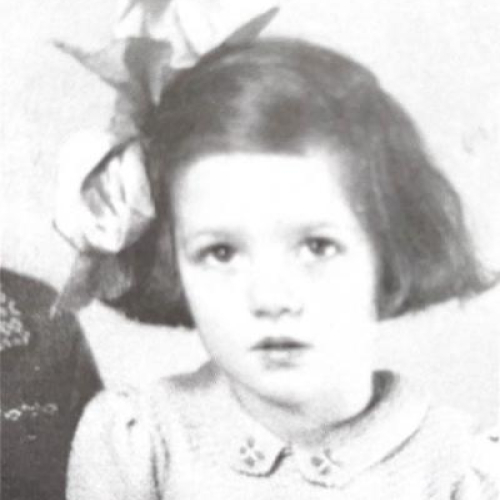
Ada van Esso was born on January 3, 1928 in Meppel, Holland to a Jewish family. When she was a young girl, the family moved to Amsterdam because they wanted to be in an area with a larger Jewish population and to be farther from the German border.
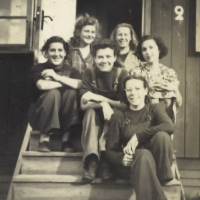
After World War II began, Ada’s father planned for the family to escape Holland. He bribed officials to help them escape, but the family was betrayed. They were sent to a prison in Berlin and then deported to Auschwitz in 1943. While in Auschwitz, Ada was assigned to work in the Nazis laundry room. In 1945 the Nazis forced Ada and the other remaining prisoners to evacuate Auschwitz in order to keep the prisoners from falling into the hands of the Allies. These evacuations became known as "death marches" because of the brutal conditions. She was liberated at Ravensbrück Concentration Camp and taken to Sweden to recover.
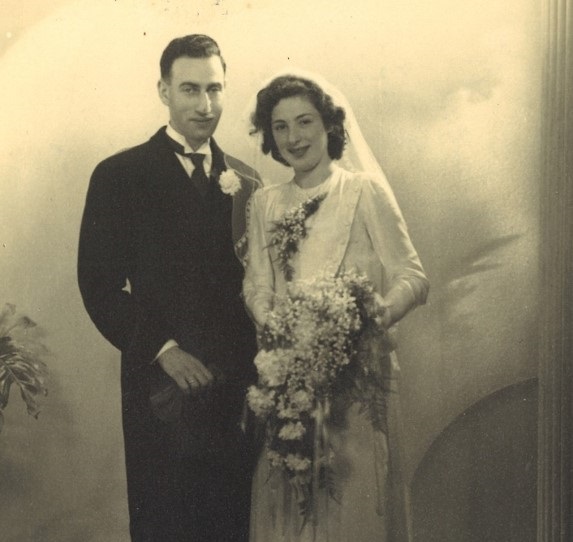
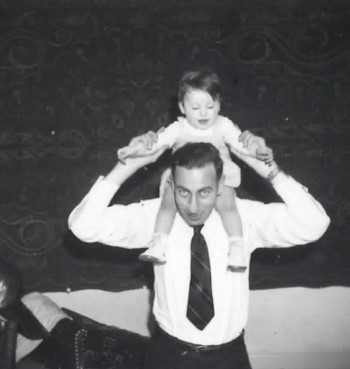
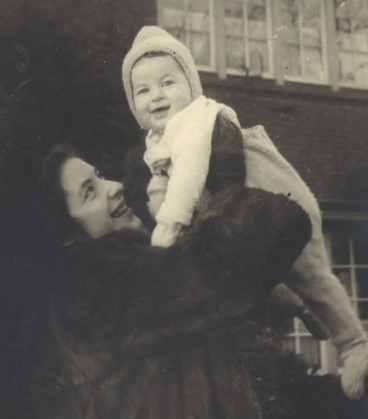
After the war, Ada returned to Holland and married Hans van Dam. Their daughter, Ine-Marie van Dam was born in Holland several years after and grew up on the Dutch Caribbean island of Curaçao. Ine-Marie van Dam shares her mother's story as part of the Holocaust Center for Humanity's Speakers Bureau.
1928-2021
- More About This Survivor:
-
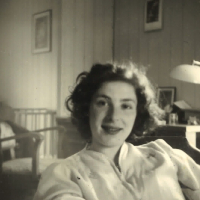
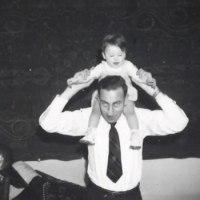
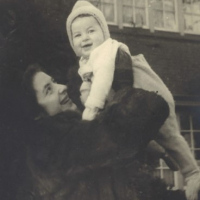
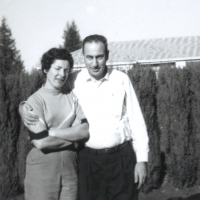
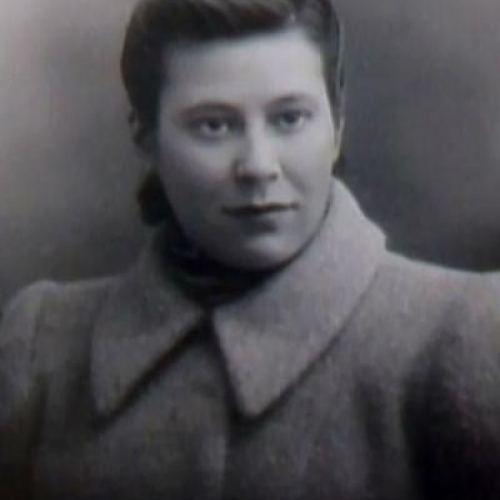
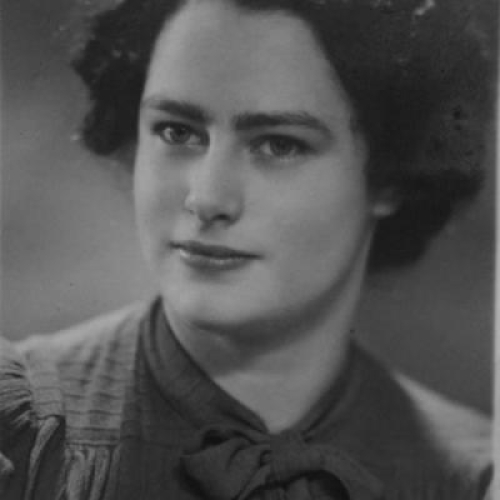
Laureen Nussbaum - Germany
-
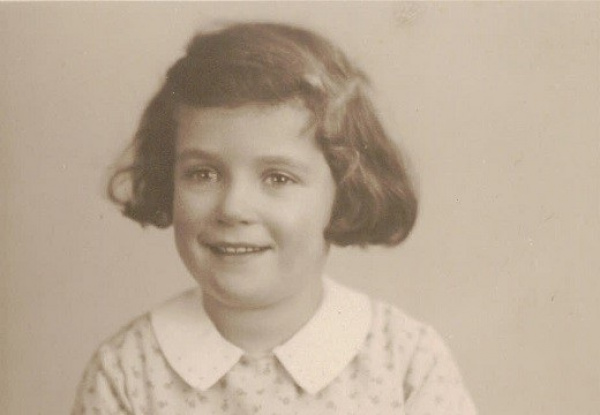
“My family definitely lucked out. Surviving…takes a combination of two things. Number one is luck. But, the other thing is awareness. You have to be alert and aware of what the possibilities are.”- Laureen Nussbaum
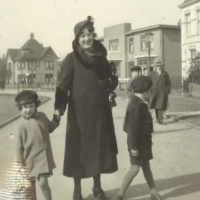
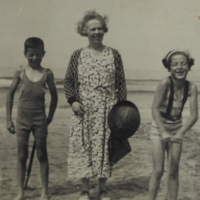
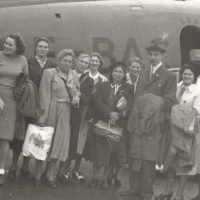
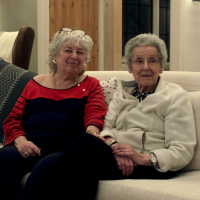
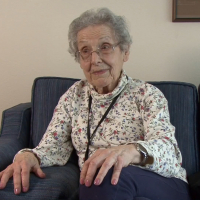
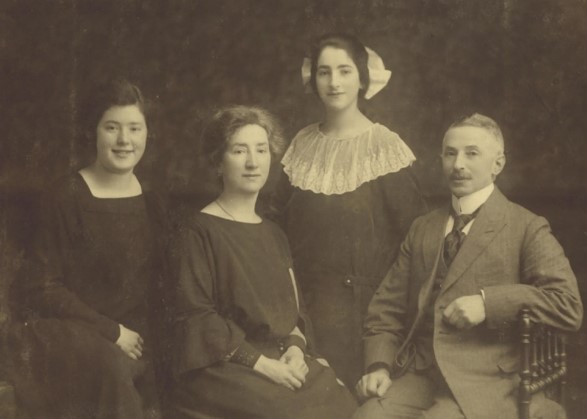
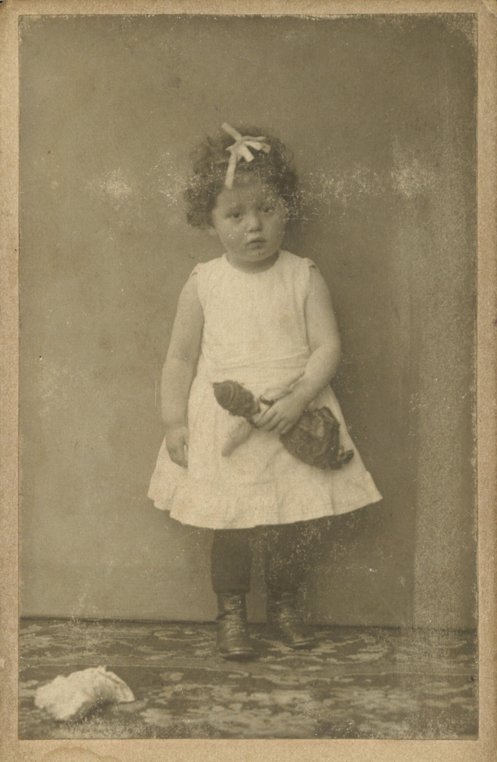
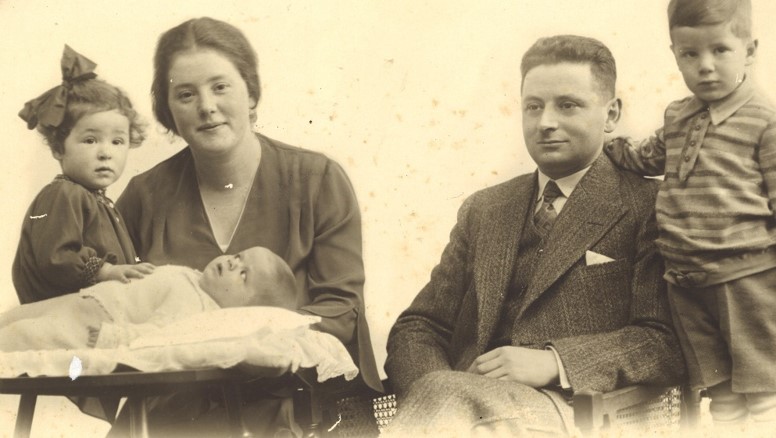
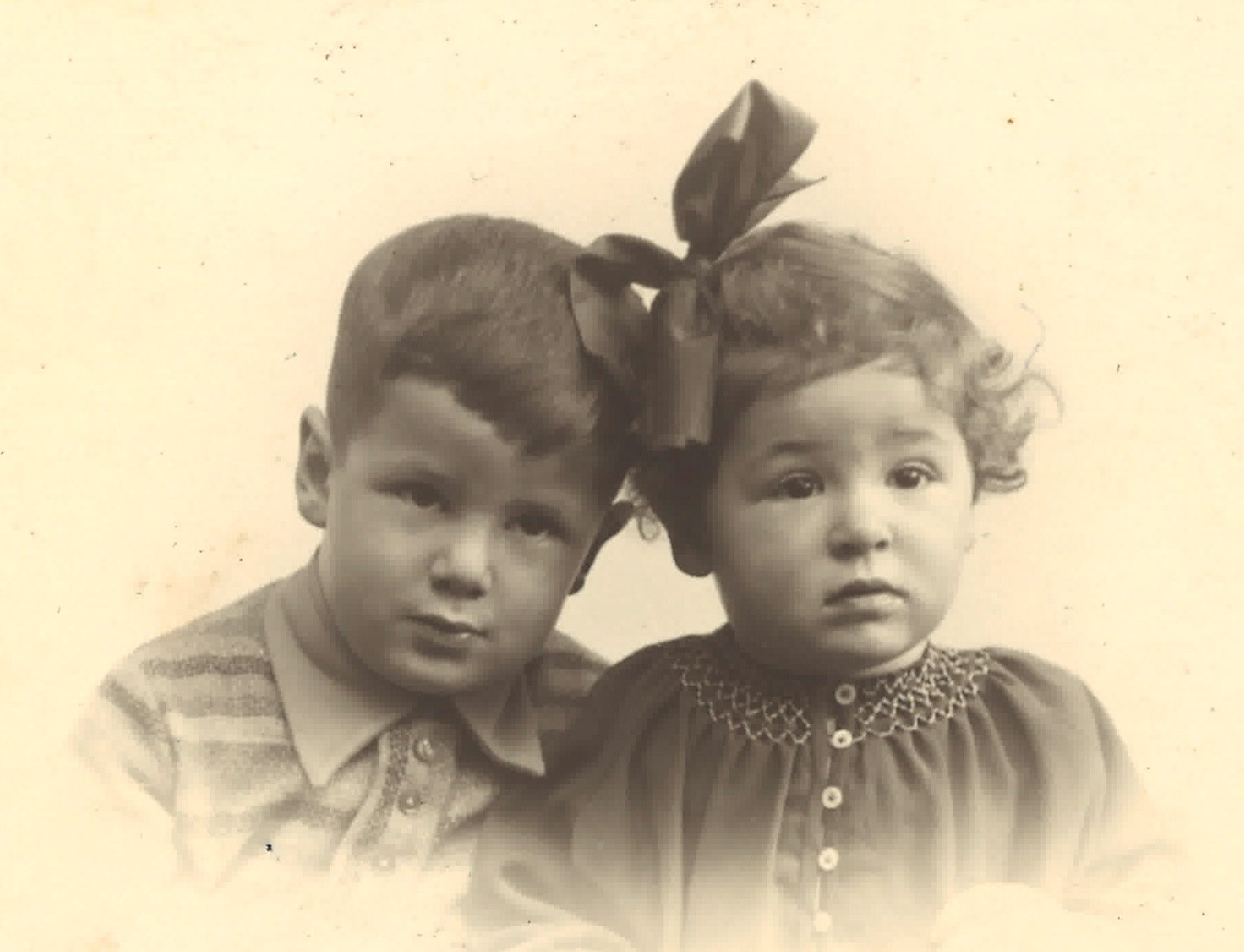
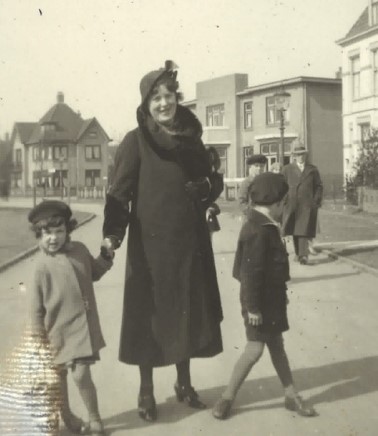
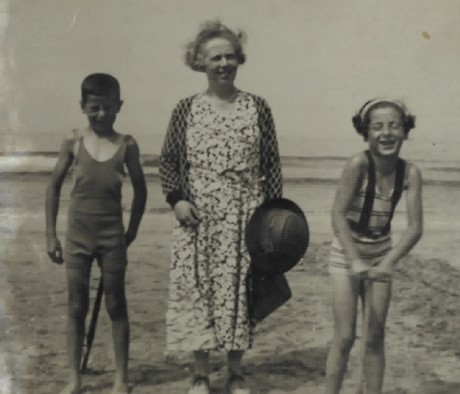
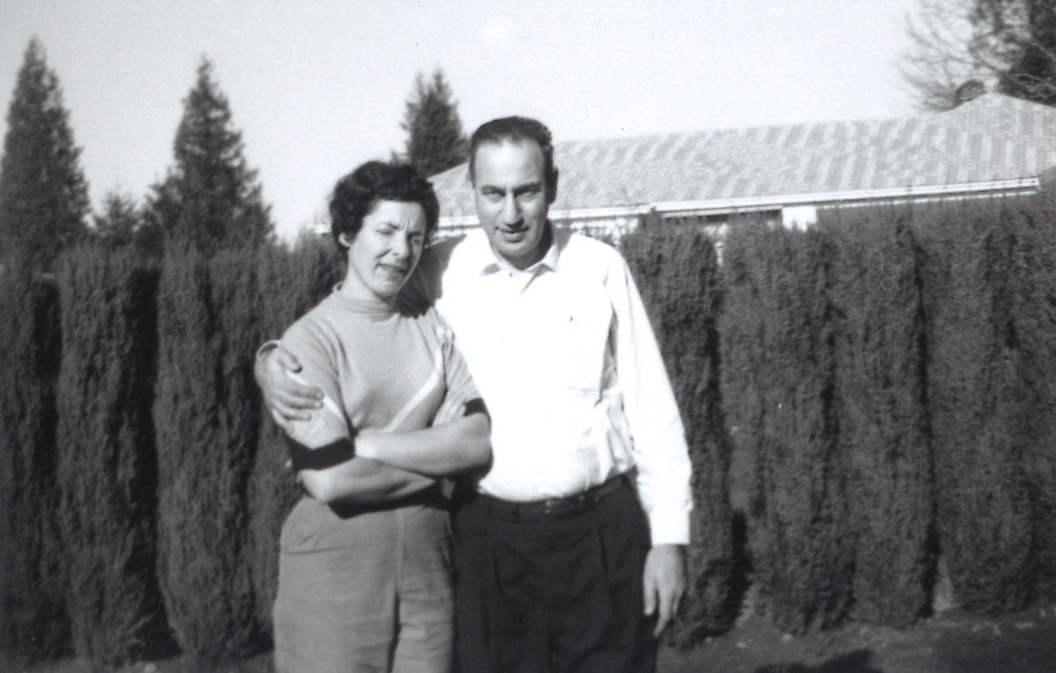
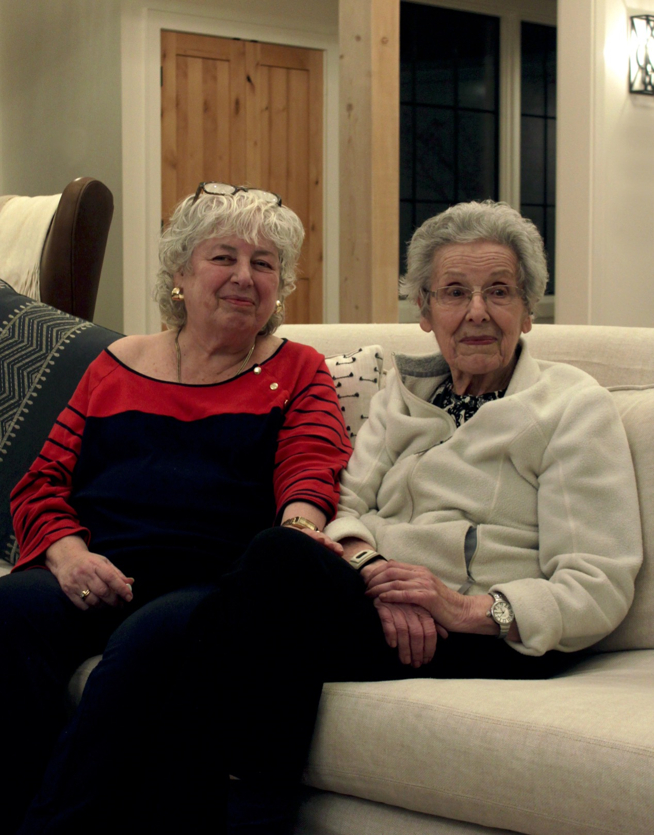
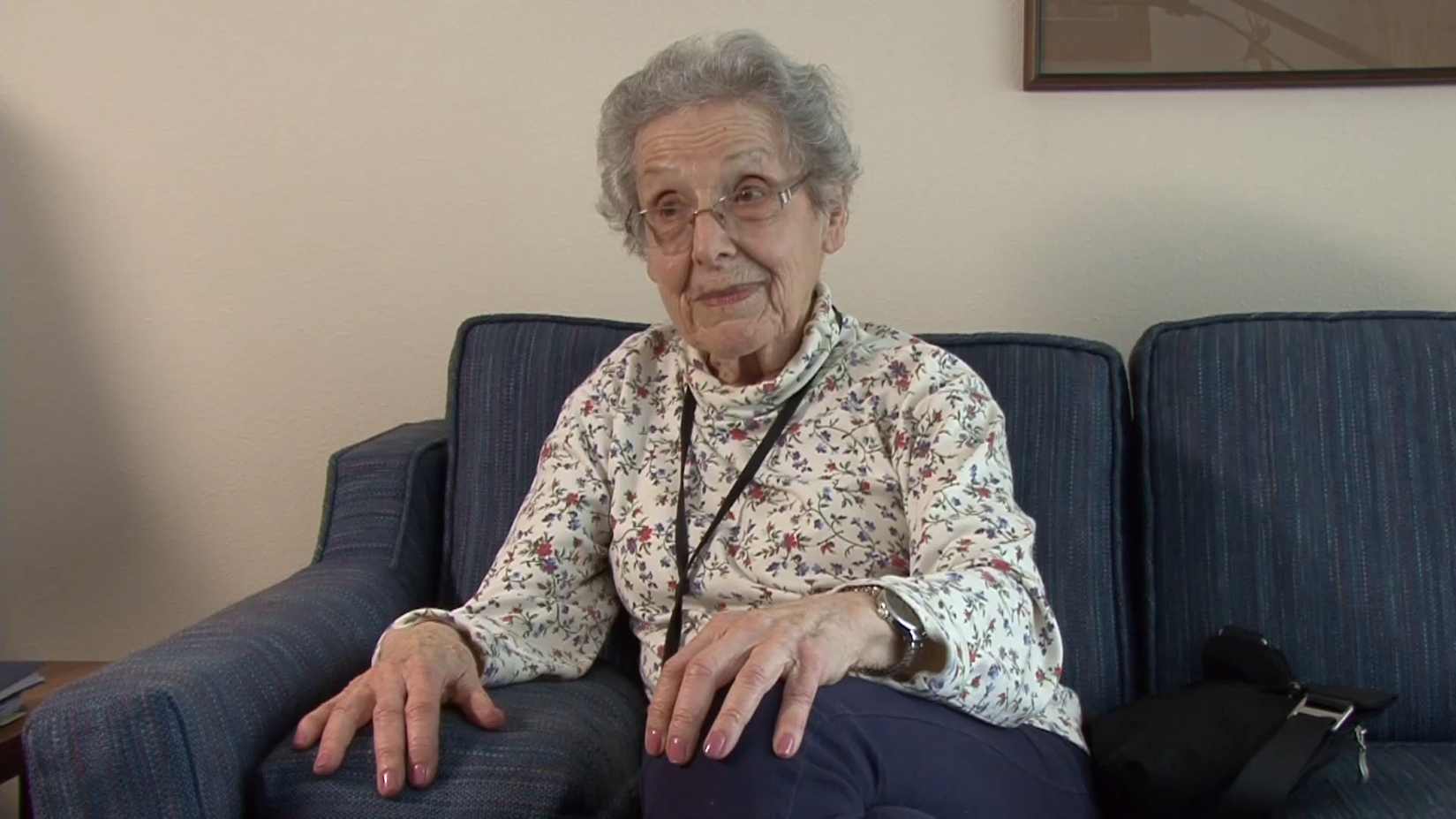
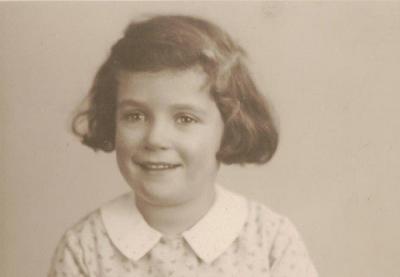
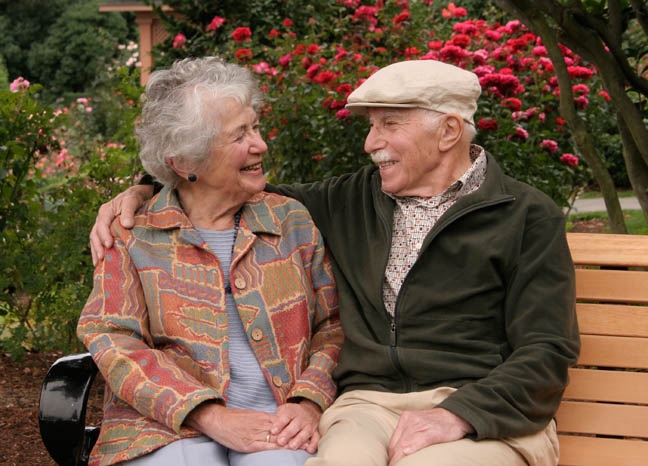
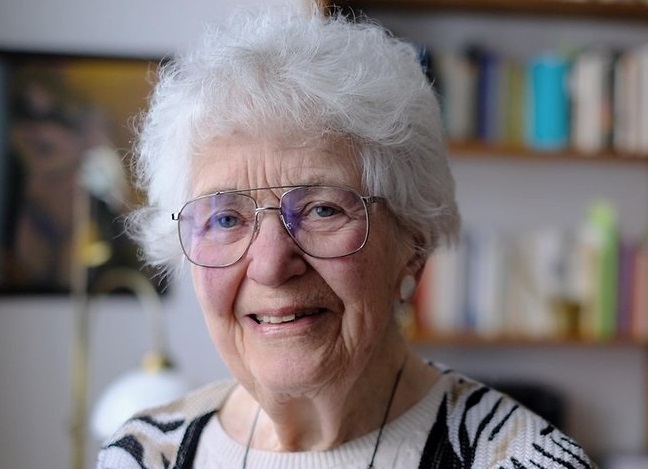
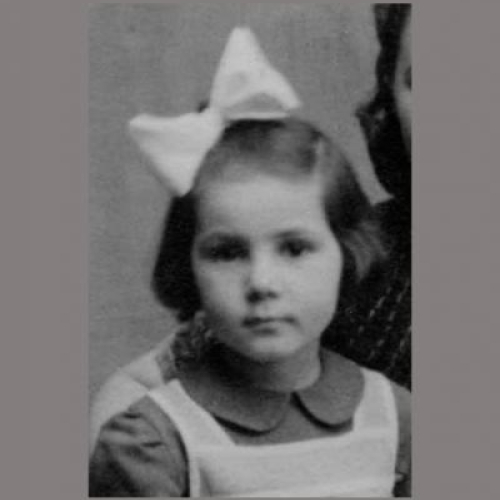
Laureen Nussbaum, nee Hannelore Klein, was born in Frankfurt, Germany on August 3, 1927. Her Jewish father was a financial expert for a large metal firm. Her mother was half-Jewish, born to a non-Jewish mother out of wedlock. This ambiguity is what eventually protected her family, including Laureen and her two sisters, during the Holocaust.
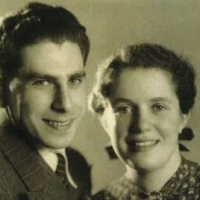
Due to escalating antisemitism, the family fled Frankfurt in April 1936 to Amsterdam. In the relatively affluent River Quarter there, the Kleins lived among many other German Jewish refugees, including Anne Frank and her family, as well as Laureen’s future husband, Rudi Nussbaum, and his family. The energetic Laureen adapted easily to a new language and culture, believing with her family that their stay in the Netherlands would be temporary. Laureen came to know Anne Frank, whom she considered quick-witted and lively, and even a little "annoying." Laureen was closer to Anne's sister Margot. Laureen was the stage director in a play in which Anne acted.
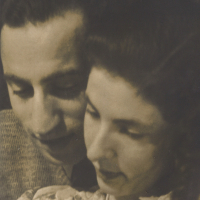
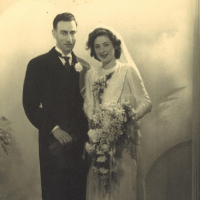
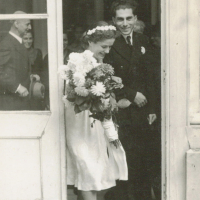
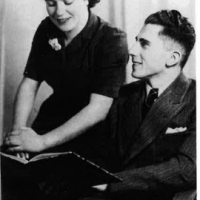
After Germany invaded the Netherlands in May 1940, restrictions were imposed upon Jewish people in ever more rapid succession. In May 1942, they were forced to wear yellow stars. Two months later 'labor call-ups' were issued, followed by mass deportations. Many, including the Frank family, went into hiding. Laureen's family petitioned to have their status re-examined by Hans Calmeyer, a German official, who had to adjudicate 'doubtful cases.' Calmeyer was not a Nazi and more often than not, he decided in favor of petitioners. In January 1943, Laureen's mother was declared non-Jewish, permitting her and her daughters to “shed” their yellow stars and live among Dutch non-Jews. This, after having witnessed so many of their Jewish friends and classmates deported, while a few went into hiding. Laureen’s father, now partially sheltered by his "mixed-marriage," was excused from forced day labor because of an ominous tuberculosis scar on his lungs. The occupiers feared contagion. During the war, Laureen helped care for, and deliver supplies to Jews in hiding, including Rudi, whom she would marry in 1947. Otto Frank, Anne’s father, officiated at their wedding as “best man.”
Laureen and Rudi left the Netherlands in 1957, ultimately settling in Portland, Oregon. Laureen earned a Bachelor's degree from Portland State College and a doctorate from the University of Washington. She later taught German Language and Literature at Portland State University. She has published some 50 academic articles, several concerning The Diary of Anne Frank, and most recently a book Shedding Our Stars: The Story of Hans Calmeyer and How He Saved Thousands of Families Like Mine. After the death of her daughter and her husband, Laureen moved to Seattle to be closer to her two sons.
1927-
- More About This Survivor:
Transcripts for Videoclips - Laureen Nussbaum
Full Testimony - Laureen Nussbaum (2017, 2:36:25)
"Advice for teens today" (0:21)
Laureen Lunch and Learn (July, 2020)
-
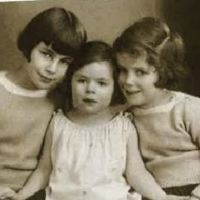
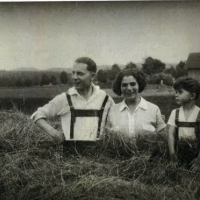
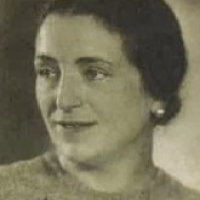
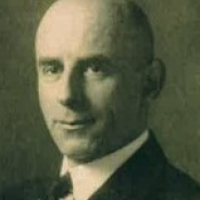
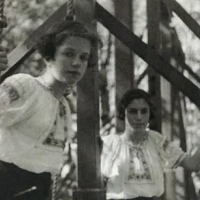
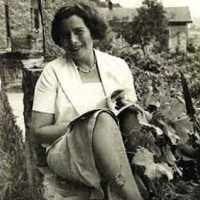
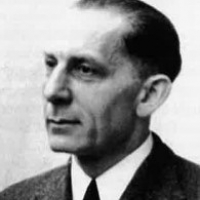
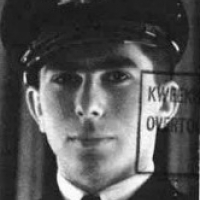
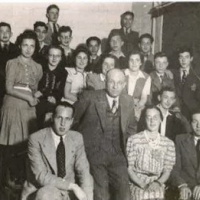
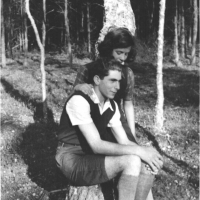
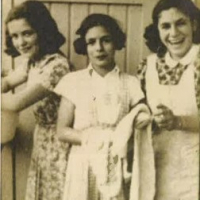
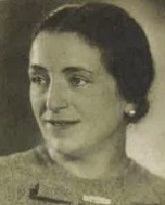
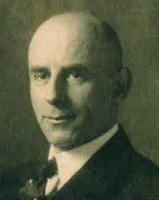
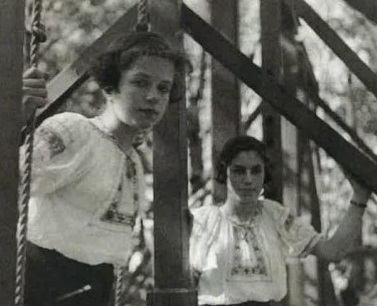
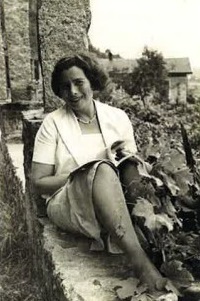
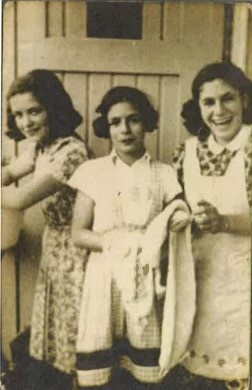
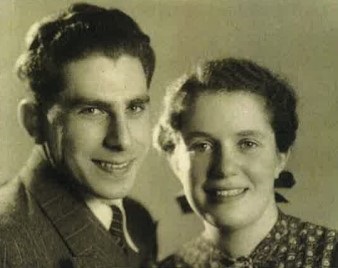
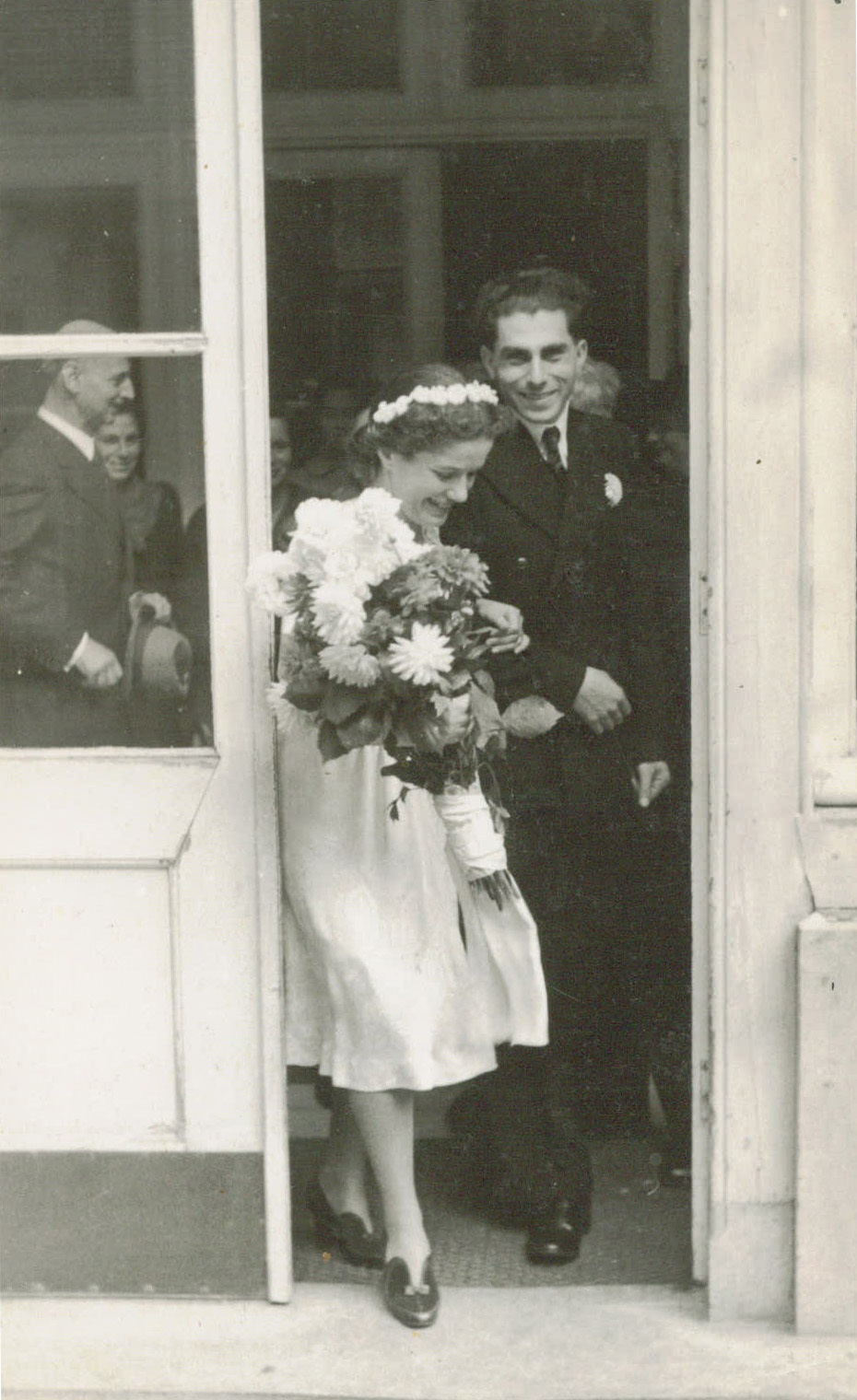
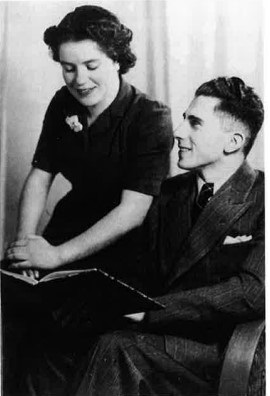
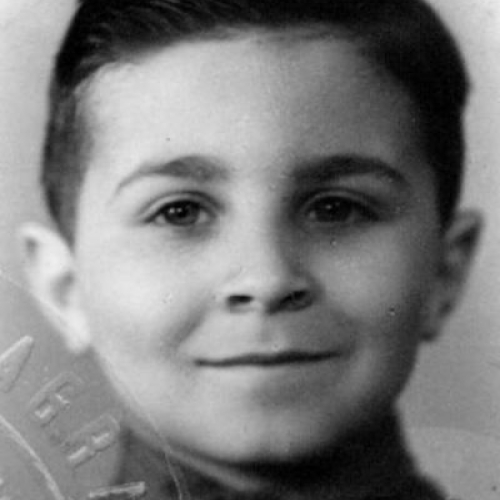
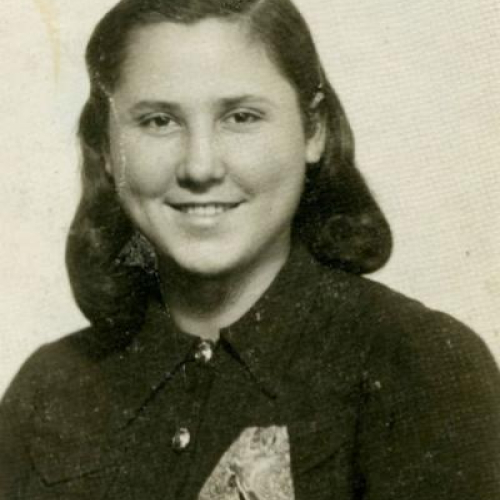
Peter Damm - Germany
-
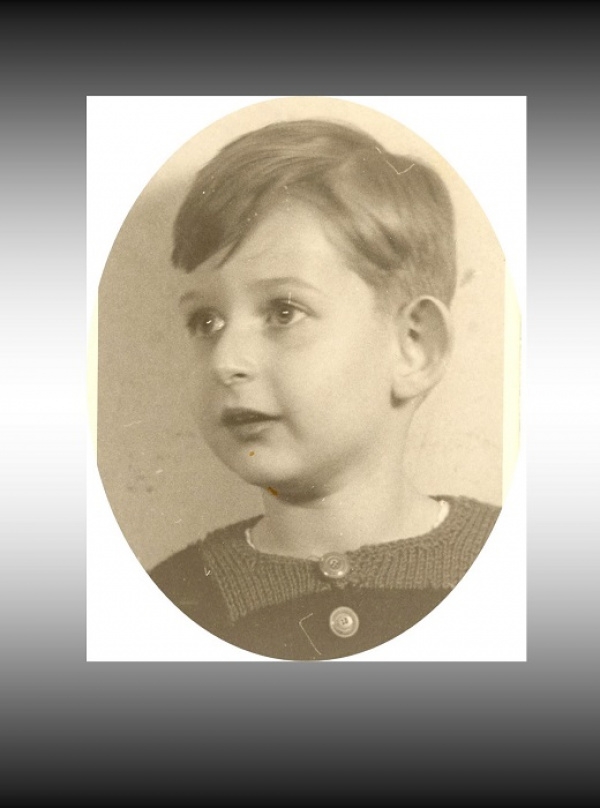
“I was seven and a half years old on Wednesday, November 9th, 1938, when I noticed the reflection (of) fires burning Jewish buildings and synagogues in the clouds above. That was the end of my childhood.” -Peter Damm
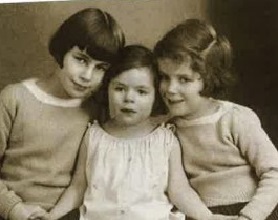
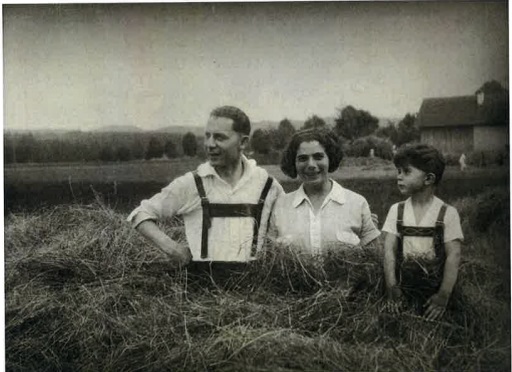
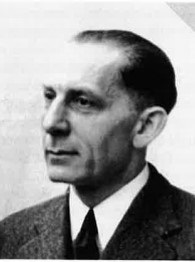
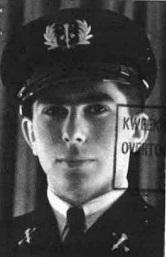
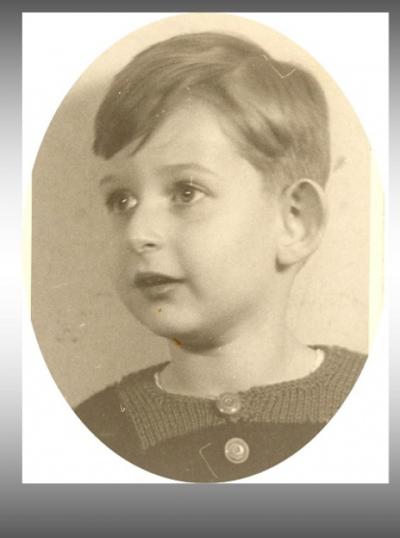
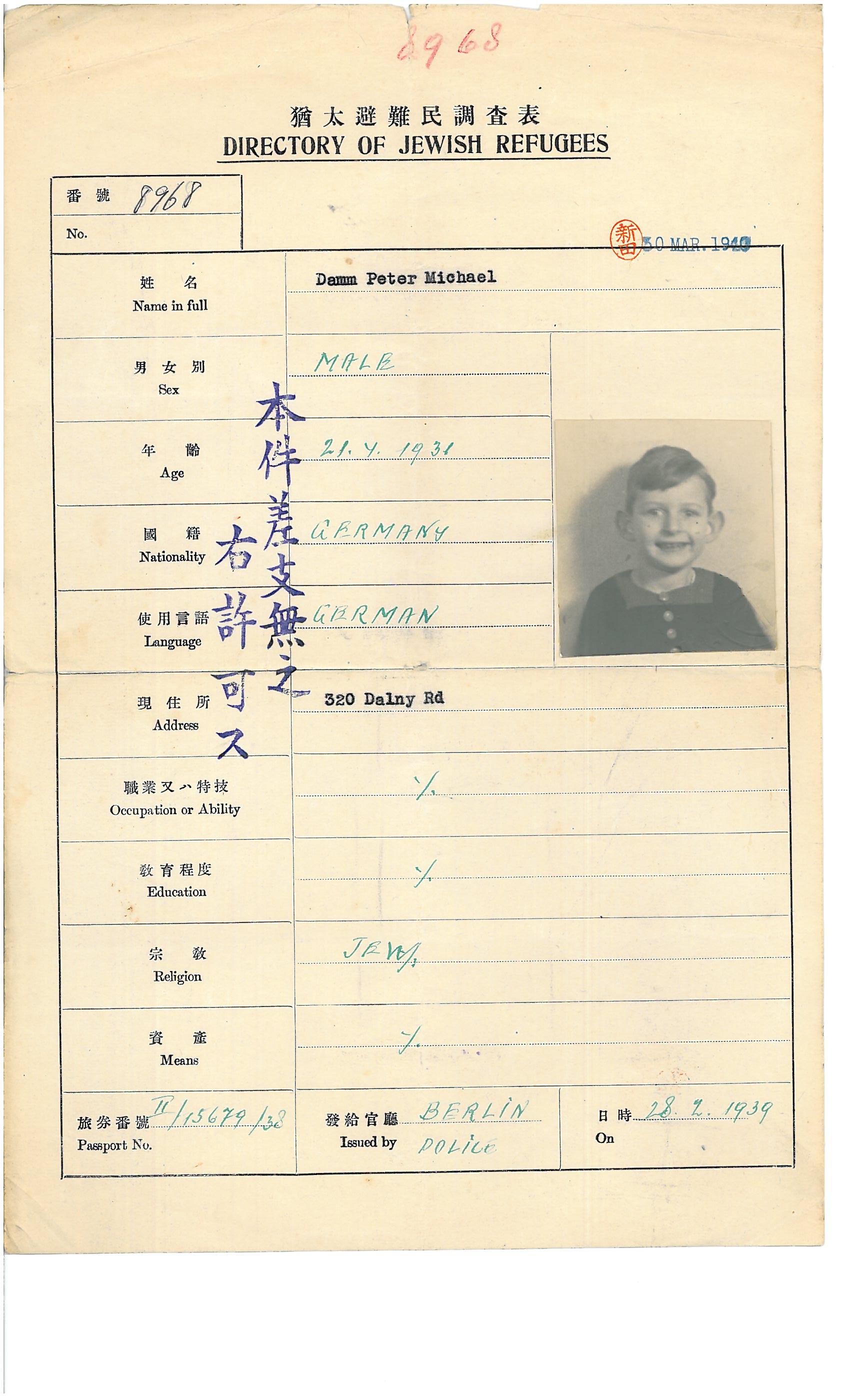
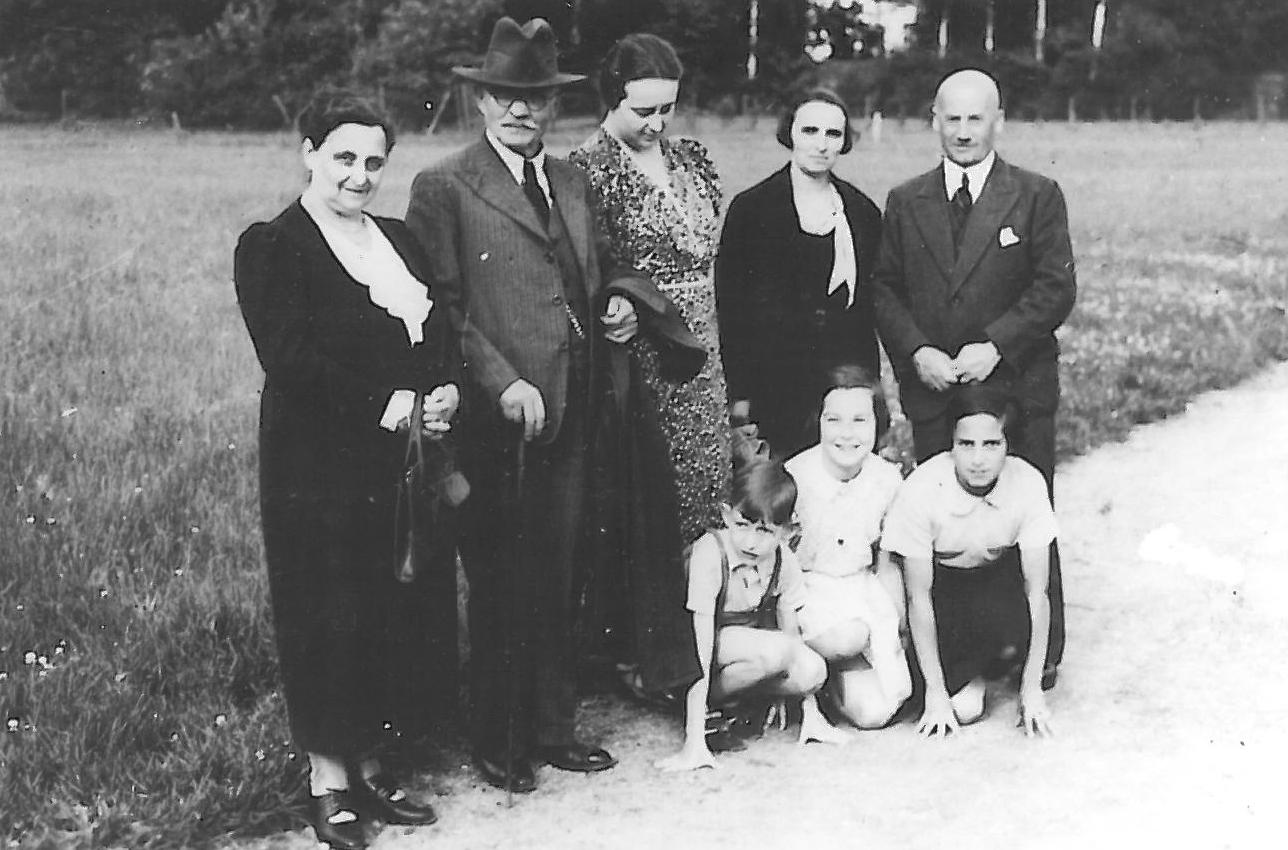
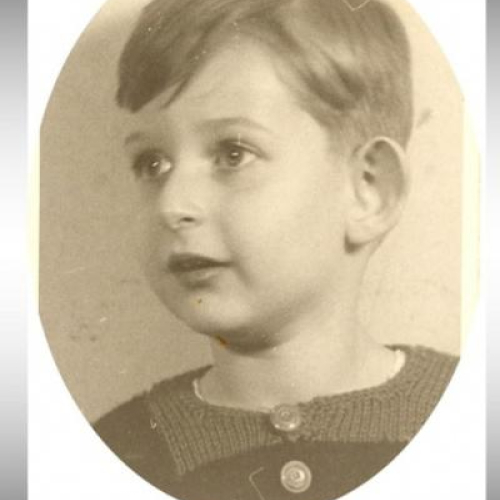
Peter Damm was born on April 21, 1931 in Berlin, Germany. By the time he was four years old in 1935, he became stateless along with all German Jews, who were stripped of their citizenship. Despite his father’s position as a well-respected physician in their community, his father was arrested along with up to 30,000 other Jewish men and taken to the Buchenwald concentration camp on November 10th, 1938. This night of mass arrests of Jewish men and mass destruction of Jewish property became known as Kristallnacht. Peter’s mother was able to raise funds to pay a ransom for his release in the middle of March 1939. This event convinced the family that they were no longer safe in their own country and they began to plan their escape.
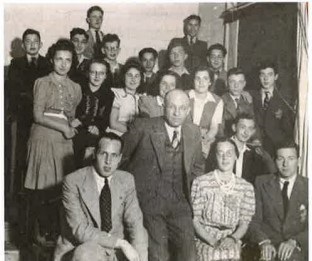
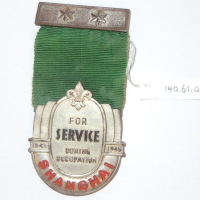
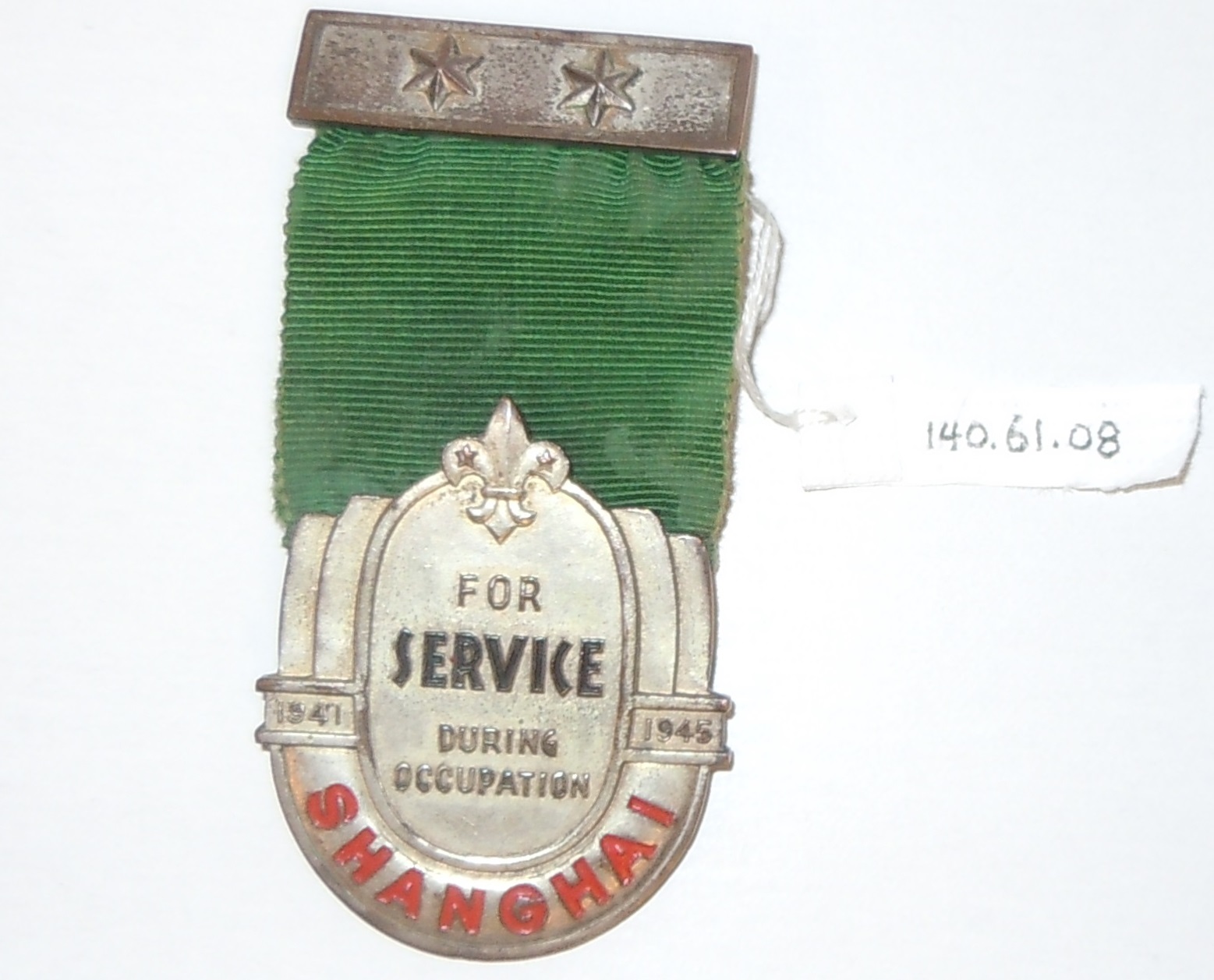
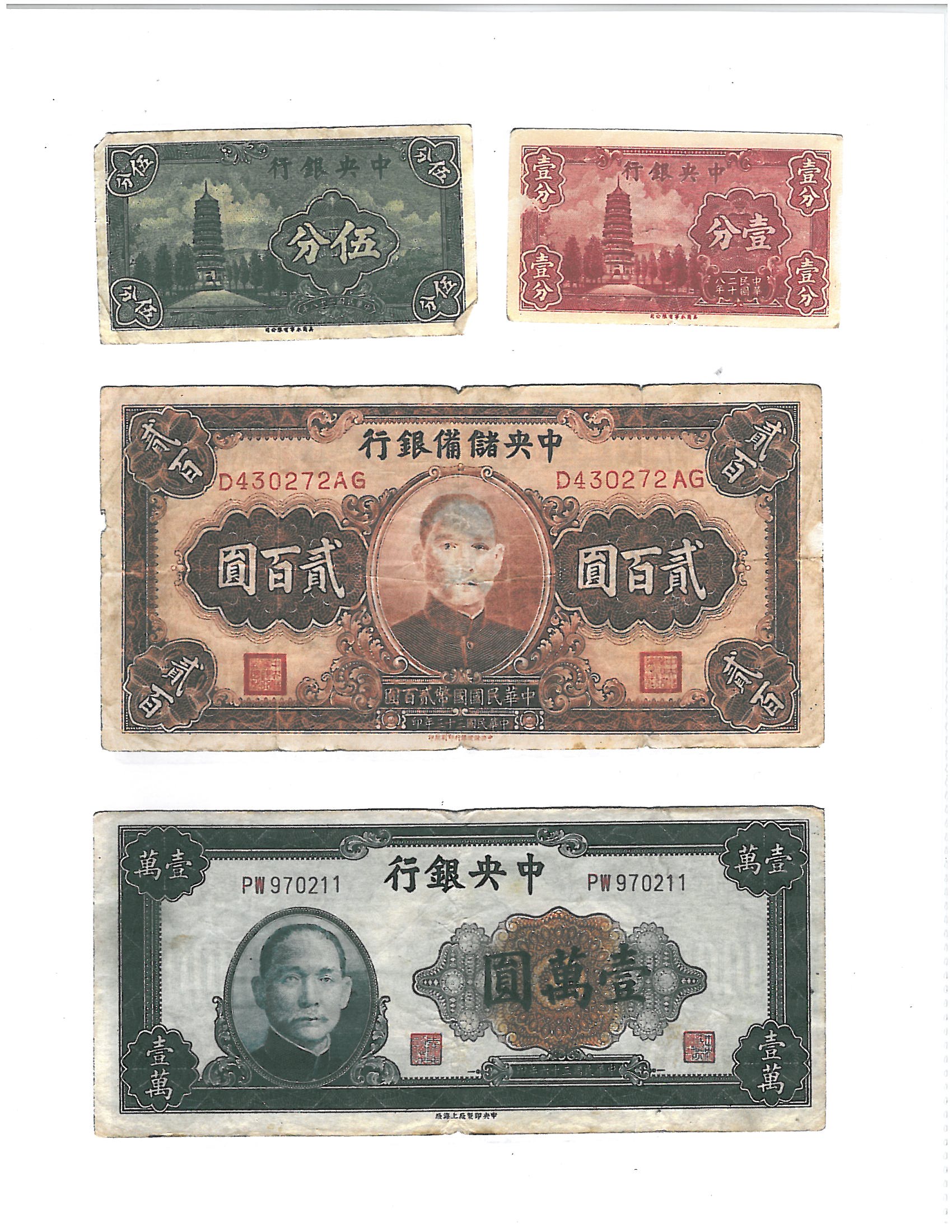
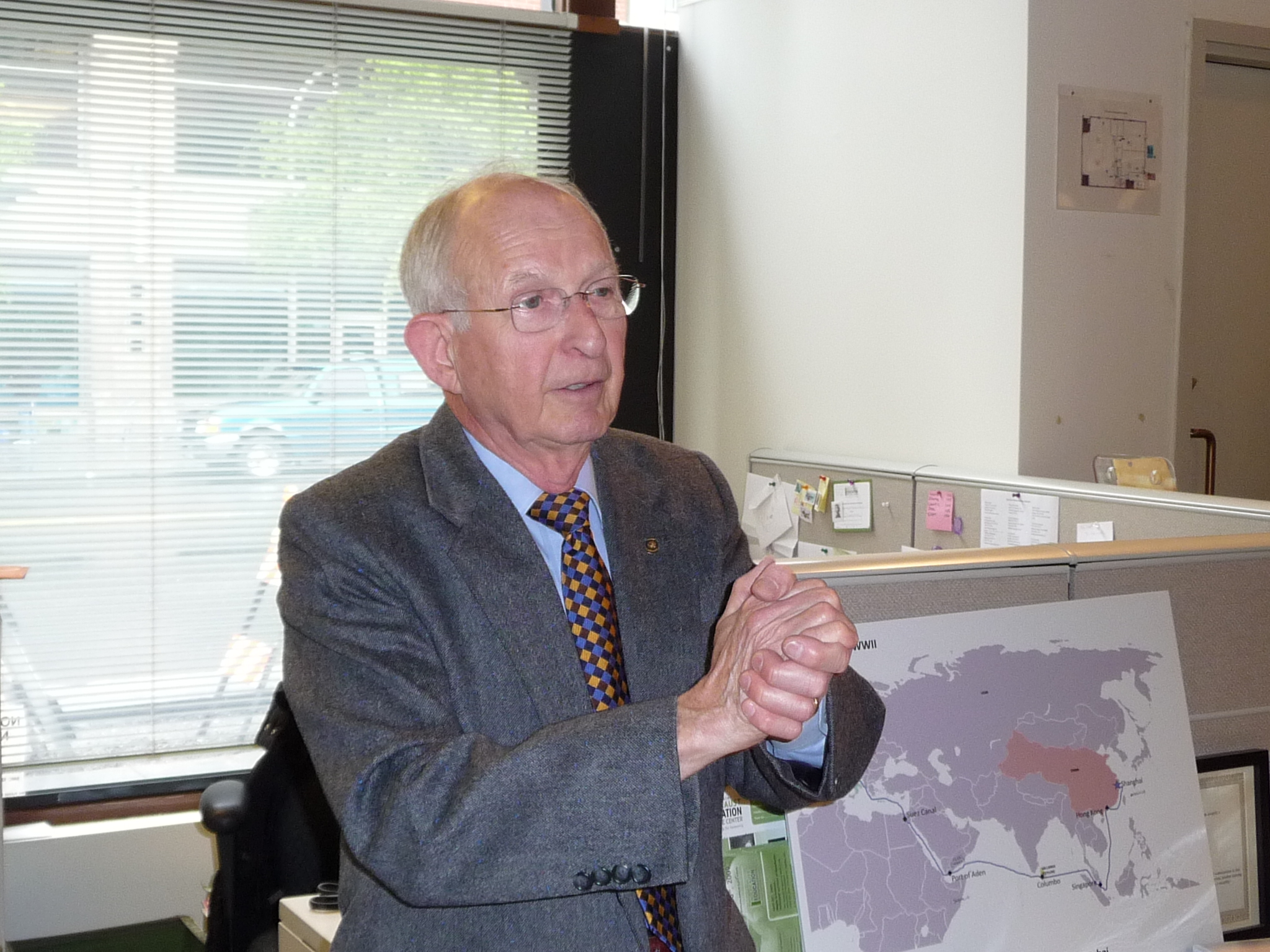
The family secured passes to leave Germany, however the biggest challenge was finding a country that they could enter. Shanghai, then under Japanese control, was the only place in the world that didn’t require a visa for entry, and this is where they ended up. In Shanghai, summer temperatures soared to 110 degrees with almost unbearable humidity day and night, mosquitos and flying cockroaches. Arriving in Shanghai on June 6, 1939, the family moved to the French concession, where Peter’s father was hired as a physician for a missionary school run by American and British missionaries for Chinese students. This stint ended when the missionaries were interned as prisoners. At that time, Peter and his family were forced to move into the Hongkew Ghetto District-- a 1.5 square mile area that housed about 20,000 Jewish refugees and destitute Chinese families. Peter shared one small room with his father, mother, and sister.
“Living conditions in Shanghai were very poor. The house we lived in consisted of 12 rooms, 2 toilets, only cold running water and no electricity. Each room housed a family of 2 - 4 persons. Vaccinations against yellow fever, plague, cholera, typhus fever, smallpox and typhoid fever were required.”
His father practiced medicine and made house calls from the one room in which they lived while Peter attended the Shanghai Jewish Youth Association School. There, Peter continued to study German, English, Hebrew, French, Japanese, Chinese, arithmetic, and geography during the U.S. occupation of Japan. Peter’s father died in August 1944 before the entire family could emigrate.
“I decided to speak about my life in Shanghai because not much is known about the twenty-thousand Jews that lived in Shanghai because they had to escape.”
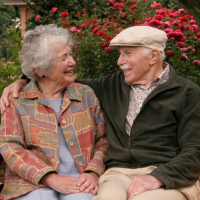
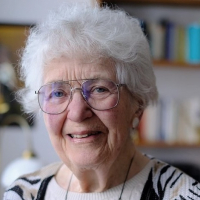
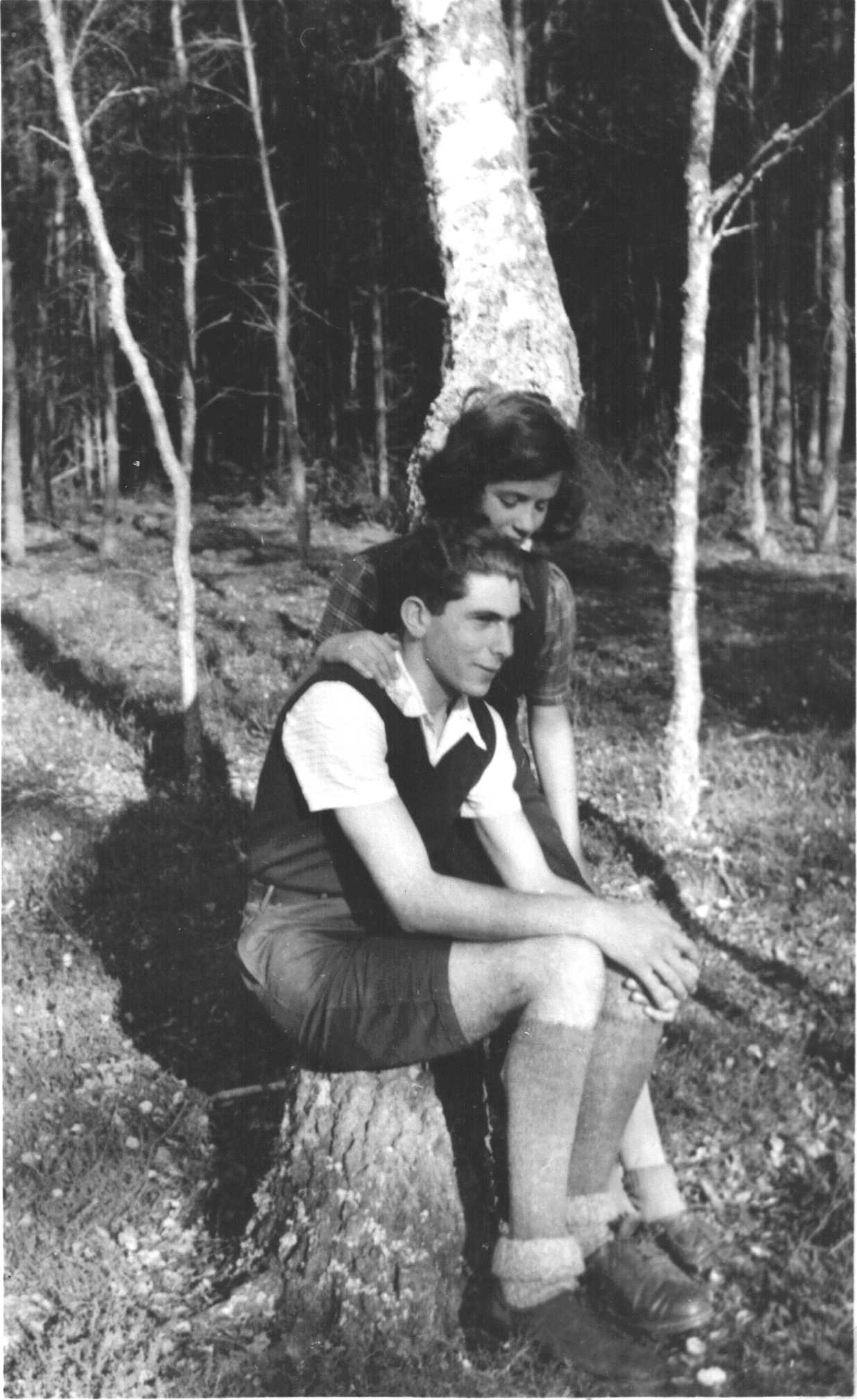
Peter, his mother, and sister received visas to come to the United States in 1947, eight years after arriving in Shanghai. Today Peter lives with his wife Esther in Seattle. He has four sons, one daughter, two grandchildren and two great grandsons.
1931-
- More About This Survivor:
They Took My Father (1:09)
Full Testimony - Peter Damm (2020, 27:52)
-
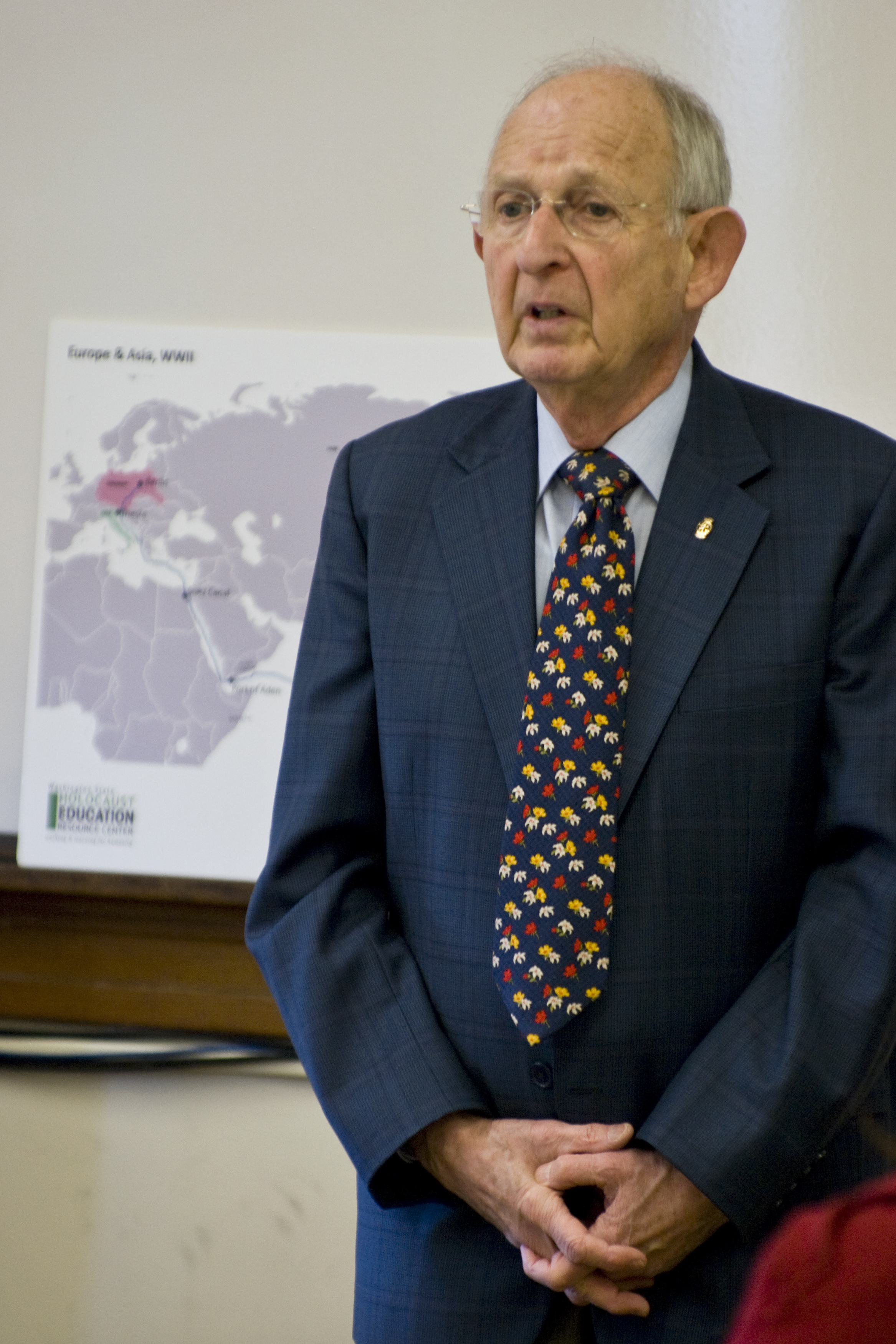

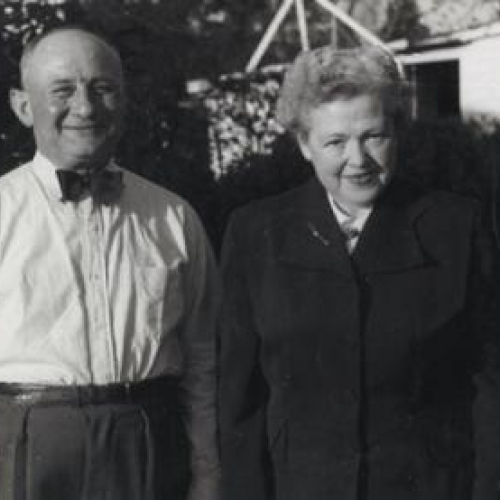
Tom Lenda - Czechoslovakia
-
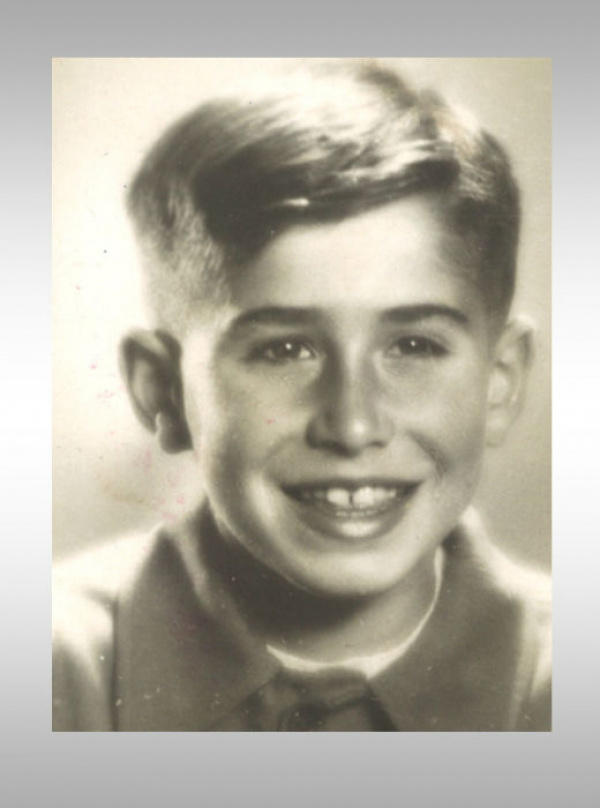
“Suddenly one of the onlookers threw a little piece of … pound cake, into the midst of the drifting people…. It was like a chicken fight at feeding time. The (death march victims) had forgotten any sense of human dignity…. All that remained was a living creature’s sense of survival.” - Tom Lenda
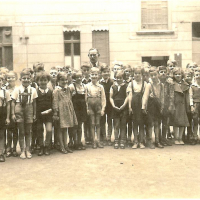
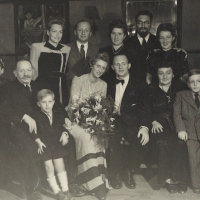
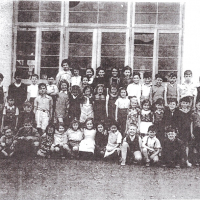
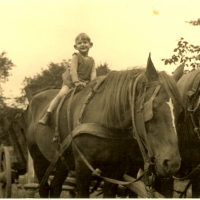
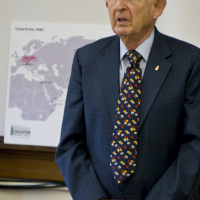
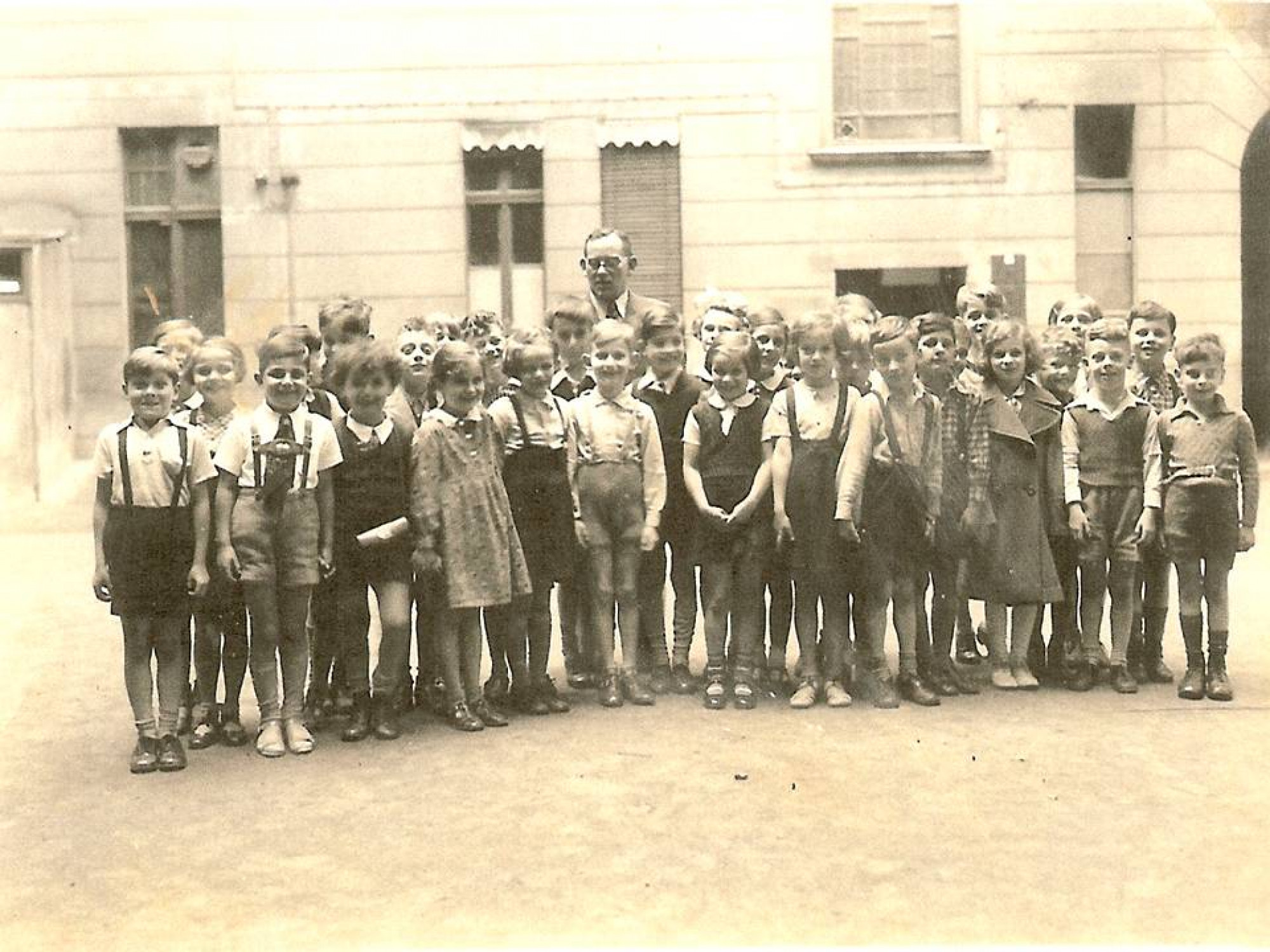
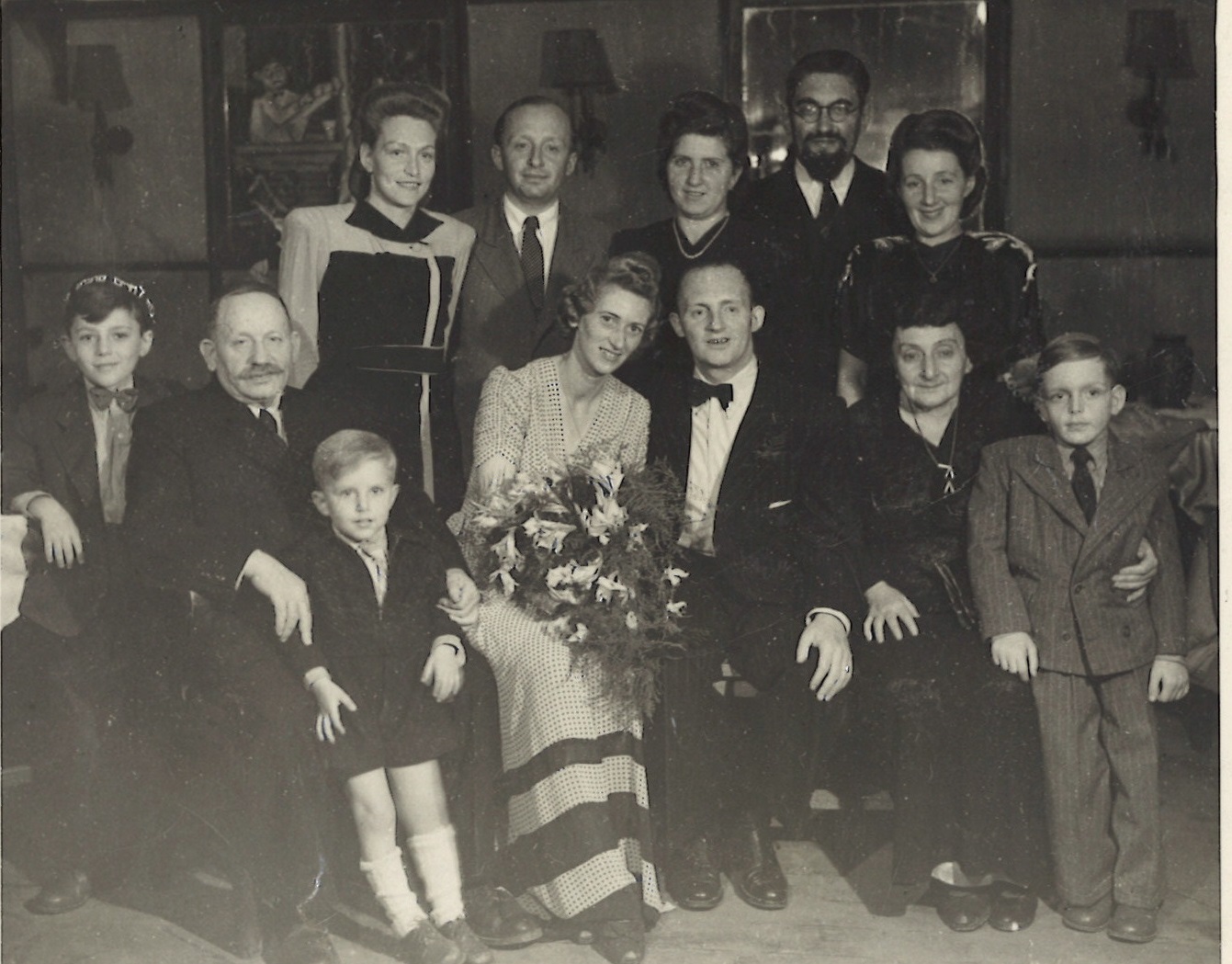
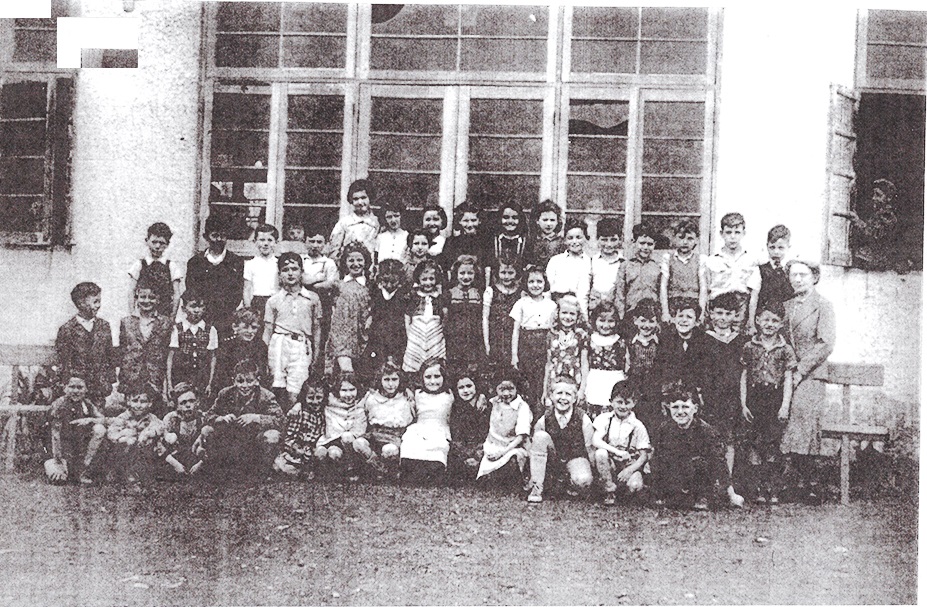
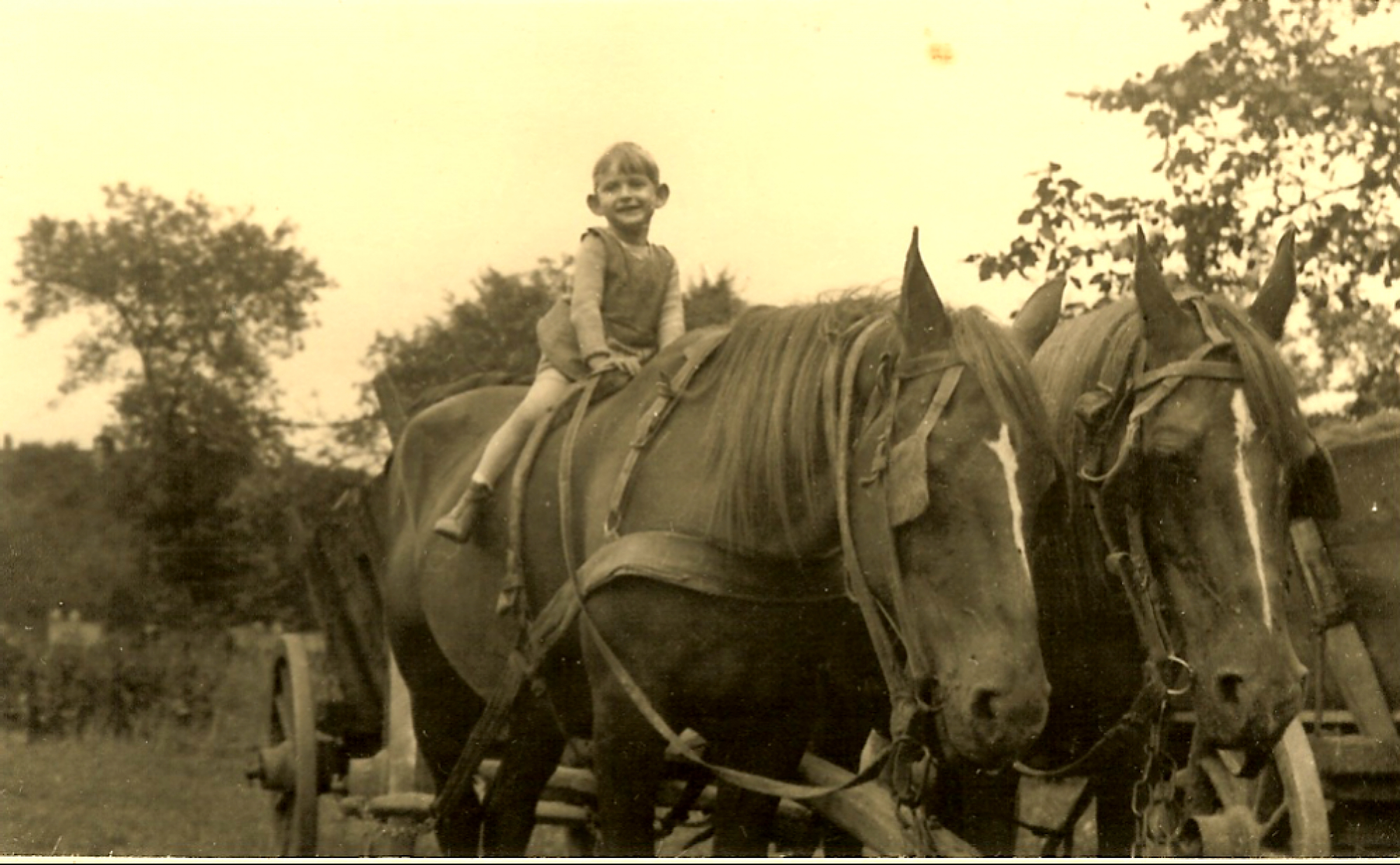
Tom Lenda (Lustig) was born in 1936 in Plzen, Czechoslovakia (now Czech Republic). The Lustig family moved to Plzen shortly before Tom was born. Tom’s father, Pavel (Paul) was educated in commerce and also attended a textile college in England. He was fluent in several languages and was an established textile manufacturers’ representative. Tom’s mother, Irene, worked as a certified nurse in a hospital until her marriage. The Lustig family were part of a close-knit extended family that was well-established within the Czech community; they considered themselves proud Czech citizens who were Jewish.
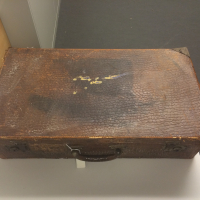
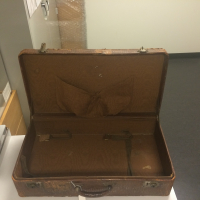
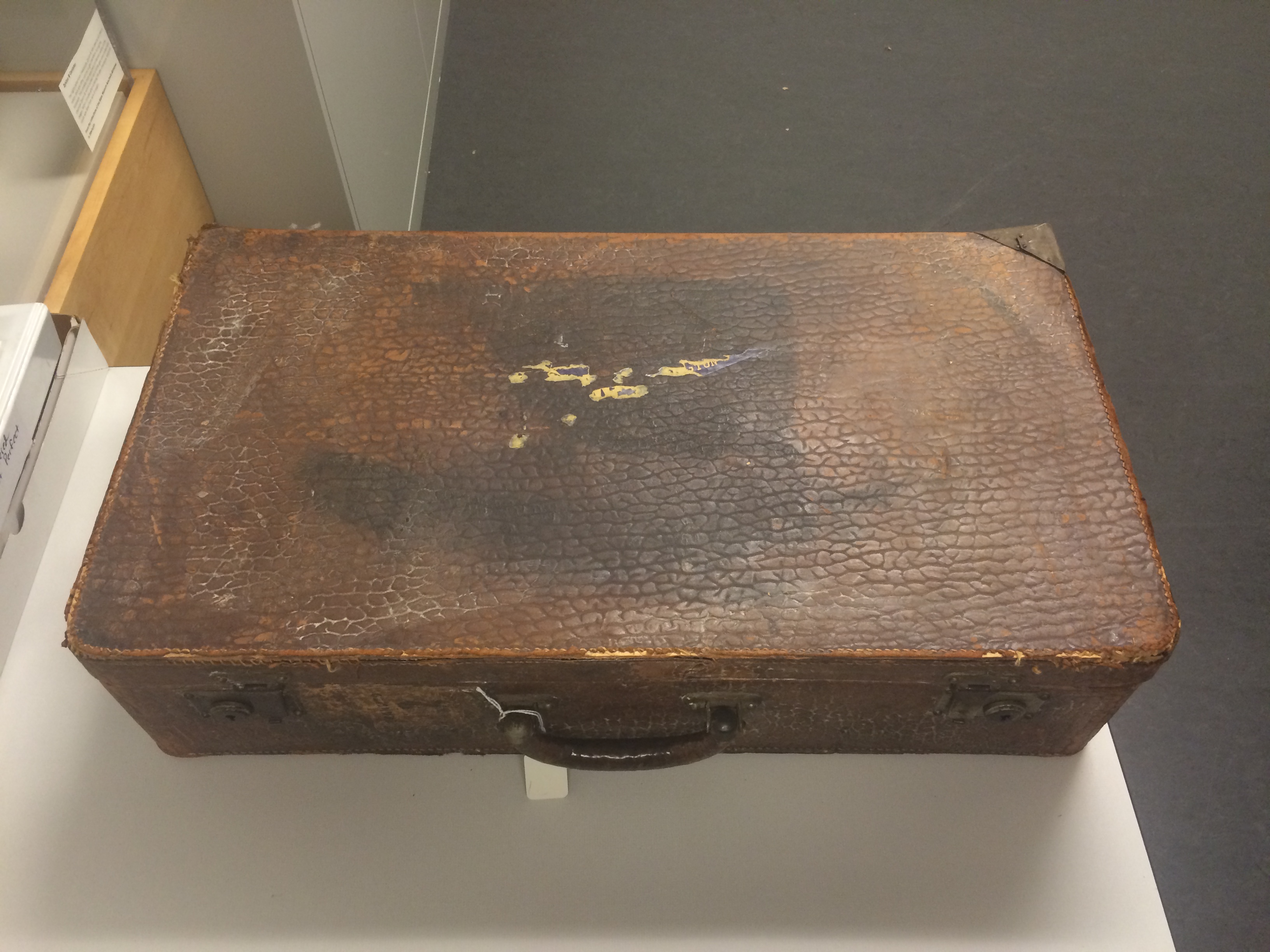
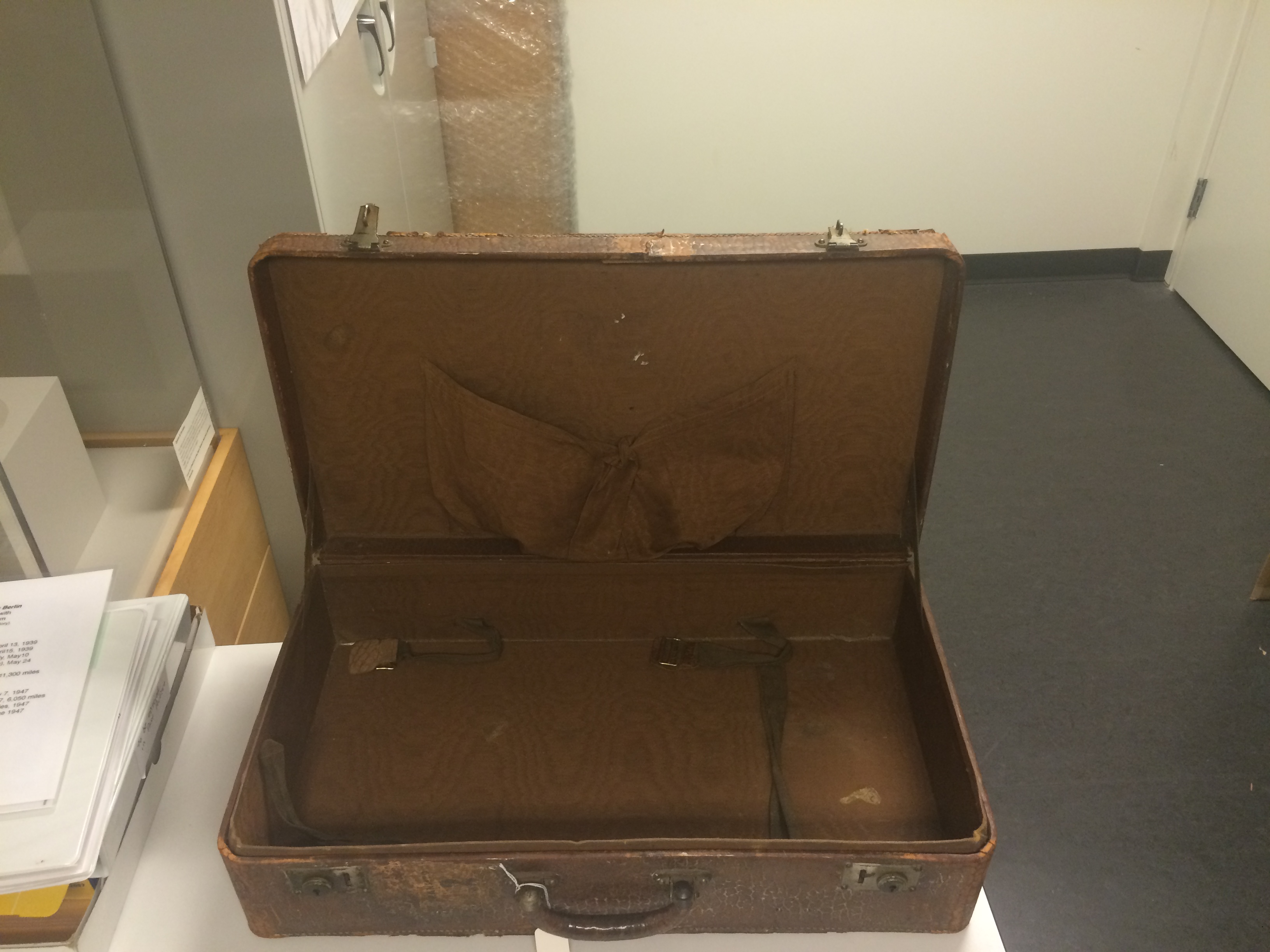
Three years after the Nazi invasion of Czechoslovakia on March 15, 1939, the family was ordered to take one suitcase each and report to Exhibition Hall in Prague where over 1,000 Jewish people had been rounded up by Nazi authorities. From there they were taken by train to Terezin (Theresienstadt), a concentration camp 40 miles north of Prague. The Lustig family was separated after their arrival at Terezin and, contrary to Nazi propaganda attempting to show that this was a desirable Jewish settlement, they endured severe overcrowding, rats, straw beds, poverty, and illness, as well as the deportations of so many to Auschwitz. The Nazis placed Tom into a heim (home) with other children. He was ordered to take human ashes from the camp crematorium and dump them into the nearby Ohre River. Irene started work as a nurse in the camp hospital, also her living quarters. Paul was assigned to a transportleitung (transportation) group and was deported to Auschwitz in fall 1944. Toward the end of the war, when the Soviet Army approached the camp, Paul escaped from Auschwitz with a small group and joined the Czechoslovakian army.
After liberation, Paul returned to Terezin to retrieve his family on May 25, 1945. They continued to live in the Czech Republic, and in the late 1950s, Tom joined the Czech army. Tom married Rose Stribrna in 1966 and had a daughter, Hana. They escaped the communist regime in Czechoslovakia in 1969, fleeing to Munich and then to Australia, where Tom and Rose had a second daughter, Helen. The family settled in Seattle in 1975, and Tom worked as a civil engineer in the Pacific Northwest until his retirement.
Tom’s book, Children on Death Row, Holocaust and Beyond speaks in greater detail about his time in Theresienstadt. https://www.amazon.com/Children-Death-Row-Holocaust-Beyond-ebook/dp/B006JGJHTO
His daughter, Hana Kern helped Tom give his presentation and when he was unable to present it, she stepped up to become a member of the Holocaust Center for Humanity’s Speakers Bureau.
1936-2021
- More About This Survivor:
"Numbers of Family" (15")
"Yellow Star"(11")
-
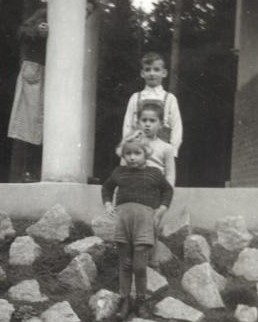
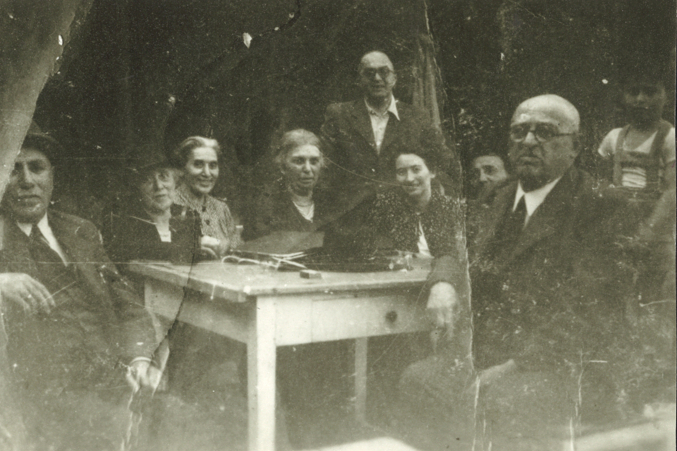
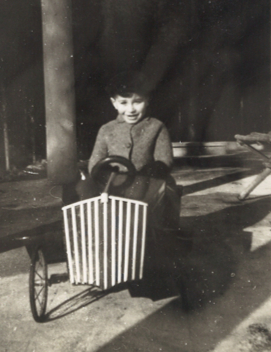
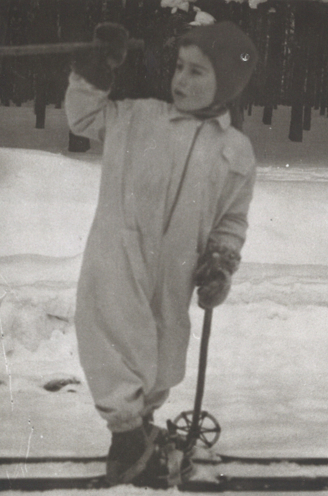
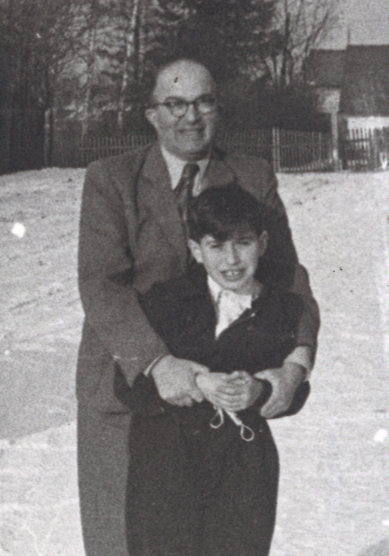
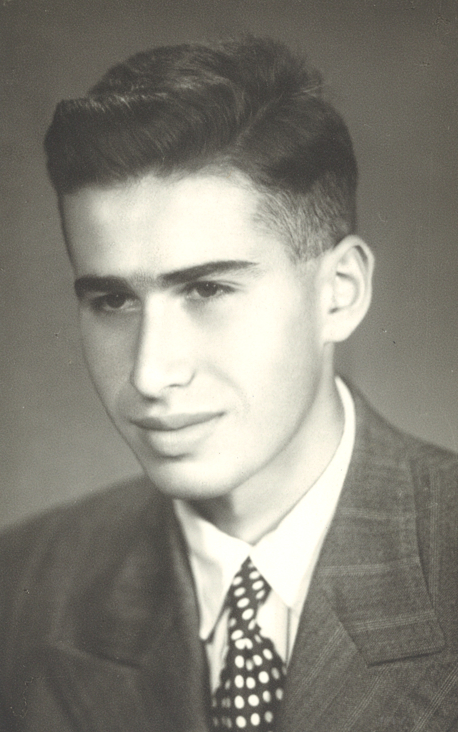
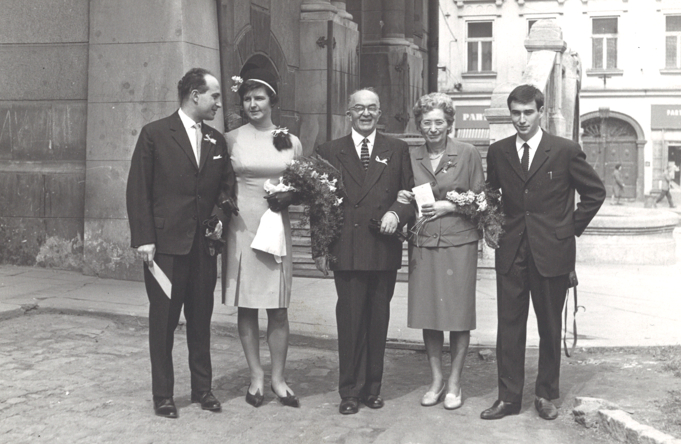
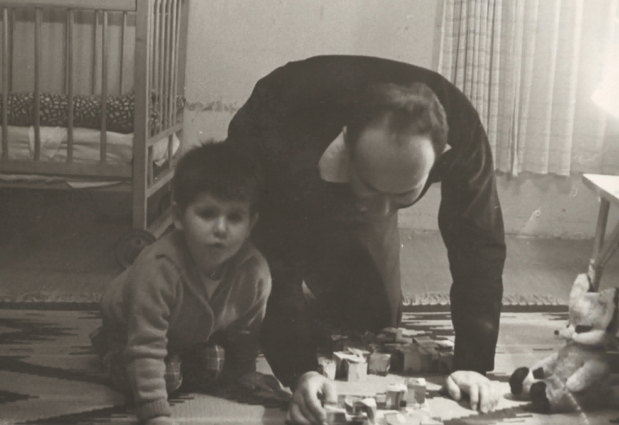
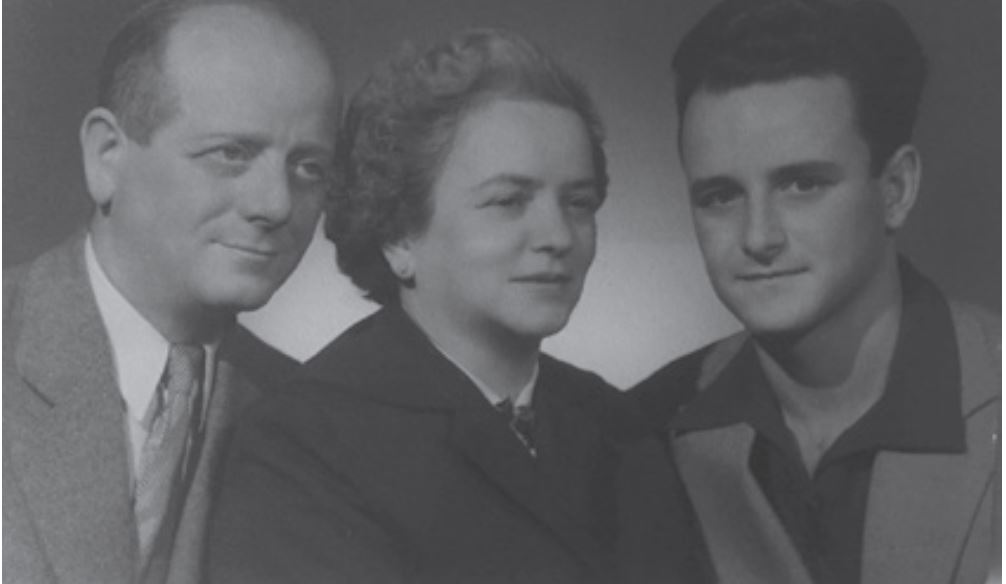
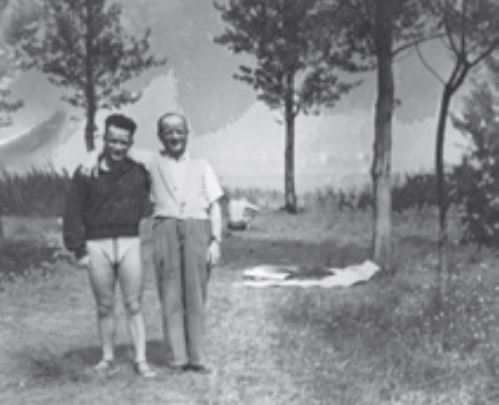
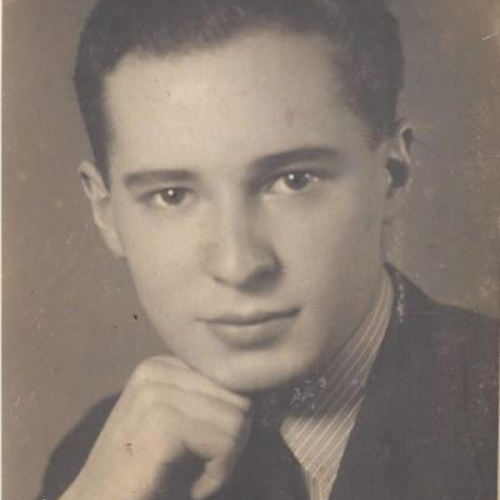
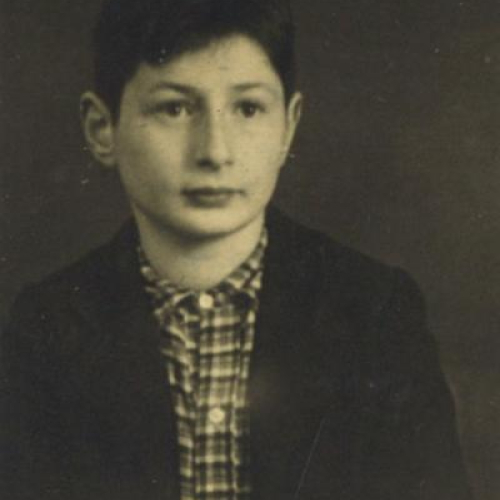
Robert Holczer - Hungary
-
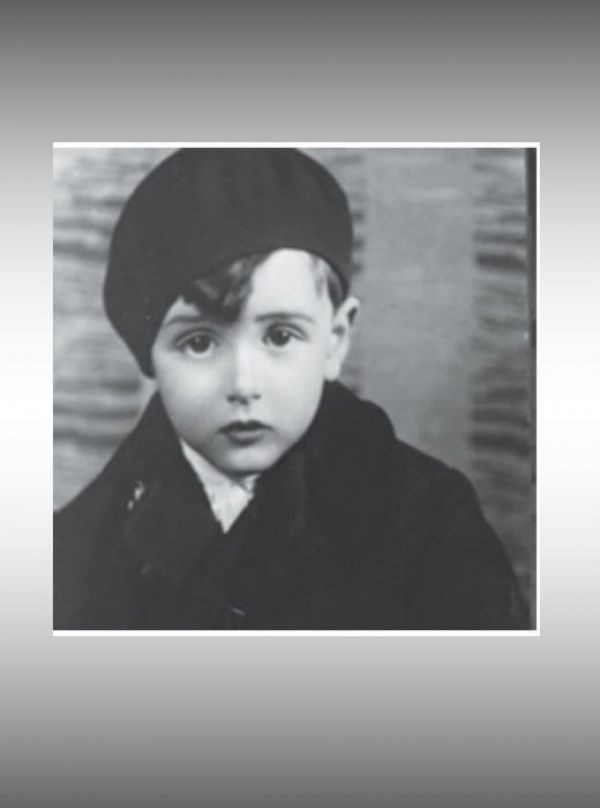
“I always said that if I ever find out what happened to this man (rescuer Ara Jeretzian), I would thank him. (After finally discovering his whereabouts over 60 years later), I got my ticket, I went to see him in Budapest and we had two beautiful conversations. I thanked him profusely. It was enough that I could tell him -- without him, I would not be alive.” - Robert Holczer
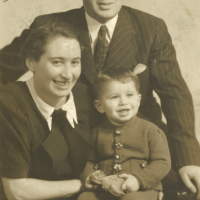
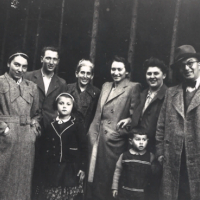
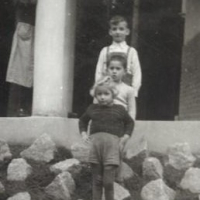
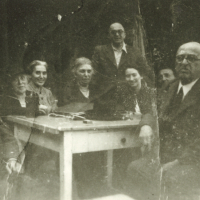
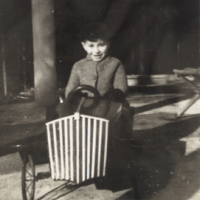
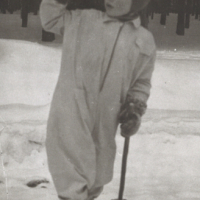
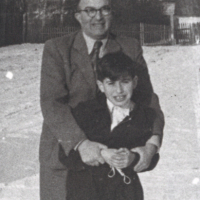
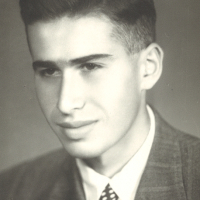
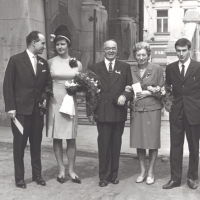
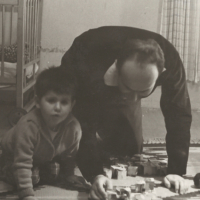
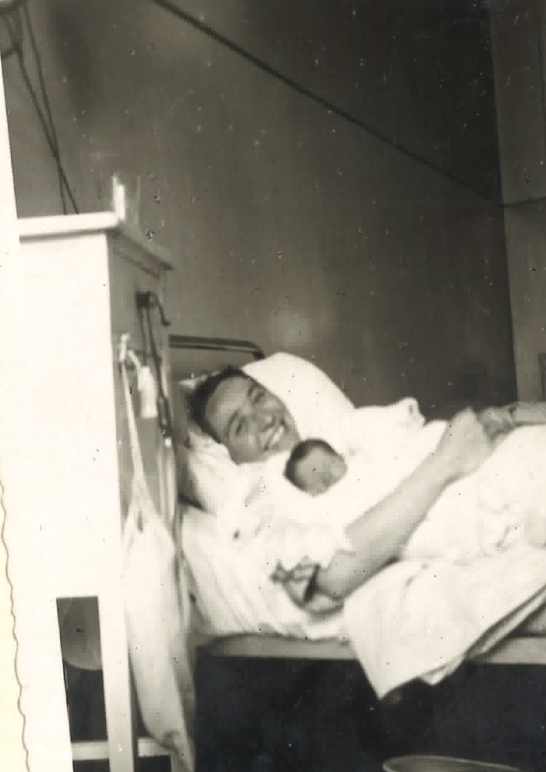
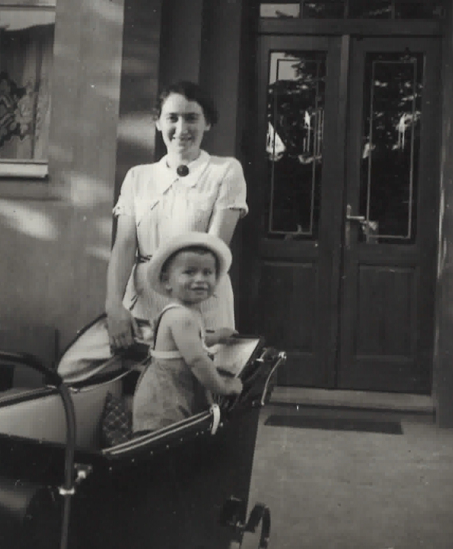
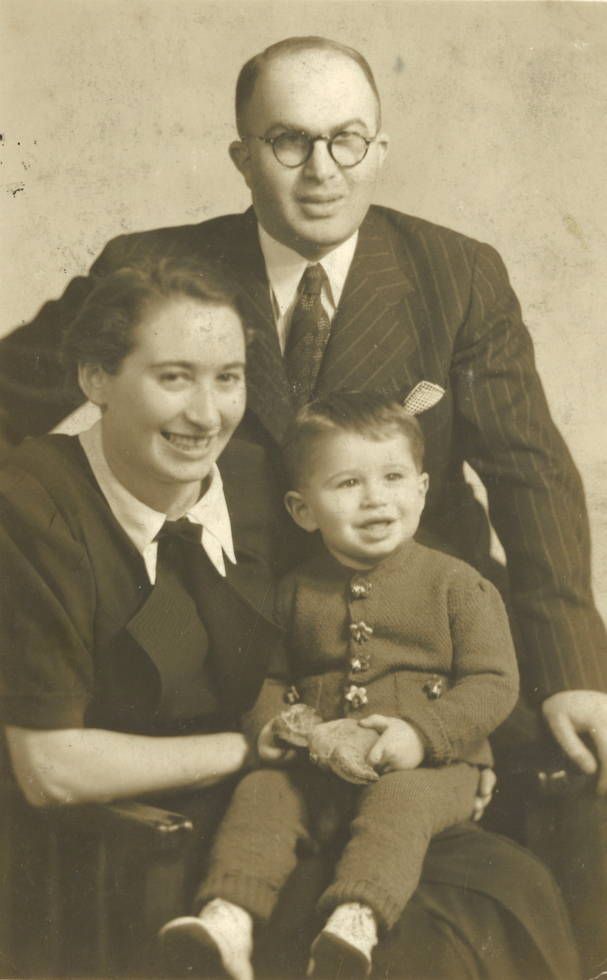
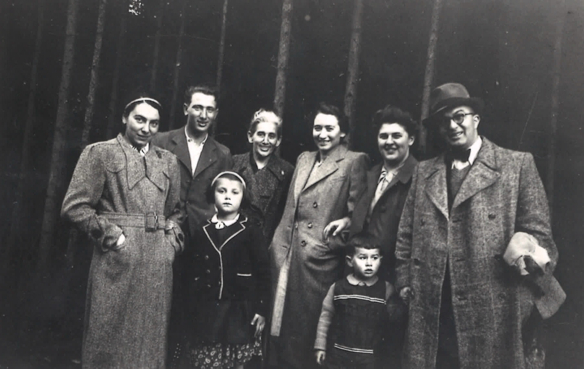
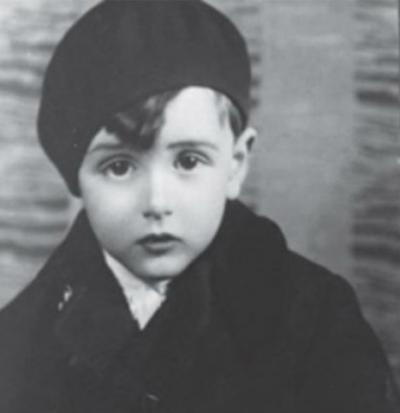
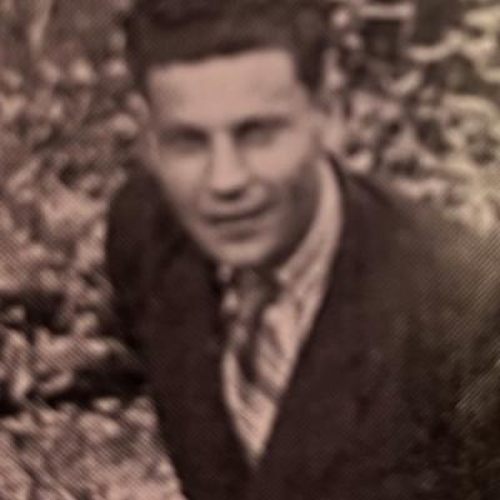
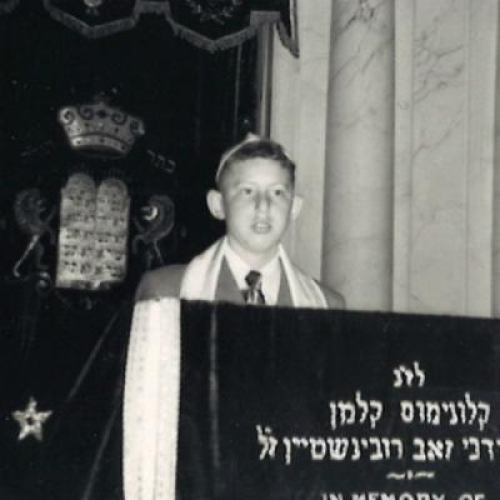
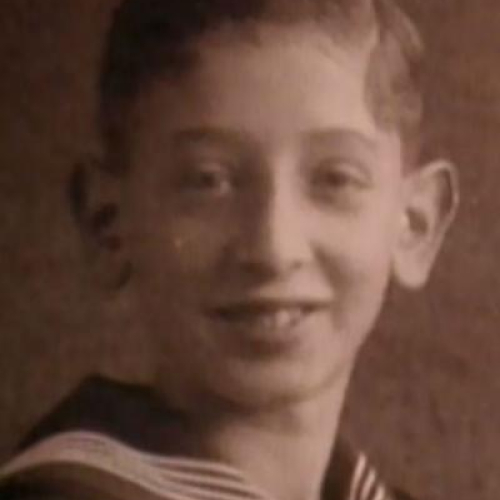
Robert was born in Budapest, Hungary on August 31, 1929. Because Hungary was Germany’s ally in World War II, Jews in Hungary were relatively spared the devastation occurring throughout most of Europe until March 19, 1944. At that time, Germany, among other things dissatisfied with Hungary’s handling of the Jewish question, invaded Hungary. Between May and July 1944, over 440,000 Jews in the Hungarian provinces outside of Budapest were deported – including Robert’s maternal grandparents and family. Most were murdered at Auschwitz. Meanwhile, Robert’s father, like thousands of other Jewish Hungarian men, was sent to perform forced labor while others were ordered to assist the military.
The Nazis then laid their plans for Budapest’s Jews. Robert and his mother were forced to leave their home and move in with his aunt and other family members in a designated “yellow star house” with up to 400 other Jews. Others were forced into one of two ghettos. Before the Nazis could deport Budapest’s approximately 100,000 Jews, the Soviets approached and ultimately set siege around the city from late December to February 1945. During that time, members of the fascist Hungarian Arrow Cross party murdered approximately 20,000 Jews at the banks of the Danube River.
The Arrow Cross thugs ordered 15-year-old Robert and the other Jews in the yellow star house into one of the overcrowded ghettos, where thousands were dying of starvation and sickness. However, their efforts were thwarted on numerous occasions by Ara Jeretzian, a rescuer who disguised himself as an Arrow Cross member and converted the house into a functioning free hospital throughout the siege. Jeretzian was honored by Yad Vashem as Righteous Among the Nations in 1981. Robert assisted the many physicians in the house by removing amputated limbs and stacking them in the frozen courtyard, and by performing numerous dangerous errands until their part of Budapest was liberated on January 18th. Shortly thereafter, Robert and his mother were reunited with his father, who survived forced labor at the Bor concentration camp in Serbia.
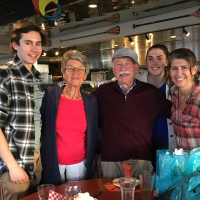
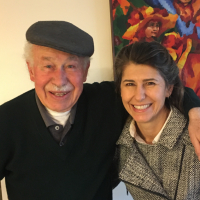
After the war, Robert lived in Israel, Hungary, Germany, and the United States. Robert became a teacher and married Jan, helping to raise three children. He was a member of the Speakers Bureau at the Holocaust Center for Humanity, sharing his story of the danger and senselessness of hatred. Robert died on August 28, 2017. There is a book about his pre-war and wartime experiences, The Yellow Star House, by Paul V. Regelbrugge, (Lulu Publishing, 2019).
1929-2017
- More About This Survivor:
Transcripts for Video Clips - Robert Holczer
Full Testimony Robert Holczer (2009) (46:56)
-














Video testimonies, teacher resources, and the work of the Holocaust Center for Humanity are licensed under CC BY-NC-ND 4.0. To view a copy of this license, visit https://creativecommons.org/licenses/by-nc-nd/4.0/
This license requires that reusers give credit to the Holocaust Center for Humanity. It allows reusers to copy and distribute the material in any medium or format in unadapted form and for noncommercial purposes only.
