

Teach
Holding History - Bringing the Museum to Your Classroom
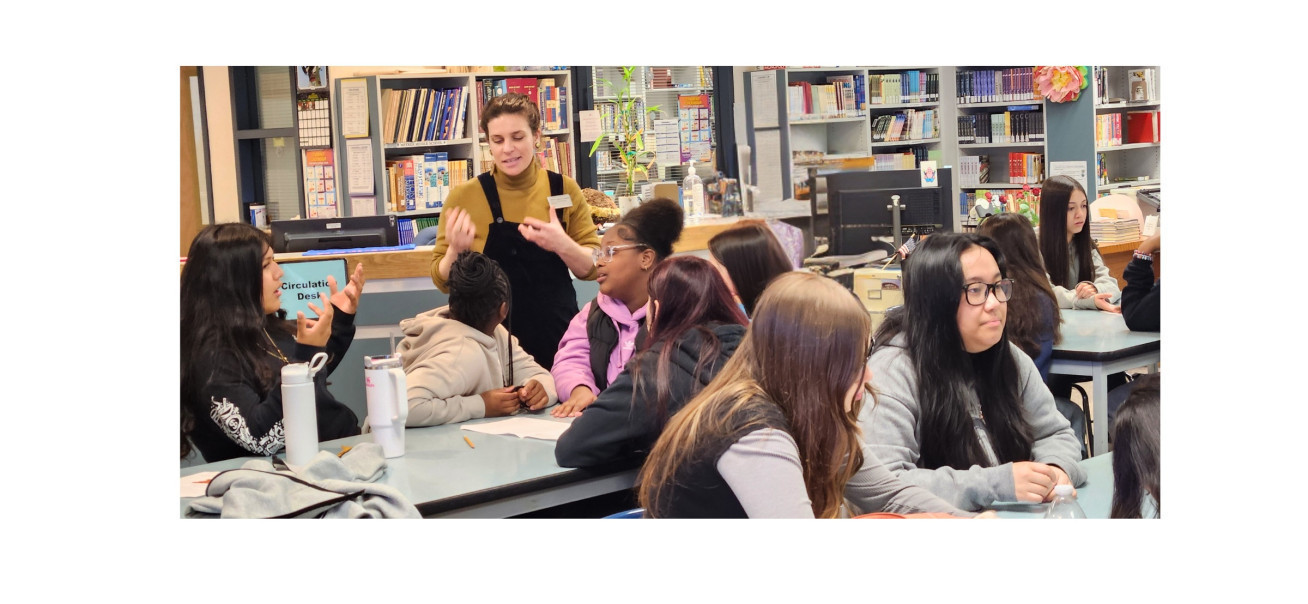
"The personal items that we got to look at and the stories that went with them really impacted me, as it reminded me of all the individual lives of people in the Holocaust." - 8th grade student, Jefferson Middle School
Holding History - Bringing the Museum to Your Classroom
Unable to make it to our museum in Seattle with your students? Let us bring the museum to you! This one-hour session will engage students with personal stories and other important lessons, making the study of the Holocaust more relevant than ever.
For teachers within an hour of Seattle*, we are thrilled to share this program with you and your students. After you submit your request, we will work within your schedule to lead one (or more) sessions at your school that will:
- Enhance your students' learning of the Holocaust through artifacts and personal stories.
- Help your students recognize why learning about the Holocaust matters today.
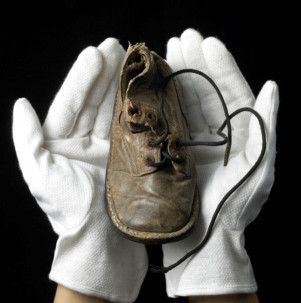
"I thought it was interesting that the main point of emphasis was on the bystanders. Today a lot of people are by standers ... and this presentation really made me think about the things I am silent about or benefit from." - 12th grade student, Bishop Blanchet High School
REQUEST A HOLDING HISTORY PRESENTATION
Before Your Visit
This session should not be the entry point into your students’ learning about the Holocaust. We recommend preparing for a Museum Educator visit by doing several foundational lessons. Among these include:
- Pyramid of Hate lesson
- Universe of Obligation lesson
- Intro to the Holocaust lesson
- Historical Roots of Antisemitism lesson
- Prewar Jewish Life lesson
- Survivor Voices film
Completing at least some of these will significantly help you and your students to more successfully engage with this new program.
If you are hoping to schedule an in-person field trip instead, click here.
*For inquiries from teachers further away, or for general questions:
This program is supported in part by the Jewish Federation of Greater Seattle and the Special Initiatives Fund Committee. 
Upcoming Professional Development Opportunities
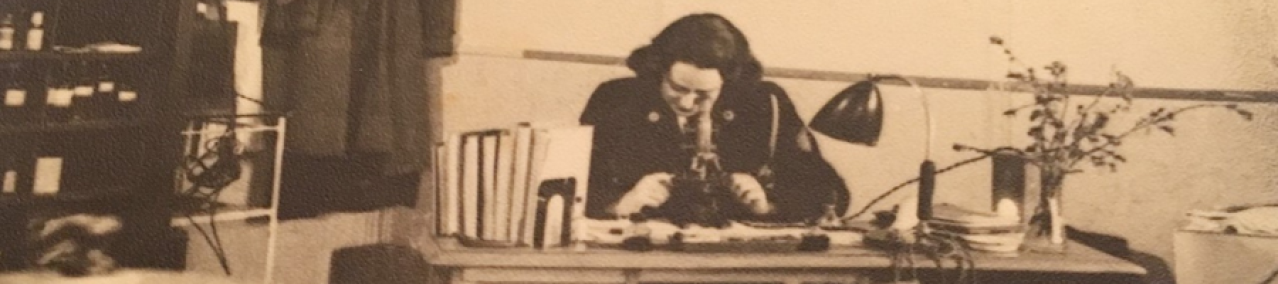
2026 Powell Advanced Summer Fellowship: Women's Voices and Local Histories: Reframing the Holocaust
August 4-7, 2026 | At the Henry and Sandra Friedman Holocaust Center for Humanity, Seattle
The Holocaust Center for Humanity offers an intensive 4-day advanced summer fellowship designed for teachers of grades 6-12 who have been actively teaching the Holocaust and/or other genocides and human rights for more than three years.
Accommodations will be provided. | The Fellowship is limited to 20 participants. | Teachers in the Pacific Northwest states are given first priority. | 30 Washington State Clock Hours available
The 2026 Powell Summer Fellowship will offer educators the opportunity to engage with the history of the Holocaust from a female perspective as well as consider the intersection between the history of the Holocaust and local histories.
The seminar will focus on providing Washington state Holocaust educators with advanced scholarship, the most current teacher resources, and an opportunity for collaboration and discussion.
Requirements:
- Eligible teachers will currently be teaching grades 6-12 in a classroom.
- Eligible teachers must have at least three years of experience teaching the Holocaust and/or other genocides and human rights.
- Beyond the four-day in-person sessions at the Holocaust Center for Humanity, participants will join a year-long cohort, meeting three times via Zoom to share how they have applied their learning in the classroom.
Application Deadline: May 1, 2026
Questions? Please email Branda Anderson, Teaching and Learning Specialist,
This program is made possible thanks to the generous support of the Powell Family Foundation.
Topics for Teaching about the Holocaust and Genocide Professional Development Webinar Series
This year-long series offers educators the chance to deepen their understanding of the Holocaust and genocide while exploring approaches to teaching these complex histories in the secondary classroom. Through conversations with leading scholars and practitioners, participants will leave with practical strategies and ready-to-use lesson ideas that connect directly to their teaching. Educators may choose to register for the full series or select the sessions that best fit their needs.
Washington state educators will be eligible for one clock per session attended.
Schedule of Sessions
April 21, 2026 4:00-5:00 pm (PST): Understanding the Risk Factors for Genocide
- Presenter: James Waller
- This session will explore the risk factors that create the conditions in which mass atrocities are possible in a given society. Featuring James Waller, Ph.D., the inaugural Christopher J. Dodd Chair in Human Rights Practice and acting director of the Gladstein Family Human Rights Institute at the University of Connecticut, the session will also include an introduction to classroom lesson plans for exploring risk factors in historical case studies and ongoing conflicts. Washington State educators who are seeking to earn 1 clock hour, please make sure to register with PdEnroller: https://www.pdenroller.org/ospi/catalog/event/202837
2026 Virtual Day of Learning: Teaching and Learning About Genocide
June 22, 2026
11:00-11:55 am: Hatred Has a Final Destination: From the Bosnian Genocide to a Prevention Roadmap for American Educators
1:00-1:55 pm: An Introduction to Transitional Justice for the Secondary Classroom
District-Level Professional Development

Schedule a professional development workshop for your school, district, or group
Suitable/Adaptable for teachers of grades 5-12
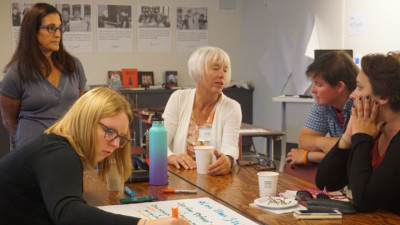
The Holocaust Center for Humanity offers a variety of interactive professional development opportunities for teachers of grades 5-12. Individual sessions range between one hour and two and a half hours and can be combined for half-day or full-day programs. All sessions can be facilitated in person or virtually.
All professional development programs are offered free of charge to schools and groups in Washington State. Donations to support these programs so that we can continue to offer them for free are always appreciated. You can make a donation to support professional development.
For more information or to schedule a program, please email Branda Anderson, Teaching and Learning Specialist, at
WORKSHOPS
Recognizing and Addressing Antisemitism
Why is antisemitism so often overlooked or inadequately addressed — even by those who seek to challenge prejudice?
In this interactive session, we’ll explore what antisemitism looks like today and why it often goes unchallenged. Together, we’ll learn practical tools to recognize and respond to antisemitism with the same urgency and care as other forms of identity-based discrimination.
Navigating Critical Conversations and Tough Topics
The polarized nature of our current society can make educators hesitant about bringing potentially controversial issues into the classroom. We fundamentally believe that this is a time not to avoid those topics and conversations, but to lean into them, in order to model in our classrooms what a healthy democracy looks, sounds, and feels like. Teachers equipped with clear goals, academic resources, and discussion strategies that foster civil discourse can turn their classrooms into model democracies.
Centering on Facing History and Ourselves resources, we will model how to build a reflective and honest classroom rooted in identity and belonging. We will discuss strategies for building students’ capacity for critical thinking in order to help them engage with difficult conversations in the classroom.
Funding for this program was made possible, in part, by a grant from the Jewish Federation of Greater Seattle.

 Other workshops include:
- Teaching the Holocaust in a World History Classroom: Practical Applications
- Teaching the Holocaust in a United States History Classroom: Practical Applications
- Developing Students' Media Literacy Skills through Analysis of Nazi Propaganda
- Teaching about the Historical Roots of Antisemitism
- Teaching about the Holocaust in an ELA Classroom
Questions?
Email Branda Anderson, Teaching and Learning Specialist:
Speakers Bureau - FAQs
FAQs about hosting a member of the Speakers Bureau
Who are the speakers?
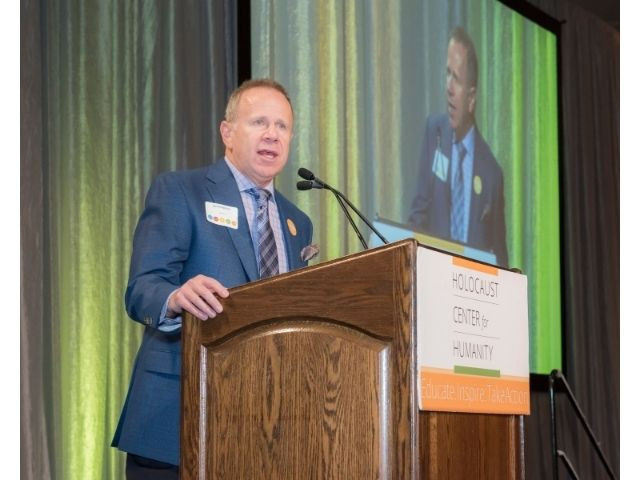
Our Speakers Bureau includes Holocaust survivors, survivors of other genocides, and Legacy Speakers. Legacy Speakers are children and grandchildren of survivors, liberators, and rescuers (Righteous Among the Nations). Learn more about our speakers at the “Meet the Speakers” web page. Please note that we cannot guarantee specific speakers, but if you believe any individual(s) will fit with your group's studies or background, please list their names in the respective field in our request form.
What does a Speakers Bureau presentation consist of?
Speakers share their memories, or those of their family members, of the Holocaust (or for several speakers, the Rwandan genocide) with students. These stories may include experiences of discrimination, segregation, separation from and loss of family, life in hiding, ghettos, concentration camps, liberation, and immigration. Although many speakers are well informed about some aspects of the Holocaust outside of their own experiences or those of their family, speakers are not necessarily historians. Their presentations are offered as personal accounts and are accompanied by PowerPoints with primary sources, photos, maps, and video clips.
How long is a presentation?
Speaker presentations in-person and on Zoom are between 45 and 60 minutes. We recommend at least 10-15 additional minutes for Q&A with the speaker, which can be facilitated by a Holocaust Center volunteer or staff member.
When can a speaker be booked?
Speakers can usually be booked to start their presentation anytime from 9 AM to 4 PM on weekdays, except major federal and major Jewish holidays. Weekdays and evenings may be possible, speaker and staff schedules depending. Contact the Holocaust Center if you have specific questions.
Who are the presentations suitable for?
Groups of 20 or more and students in Grade 5 and above, as well as adult groups. The Holocaust Center for Humanity is located in Seattle, WA and priority is given to schools and groups in Washington State and the greater Pacific Northwest. If you are outside this area, we encourage you to check with your local Holocaust museum.
What is the fee?
Virtual speaker presentations: free for schools. $100 fee for businesses, and adult or community groups.
In-person presentations: free for schools, except reimbursement of hotel, ferry, or flight fees where applicable. $100 fee for businesses, and adult or community groups.
For virtual and in-person engagements, an honorarium from any group or school is always welcome; suggested honoraria for speakers are anywhere between $100 and $250.
How do I book a speaker?
Please apply to host a speaker by submitting the Request Form. If you have questions or concerns about booking details, please contact Lexi Jason, Education Program Manager, at
How do I best prepare students?
The Holocaust Center has many resources for this! Browse our Best Practices, see our resources for teachers, attend monthly public Lunch & Learns, and so much more. You will also receive a document on preparing and debriefing students once a speaking engagement is on the calendar for your group.
Can speakers do interviews with students, or one-on-one projects?
On a case-by-case basis, the Center can help arrange for a speaker to meet with one student or a small group, or exchange information via email or phone. Please contact us for more information.
How can students, teachers, or others get more involved with the Holocaust Center?
There are many ways to get involved. Use our other resources, consider joining the Student Leadership Board, Educators for Change, or Board of Directors. Train to become a docent with the Center, or volunteer at events. Spread the word and encourage your peers and colleagues to host a speaker!
Can I become a member of your Speakers Bureau?
The Center is always working with potential speakers to develop and research their stories and presentations. Due to the intensive process, there may be a waitlist to work with Center staff to join the Bureau. Learn more with this informational handout, or contact Laurie Warshal Cohen at L
Additional Questions?
Email Lexi Jason, Education Program Manager at
The development of Legacy Speakers is made possible with the generous support of Debbie Killinger; the Max and Victoria Dreyfus Foundation, Inc; and the Norcliffe Foundation. Funding for Women's Voices in History was made possible, in part, by a grant from the Jewish Federation of Greater Seattle.
State Requirements
Washington State Requirements for Teaching about the Holocaust:
Legislation strongly encouraging Holocaust education in Washington State
RCW 28A.300.115-116 (Passed April 19, 2019)
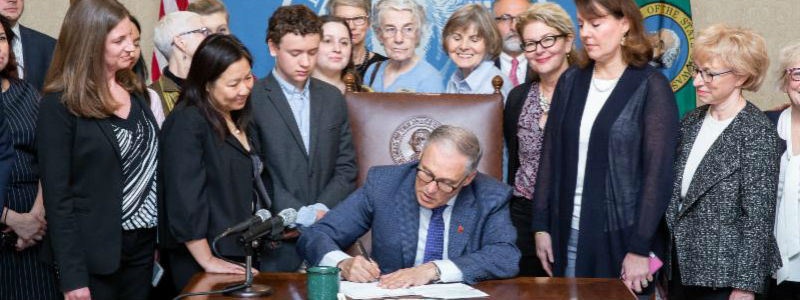
After unanimously passing the Senate and the House, Holocaust Education Bill SB5612 was signed by Governor Jay Inslee Friday, April 19, 2019. This bipartisan bill, the result of a partnership between the Holocaust Center for Humanity and the Jewish Federation of Greater Seattle, is a significant step towards ensuring that every student in our state has access to quality Holocaust education.
“In addition to this study being a reaffirmation to never again permit such occurrences, studying this material is intended to examine the ramifications of prejudice, racism, and intolerance and prepare students to be responsible citizens in a pluralistic democracy." – RCW 28A.300.115
This Holocaust education law has created a partnership between the Holocaust Center for Humanity and the Office of the Superintendent of Public Instruction (OSPI). Together, we:
- Developed best practices, lesson plans and guidelines for teaching about the Holocaust and genocide
- Are conducting statewide professional development for educators, teaching them how to apply these new standards
Is the Holocaust now mandatory to teach in Washington State?
No. RCW 28A.300.115 states, “Every public middle school, junior high school, and high school is strongly encouraged to include in its curriculum instruction on the events of the period in modern world history known as the Holocaust, the systematic, German state-sponsored persecution and murder of Jews and other innocent victims by the Nazi regime and its collaborators between the years 1933 – 1945.“
What does this law do?
“Beginning September 1, 2020, middle, junior high, and high schools offering this instruction must follow the best practices and guidelines that are developed.” This bill reiterates the importance and value of Holocaust education in all middle and high schools. It also creates a required set of guidelines and best practices for educators offering Holocaust education and provides professional development opportunities throughout the state for teaching the Holocaust. Look for upcoming workshops in your area and through your school district and at www.HolocaustCenterSeattle.org.
- The Holocaust Center for Humanity and OSPI developed guidelines and lesson plans for teaching the Holocaust in Washington State. These guidelines and lesson plans are continuously updated. Workshops and professional development opportunities are offered throughout Washington to introduce these new guidelines and best practices, provide information on how to access resources, and support educators who are teaching about the Holocaust.
- Starting September 2020 –Educators teaching the Holocaust are required to follow the guidelines and best practices as set by the Holocaust Center for Humanity and OSPI. Workshops and professional development opportunities will continue to be offered throughout the state. 1:1 consulting is available to support teachers through the Holocaust Center for Humanity.
Is there a set curriculum that I need to teach?
No. The Holocaust Center for Humanity, in partnership with OSPI, has created guidelines and best practices. These include a wide variety of lesson plans targeted to different grade levels and subjects, and flexibility for teachers to tailor lessons to their needs. There are even proposed outlines for teaching about the Holocaust, no matter how much time you have, what grade level, and for both Social Studies and English Language Arts. The Holocaust Center for Humanity has numerous programs and resources in place to support teachers, including 1:1 consultation to help teachers develop lessons and units that fit their classroom’s needs and goals.
How can the Holocaust Center for Humanity help me?
The Holocaust Center for Humanity has many free programs and resources including Holocaust Teaching Trunks; a Speakers Bureau (remote and in-person); a museum with guided field trips; an annual student art and contest; and professional development throughout the year. The Holocaust Center also offers experienced staff to assist teachers with planning their units and lessons.
How can I support the teachers in my school/district?
We can come to you and/or present virtually to teachers in your school, district or group. Share this information with your teachers and administrators. They can find online resources and more information on our website, or please contact Paul Regelbrugge, Director of Education, at
I have more questions – who should I contact?
Please email the Holocaust Center’s Director of Education, Paul Regelbrugge at