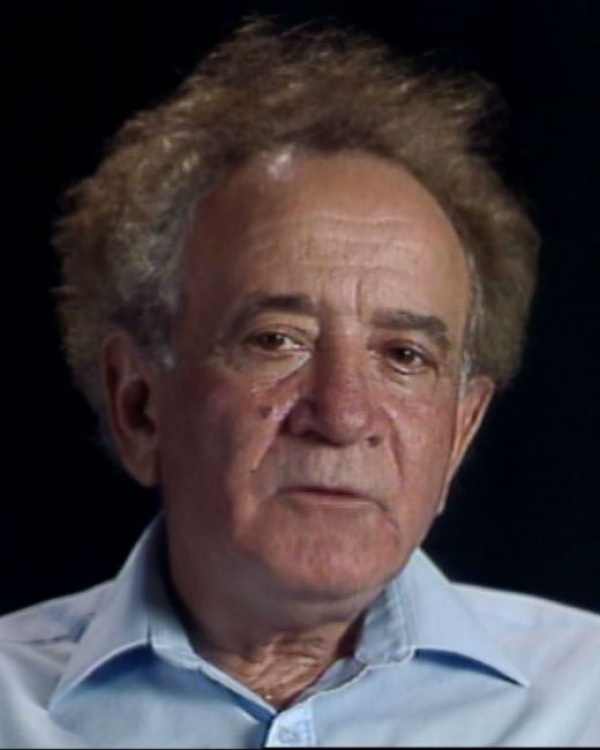
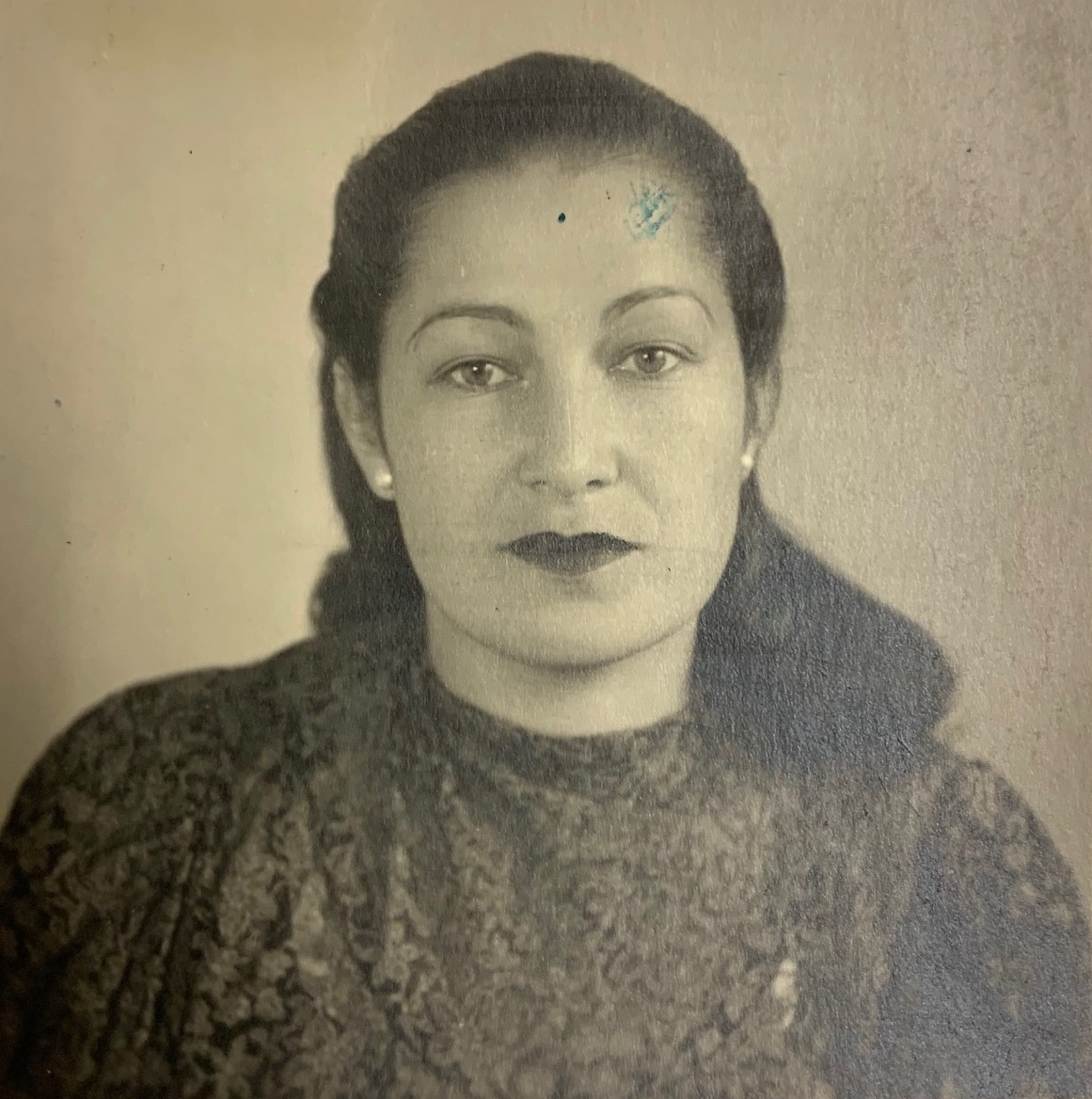
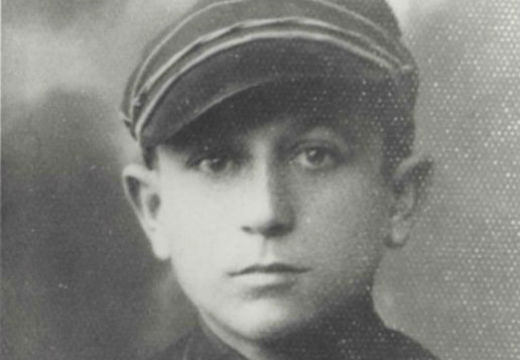
Wolf Hall
1925-
“We here all the crying and the shooting, we knew what was happening only one brother who was also working was left of entire family” – Wolf Hall
Wolf Hall was born on January 1, 1925, in Łódź, Poland, into a large Jewish family. His father was a shoemaker, and they lived behind his workshop. Growing up, Wolf faced antisemitism at school and was not allowed to graduate because he was Jewish.
When the Nazis invaded Poland in 1939, Wolf’s family fled Łódź before the ghetto was formed and went to the town of Kraśnik, which also had a large Jewish population. At first, life there seemed somewhat normal, but soon the Germans forced Jews into labor. At only 13, Wolf worked long days building railroads and fuel depots under harsh supervision. His father continued to make shoes to trade for food.
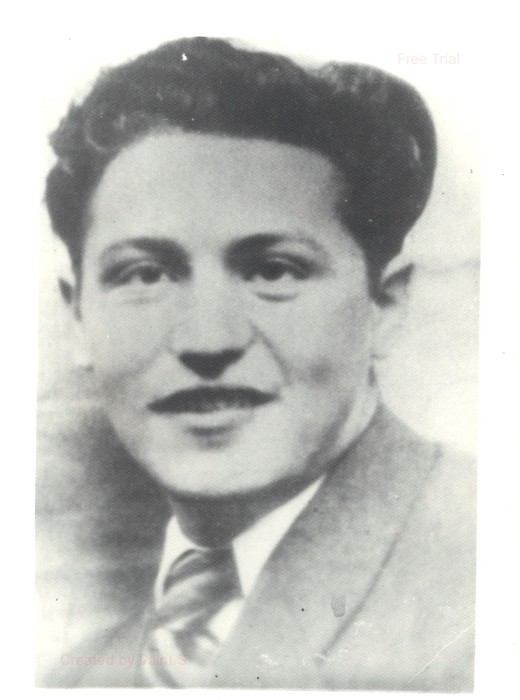
Eventually, the Jews of Kraśnik were deported or killed. In the labor camp, Jews were beaten, starved, and sometimes shot without reason. Wolf was blinded in one eye after being struck by a whip, but a Jewish doctor saved his life.
One night some prisoners tried to escape. The SS retaliated by threatening to kill ten prisoners for each escapee. Later, several escapees were caught and publicly hanged as a warning. Despite this terror, Wolf once helped another boy hide and survive, even though it could have cost him his life.
Wolf was twice sent to the Majdanek concentration camp to pick up supplies and witnessed starving prisoners—an image that stayed with him forever. In 1944, as the Soviets advanced, the Germans decided to move the prisoners to Germany. During the march, Wolf escaped, but his brother was caught. He hid in a forest until the Russians liberated the area in June 1944.
After liberation, Wolf returned to Kraśnik and later to Łódź, where he met his future wife, Frieda, another survivor. They married and left Poland because they no longer felt safe there, eventually reaching a Displaced Persons camp in Germany. In 1950, they immigrated to the United States, settling in Seattle in 1951.
Wolf began working for Canada Dry and later founded his own business, Olympic Vest Sportswear, which employed 170 people. He became a U.S. citizen in 1956 and raised three children.
Looking back, Wolf said he rarely spoke of his wartime experiences, even to his family. His message to young people was simple but powerful: “Make sure it never happens again.”
Video Testimony – Wolf Hall
Shooting in Town
Leaving Lodz
Going Blind
Liberation
Message to Future Generations
Full Testimony (1991)
Photo Gallery – Wolf Hall
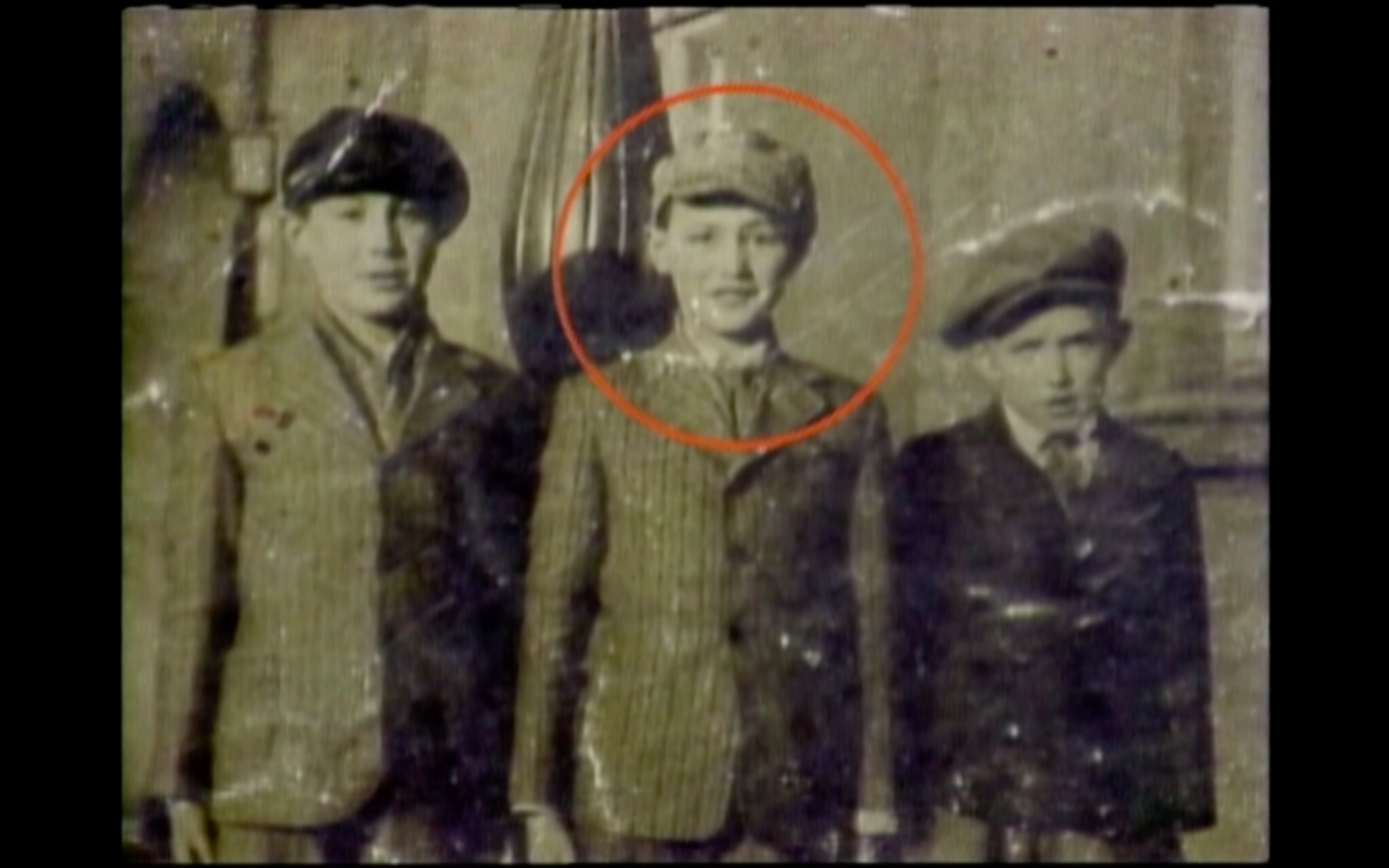
W. Hall Gallery 1
Friends from Lodz, in the middle schoolboy Wolf, he doesn’t remember friends’ names, prewar.
W. Hall Gallery 2
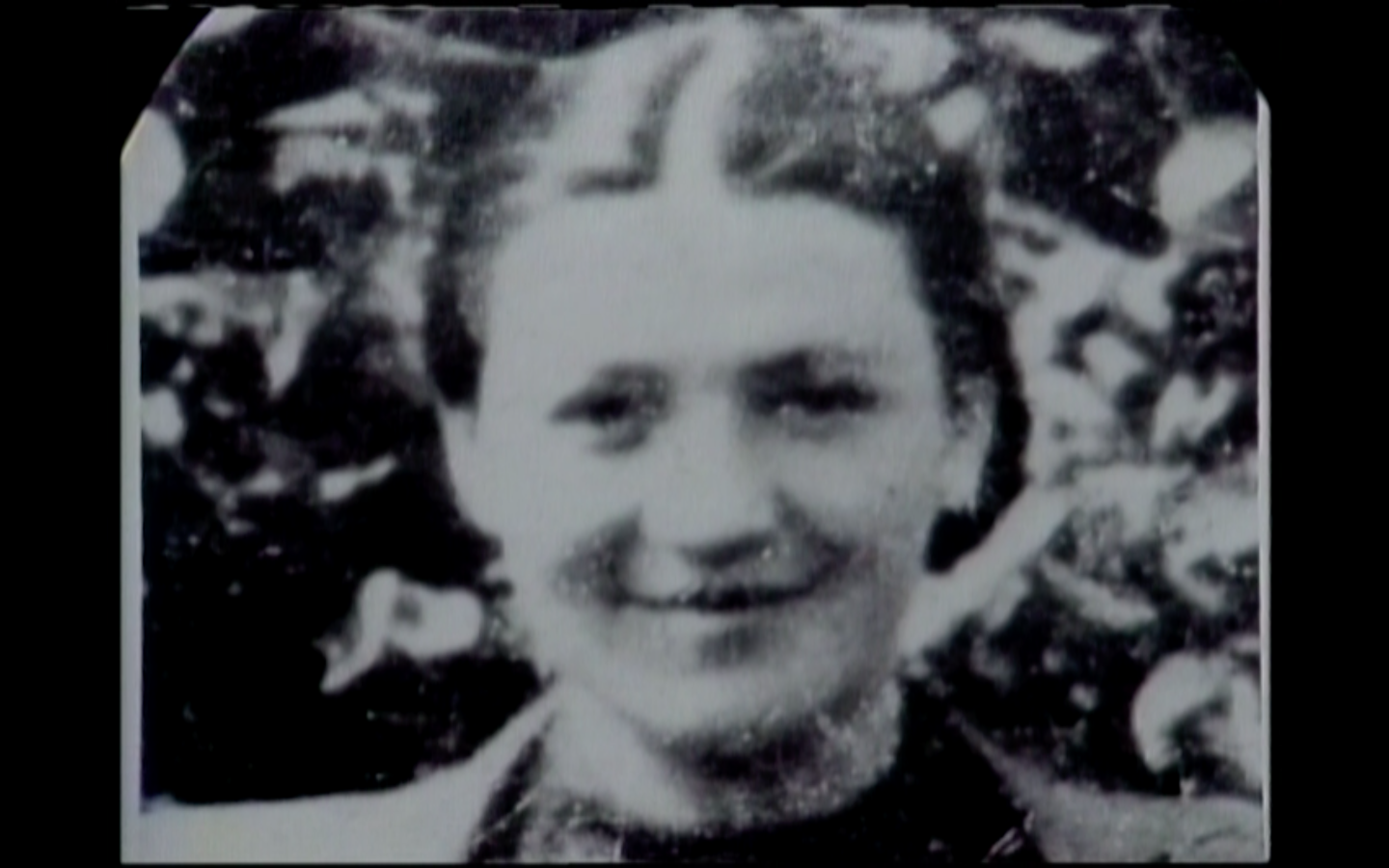
Wolf’s sister Rigina, the third of seven. She didn’t survive.
W. Hall Gallery 3
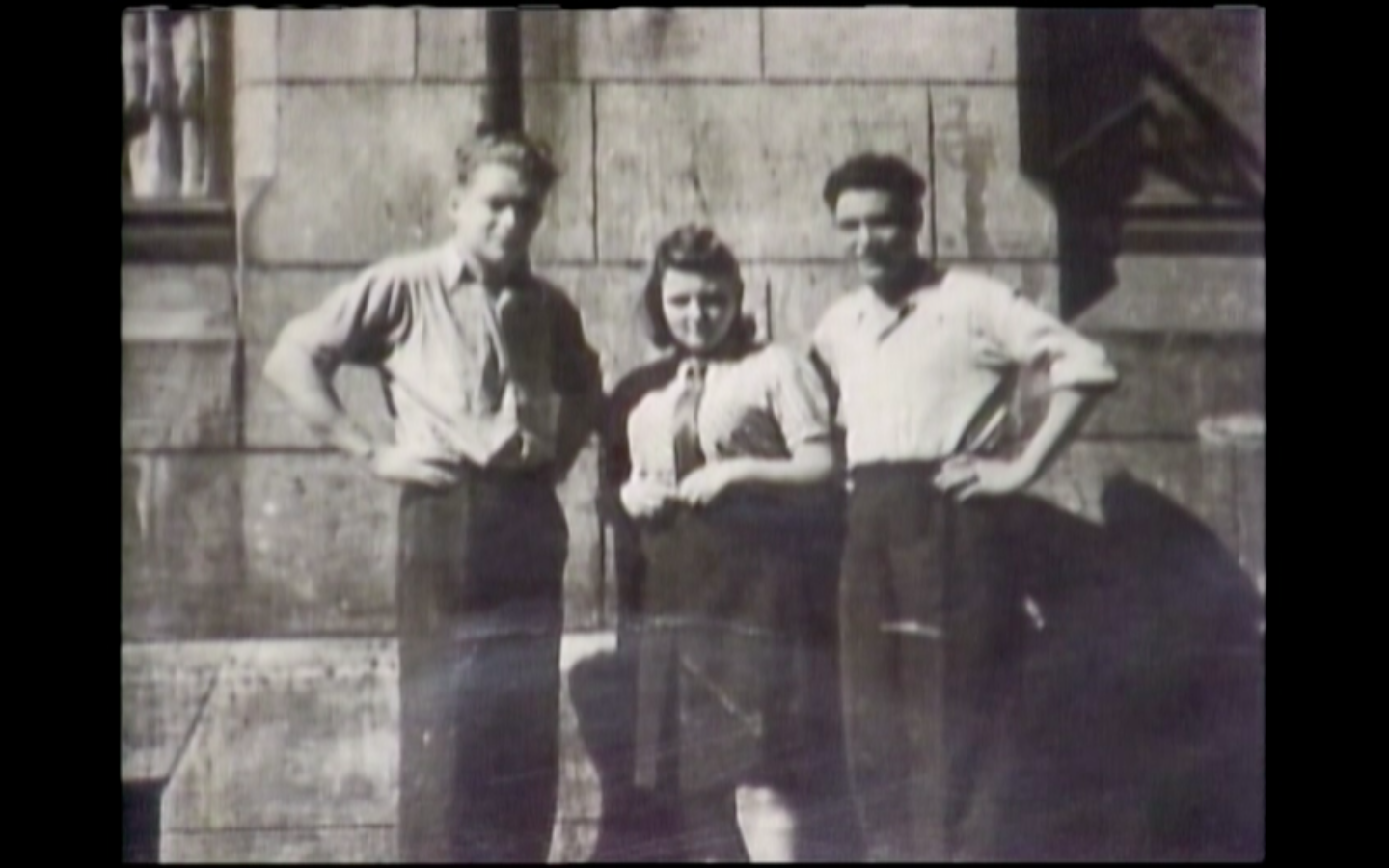
Wolf on the right of the picture, wife Frieda in the middle, and Wolf’s friend Ludwig on the left. Lodz, Poland 1945.
W. Hall Gallery 4
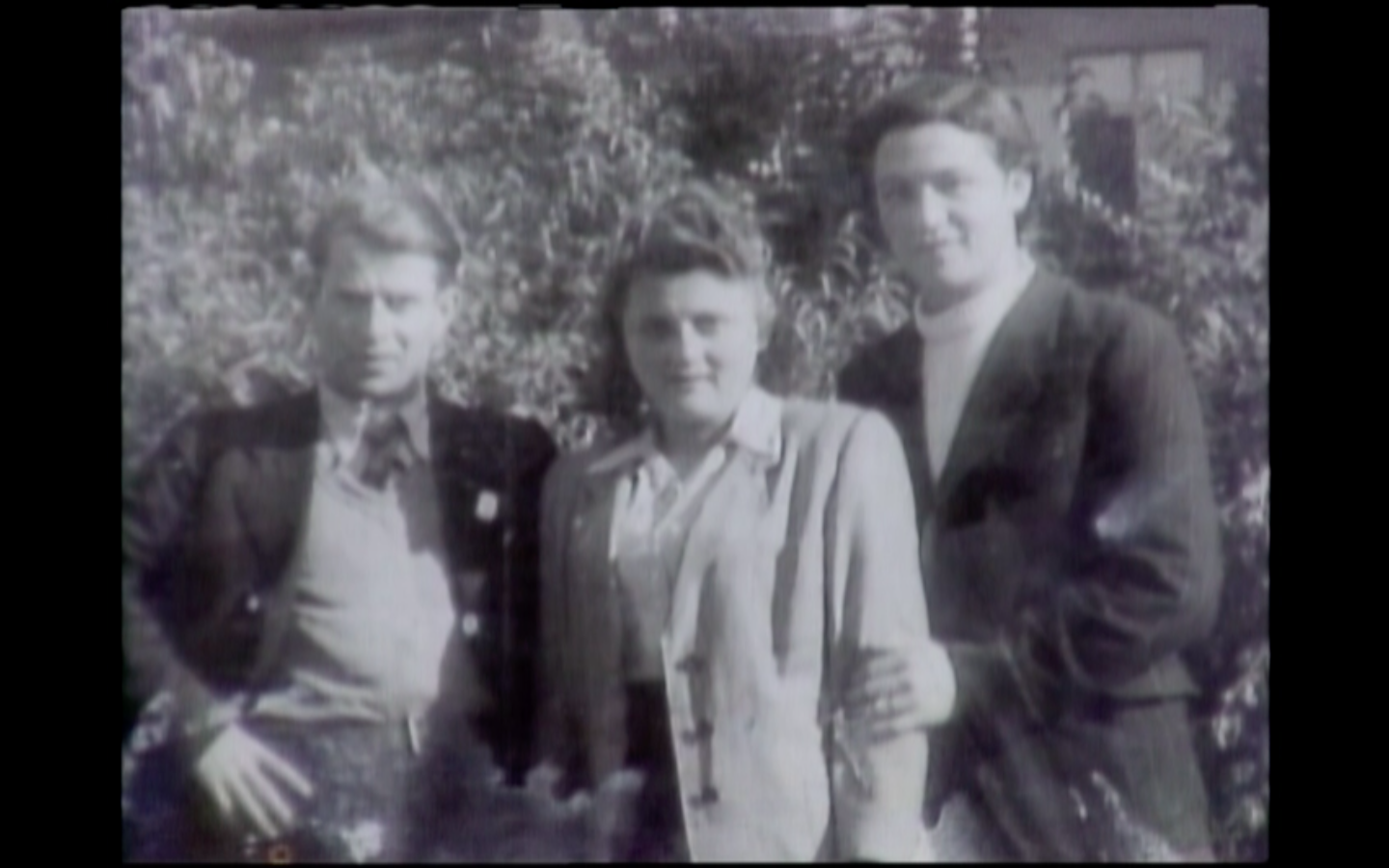
Wolf (19 years old) is on the right, Frieda in the middle, and their friend Mortala is on the left, together in a DP Camp in Germany 1947.
W. Hall Gallery 5
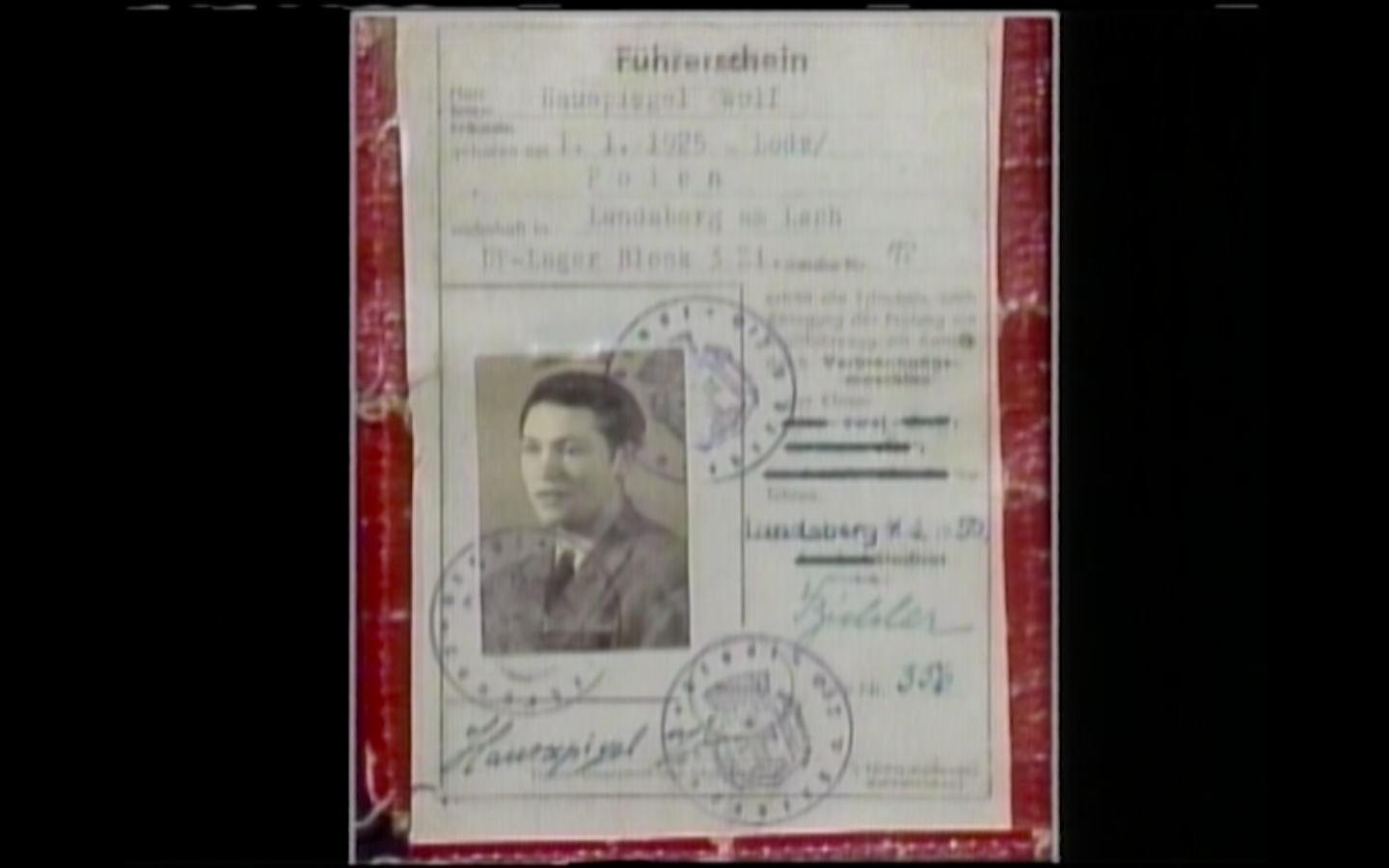
Wolf’s German issued driver’s license.
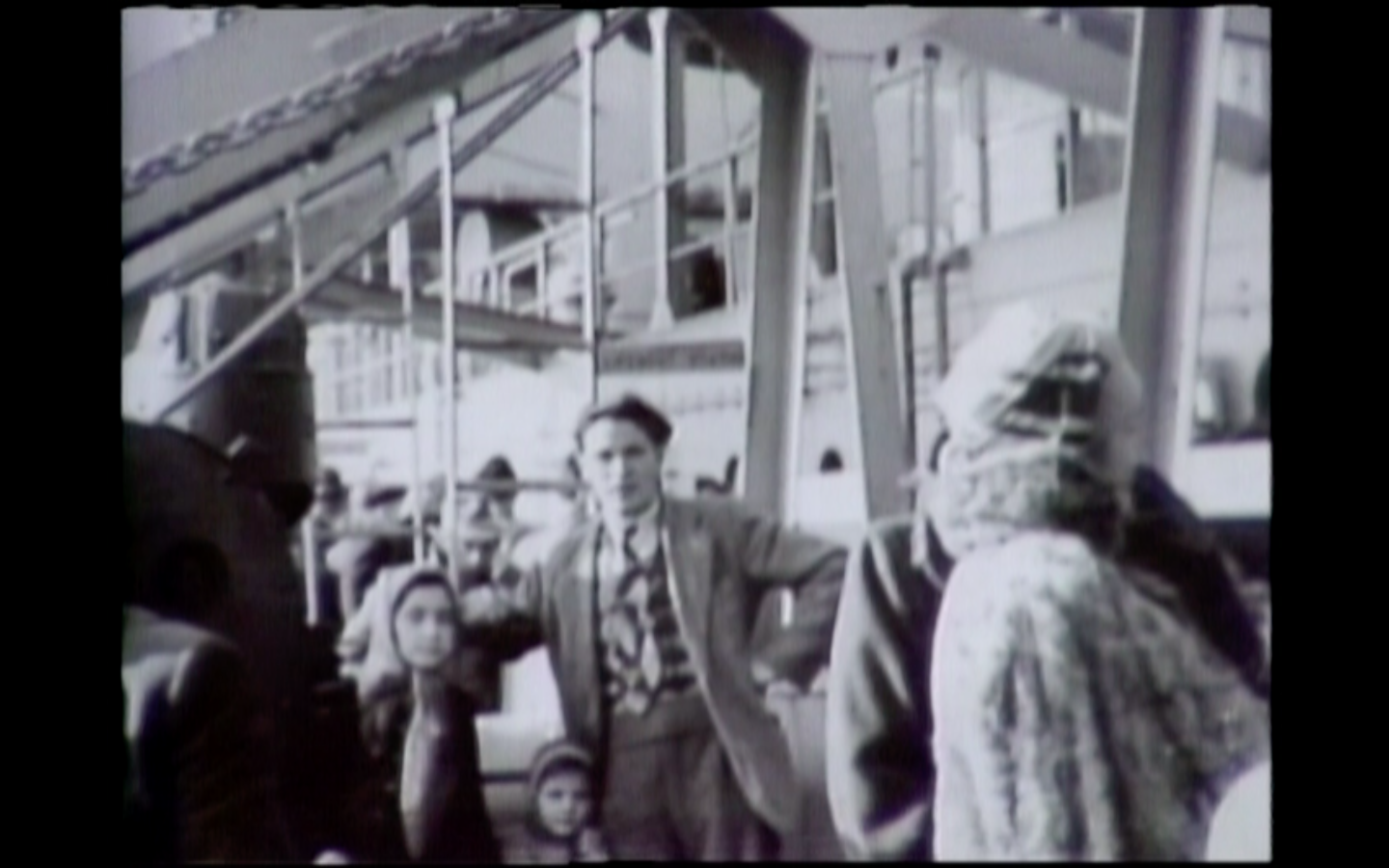
W. Hall Gallery 6
Wolf and his daughter Mary coming to USA on the Ship General Blatchford. New York, 1950.
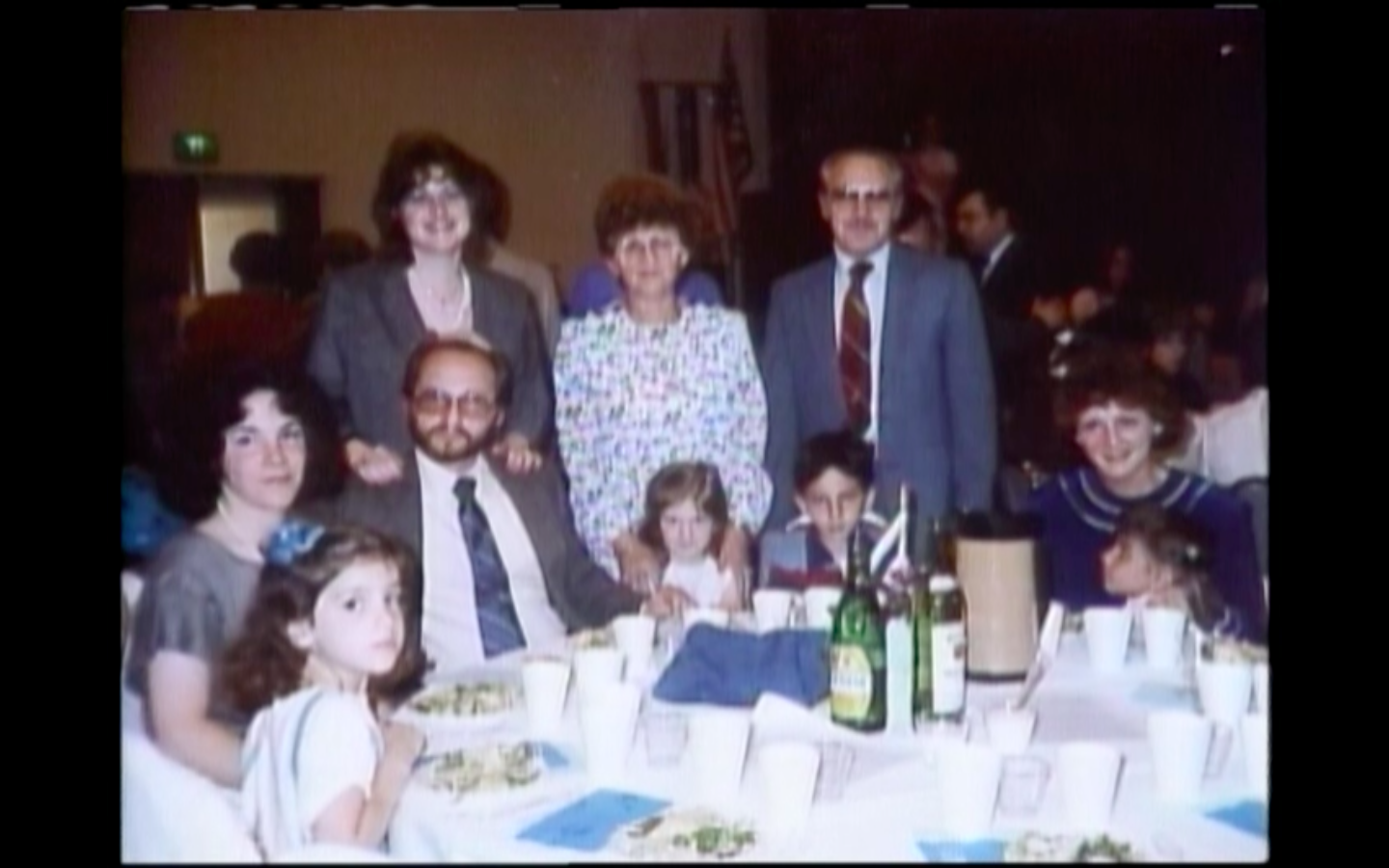
W. Hall Gallery 7
Frieda and Wolf Hall with their family at a survivor gathering, 1980s.
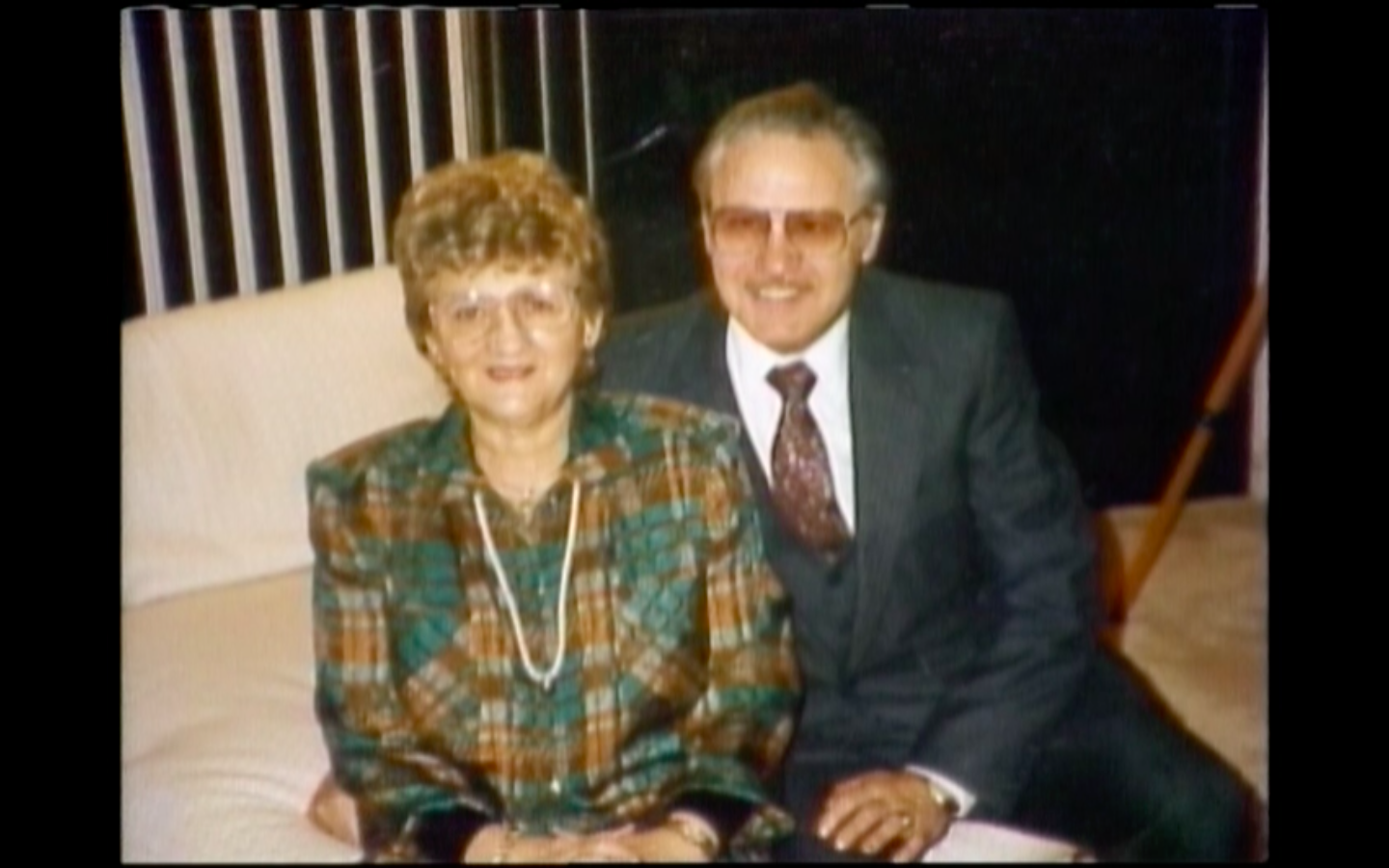
W. Hall Gallery 8
Wolf and Frieda Hall, 1990.
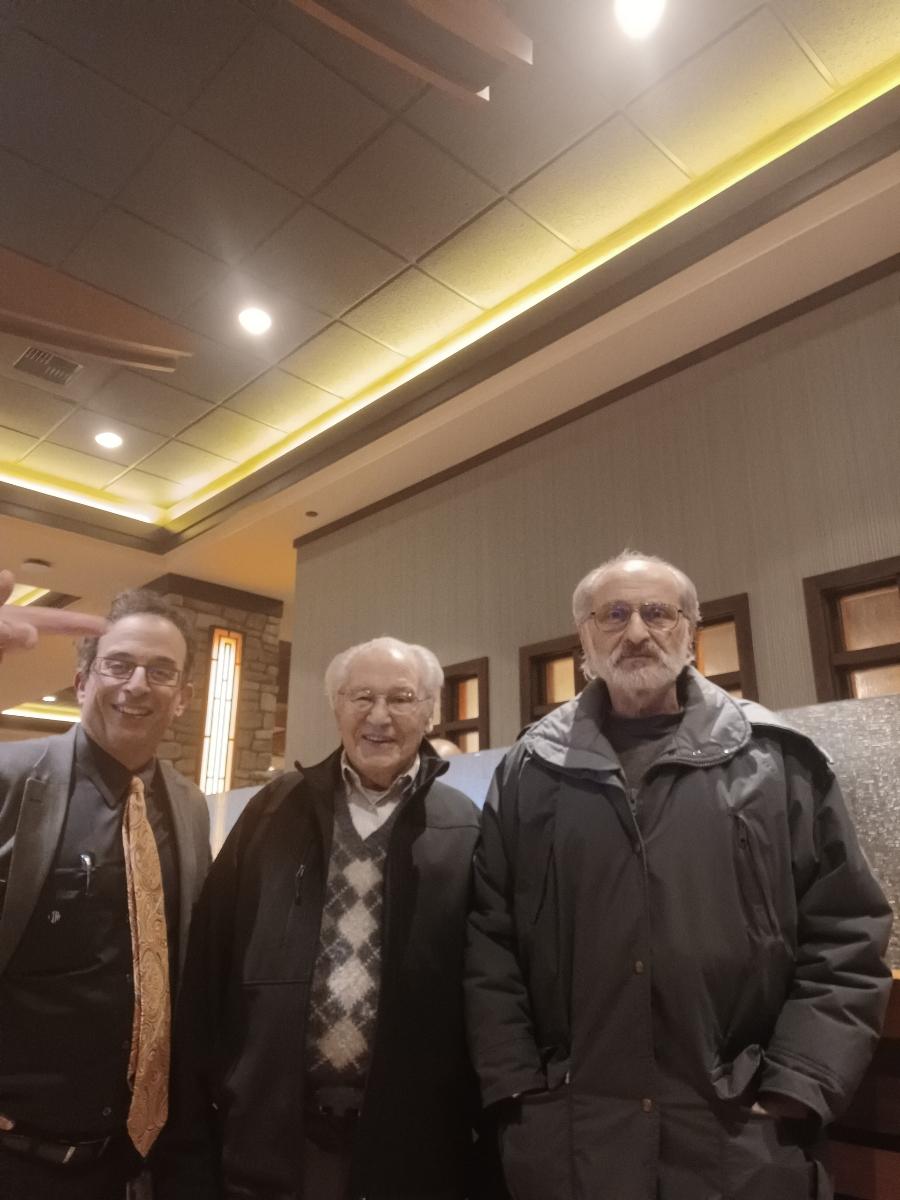
W. Hall Gallery 9
Wolf Hall with his son Chuck and community member Albert Israel at Snoqualmie Casino in 2023.
W. Hall Gallery 10
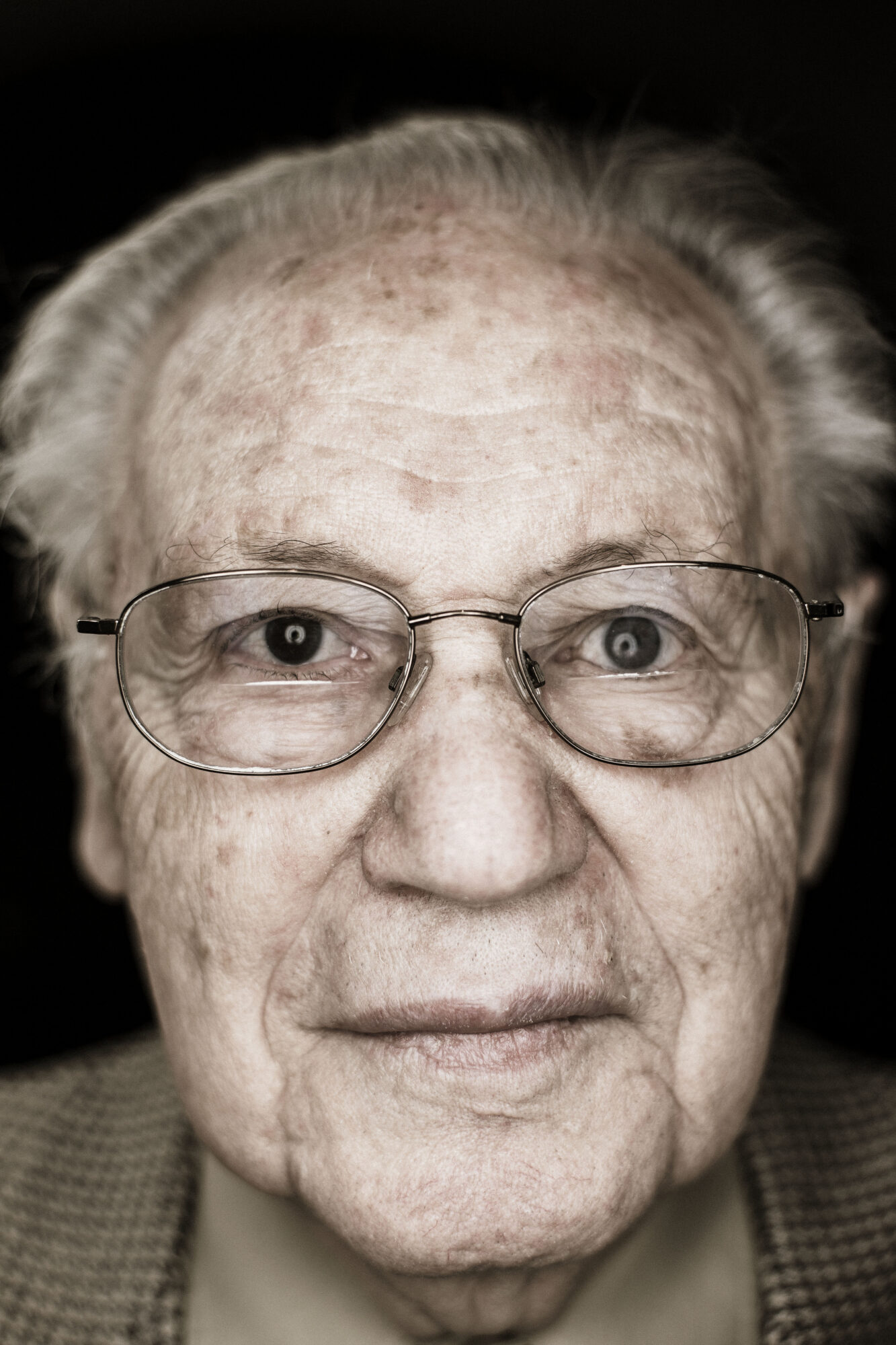
A portrait of Wolf Hall taken by German-Italian artist Luigi Toscano as part of the “Lest We Forget” exhibition. 2019.