Peter Damm
1931-
“I was seven and a half years old on Wednesday, November 9th, 1938, when I noticed the reflection (of) fires burning Jewish buildings and synagogues in the clouds above. That was the end of my childhood.” –Peter Damm
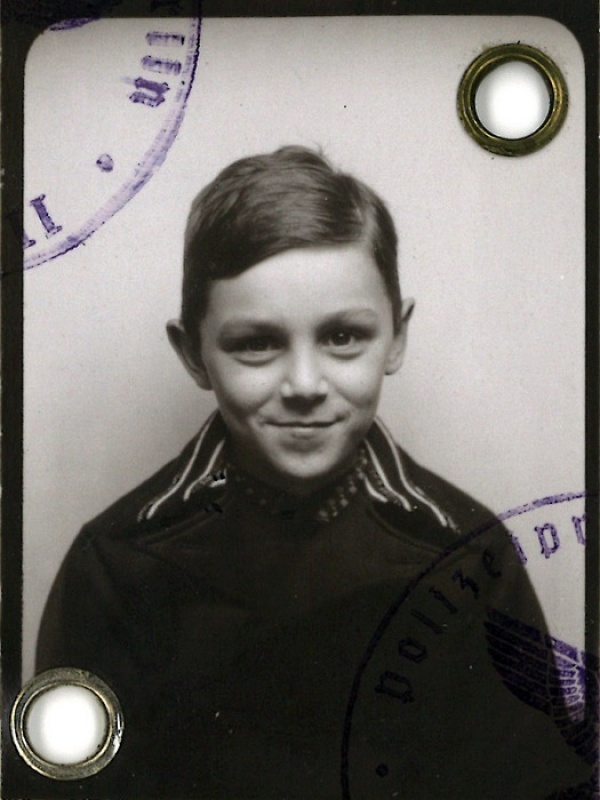
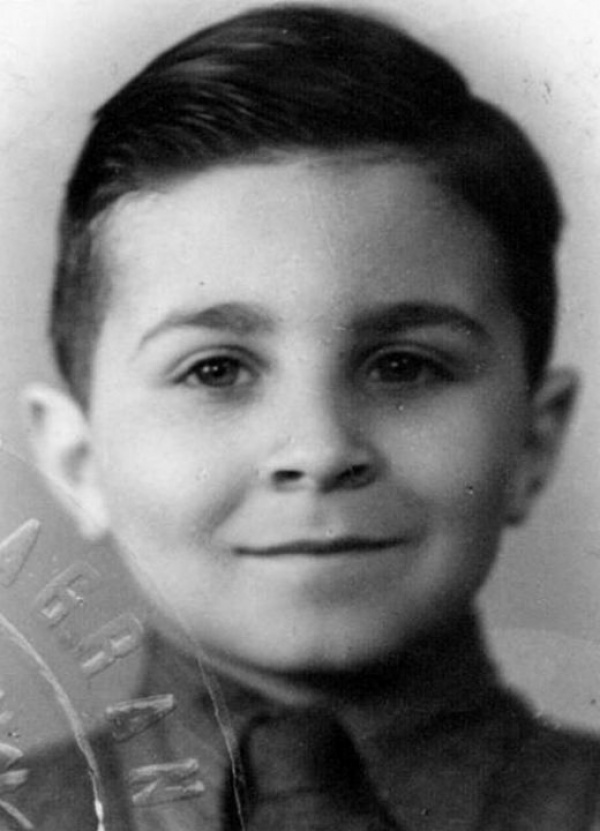
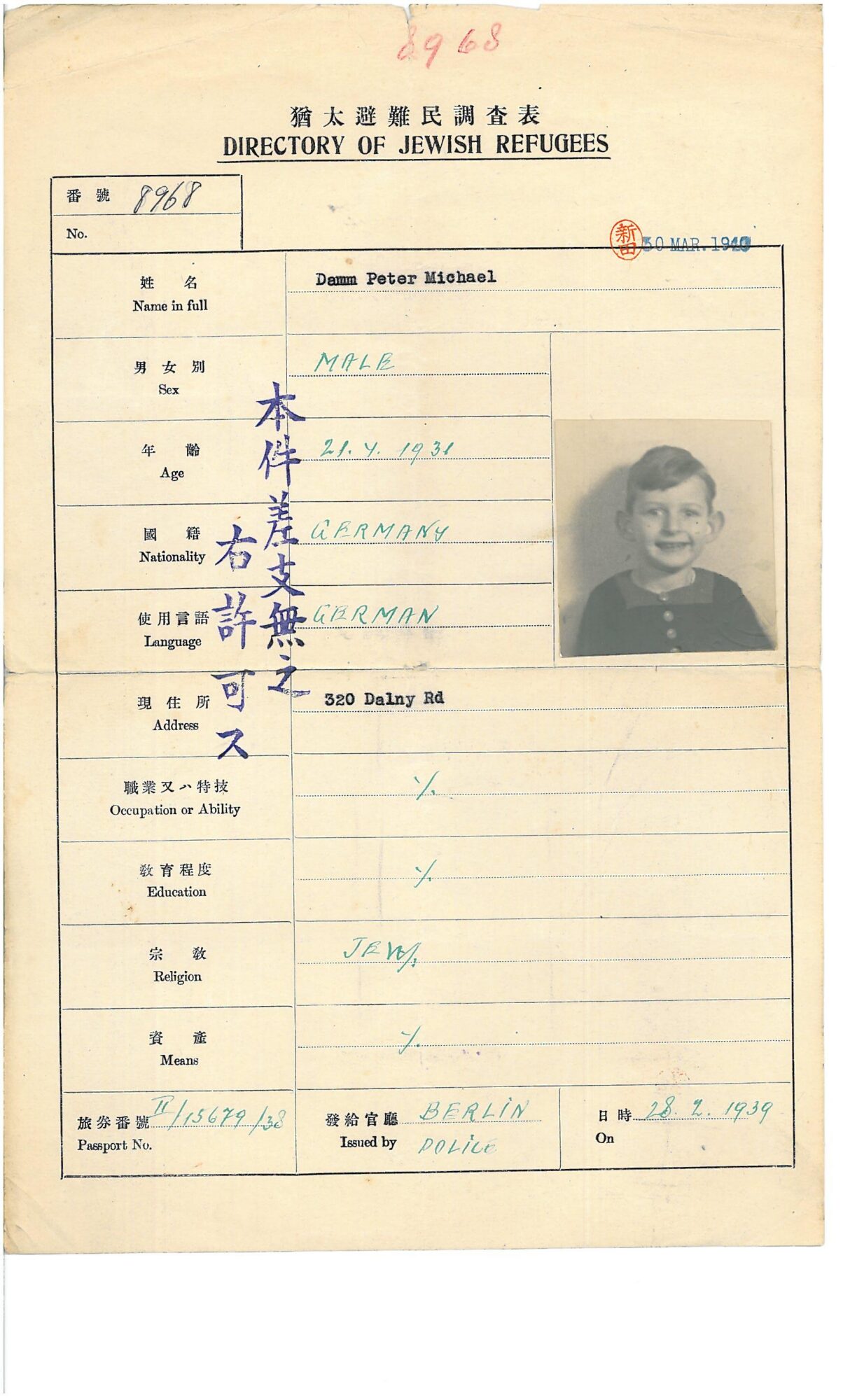
Peter Damm was born on April 21, 1931 in Berlin, Germany. By the time he was four years old in 1935, he became stateless along with all German Jews, who were stripped of their citizenship. Despite his father’s position as a well-respected physician in their community, his father was arrested along with up to 30,000 other Jewish men and taken to the Buchenwald concentration camp on November 10th, 1938. This night of mass arrests of Jewish men and mass destruction of Jewish property became known as Kristallnacht. Peter’s mother was able to raise funds to pay a ransom for his release in the middle of March 1939. This event convinced the family that they were no longer safe in their own country and they began to plan their escape.
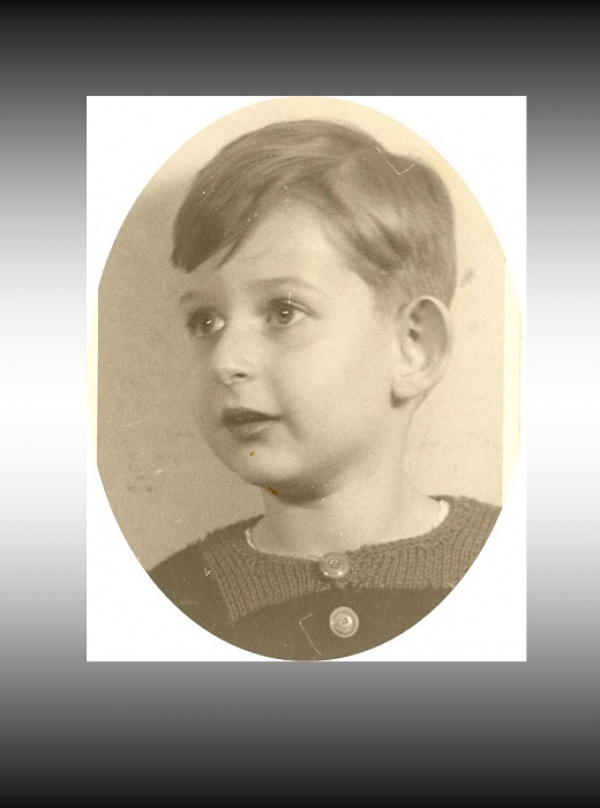
That same year they began planning to leave Germany and escape increasing persecution. They traveled from Berlin through the Brenner Pass to Trieste, Italy. From there they went by ship via the Suez Canal and eventually arrived in Shanghai, China. Shanghai, then under Japanese control, was the only place in the world that didn’t require a visa for entry. In Shanghai, summer temperatures soared to 110 degrees with almost unbearable humidity day and night, mosquitos and flying cockroaches. Arriving in Shanghai on June 6, 1939, the family moved to the French concession, where Peter’s father was hired as a physician for a missionary school run by American and British missionaries for Chinese students. This stint ended when the missionaries were interned as prisoners. At that time, Peter and his family were forced to move into the Hongkew Ghetto District– a 1.5 square mile area that housed about 20,000 Jewish refugees and destitute Chinese families. Peter shared one small room with his father, mother, and sister.
“The living conditions in Shanghai were very sad. We had no electricity… No cooling. No refrigeration. No hot water and of course no lights…The diseases were rampant. So cleanliness was utmost.”
His father practiced medicine and made house calls from the one room in which they lived while Peter attended the Shanghai Jewish Youth Association School. There, Peter continued to study German, English, Hebrew, French, Japanese, Chinese, arithmetic, and geography during the U.S. occupation of Japan. Peter’s father died in August 1944 before the entire family could emigrate.
“I decided to speak about my trip and my life in Shanghai because not much is known about the twenty-thousand Jews that lived in Shanghai because they had to escape.”
Peter, his mother, and sister received visas to come to the United States in 1947, eight years after arriving in Shanghai. Today Peter lives with his wife Esther in Seattle. He has four sons, one daughter, two grandchildren and two great grandsons.
Video Testimony – Peter Damm
Travel to Shanghai
Hongkew
Necessities for Living
They Took My Father
Full Testimony (2009)
Photo Gallery – Peter Damm
P. Damm Gallery 1
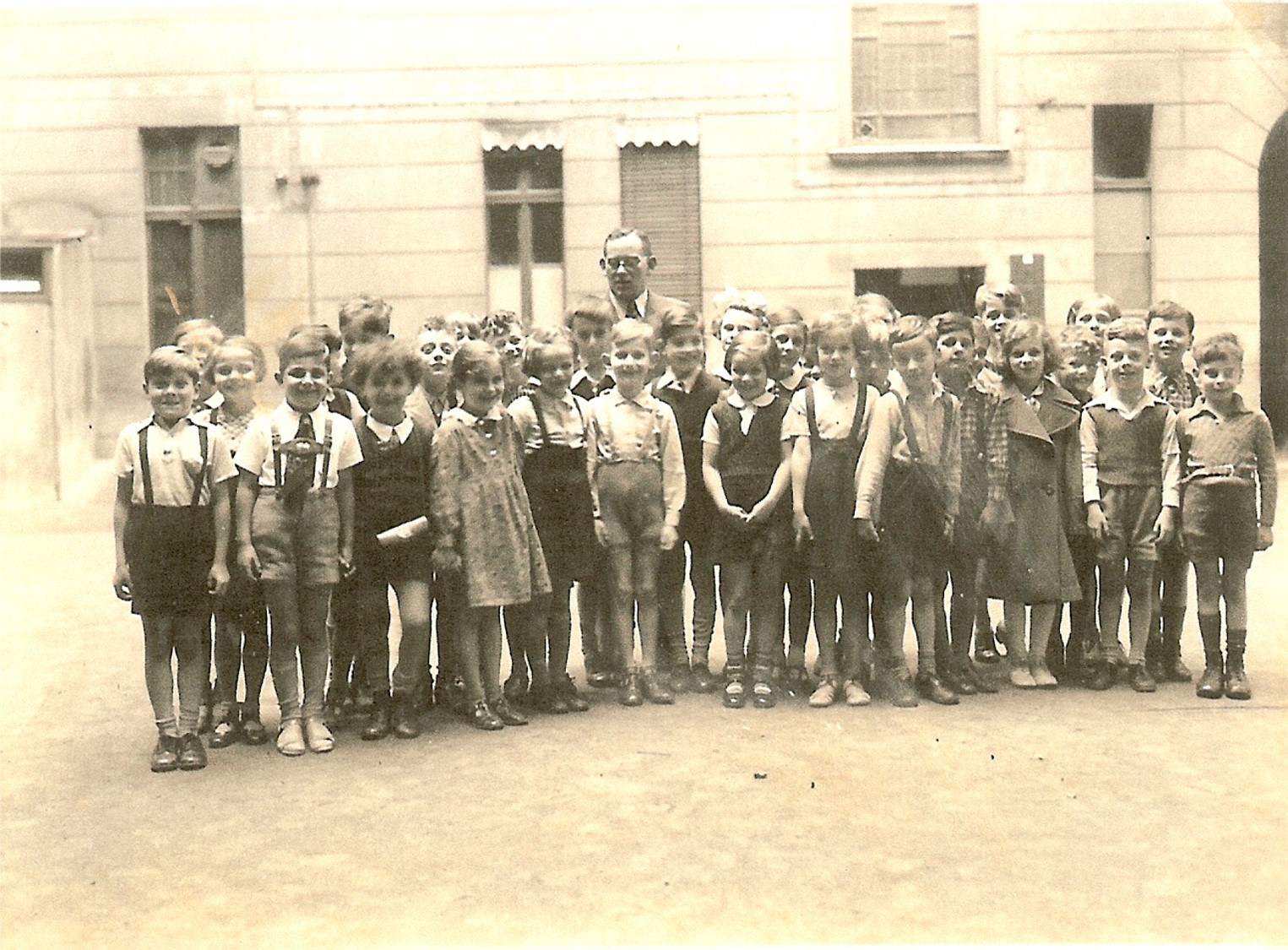
Peter attended the Shanghai Jewish Youth Association School. The photo is from 1939. Peter is in the front row, sixth from the left.

P. Damm Gallery 2
Peter Damm, age 6, in 1937 on a horse while visiting his grandparents’ small farm in Poland.
P. Damm Gallery 3
P. Damm Gallery 4
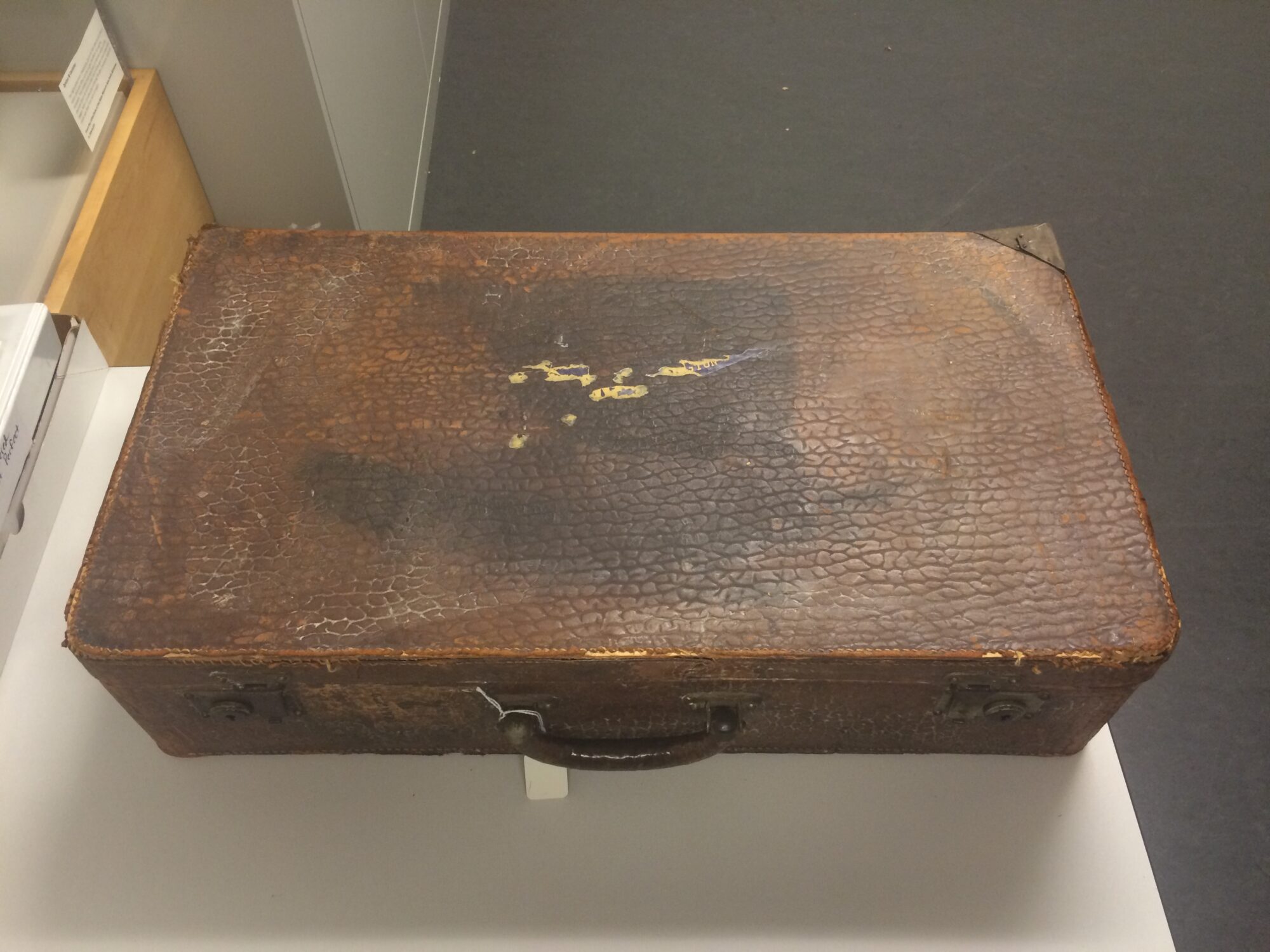
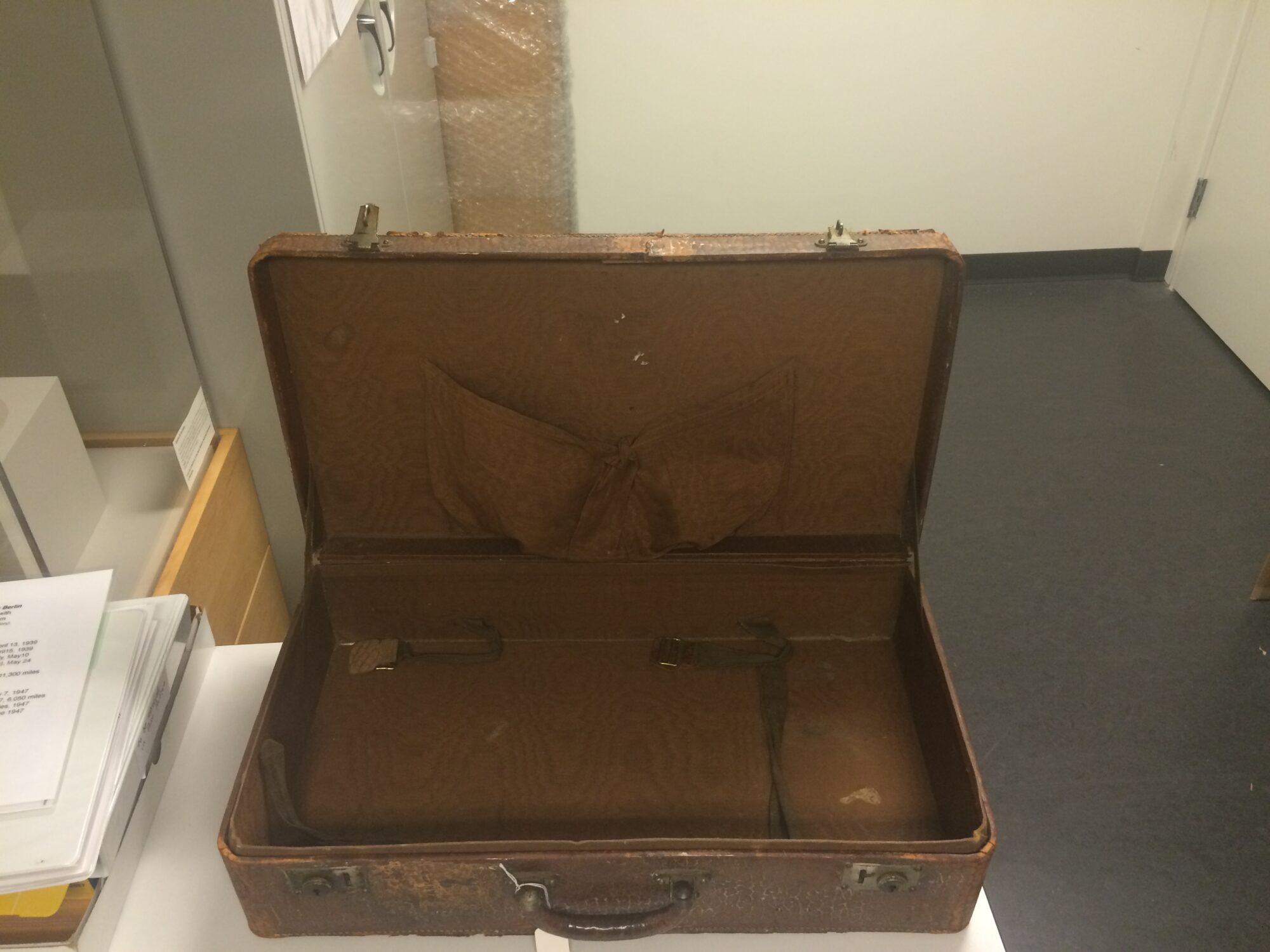
Suitcase used by Peter when he left Germany and fled to Shanghai.
P. Damm Gallery 5
Inside of Peter’s suitcase.

P. Damm Gallery 6
Shanghai money.
P. Damm Gallery 7
Peter’s grades in school in Shanghai, 1940.
P. Damm Gallery 8
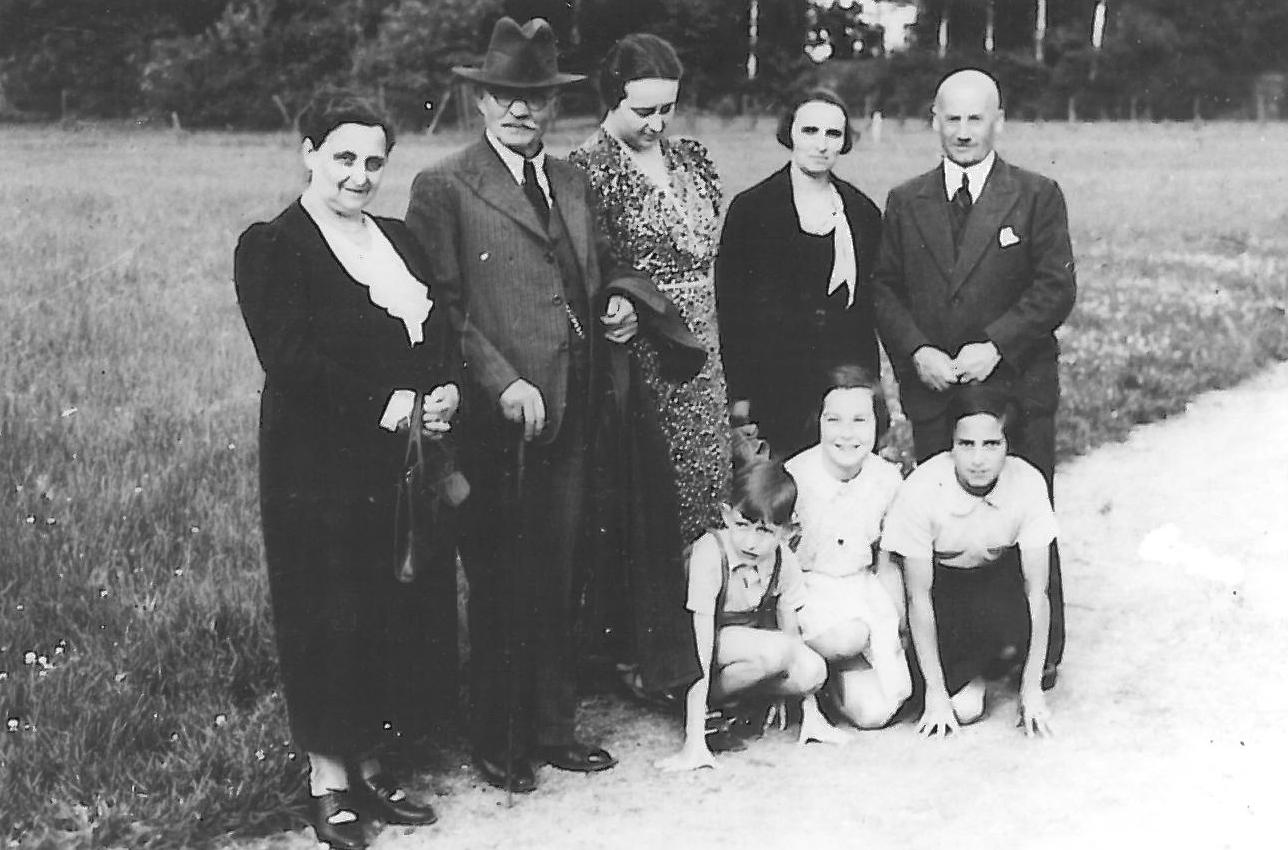
The last time that Peter’s father saw his parents in the summer of 1938. From left to right: Peter’s parental grandparents, Peter’s mother, Peter’s aunt and uncle, Peter, his sister Eva, and his cousin Mimi.

P. Damm Gallery 9
Peter at Olympic High School, 2009.
P. Damm Gallery 10
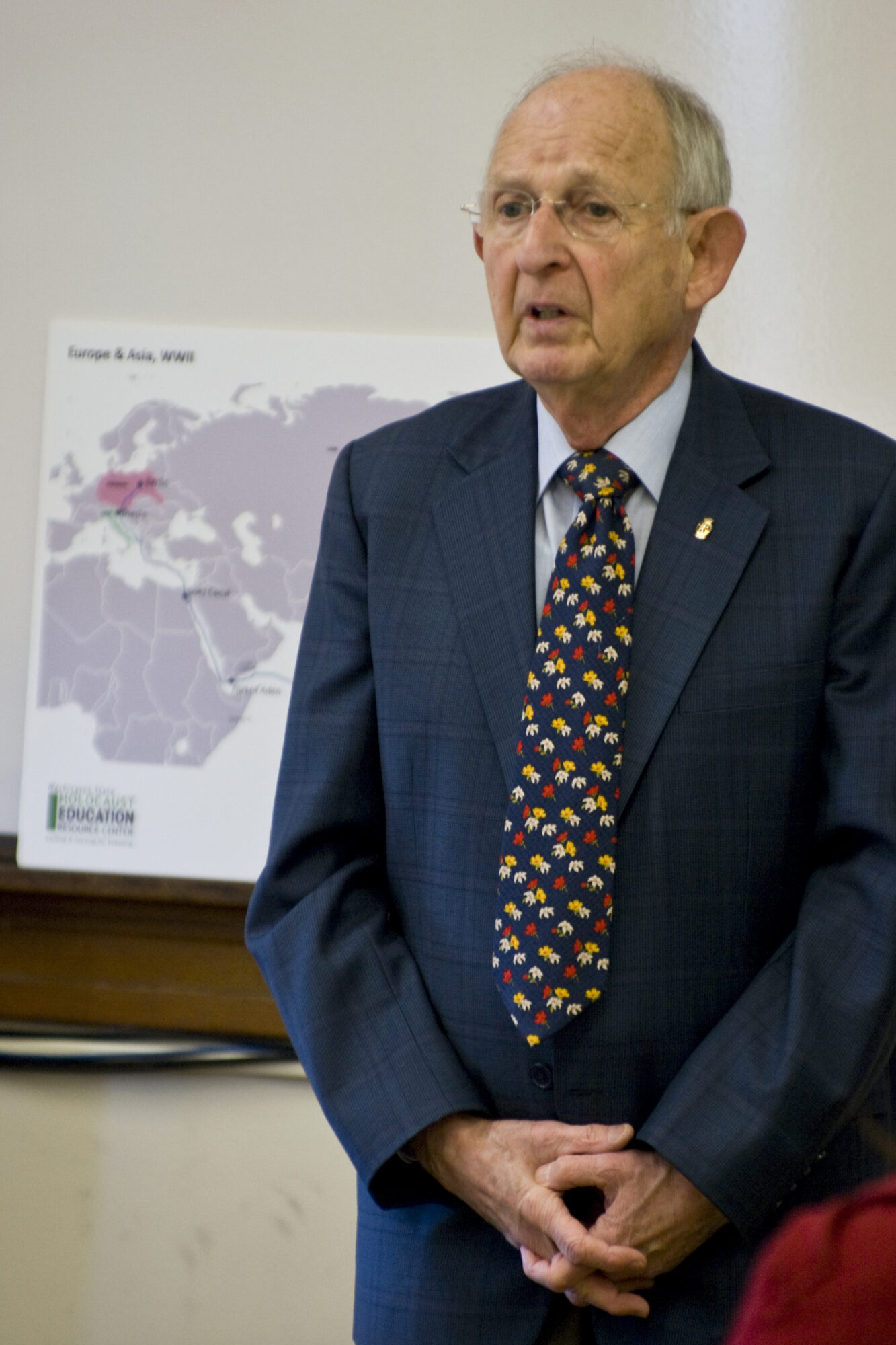
Peter presenting his experiences during the Holocaust, 2010.