Marian Zelman
1919-2004
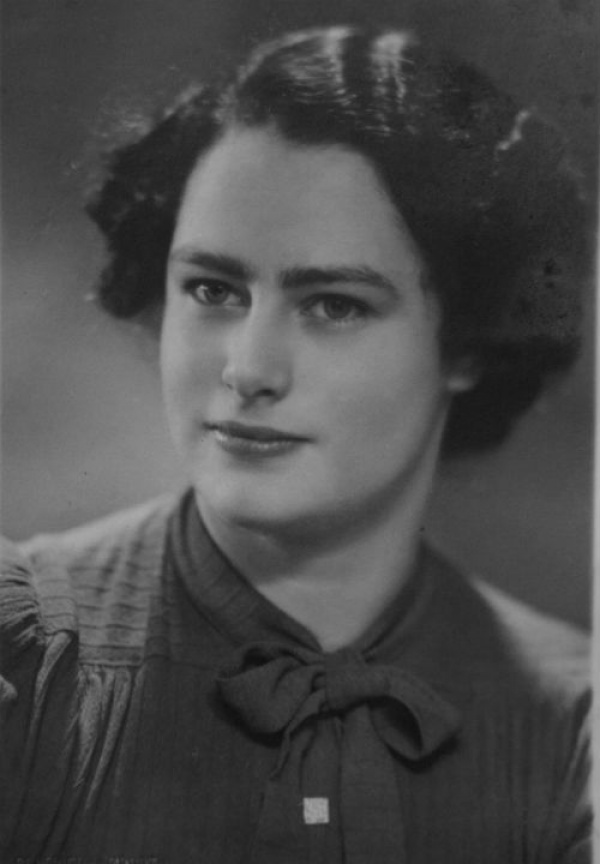
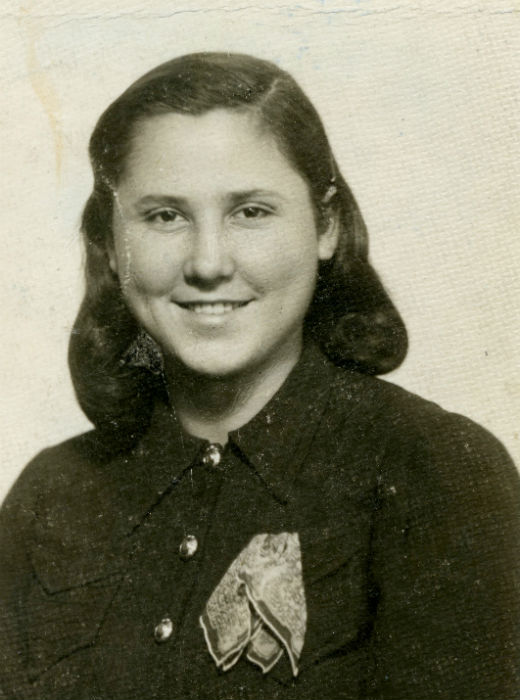
Marian Zelman (born Majer Zelman) was born on August 19, 1919, in Lodz, Poland. He was the youngest of five children born to Gabriel and Blima Zelman. His father was a professional bookbinder who owned a factory and office supply store. Marian grew up in a comfortable middle-class home and attended Hebrew school, where he received both a general education and religious instruction. Before the war, Marian lived a stable life surrounded by his family in one of Europe’s largest Jewish communities.
On September 1, 1939, Germany invaded Poland. While Marian was out with his mother, he noticed the local police station had been abandoned. A sign encouraged all men over 18 years old to report to Warsaw to defend Poland. Marian and three of his brothers answered the call, but by the time they reached Warsaw, the city had already been heavily bombed. They returned to Lodz, only to find it occupied by German forces.
Soon after, Jewish families were forced from their homes and moved into the Lodz Ghetto, sealed off in April 1940. Life in the ghetto was crowded and harsh. Multiple families shared small rooms with little food, poor water, no electricity, and almost no heat. Marian worked first tearing down abandoned buildings for fuel and later cutting leather for horse harnesses used by German wagons. He and other workers secretly saved small scraps to burn in stoves to keep warm.
On September 7, 1942, during the mass deportation known as the Sperre, the Nazis ordered all children, elderly people, and those unable to work to report for deportation. Marian’s mother, who had a heart condition, hid in their room because she feared she would be taken away. When Marian and his father returned home, they found her dead.
In August 1944, after nearly four years in the ghetto, Marian and other forced laborers were told they were being relocated to a factory in the mountains. Instead, they arrived at Auschwitz-Birkenau. Believing they had been taken to the wrong place, the workers tried to explain that they had been producing supplies for the German war effort. The guards ignored their explanations and began the selection process. During selection, Marian was chosen for forced labor while his father was sent in another direction. Marian never saw him again.
After a week in Birkenau, Marian was loaded onto a truck to Gleiwitz. From August 1944 to January 1945, he was forced to live and work under brutal conditions. He spent most of his time drilling deep holes for building foundations and helping construct a fence around the concentration camp to prevent prisoners from escaping.
In late January 1945, as the Soviet army advanced, the Germans began evacuating the camps. Marian was forced to march from Gleiwitz to Blechhammer. One night, an air raid caused a fire in the barrack. Because of the chaos, a roll call was ordered. During this assembly, Marian noticed that a gate had been left open. In that moment, he and two fellow prisoners seized the opportunity and escaped into the forest, running through deep snow without looking back.
In early February 1945, Marian made his way back to Lodz. He returned home hoping to find his family, but only one brother had survived. Most of his family was gone, leaving behind only his father’s tallis bag and a few hidden family photographs.
After the war, Marian rebuilt his life. He married Maya Mirski on June 6, 1946. She had survived the war in Russia. Together they had two daughters, Gabriella and Helina. Maya later died in 1964 at the age of 37.
Marian served in the Polish Army and worked in Warsaw in the coal and energy sector. Life in postwar Poland was difficult for Jewish survivors, and repeated efforts to emigrate were denied.
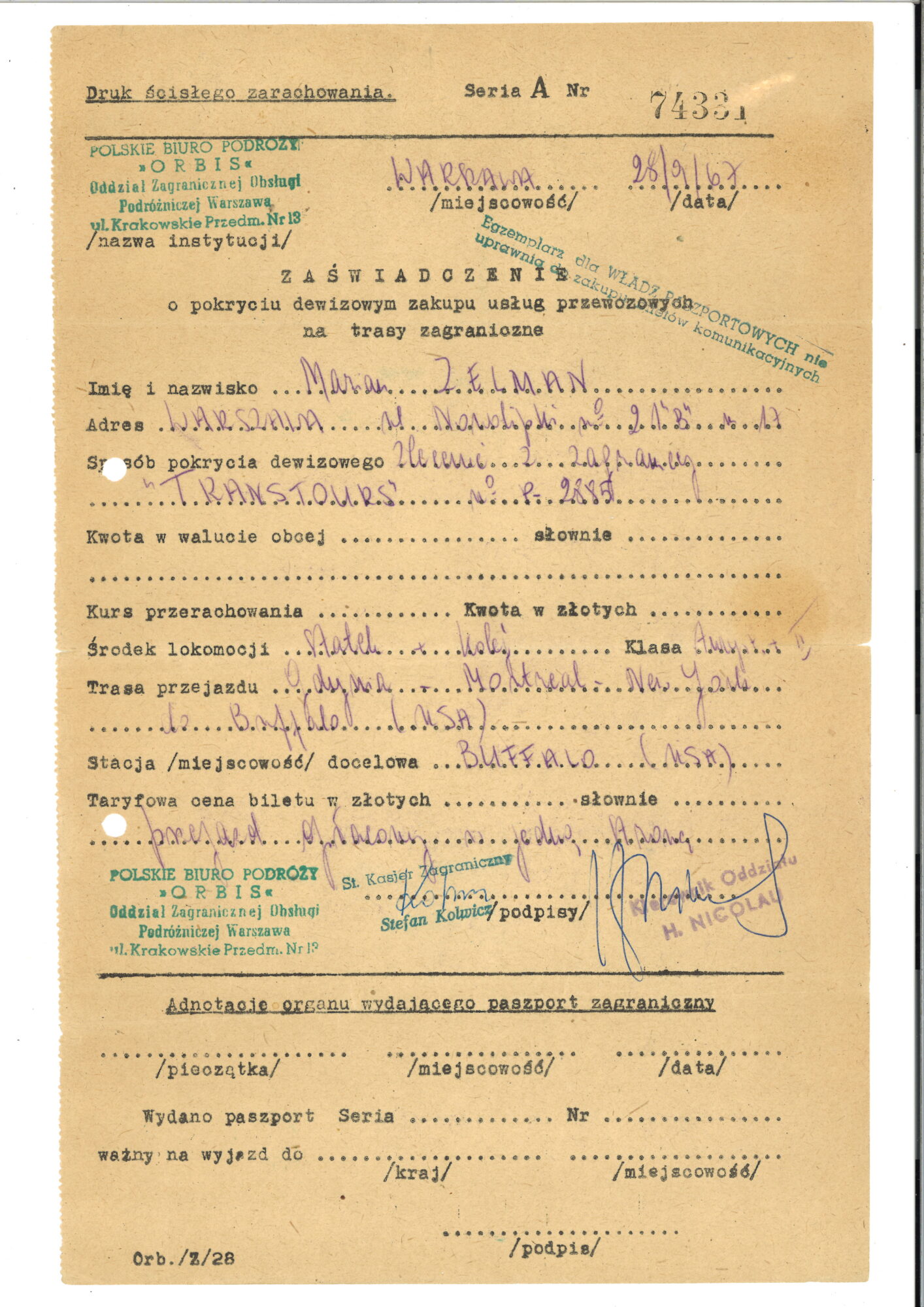
Finally, in 1968, he left Poland with his children and traveled to Vienna, Austria, where he waited for a visa. Eventually, he was able to immigrate to the United States, settling in Buffalo, New York. Later, he volunteered to drive a fellow survivor nearly 2,850 miles to Seattle, Washington. After completing the journey, he decided to stay. In Seattle, he found work and attended college to learn English.
Marian Zelman passed away on July 25, 2004.
Video Testimony – Marian Zelman
Allgemeine Gehsperre (General Curfew)
Arrival at Auschwitz and Selektion
Escape from Blechhammer
Full Testimony (1992)
Photo Gallery – Marian Zelman
M. Zelman Gallery 1
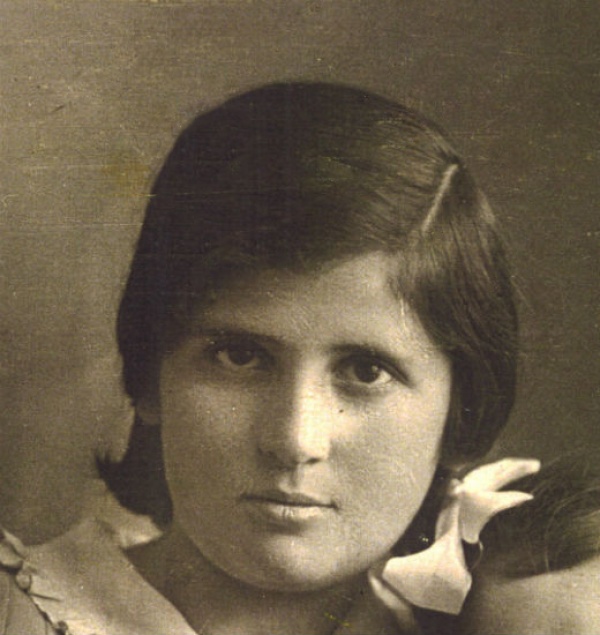
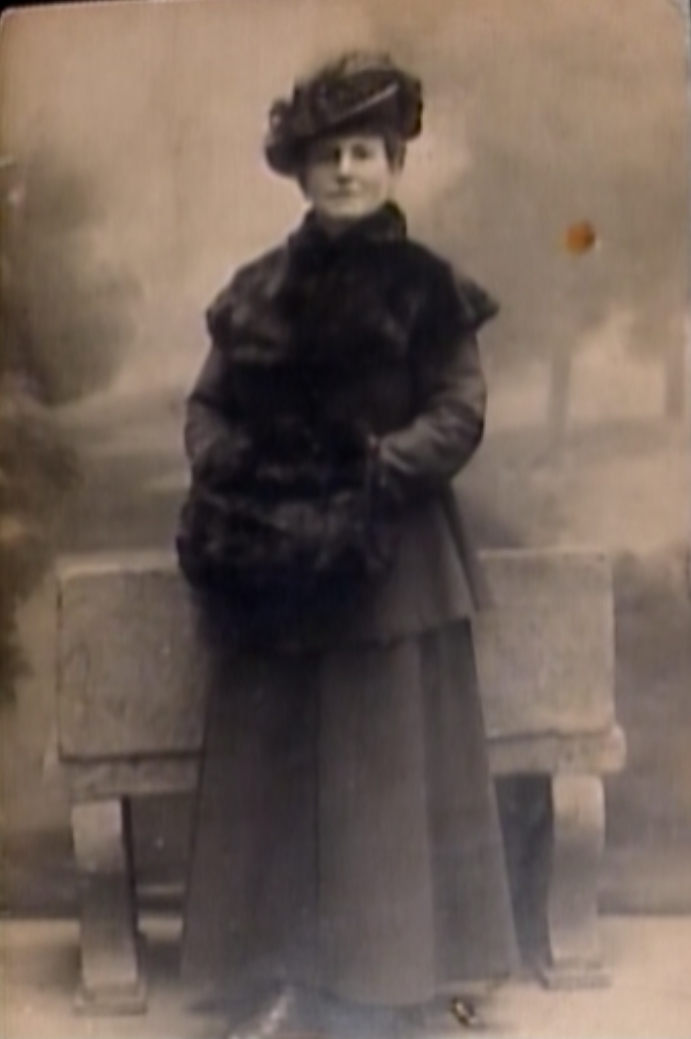
Marian’s maternal grandmother, Laura Bowenstein.
M. Zelman Gallery 2
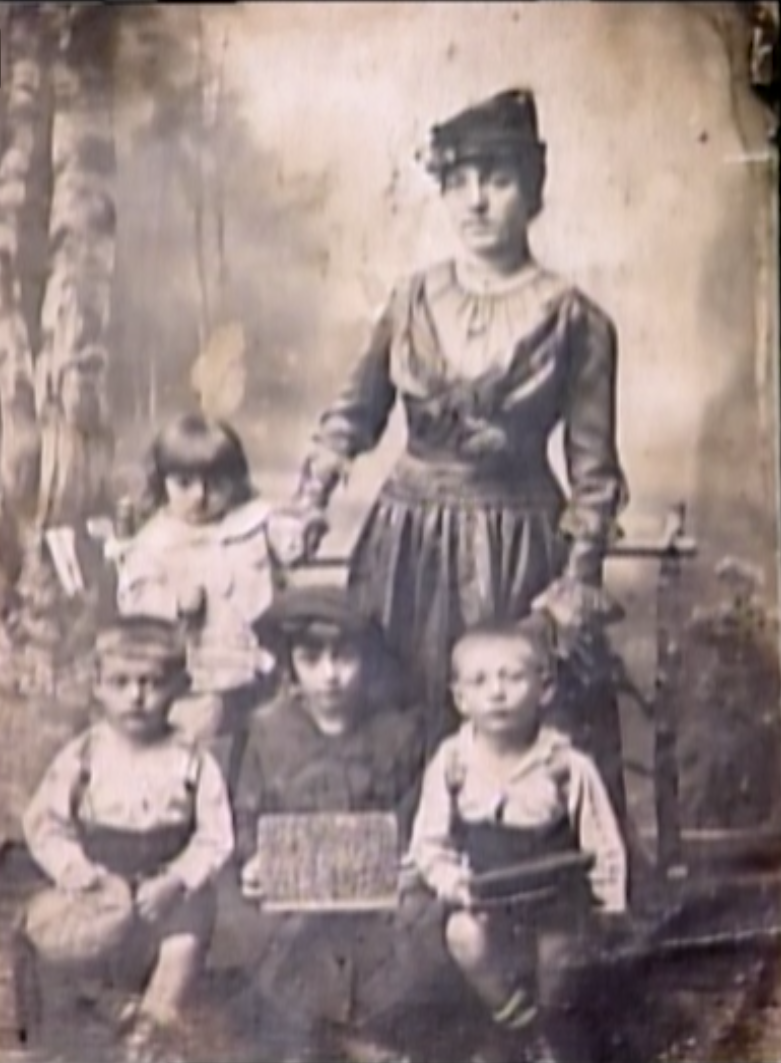
Marian’s mother with his four older siblings, 1917. From left to right: Joshua, Balcza, and Moishe. Jacob is standing next to their mother.
M. Zelman Gallery 3
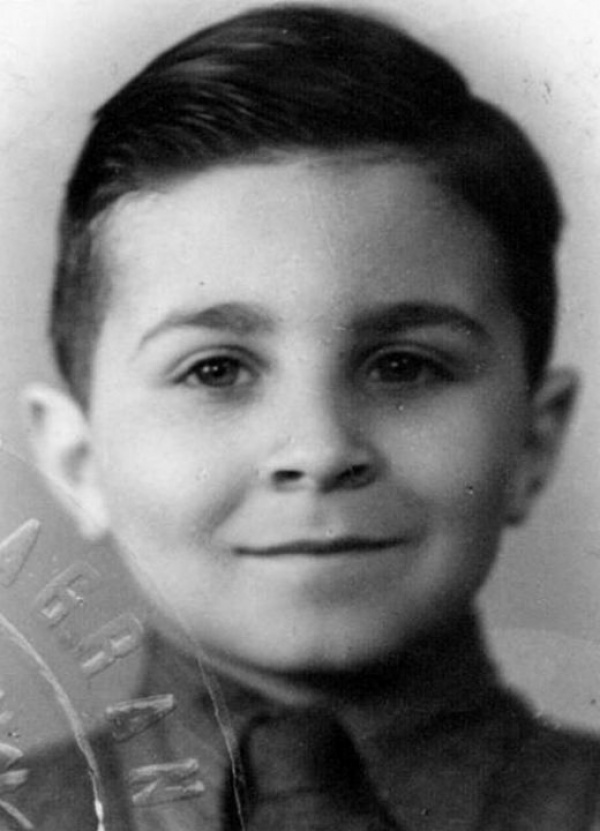
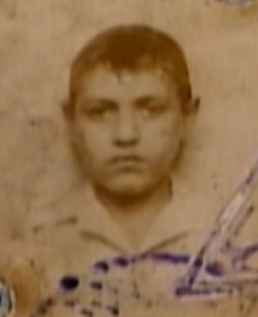
Marian’s student identification picture, which allowed him to pay lower fares.
M. Zelman Gallery 4
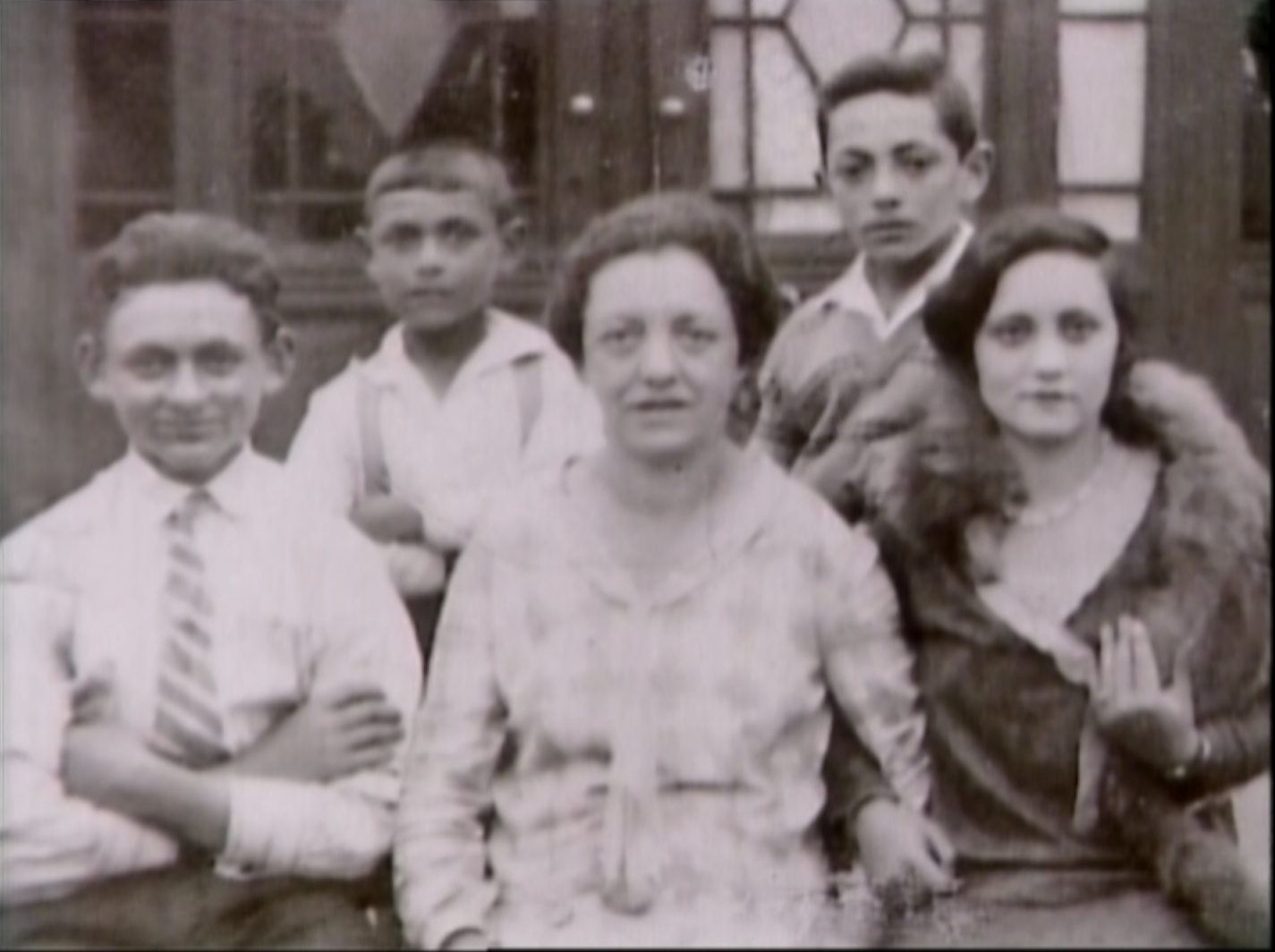
Marian (8 years old) with mother and three of his siblings in front of their family home, 1927-28. Bottom row, right to left: Balcza, Blima, and Joshua. Top row, right to left: Jacob and Marian.
M. Zelman Gallery 5
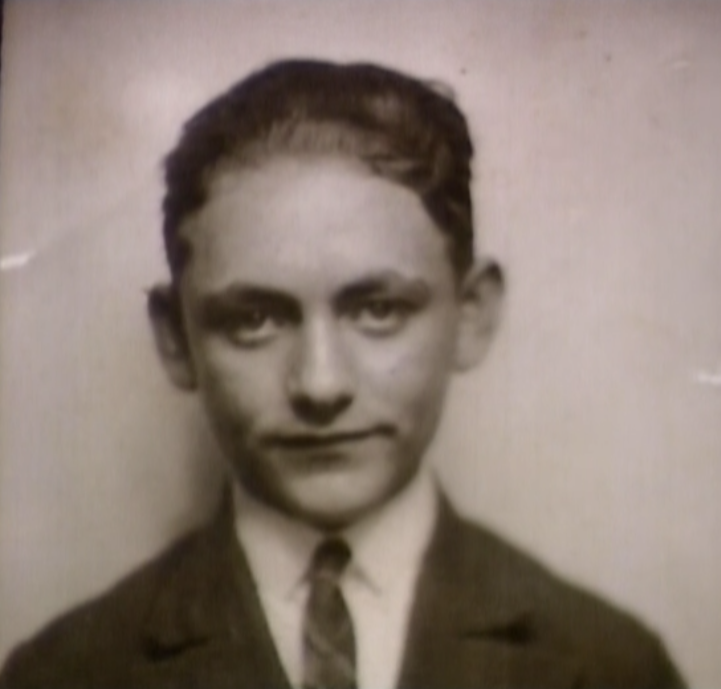
A photo of Marian’s brother Joshua at 17-18 years old. He died during the war.
M. Zelman Gallery 6
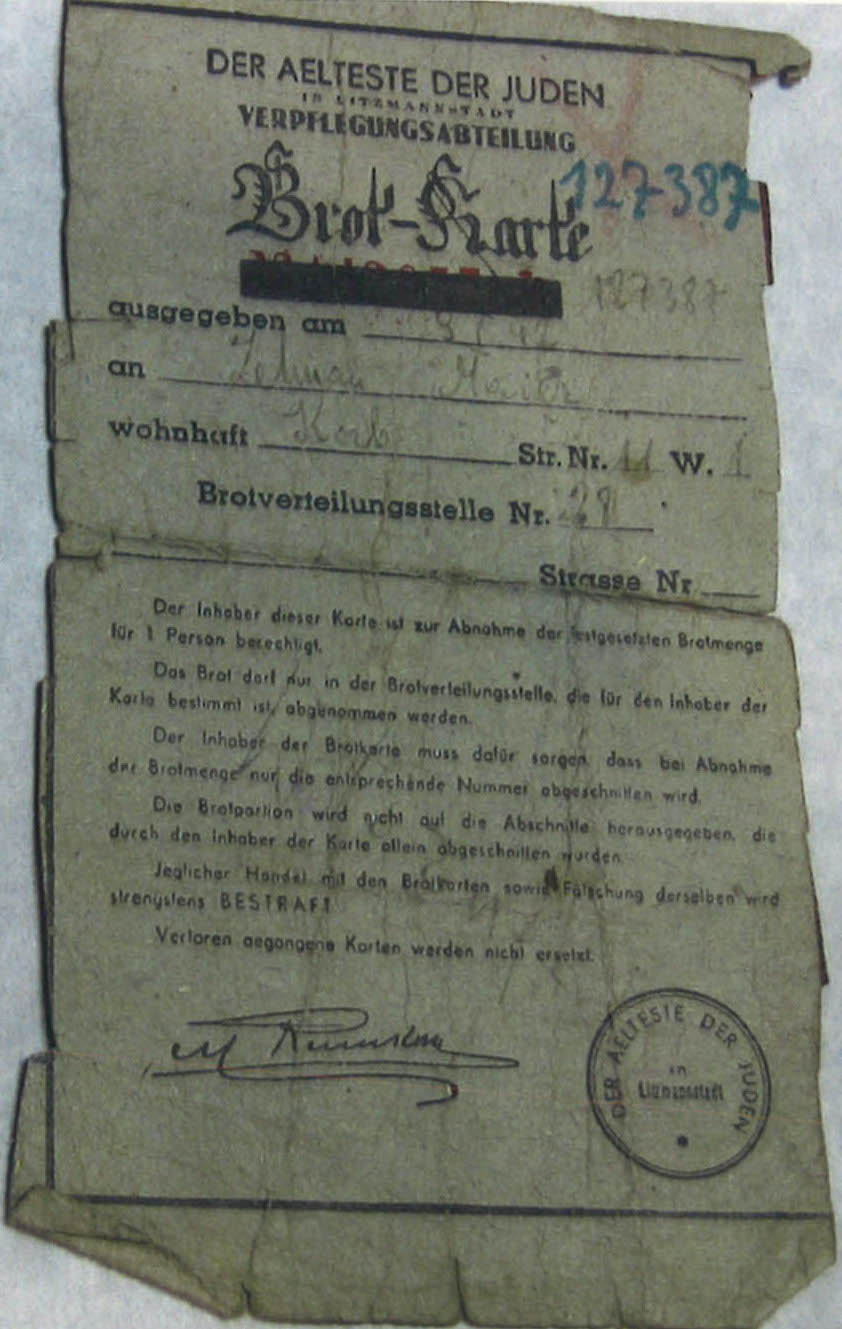
Marian’s bread ration card.
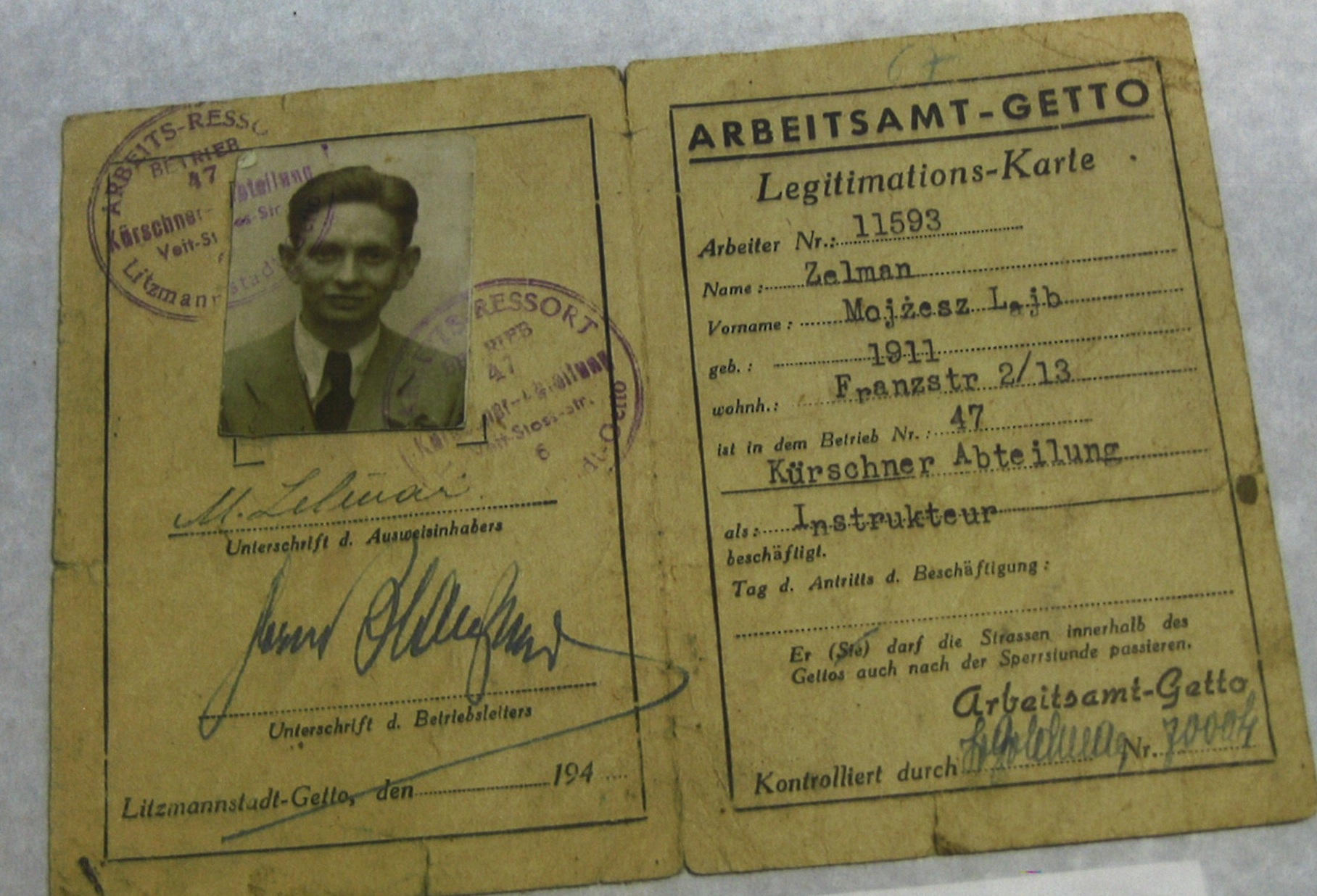
M. Zelman Gallery 7
Identification card issued by the Lodz Ghetto Labor Office for Marian’s oldest brother Moishe.

M. Zelman Gallery 8
A photograph of the people in the Lodz ghetto, 1940. In the middle, wearing a hat, is Mrs. Olstein. To the right is Mr. Olstein. Marian is above Mrs. Olstein. The Olsteins organized a kitchen in the ghetto to feed people without rationing cards.

M. Zelman Gallery 9
Marian (right) with the Goldwater brothers, who he escaped Blechhammer with.
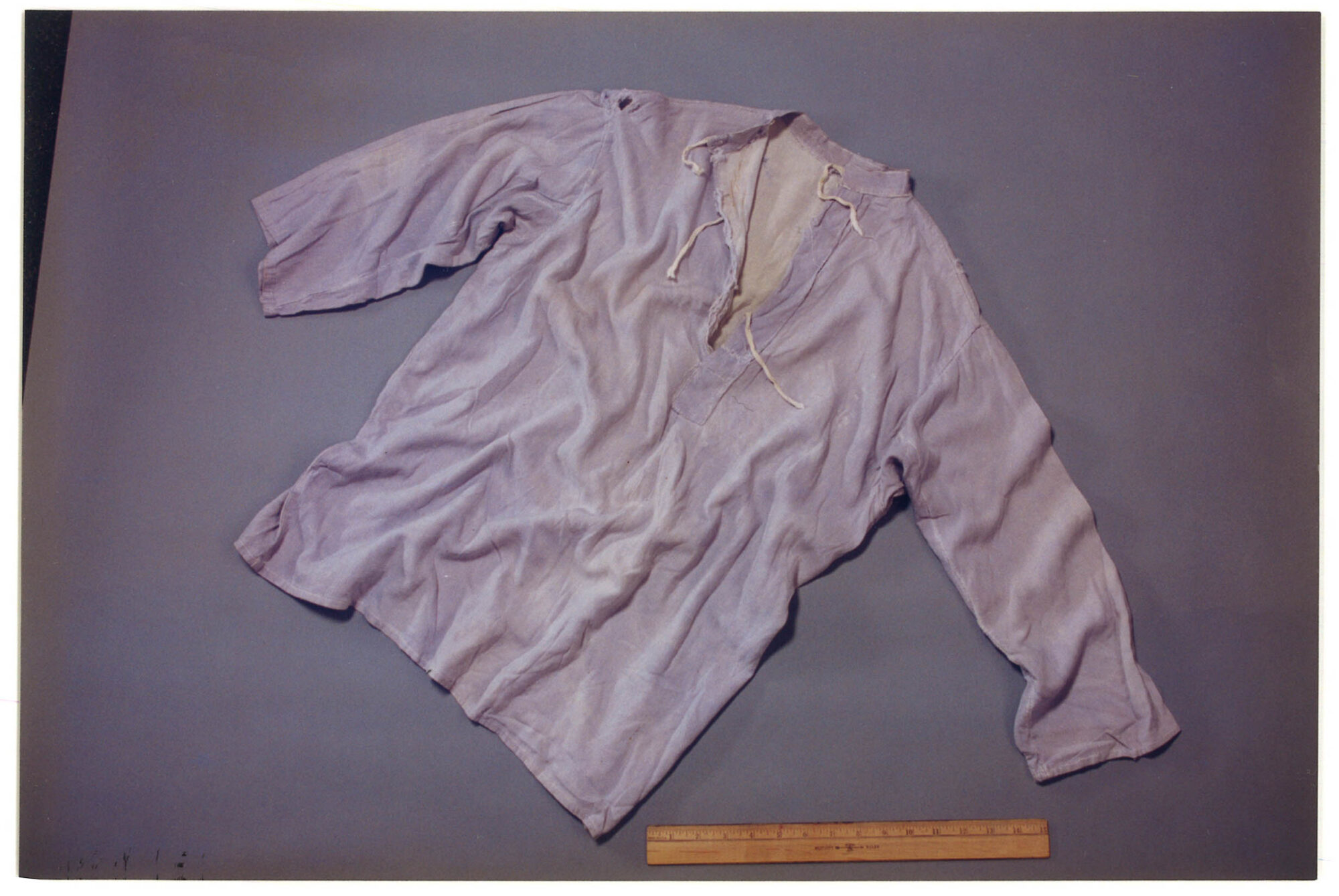
M. Zelman Gallery 10
Marian’s shirt from Gleiwitz. He was on a death march as Russians were approaching in January of 1945. Marian couldn’t get into a truck. An SS soldier picked him up and threw him into the truck, which is how the shoulder of the shirt got ripped. Marian sewed it back together himself.
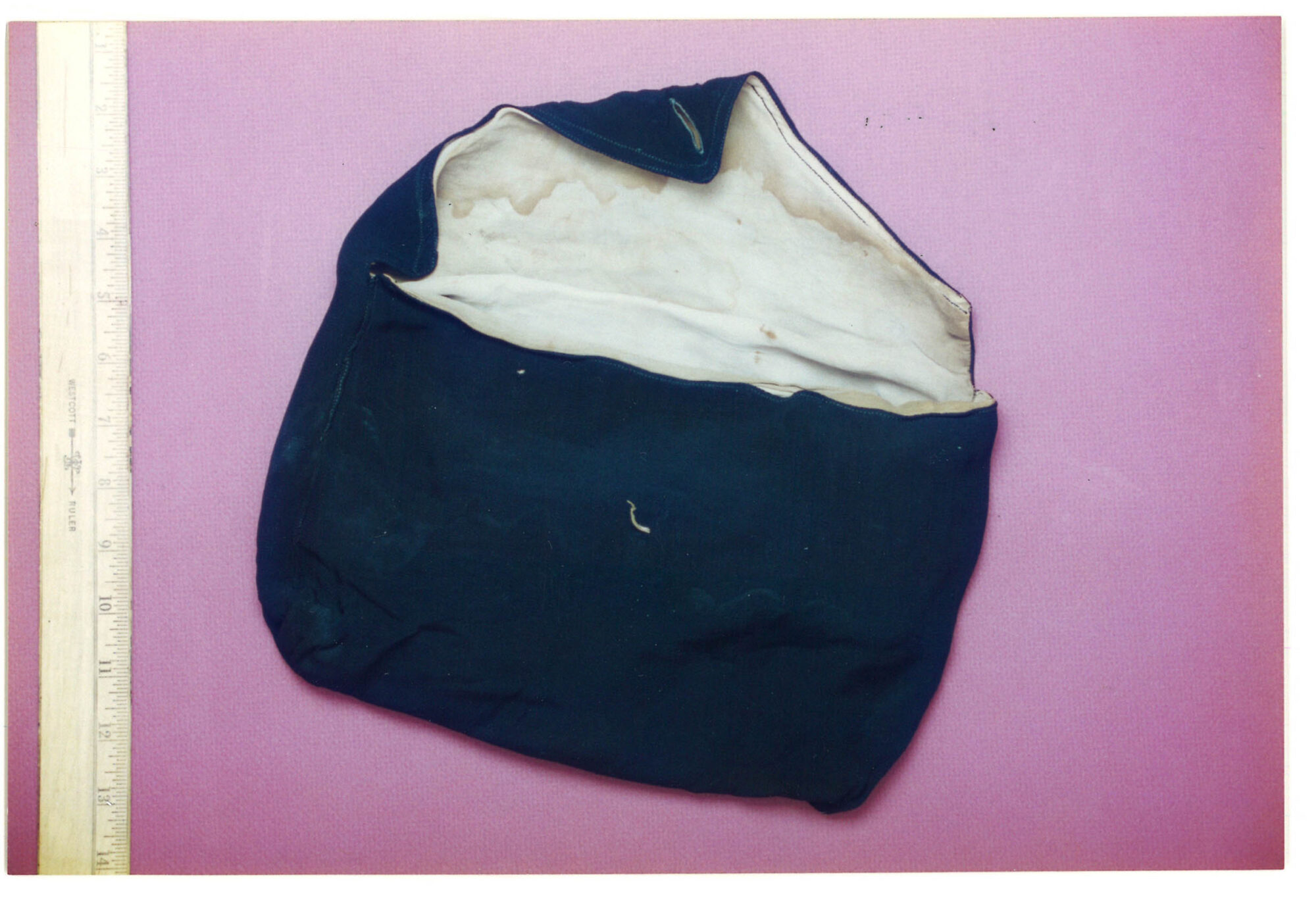
M. Zelman Gallery 11
The Tallis bag belonging to Marian’s father.
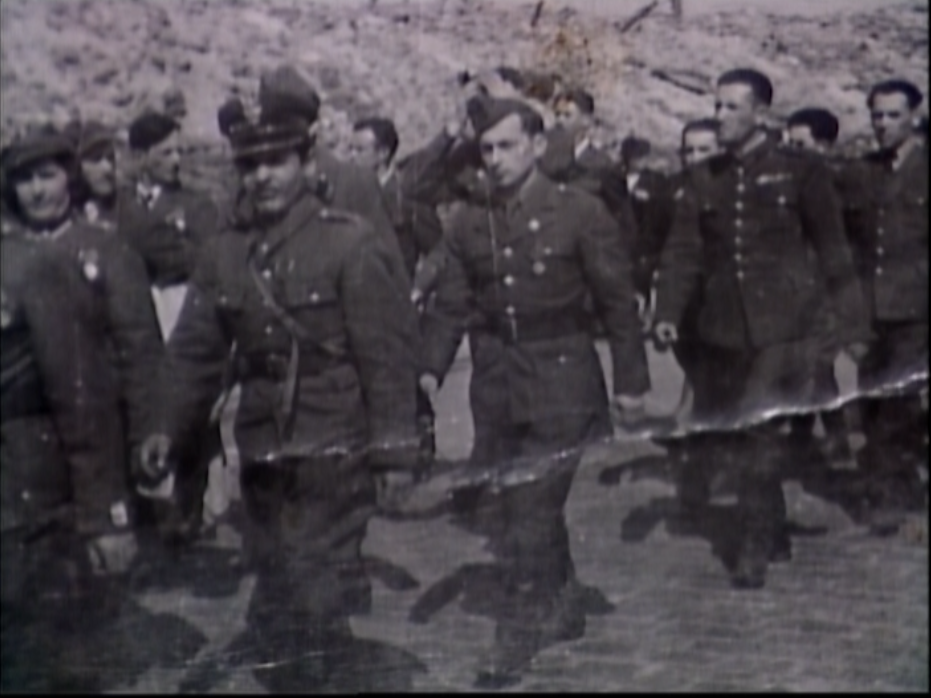
M. Zelman Gallery 12
Marian in his sergeant uniform. Warsaw, Poland 1946.
M. Zelman Gallery 13
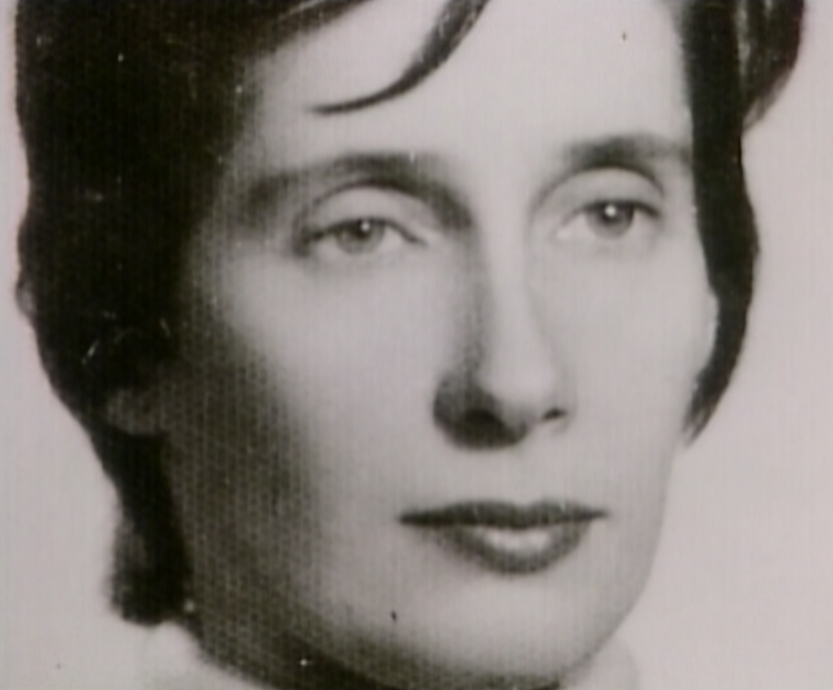
Marian’s wife, Maya. This photo was taken a month before she died in 1964.
M. Zelman Gallery 14
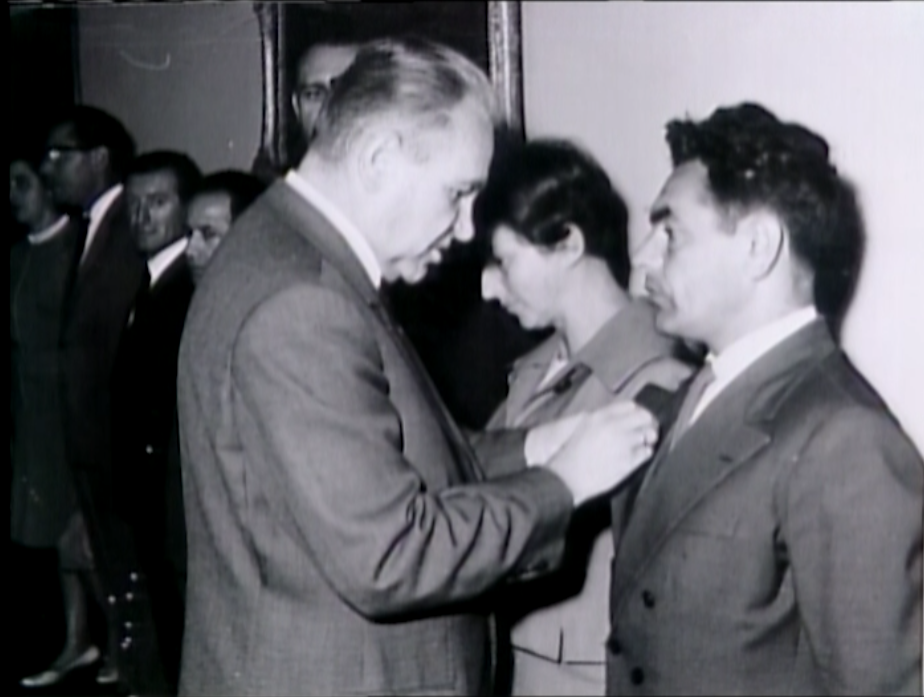
Marian received honorary citizenship with other members of the underground from the mayor of Lodz.
M. Zelman Gallery 15
Tickets for Marian and his children to leave Poland, September 1967.
M. Zelman Gallery 16
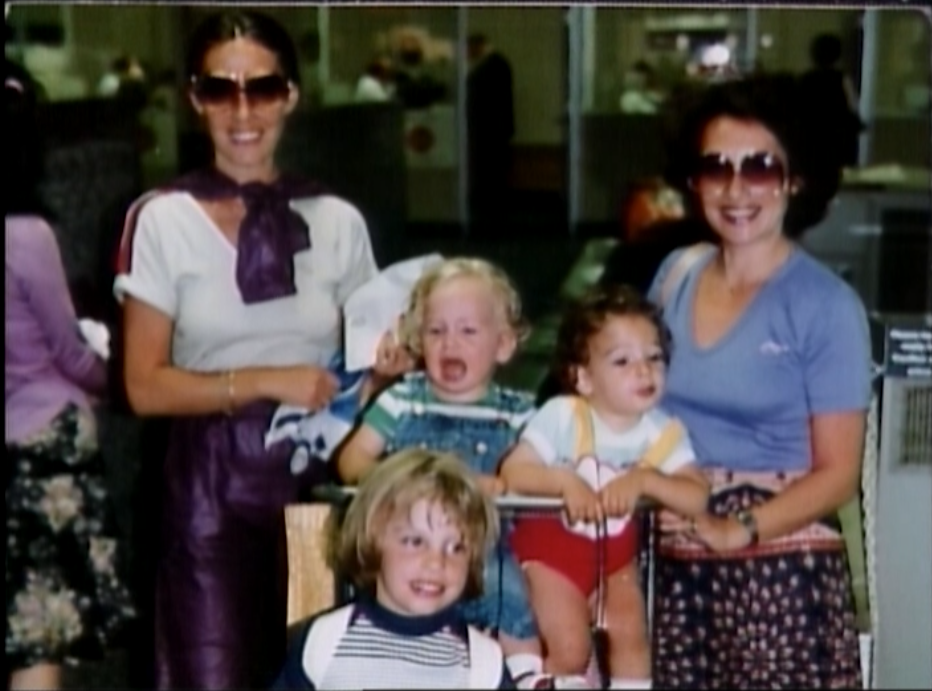
Marian’s two daughters, Helina (left) and Gabriella (right), with their children.
M. Zelman Gallery 17
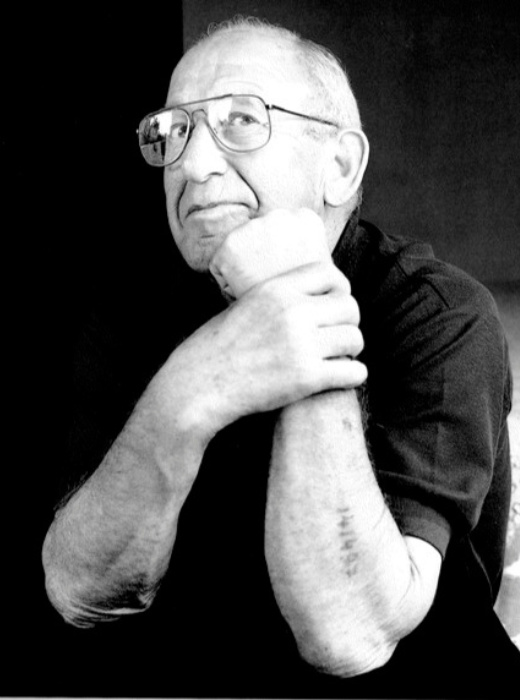
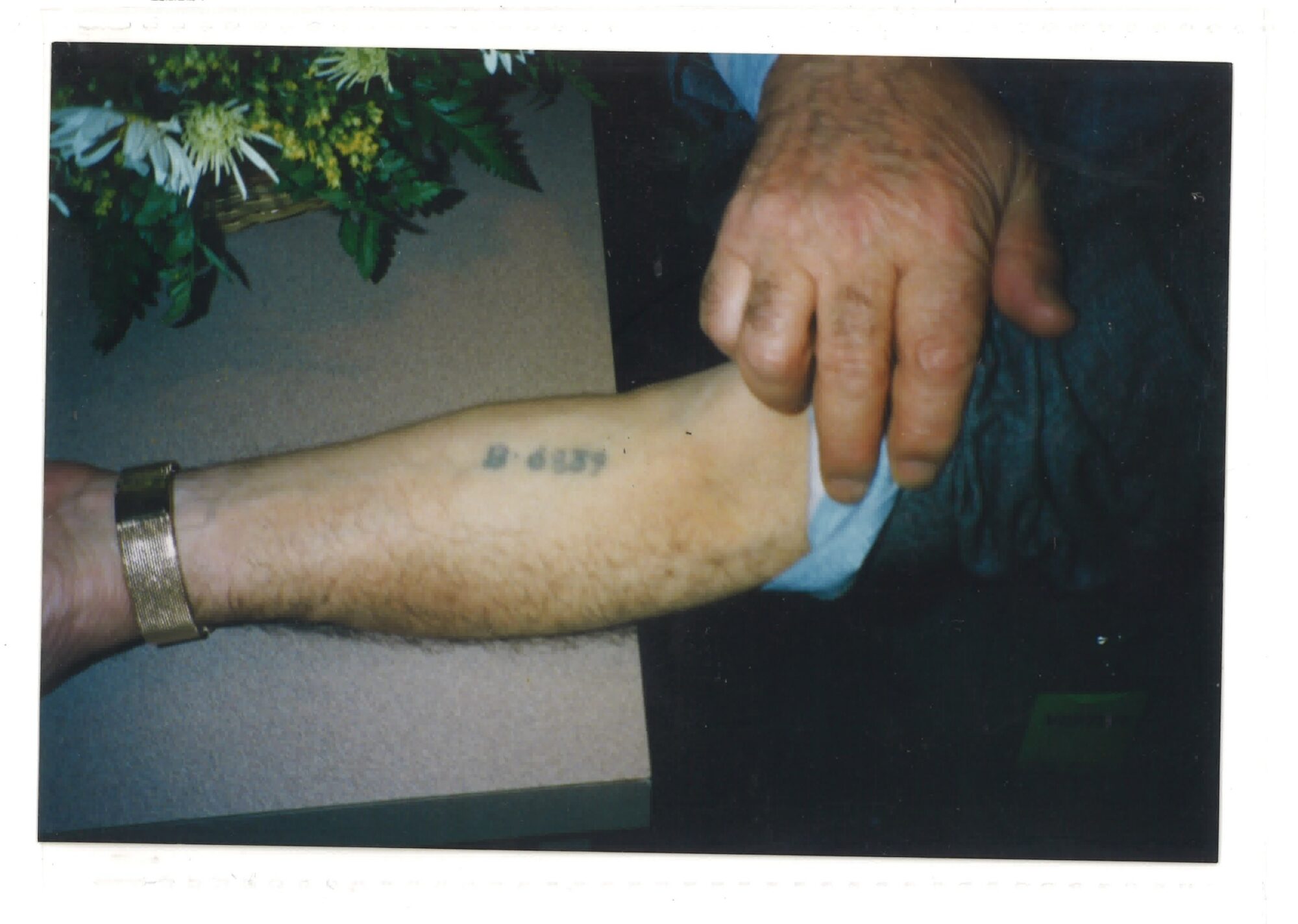
Marian’s Auschwitz tattoo: B6839.
M. Zelman Gallery 18
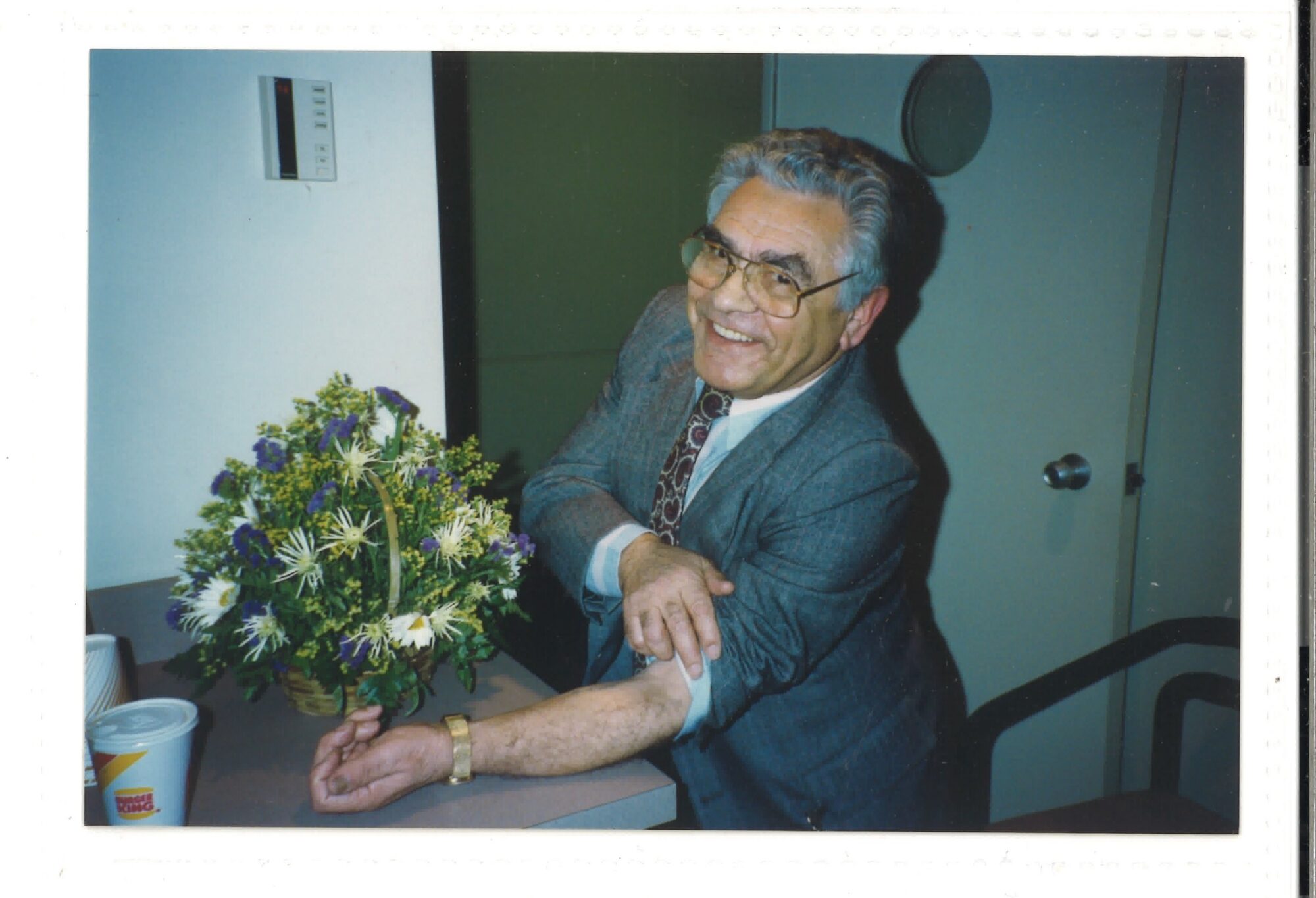
Marian showing his tattoo.