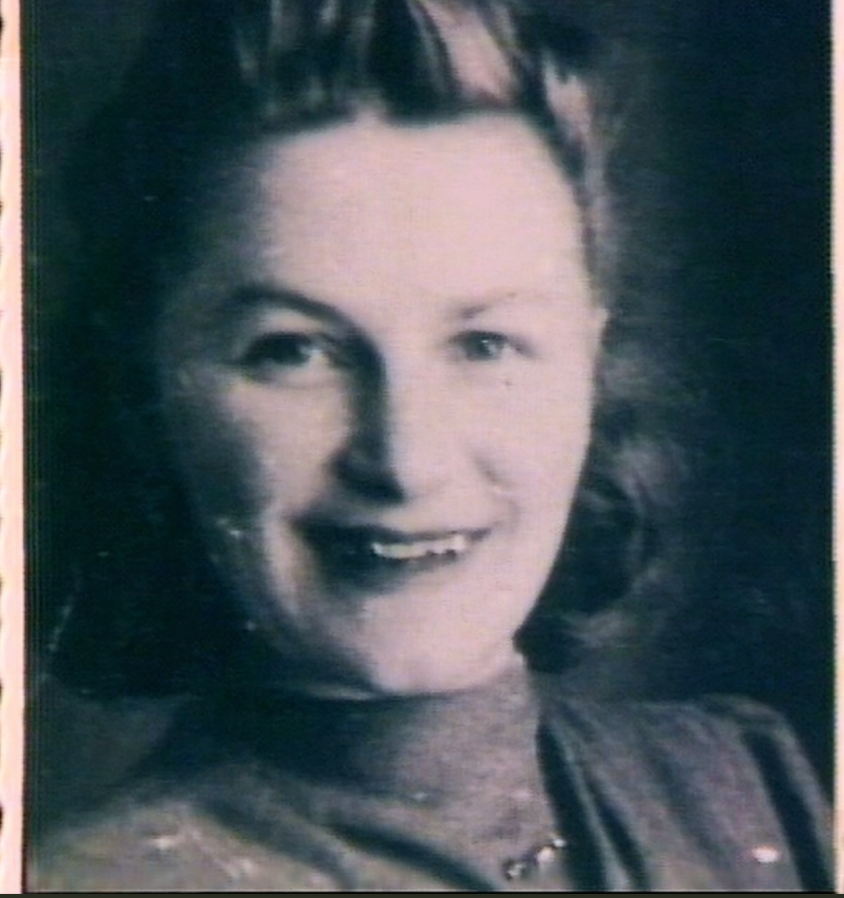
Frieda Hall
1925-2012
Frieda Hall was born Frimka Rusinek on December 27, 1925, in Zawiercie, Poland, into a close, religious Jewish family. Before the war, her life was happy—she went to school, spoke Polish and Yiddish, and lived in a strong Jewish community.
When the Germans invaded Poland in 1939, Frieda’s town was occupied, and the Jews were forced to wear yellow stars and later moved into a ghetto. At first, Frieda worked in a sewing factory making uniforms for the German army. In 1942, the Nazis began forcibly deporting all of the Jews in the ghetto. Frieda and her family were packed into crowded train cars headed for Auschwitz-Birkenau. It was there that Frieda was separated from her parents—she never saw them again.
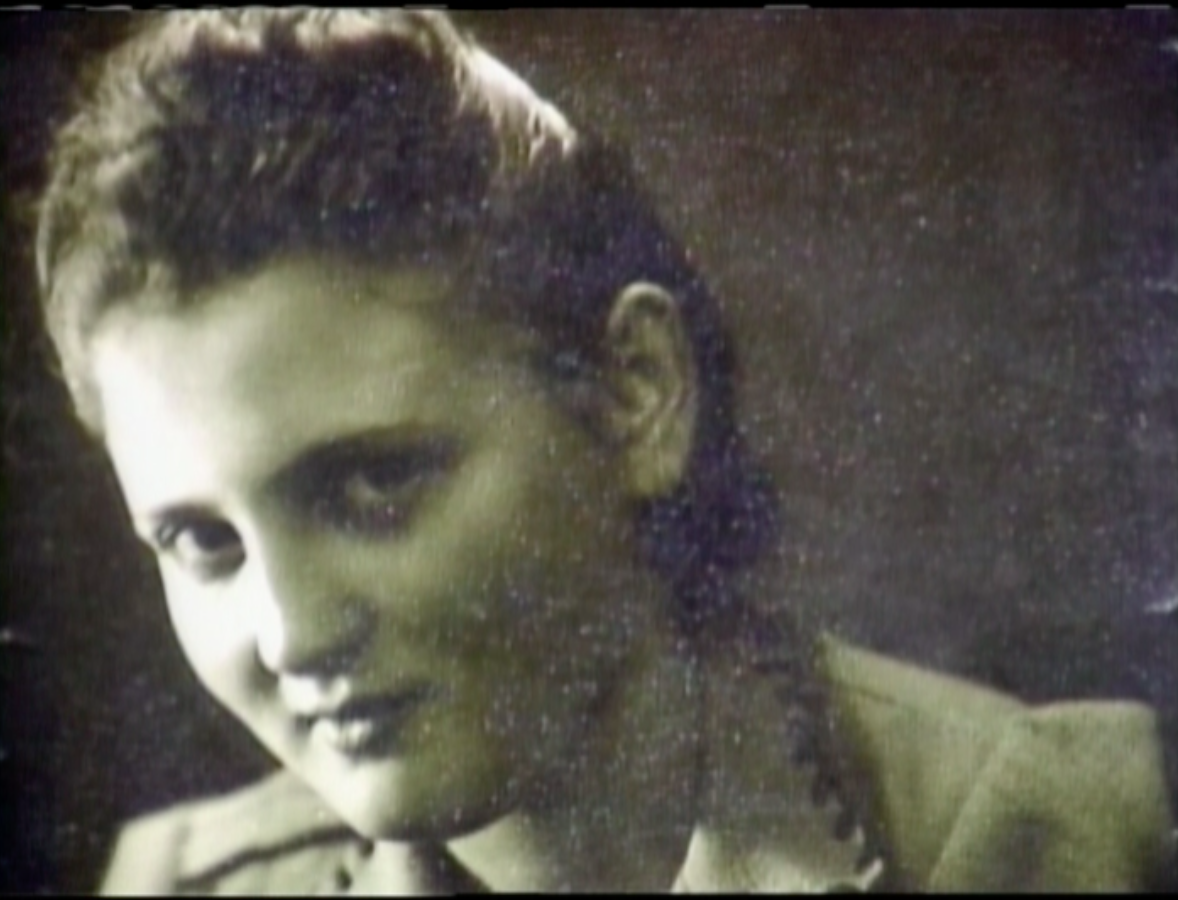
In Auschwitz, Frieda was tattooed with the number 56802 and forced to live in terrible conditions. Prisoners slept in overcrowded wooden bunks, were given almost no food, and faced daily fear of selections, where guards chose who would be killed. Frieda saw people lose hope and try to end their lives, and she tried to comfort them. She worked long hours in factories connected to the camp, including one that made ammunition for the German army.
As the Allies advanced in 1945, the Nazis evacuated Auschwitz, forcing prisoners on brutal death marches. Frieda was sent first to Ravensbrück and then to Malchow, where many prisoners died from hunger or exhaustion. In May 1945, while being marched again, Frieda and three friends escaped into the woods. At first they feared they would be caught, but the soldiers they met turned out to be American and British troops—they were finally liberated on May 8, 1945.
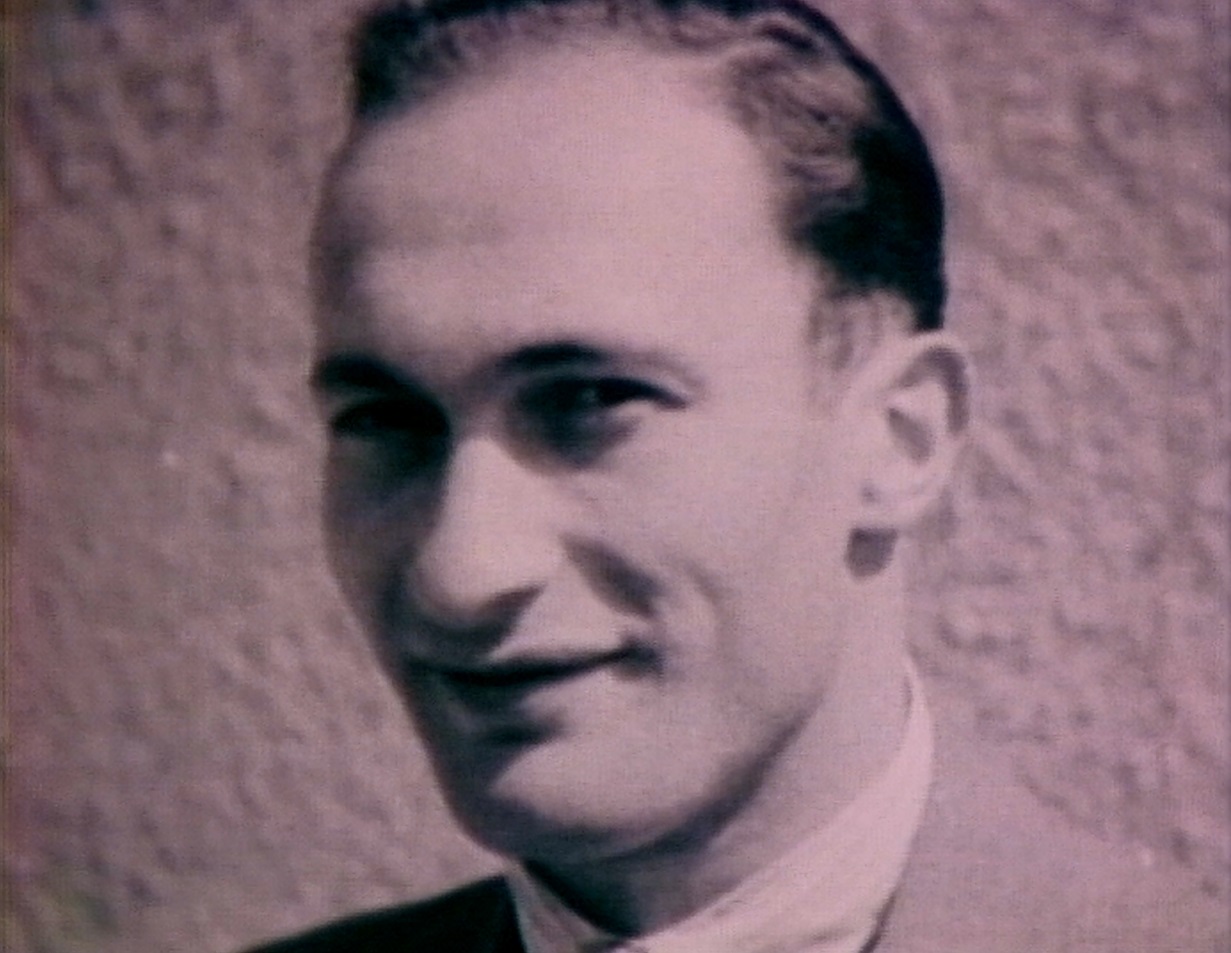
After the war, Frieda returned to Poland to search for her family. She learned that almost none had survived. In Łódź, she met Wolf Hall, another survivor, and they married in November 1945. The couple lived in Displaced Persons camps in Germany, and had their first child, Mary, in 1947 and their second child, Chuck, in 1949. In 1950 they immigrated to the United States, settling in Seattle, where their third child, Esther, was born.
Frieda worked hard to build a new life and raise her family. She later reunited with her brother, who had survived in Russia and was living in Sweden.
At the end of her interview, Frieda said she regretted waiting so long to share her story. Her message to young people was clear and heartfelt:
“We have waited too long to tell this story. It is hard to tell, but we must, so it will never happen again.”
Video Testimony – Frieda Hall
Working in the Ghetto
First day in Auschwitz-Birkenau
From Birkenau to Auschwitz
Ran Away
The Union Company
To Ravensbruck
Photo Gallery – Frieda Hall

F. Hall Gallery 1
Frieda with her husband Wolf (right) and Wolf’s friend Ludwig Newman (left). Lodz, Poland 1945.
F. Hall Gallery 2
Frieda Hall.
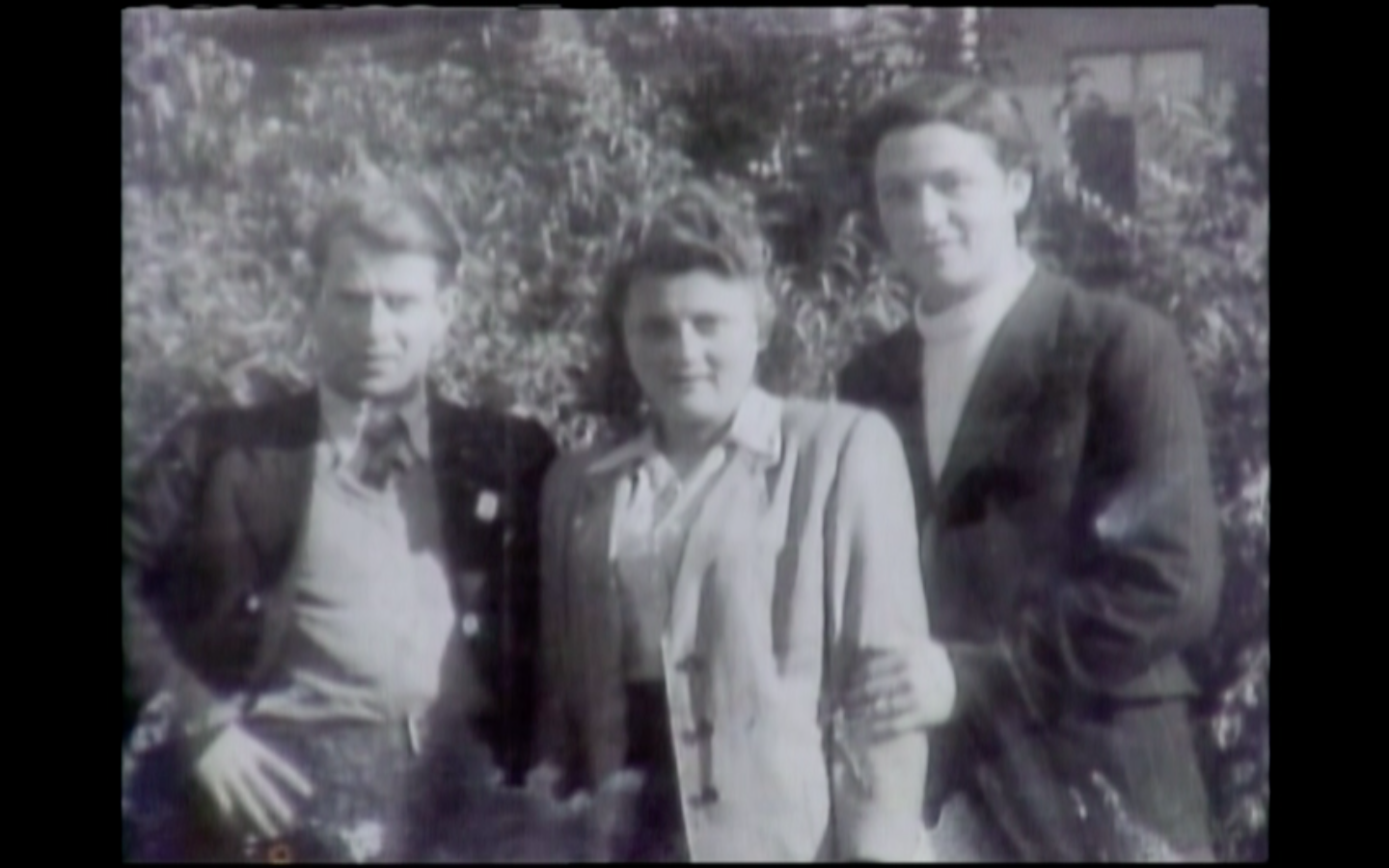
F. Hall Gallery 3
Frieda middle (18 years old), Wolf right, friend Mortala left, in a DP Camp in Germany 1947.

F. Hall Gallery 4
Frieda aboard the Ship General Blatchford to New York, coming to the United States in December 1950.
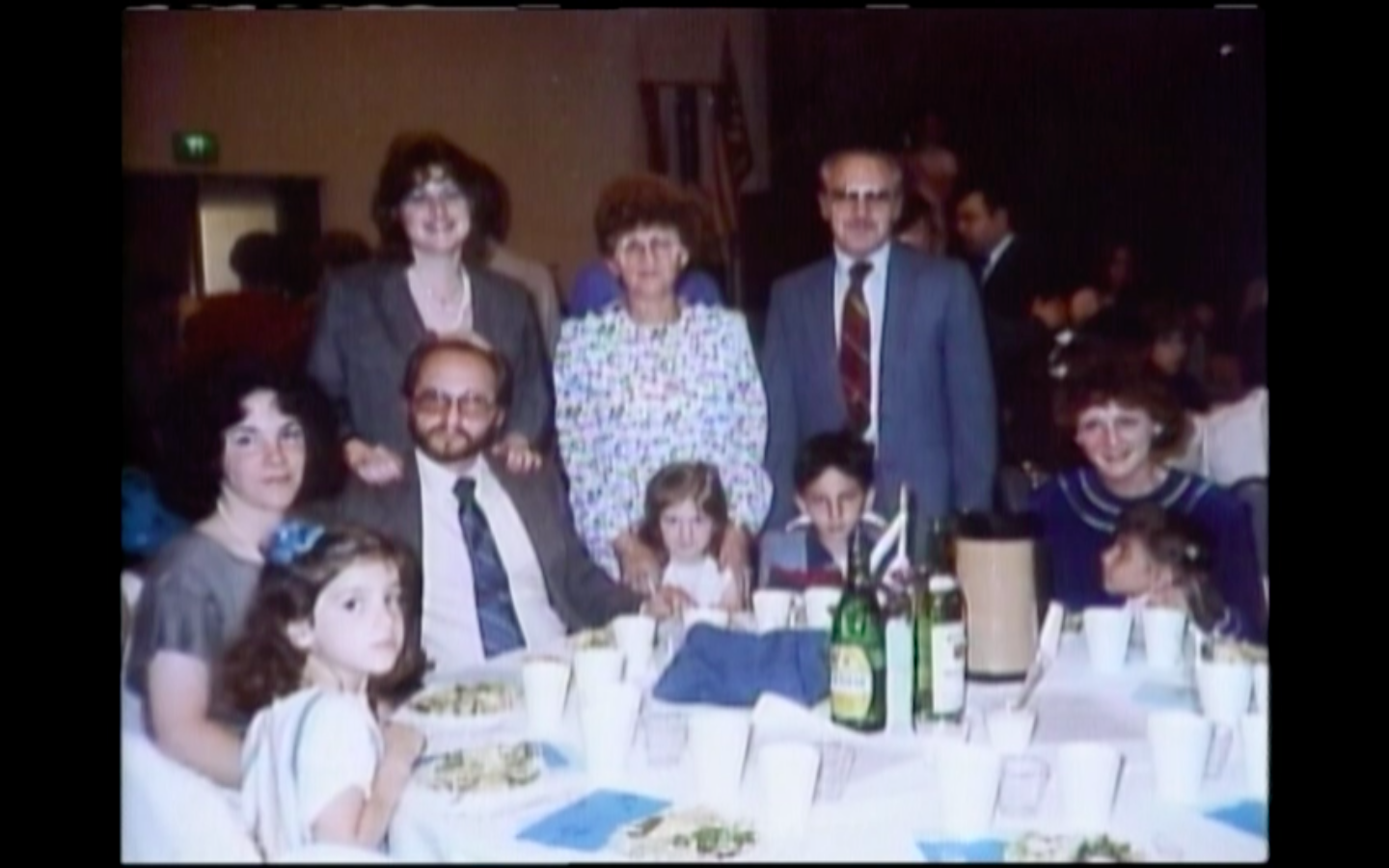
F. Hall Gallery 5
Frieda and Wolf Hall with their family at a Holocaust Center gathering, 1980s.
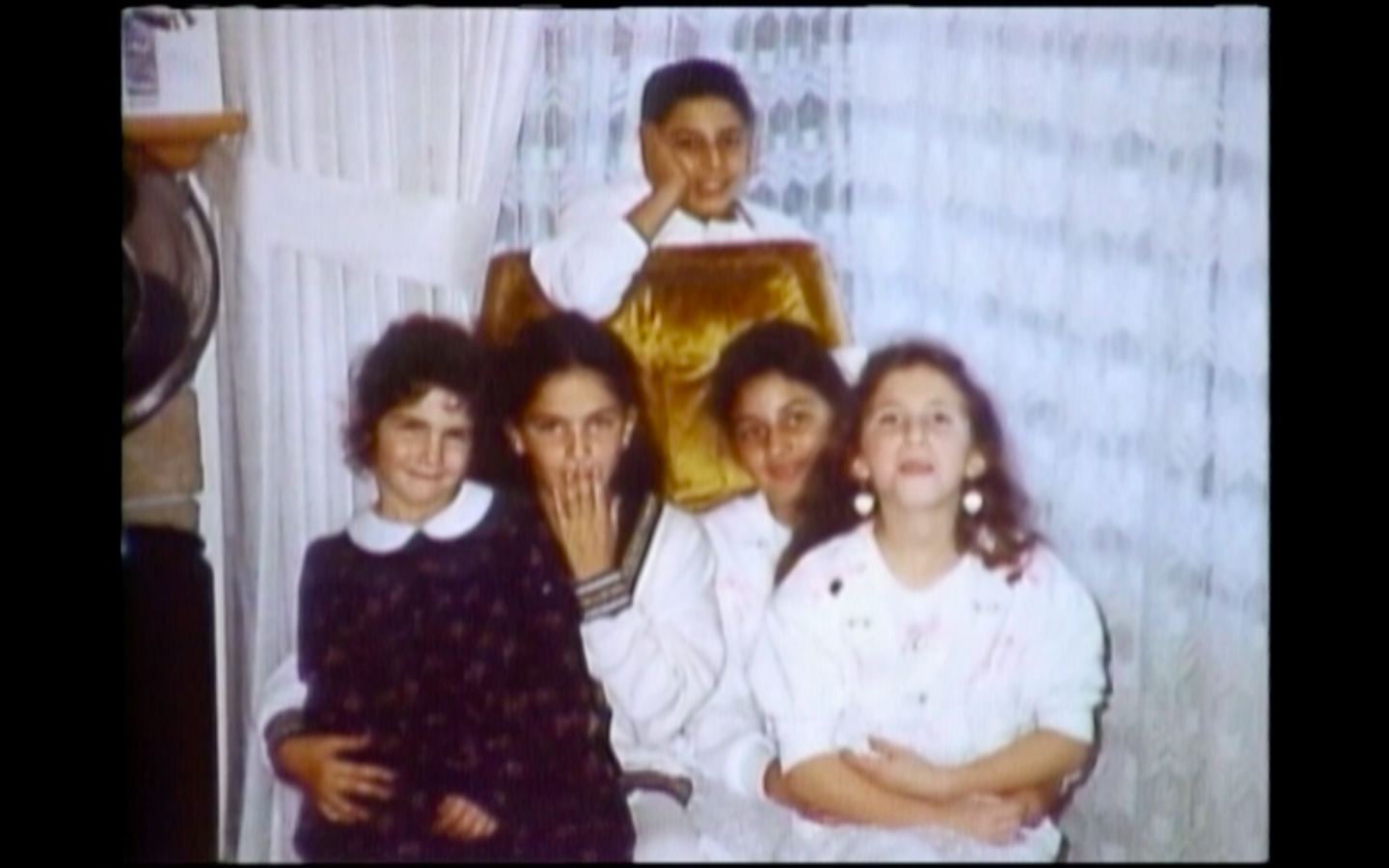
F. Hall Gallery 6
Five of Frieda and Wolf Hall’s grandchildren.

F. Hall Gallery 7
Wolf and Frieda Hall, 1990.