
Criminalizing Enablers and Bystanders: Legal Accountability and Professional Responsibility
Abuse and systemic misconduct rarely occur in isolation. Instead, they develop within legal, institutional, and cultural ecosystems shaped by decisions, omissions, and norms established by those in positions of authority. While perpetrators commit the underlying acts, bystanders and enablers—through inaction or misuse of authority—often create the conditions that allow unlawful and unethical conduct to persist.
During this session, we will examine the legal frameworks governing bystander and enabler liability, including criminal accountability, prosecutorial discretion, and the evolving standards applied to individuals and institutions. Drawing on real-world examples and experience, Professor Guiora will speak to the threat that unchecked bystander conduct has upon civil society, and explore when omissions and failures to act may give rise to criminal responsibility, how courts assess causation and duty, and the broader implications for compliance, governance, and risk management. In addition, we will consider the challenges posed by instances where bystanders try to respond but are met with further authoritarian responses.
Throughout this presentation, we will consider the ethical and professional obligations of lawyers advising individuals and organizations, serving in leadership roles, or acting as gatekeepers of a civil society. The program challenges attorneys to assess how law can—and should—be used to disrupt cycles of abuse, protect victims, and impose accountability before harm escalates.
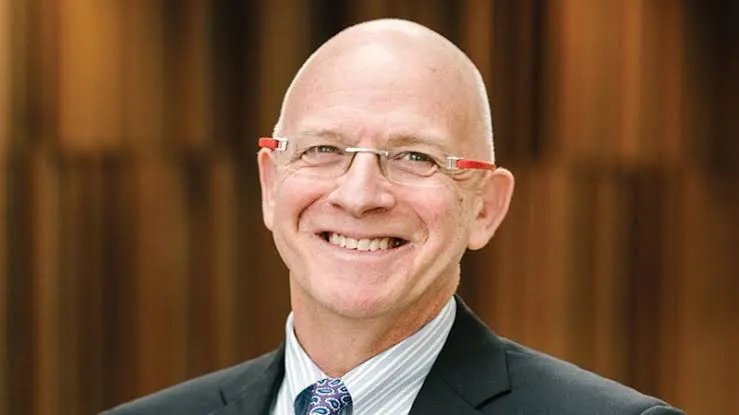
Amos N. Guiora has an A.B. from Kenyon College, a J.D. from Case Western Reserve University School of Law, and a Ph.D. from Leiden University. In 2026, Guiora was named a University of Utah Presidential Societal Impact Scholar.
Washington state attorneys can earn 1 continuing legal education credit (other – improving the legal system) from the Washington State Bar Association.


